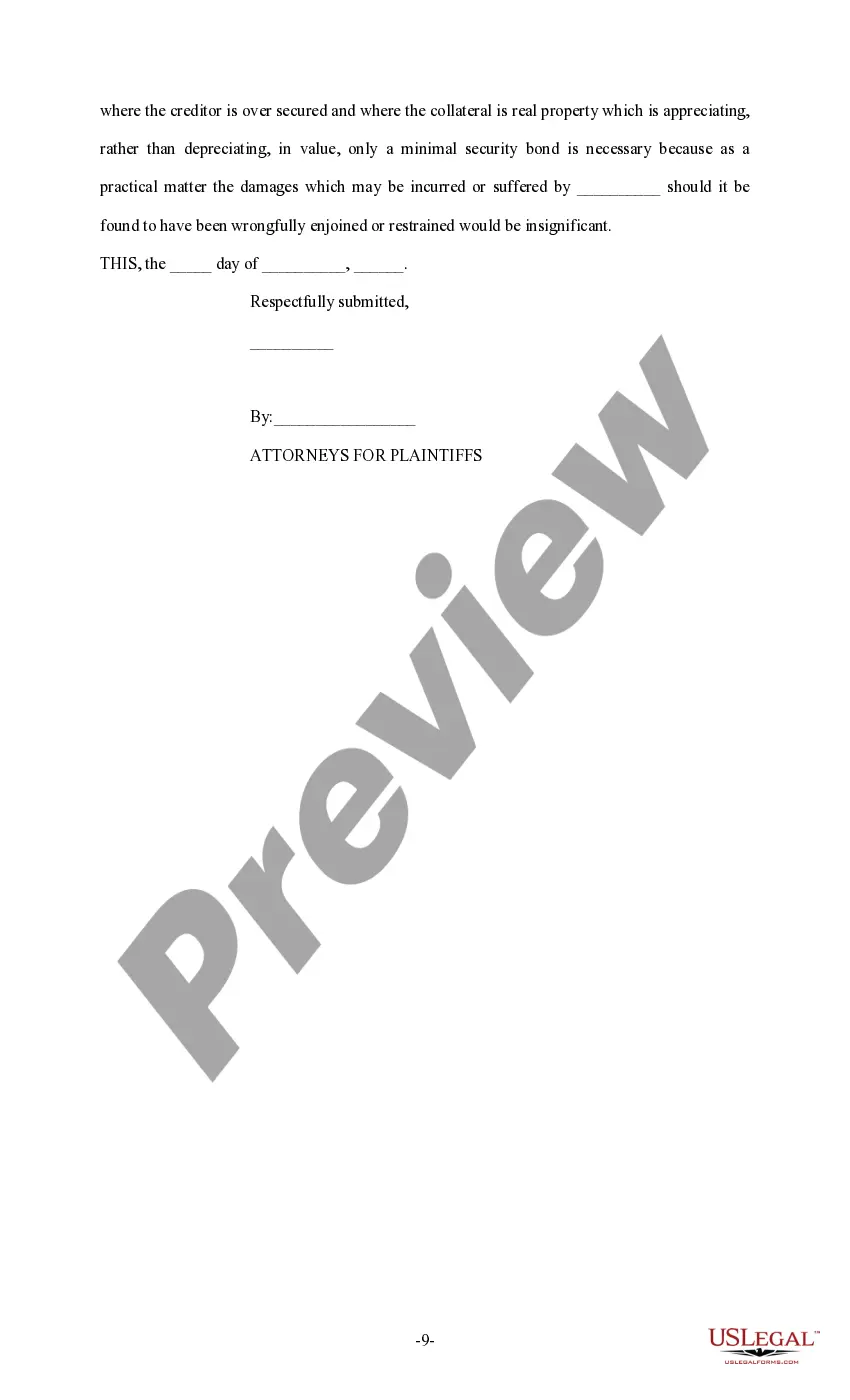
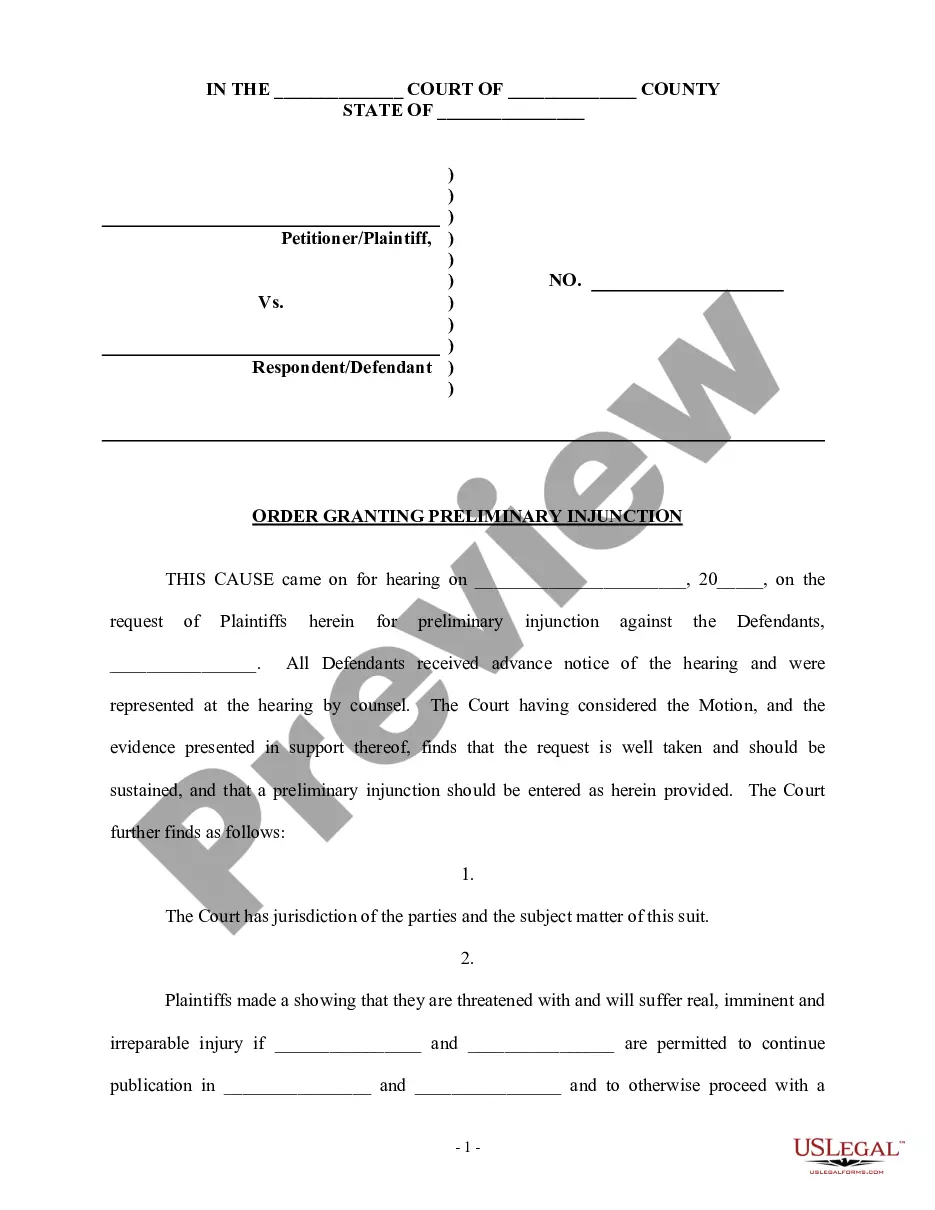
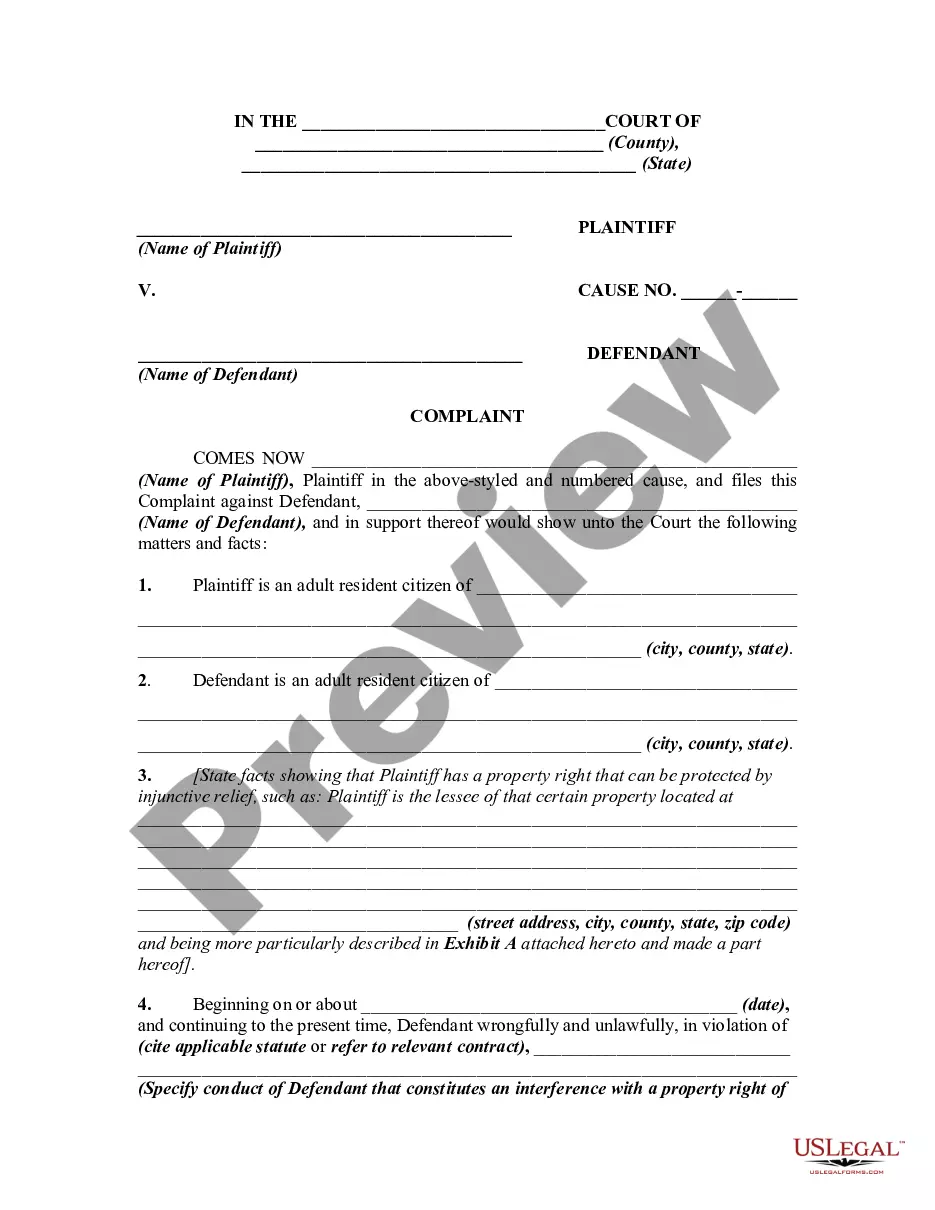
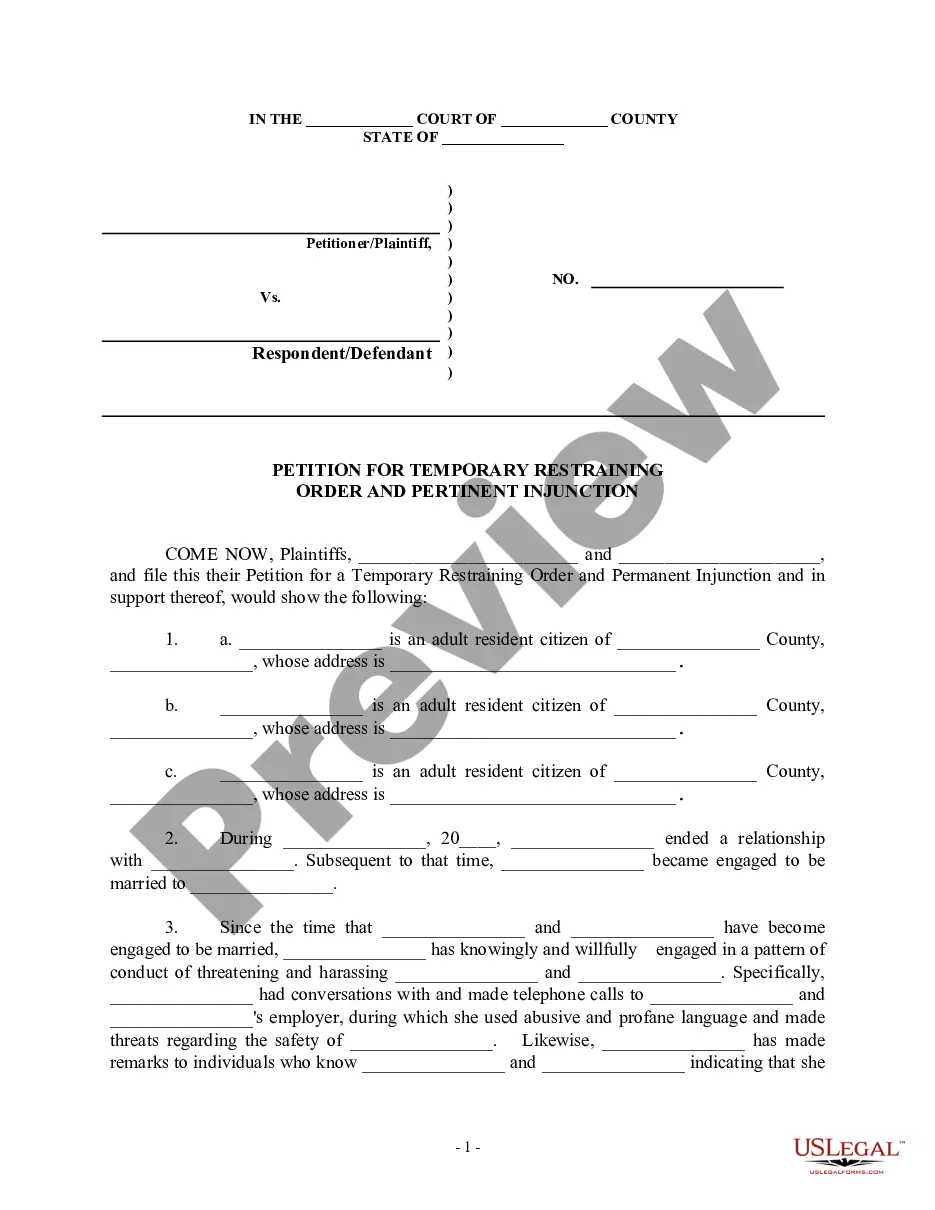
Attorney Brief Example For Case
Description
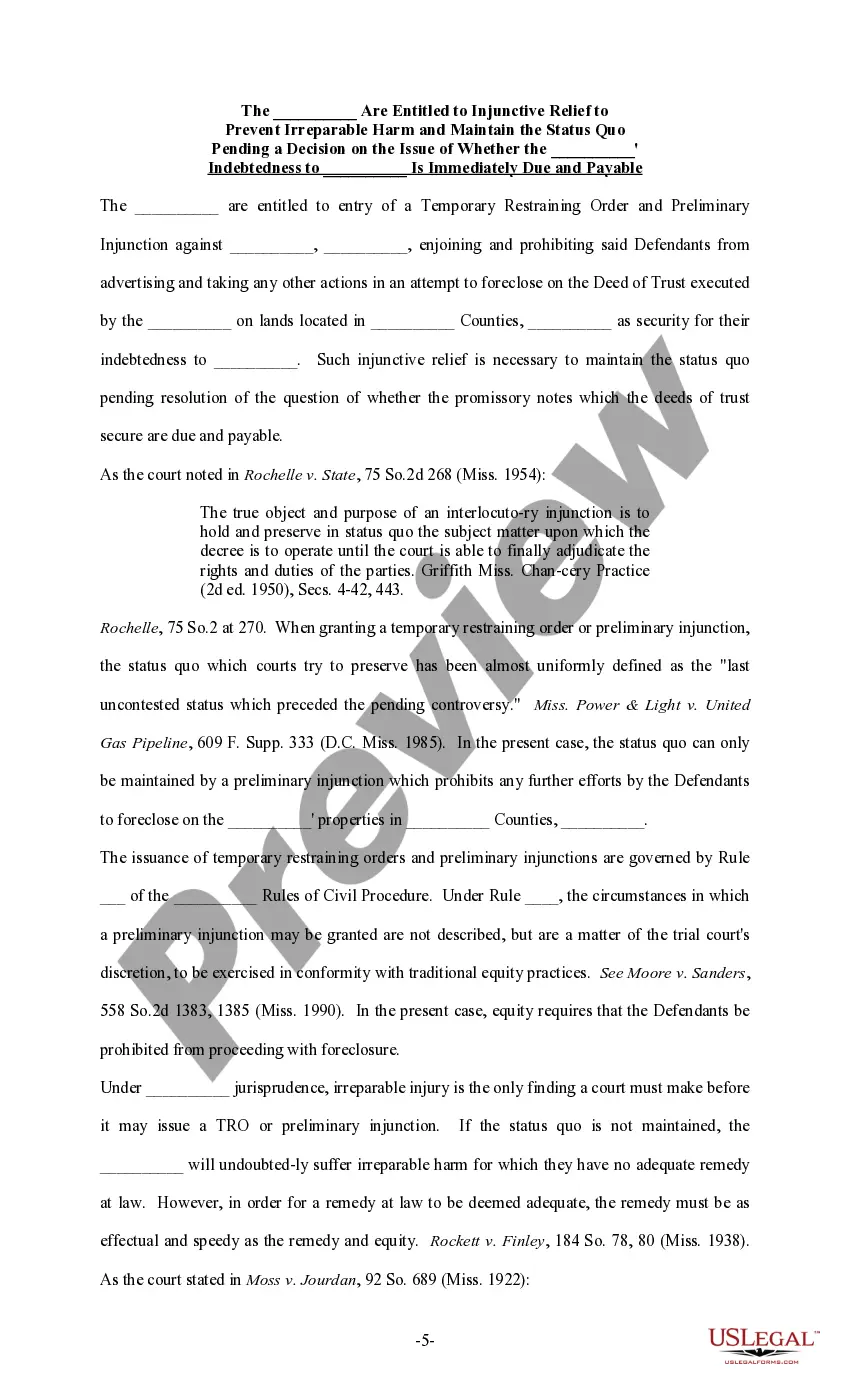
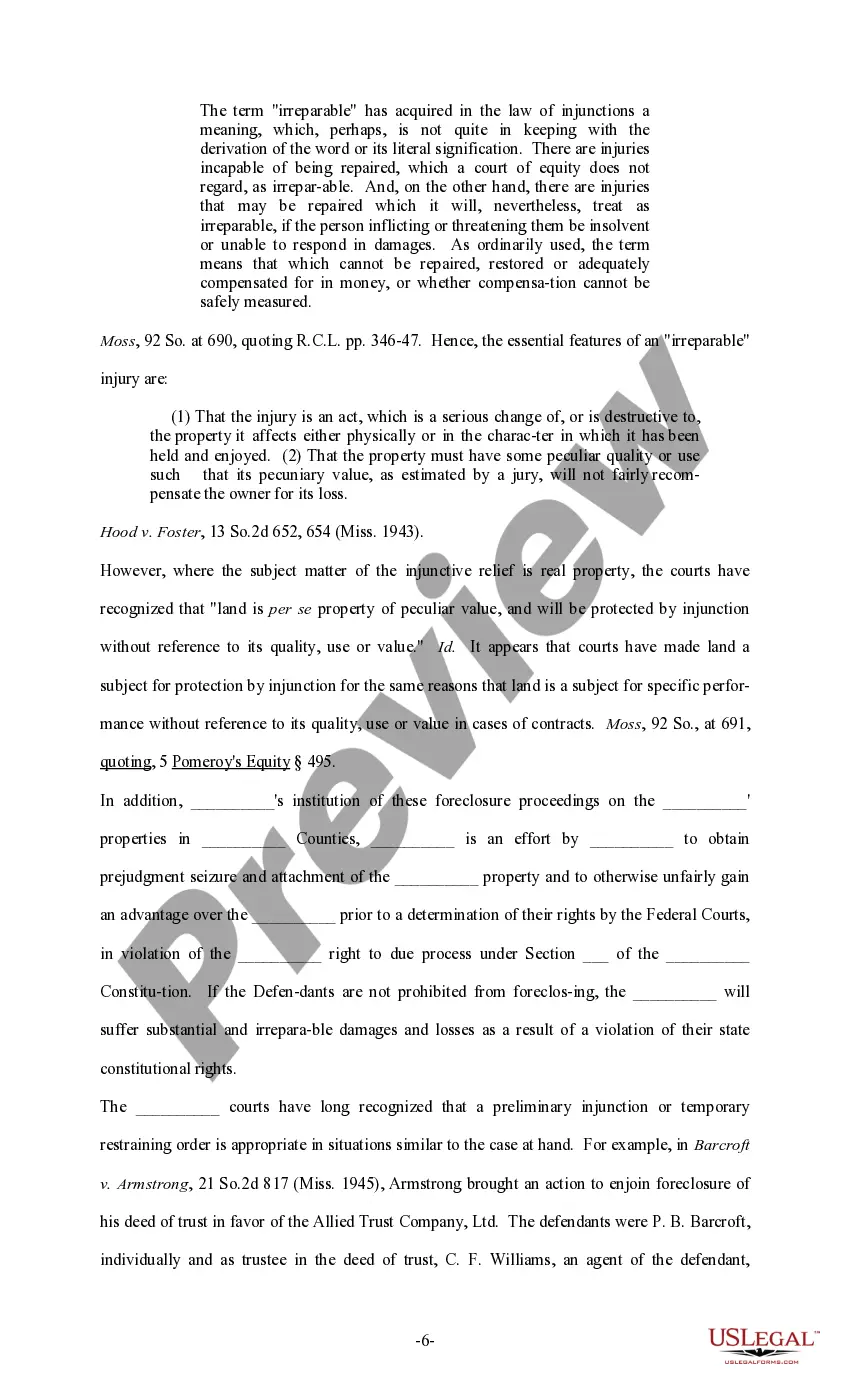
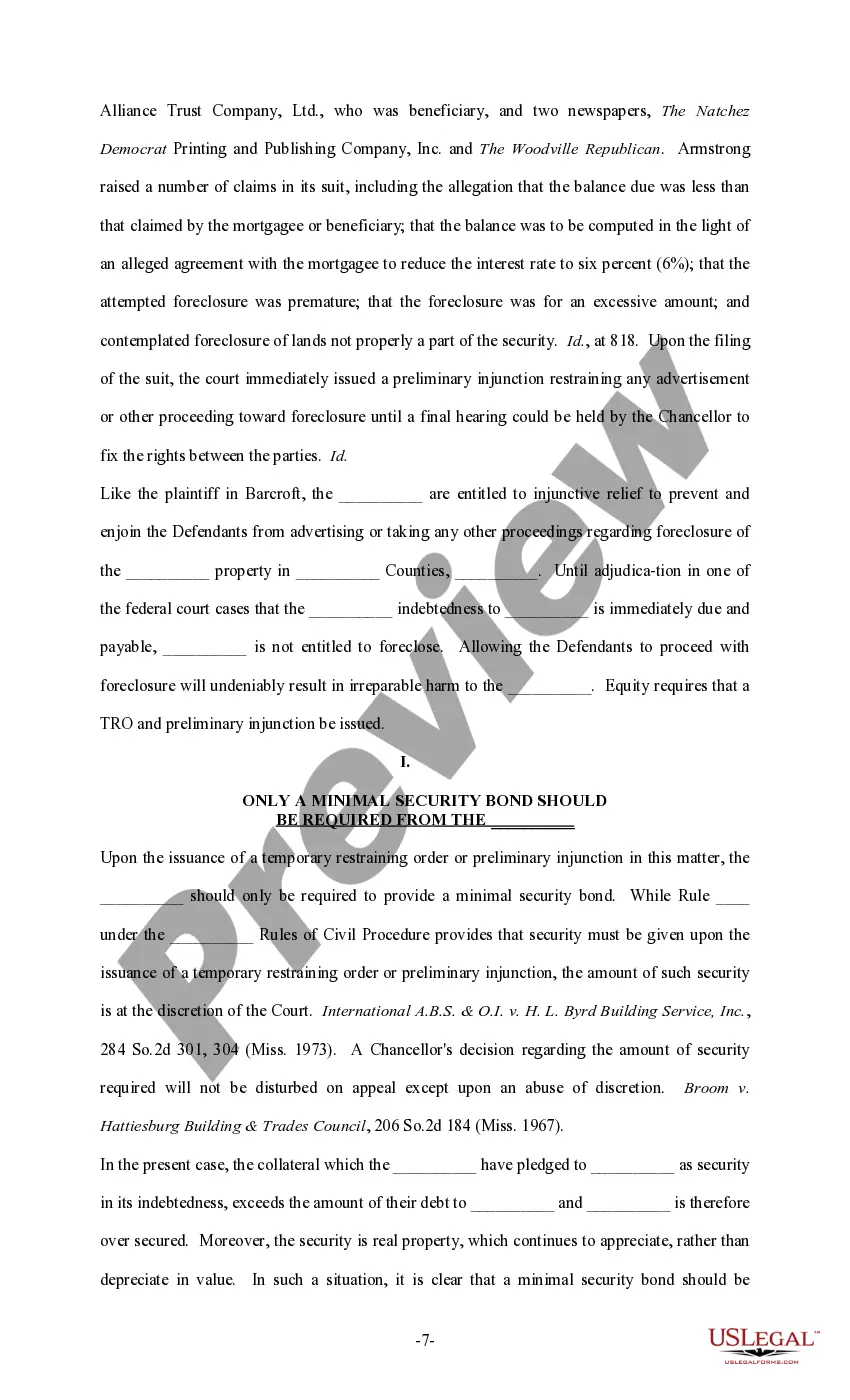
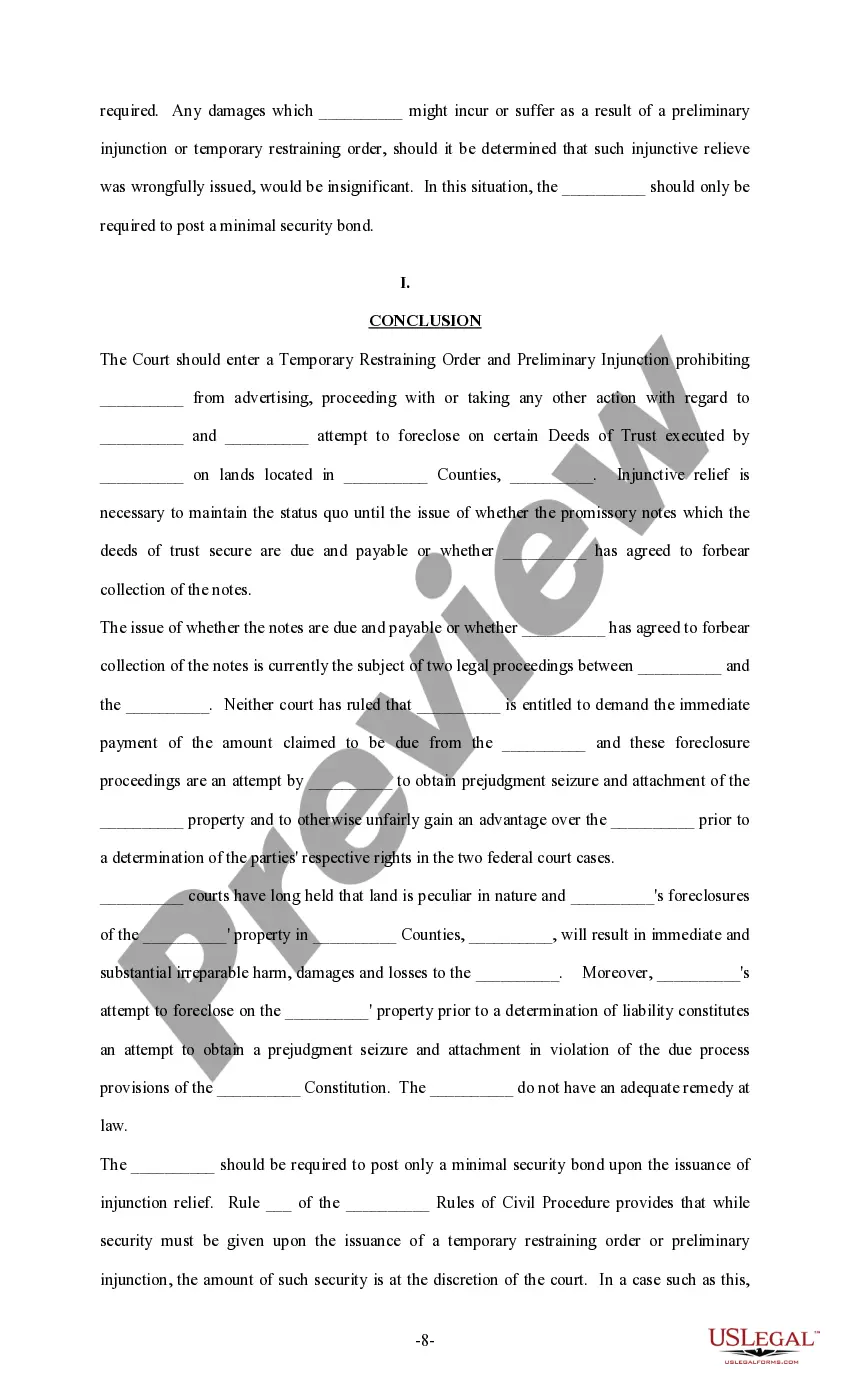

Get your form ready online
Our built-in tools help you complete, sign, share, and store your documents in one place.
Make edits, fill in missing information, and update formatting in US Legal Forms—just like you would in MS Word.
Download a copy, print it, send it by email, or mail it via USPS—whatever works best for your next step.
Sign and collect signatures with our SignNow integration. Send to multiple recipients, set reminders, and more. Go Premium to unlock E-Sign.
If this form requires notarization, complete it online through a secure video call—no need to meet a notary in person or wait for an appointment.
We protect your documents and personal data by following strict security and privacy standards.

Make edits, fill in missing information, and update formatting in US Legal Forms—just like you would in MS Word.

Download a copy, print it, send it by email, or mail it via USPS—whatever works best for your next step.

Sign and collect signatures with our SignNow integration. Send to multiple recipients, set reminders, and more. Go Premium to unlock E-Sign.

If this form requires notarization, complete it online through a secure video call—no need to meet a notary in person or wait for an appointment.

We protect your documents and personal data by following strict security and privacy standards.
Looking for another form?
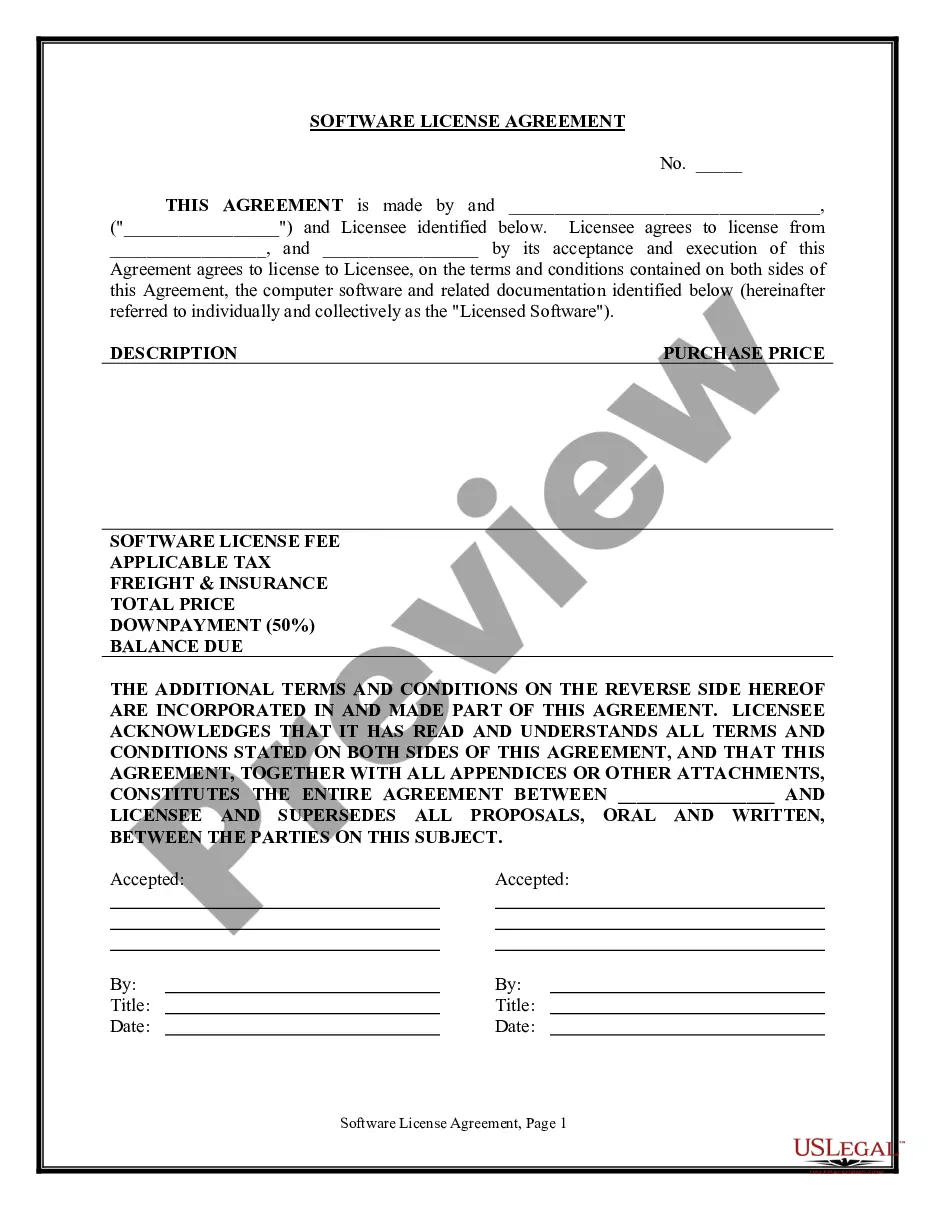
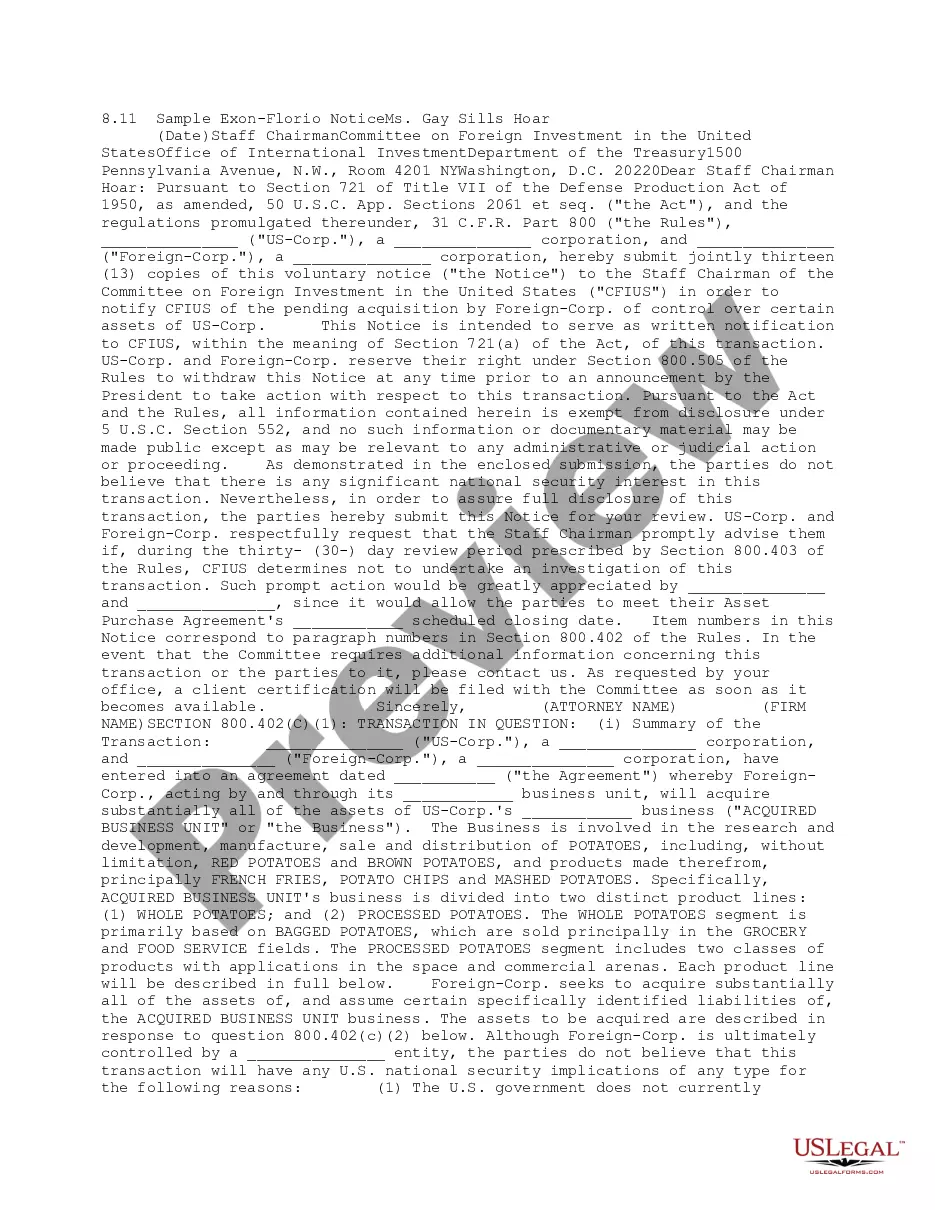
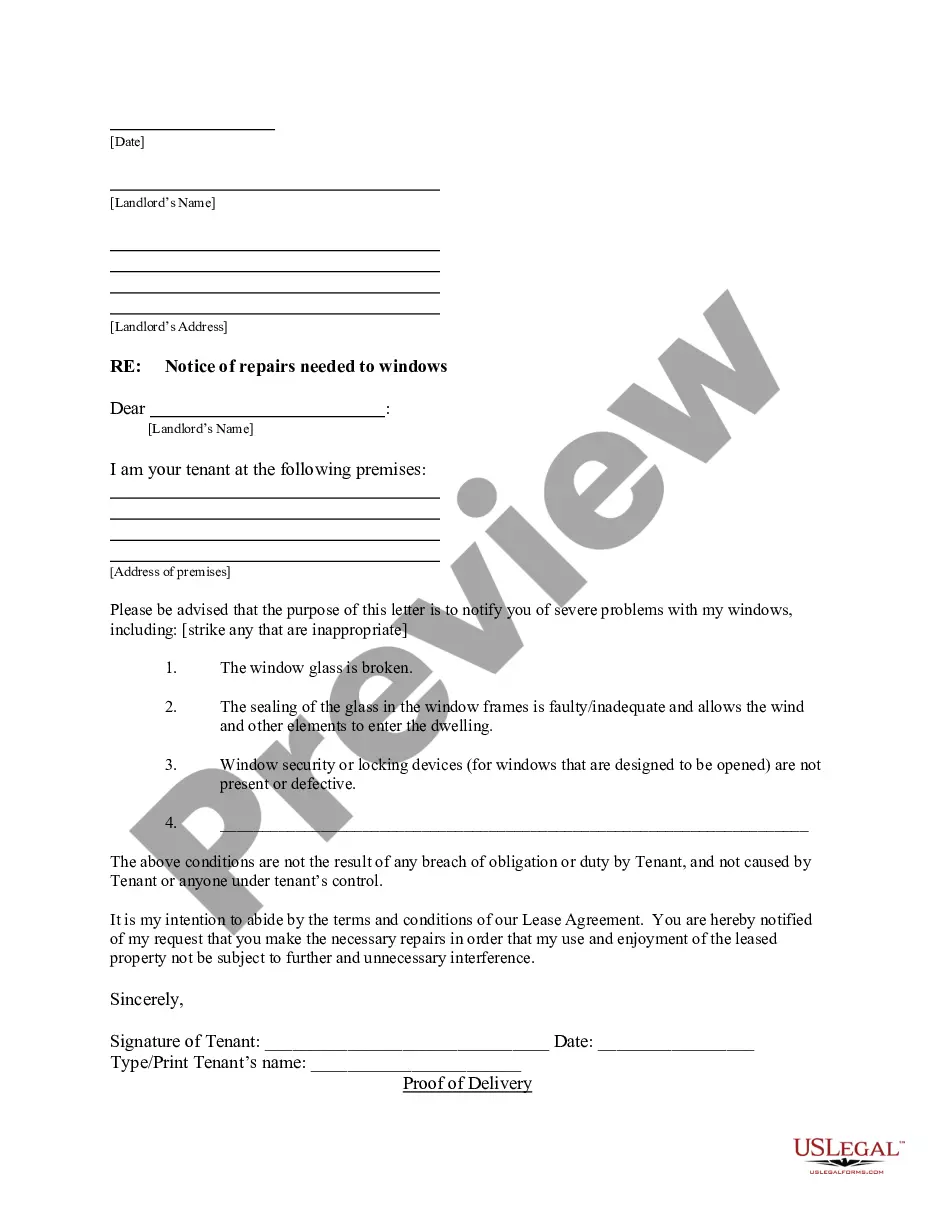
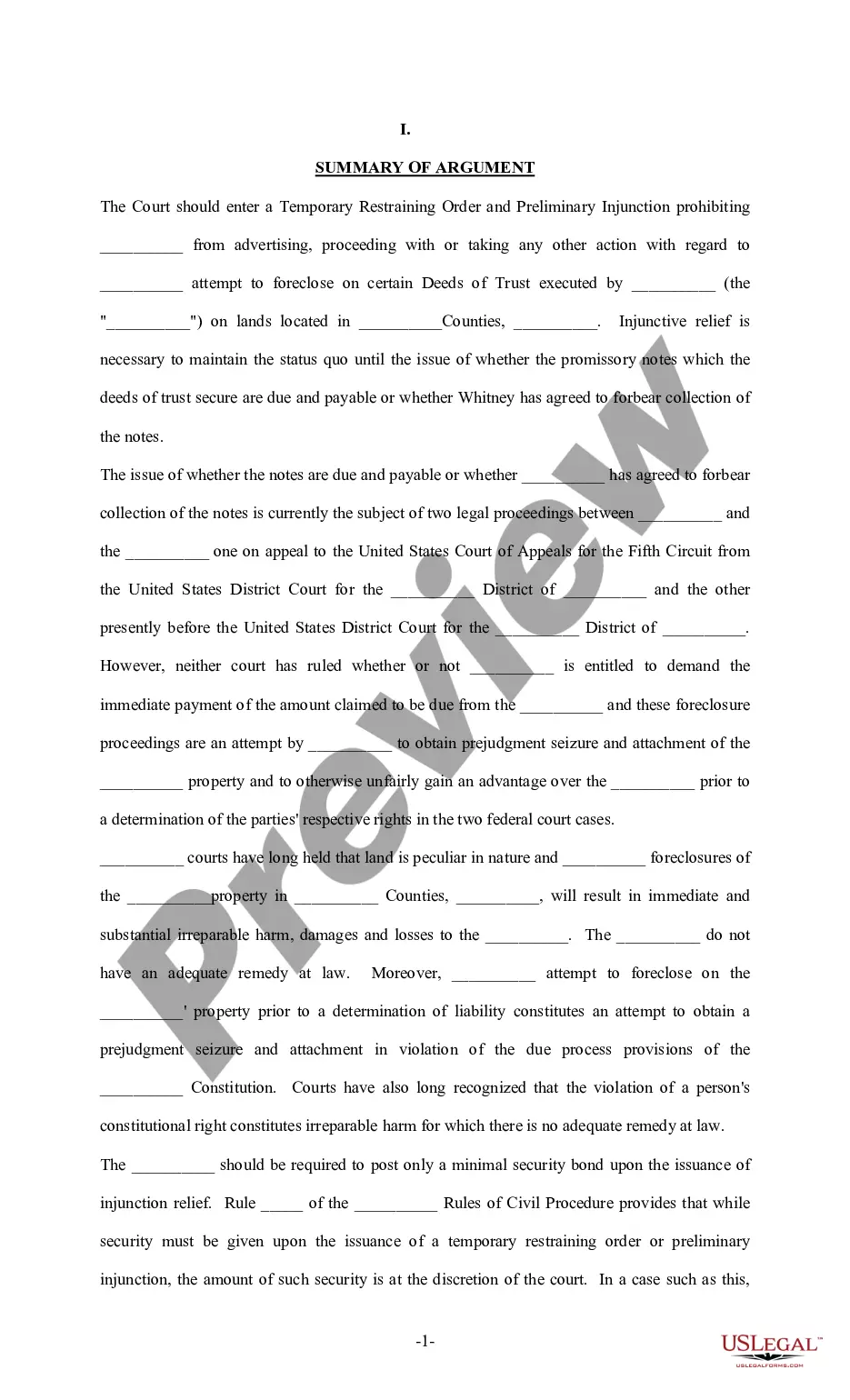
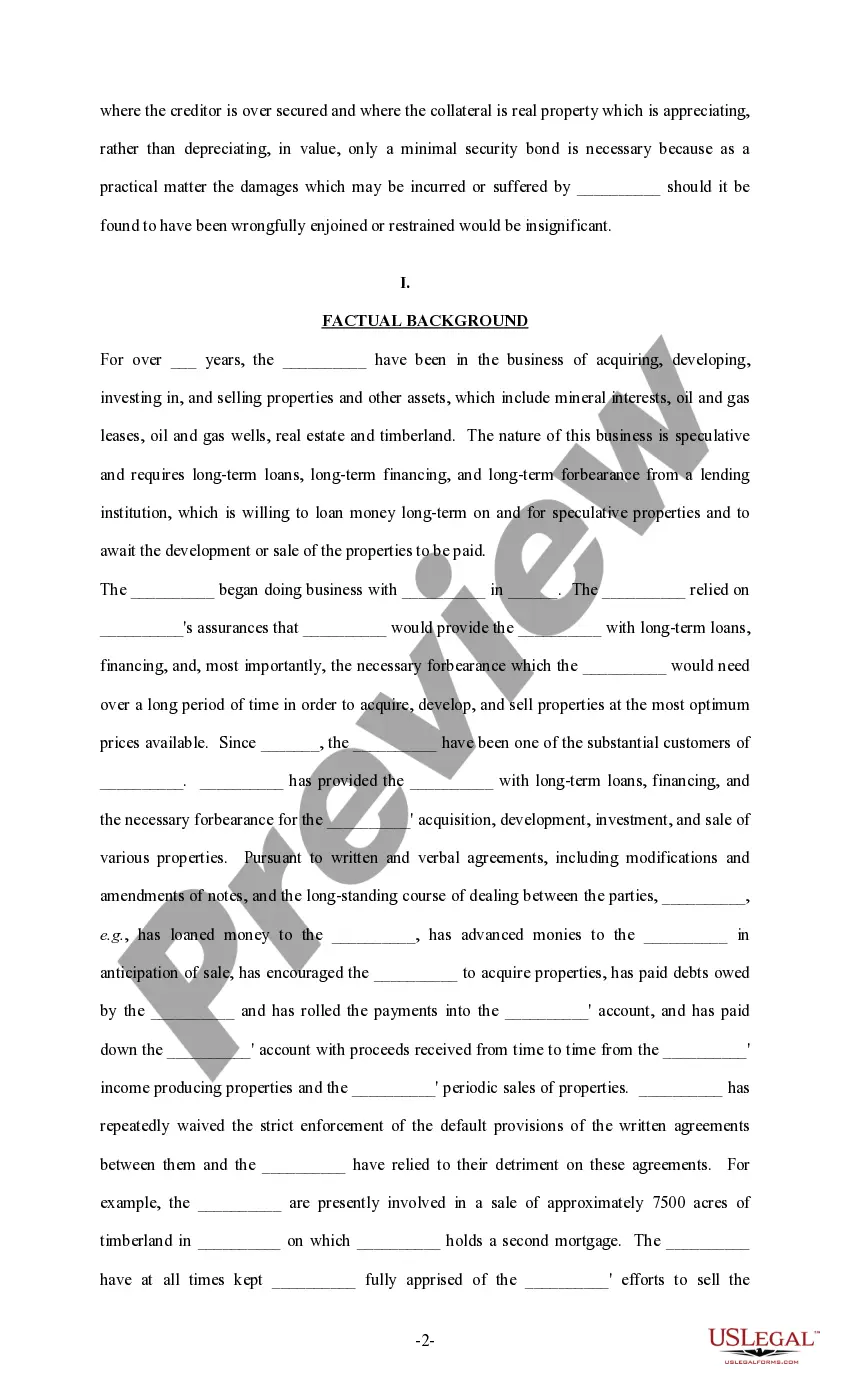
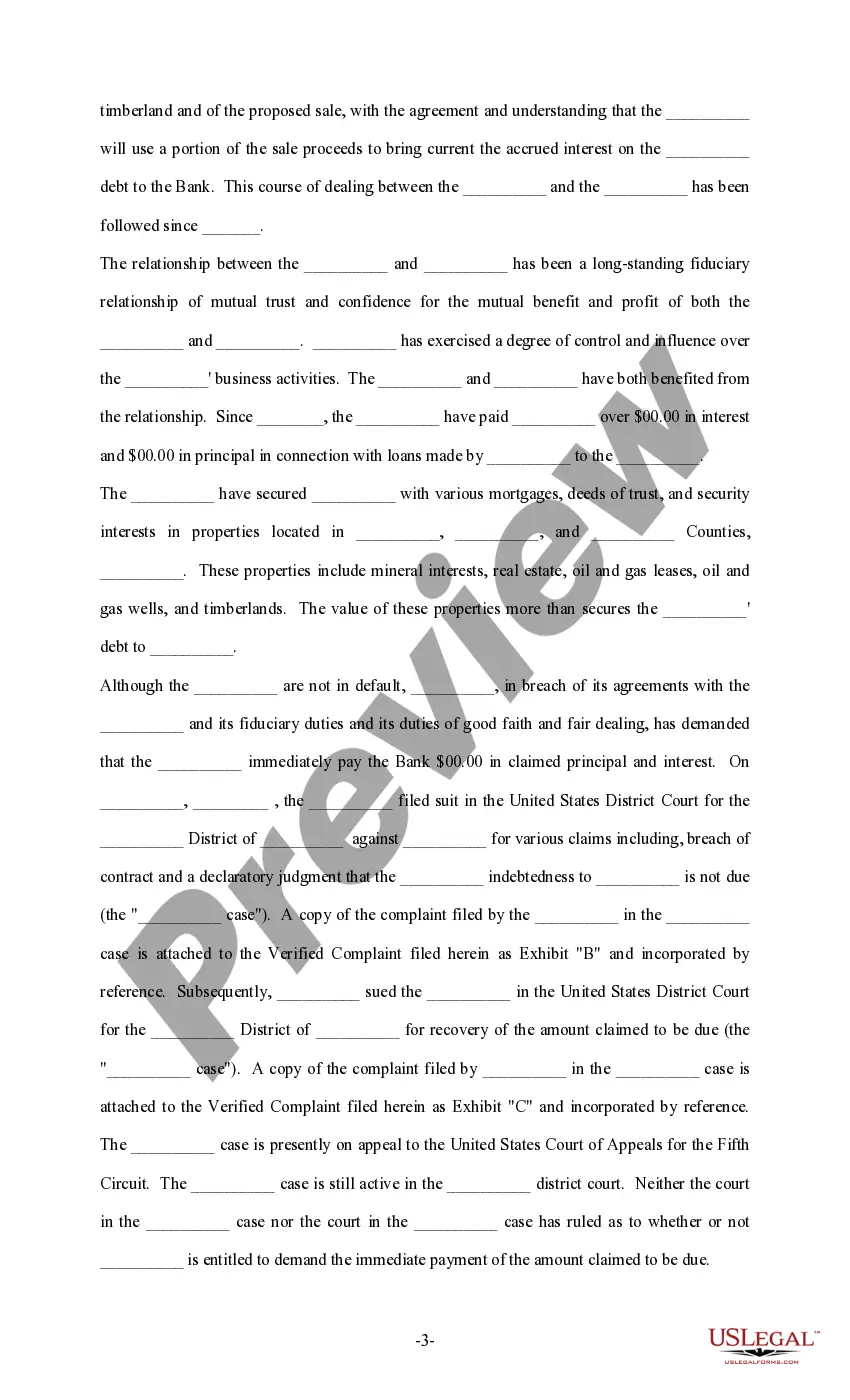
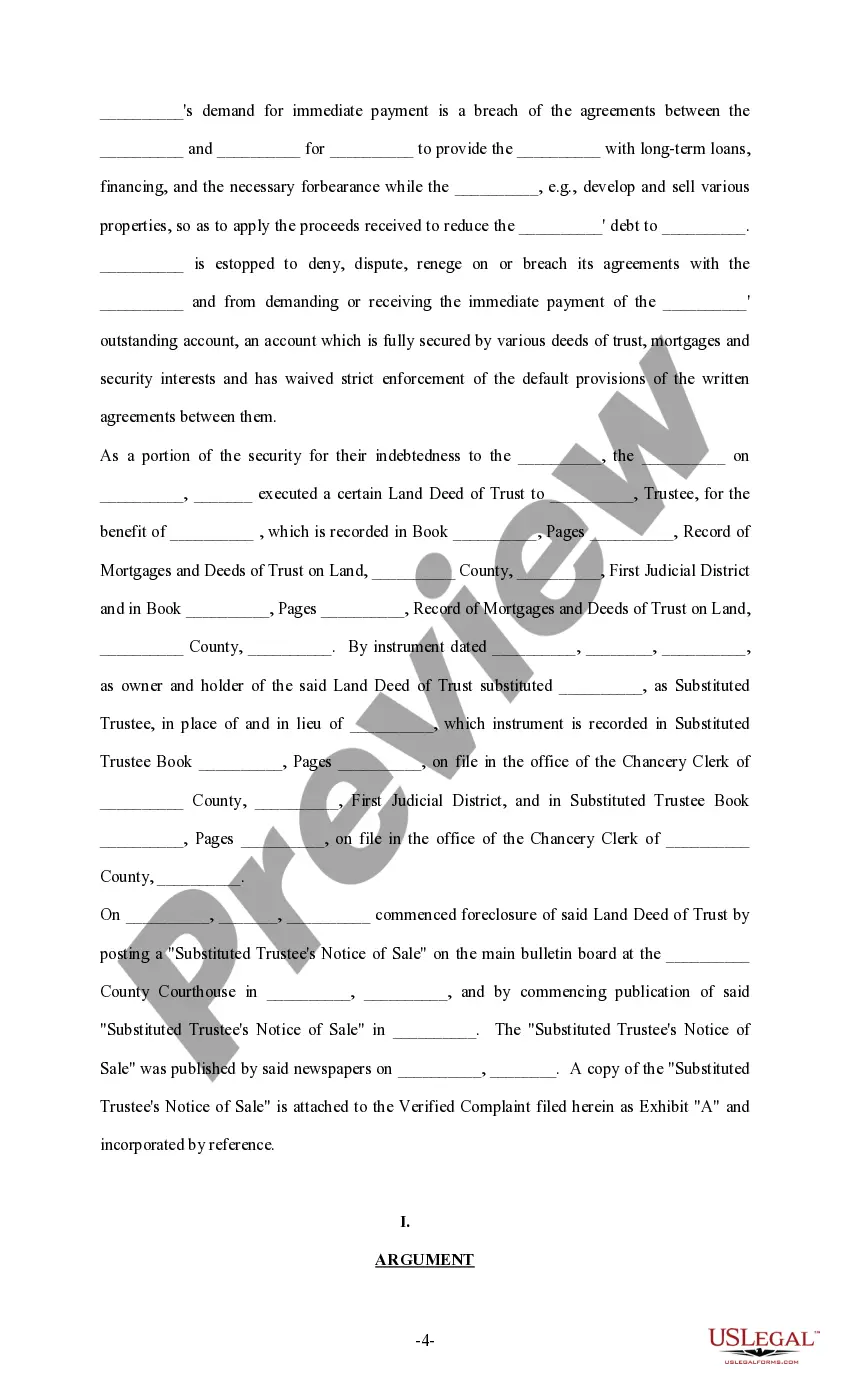
How to fill out Sample Brief - Injunction?
Whether for corporate purposes or for private matters, everyone must confront legal issues at some stage in their life.
Filling out legal documents demands meticulous attention, starting with selecting the appropriate form template.
With a vast US Legal Forms catalog available, you never need to waste time searching for the correct sample across the internet. Take advantage of the library’s straightforward navigation to find the suitable form for any scenario.
- Locate the sample you require by utilizing the search bar or catalog navigation.
- Review the form’s description to confirm it aligns with your circumstances, state, and county.
- Click on the form’s preview to inspect it.
- If it is the incorrect form, return to the search function to find the Attorney Brief Example For Case template you need.
- Obtain the template once it fulfills your requirements.
- If you already possess a US Legal Forms account, click Log in to retrieve previously saved documents in My documents.
- If you do not yet have an account, you can obtain the form by clicking Buy now.
- Select the appropriate pricing option.
- Fill out the profile registration form.
- Choose your method of payment: you can utilize a credit card or PayPal account.
- Select the file format you wish to download the Attorney Brief Example For Case.
- After it has downloaded, you can complete the form using editing software or print it and fill it out manually.
Form popularity
FAQ
Steps to briefing a case Select a useful case brief format. ... Use the right caption when naming the brief. ... Identify the case facts. ... Outline the procedural history. ... State the issues in question. ... State the holding in your words. ... Describe the court's rationale for each holding. ... Explain the final disposition.
Briefly summarize the facts of the case. Facts are the ?who, when, what, where, and why? of the case. Describe the history of the dispute, including the events that led to the lawsuit, the legal claims and defenses of each party, and what happened in the trial court.
Template of a case brief Name of case. Start by saying the name of the case at the top of your case brief?for example, Smith v. ... Parties. Identify the parties. ... Procedure. Identify the procedural posture of the case. ... Issue. Identify the legal issue that the opinion is addressing. ... Facts. ... Rule. ... Analysis/application. ... Holding.
Legal brief structure While there is no hard and fast rule about the structure of a brief, it should contain the following elements: Introduction to your position. Summary of the facts in the case. Arguments in support of your position with cited case law.
IRAC Method Briefing Cases - The IRAC Method. Outline of Steps. Facts - Write a brief synopsis of the case facts. Procedural History - Outline the history of the case. ... Issue - Identify the issue(s) of the case. Rule - List the relevant rule(s) of law that the court identifies.