Adverse Rights Within The United States
Description
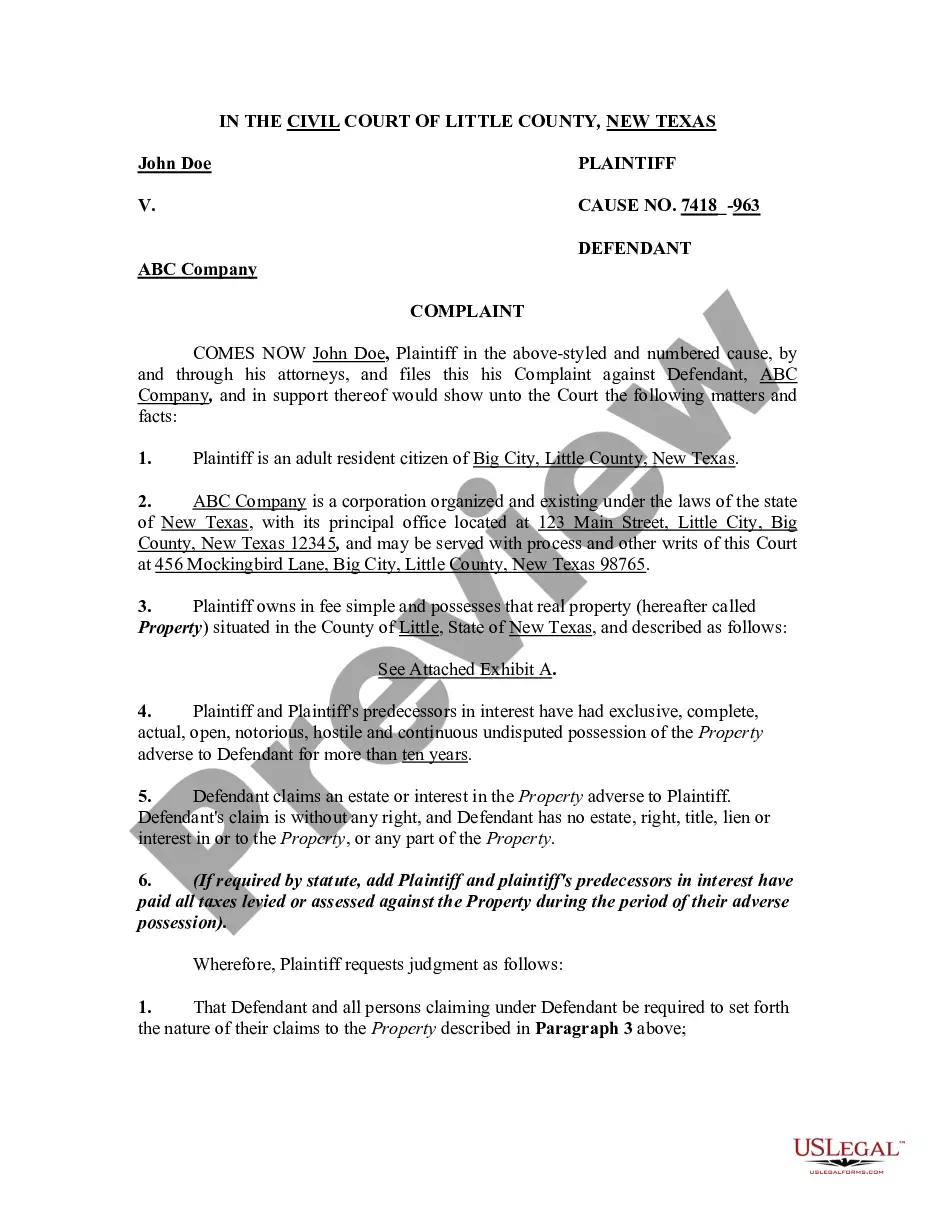
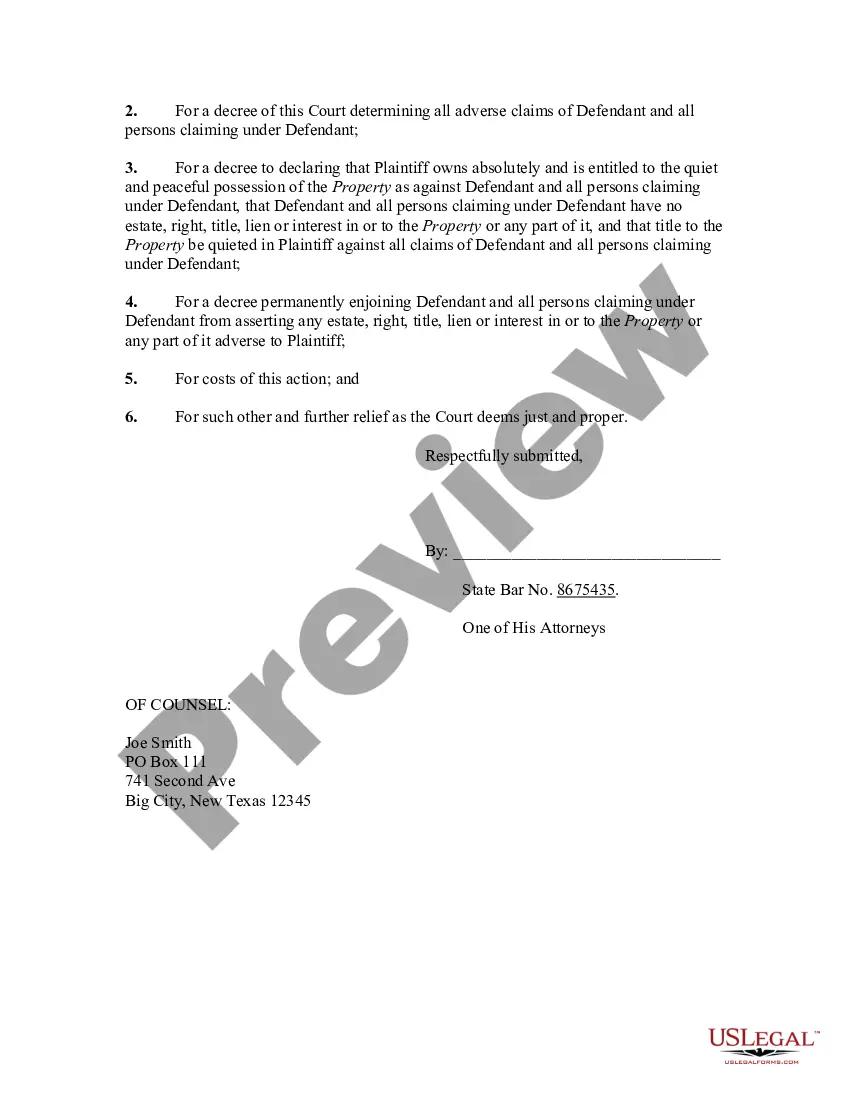
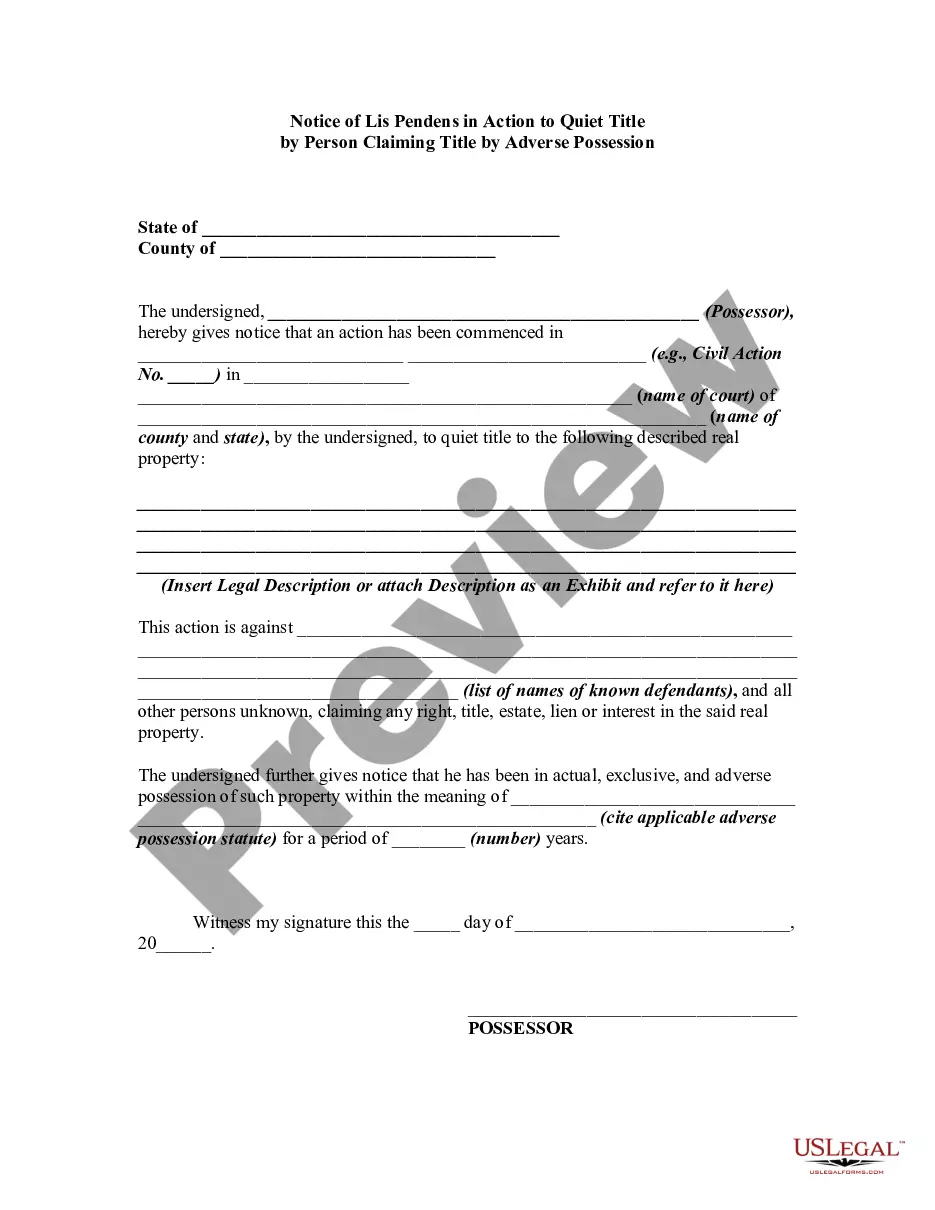
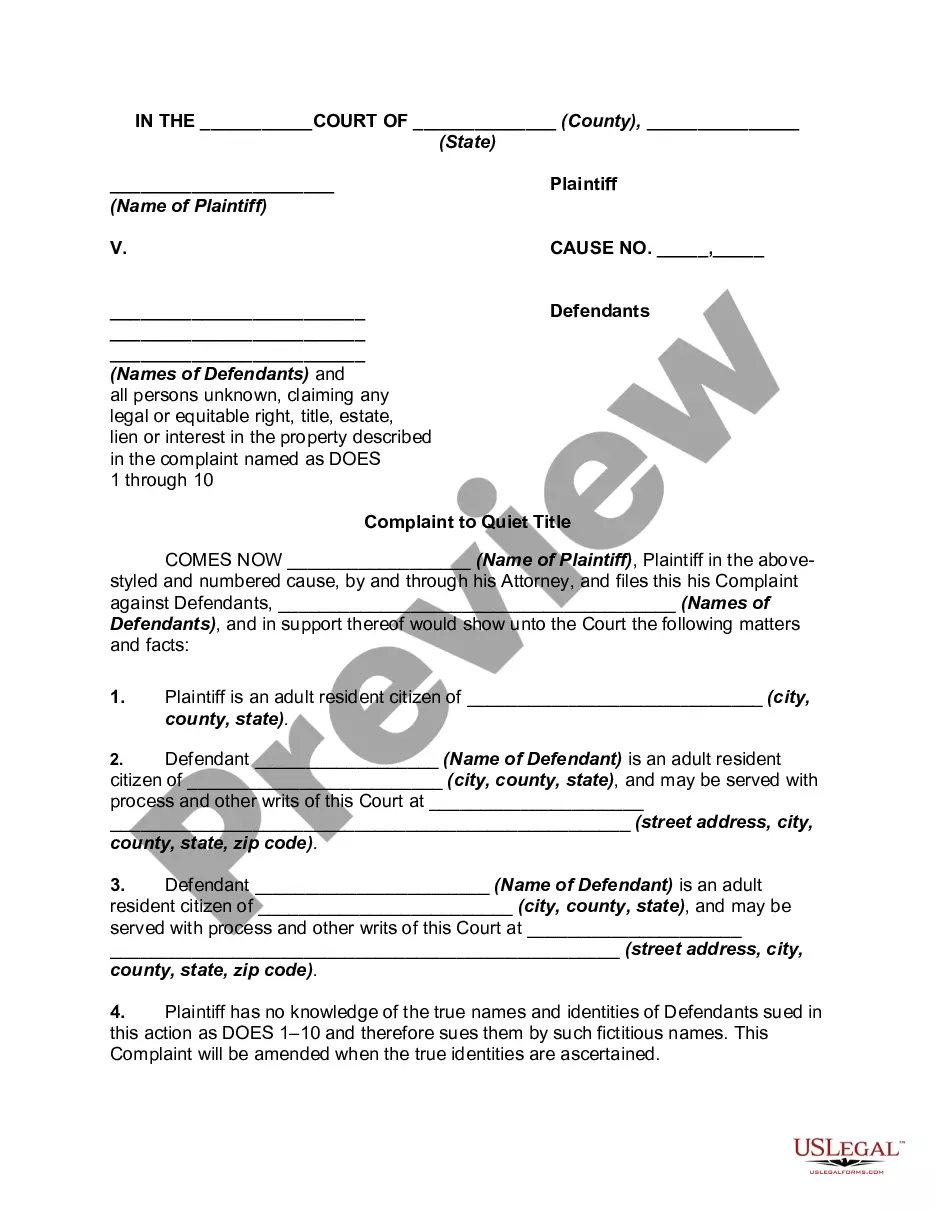
Get your form ready online
Our built-in tools help you complete, sign, share, and store your documents in one place.
Make edits, fill in missing information, and update formatting in US Legal Forms—just like you would in MS Word.
Download a copy, print it, send it by email, or mail it via USPS—whatever works best for your next step.
Sign and collect signatures with our SignNow integration. Send to multiple recipients, set reminders, and more. Go Premium to unlock E-Sign.
If this form requires notarization, complete it online through a secure video call—no need to meet a notary in person or wait for an appointment.
We protect your documents and personal data by following strict security and privacy standards.

Make edits, fill in missing information, and update formatting in US Legal Forms—just like you would in MS Word.

Download a copy, print it, send it by email, or mail it via USPS—whatever works best for your next step.

Sign and collect signatures with our SignNow integration. Send to multiple recipients, set reminders, and more. Go Premium to unlock E-Sign.

If this form requires notarization, complete it online through a secure video call—no need to meet a notary in person or wait for an appointment.

We protect your documents and personal data by following strict security and privacy standards.
Looking for another form?




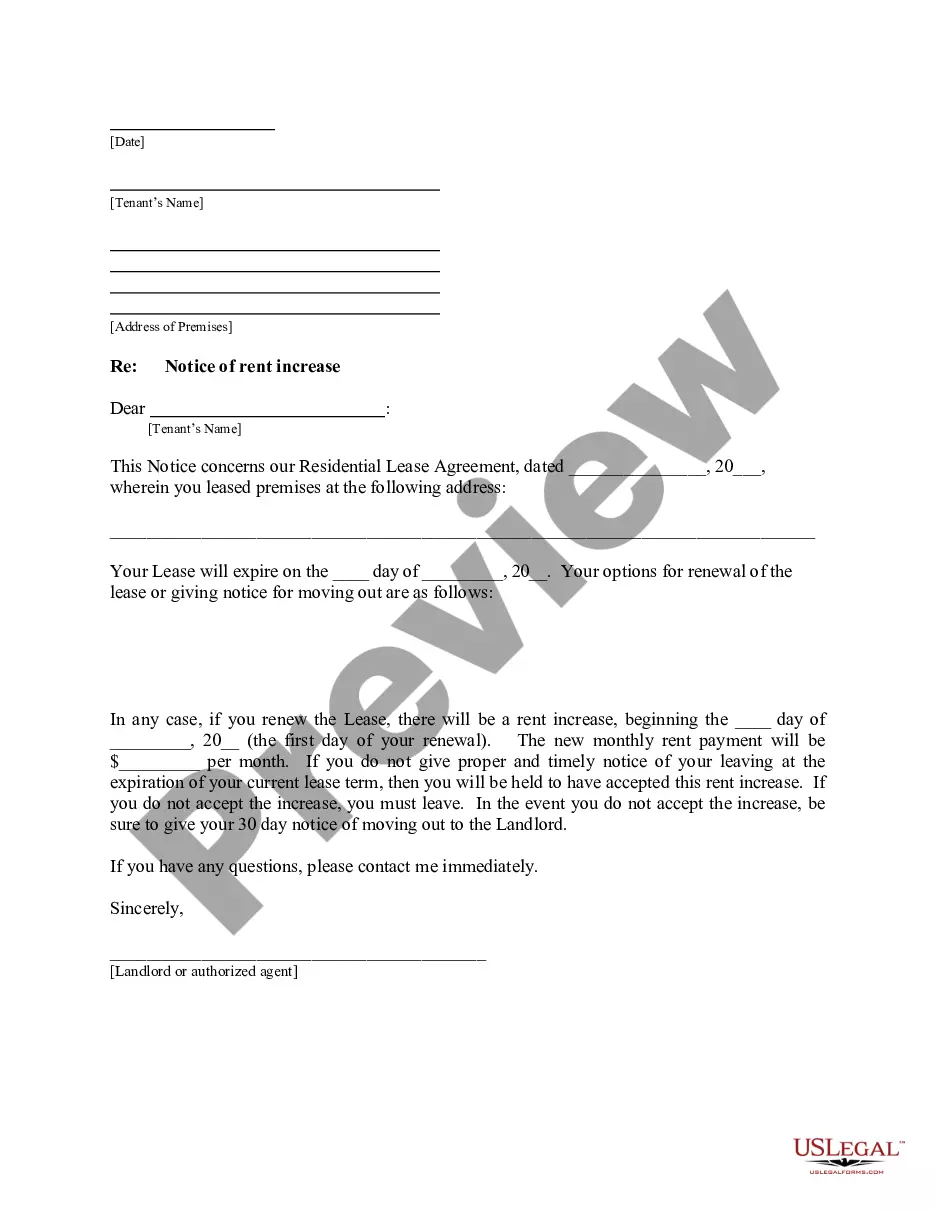
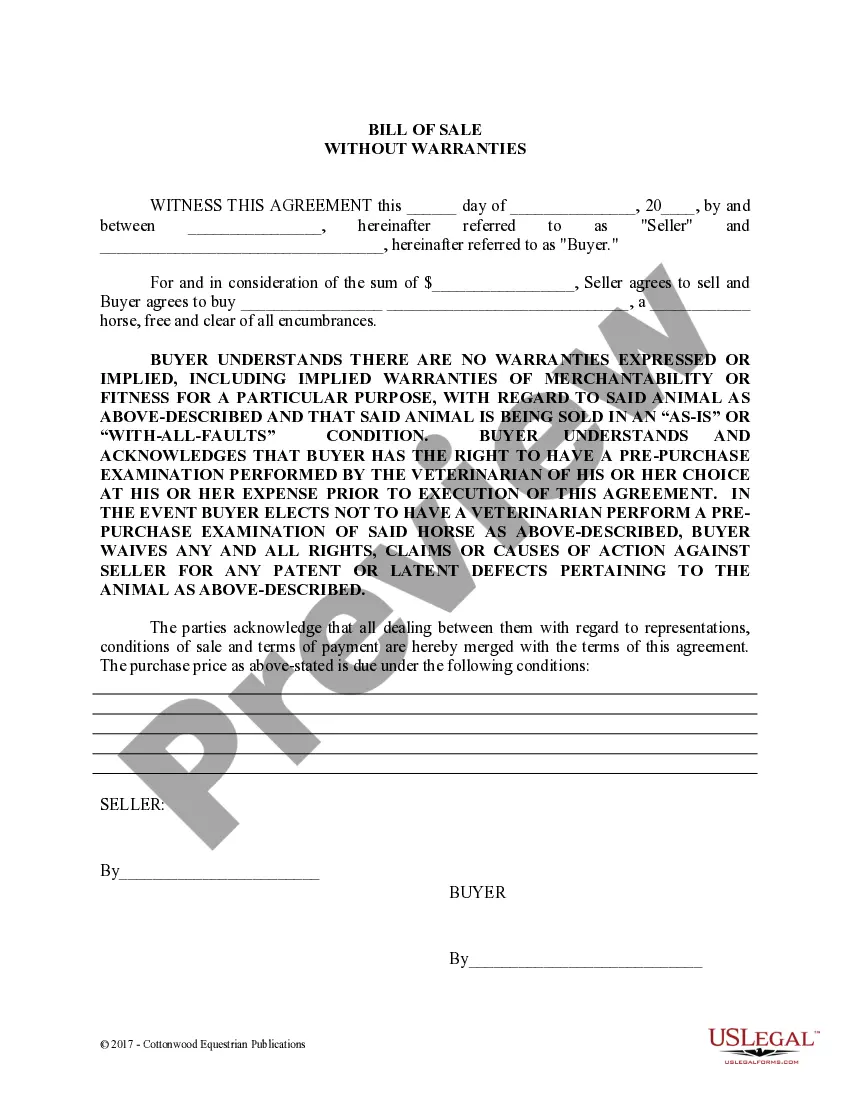
How to fill out Complaint To Quiet Title By Person Claiming Adverse Possession - Squatters Rights?
Obtaining a reliable source for accessing the latest and pertinent legal templates is a significant part of managing bureaucracy.
Identifying the correct legal documents necessitates precision and thoroughness, which is why it is essential to obtain examples of Adverse Rights Within The United States solely from trustworthy providers, such as US Legal Forms.
Eliminate the stress associated with your legal paperwork. Explore the extensive US Legal Forms catalog where you can discover legal templates, assess their applicability to your situation, and download them instantly.
- Leverage the catalog navigation or search option to find your document.
- Examine the form’s details to ensure it meets the stipulations of your state and county.
- Check the form preview, if available, to confirm the template is the one you need.
- Return to your search and look for the appropriate template if the Adverse Rights Within The United States does not fulfill your requirements.
- If you are confident about the form’s applicability, download it.
- As a registered user, click Log in to verify your identity and access your chosen forms in My documents.
- If you still lack an account, click Buy now to acquire the document.
- Select the pricing plan that aligns with your needs.
- Proceed to the registration to complete your transaction.
- Finalize your payment by choosing a method (credit card or PayPal).
- Choose the document format for downloading Adverse Rights Within The United States.
- Once the document is on your device, you can modify it using the editor or print it for manual completion.
Form popularity
FAQ
What are the key changes to Oregon's eviction laws in 2023? Starting March 29, 2023, the key changes to Oregon's eviction laws include: Termination Notices for nonpayment of rent must now give at least 10 days to pay. Renters have the option to pay overdue rent even after an eviction case has started.
The person you rent from is your landlord. Your landlord could be the owner, agent, property manager, tenant, lessor, or sublessor of the place that you're renting, or another person with the right to act for the owner. ORS 90.100(24).
Chapter 90 sets the rules your landlord must follow regarding your tenancy. Likewise, even though you consider yourself a homeowner, you also must comply with the limits that the law places on you in a park or marina. Which Laws Pertain to Me? ORS Chapter 90 deals in the laws for all residential tenancies.
Occupancy guidelines cannot require less than two persons per bedroom and must be reasonable. Reasonableness is determined on a case-by-case basis, but factors to be considered include the size of the bedrooms and the overall size of the dwelling unit. Occupancy guidelines cannot be discriminatory.
Under the new laws, renters have important rights that can help protect from eviction because of nonpayment of rent, fees, or other money owed to a landlord. These new rights include: Termination notices for nonpayment of rent must give at least 10 days for renters to pay the late rent and stay in their homes.
Oregon Revised Statutes (ORS) are laws enacted by the legislature to provide policy, mandates and permissive laws.
Time Limit Warning/Statute of Limitations Most lawsuits related to rental agreements, or the Landlord and Tenant Act, must be filed (started in court) within one year. The time limits under fair housing law may be longer.
?The gist of Oregon law 90.453 is that you can give your landlord a termination notice that says, 'Hey, I've been a victim of domestic violence, and I'm giving you my notice that in 14 days, that's going to be the end of my tenancy here, and I'm not going to have any further obligations to you in terms of being an ...