Order For Default
Description
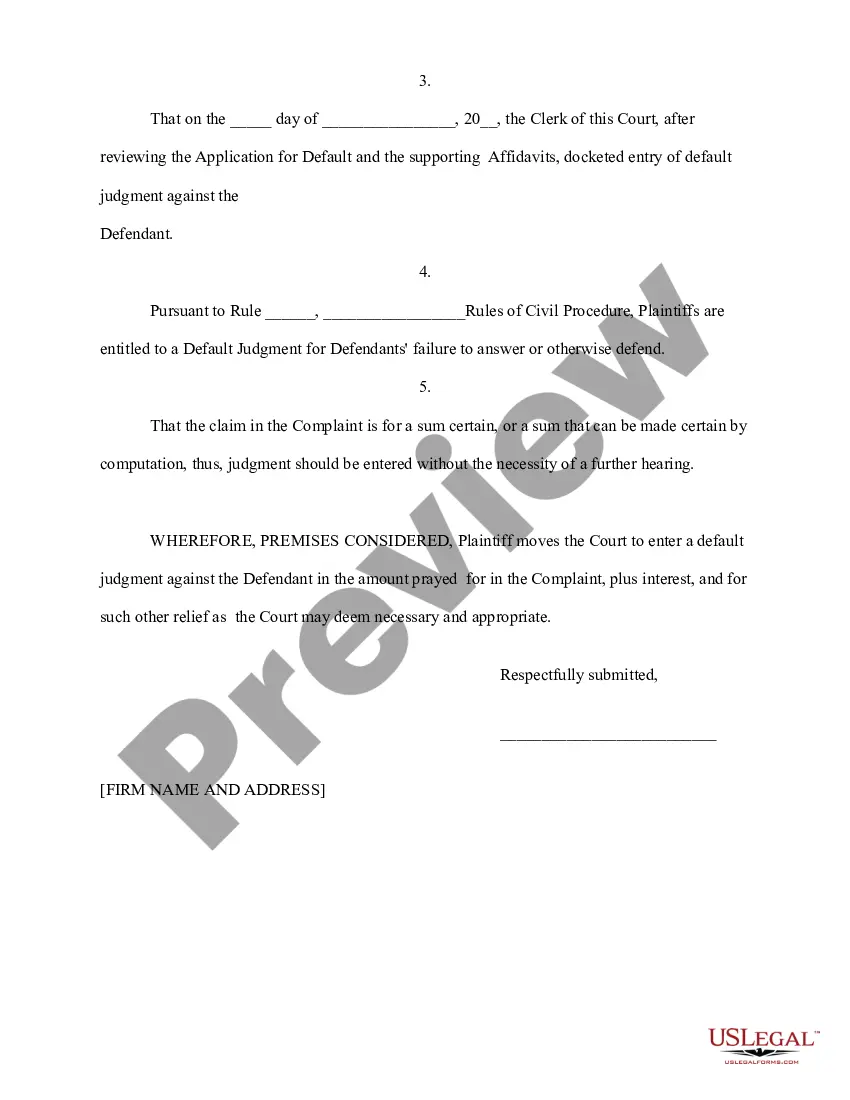
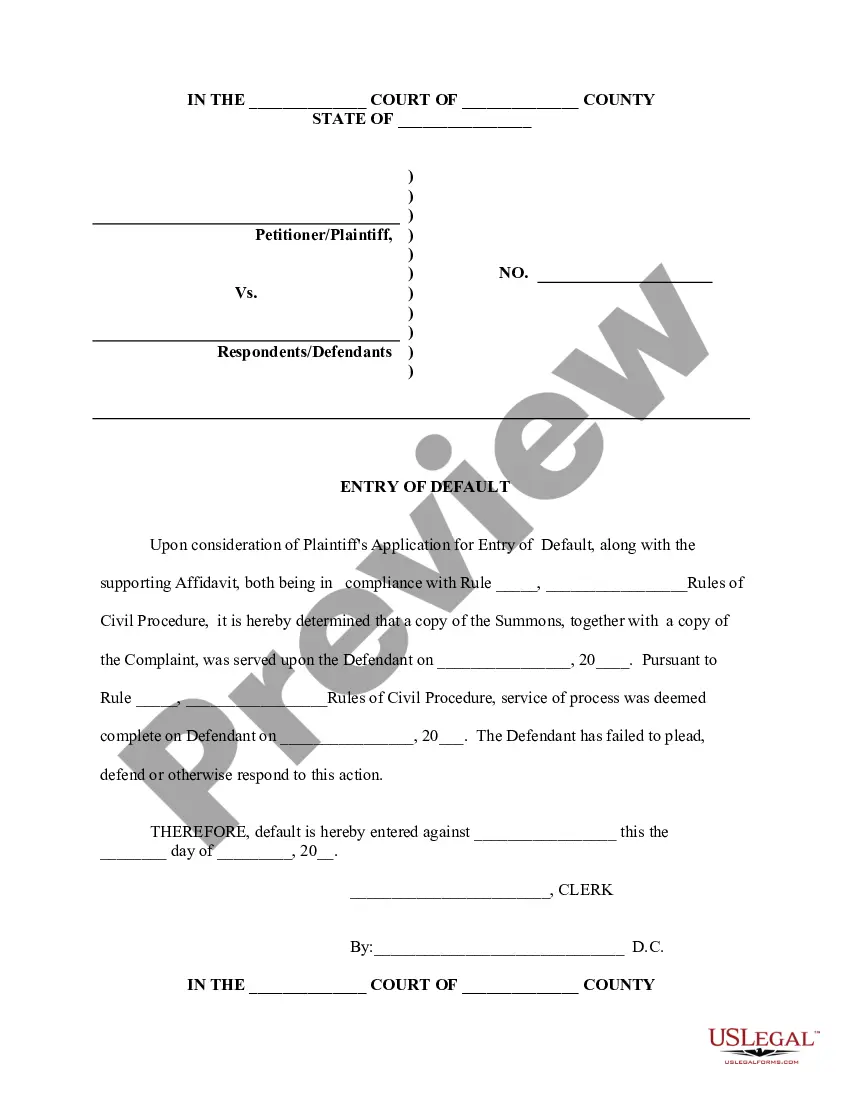
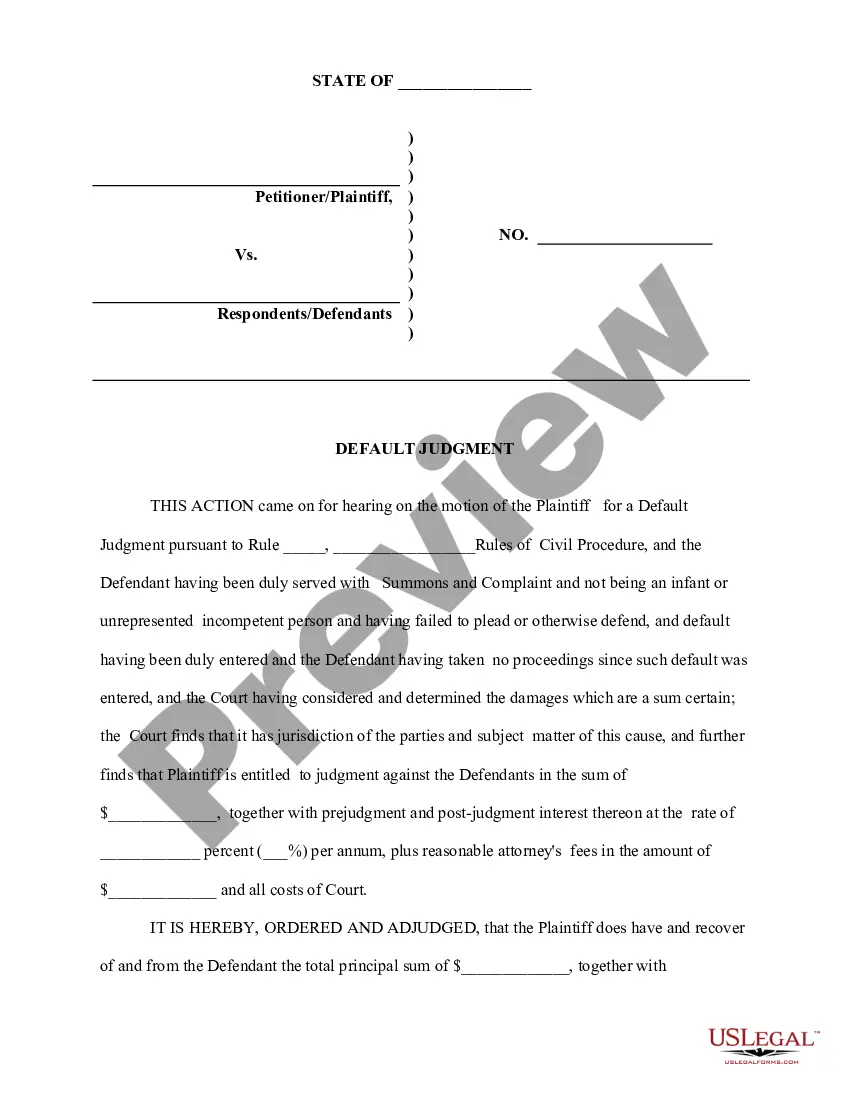
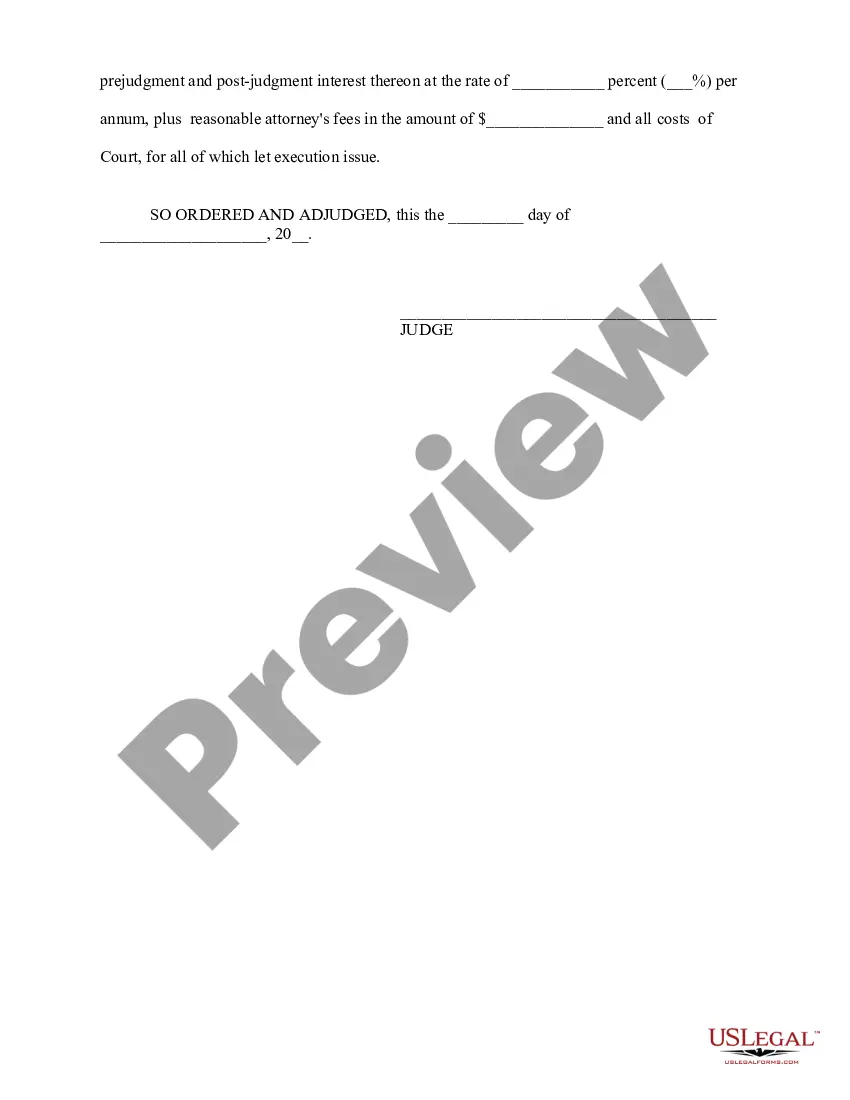
Get your form ready online
Our built-in tools help you complete, sign, share, and store your documents in one place.
Make edits, fill in missing information, and update formatting in US Legal Forms—just like you would in MS Word.
Download a copy, print it, send it by email, or mail it via USPS—whatever works best for your next step.
Sign and collect signatures with our SignNow integration. Send to multiple recipients, set reminders, and more. Go Premium to unlock E-Sign.
If this form requires notarization, complete it online through a secure video call—no need to meet a notary in person or wait for an appointment.
We protect your documents and personal data by following strict security and privacy standards.

Make edits, fill in missing information, and update formatting in US Legal Forms—just like you would in MS Word.

Download a copy, print it, send it by email, or mail it via USPS—whatever works best for your next step.

Sign and collect signatures with our SignNow integration. Send to multiple recipients, set reminders, and more. Go Premium to unlock E-Sign.

If this form requires notarization, complete it online through a secure video call—no need to meet a notary in person or wait for an appointment.

We protect your documents and personal data by following strict security and privacy standards.
Looking for another form?
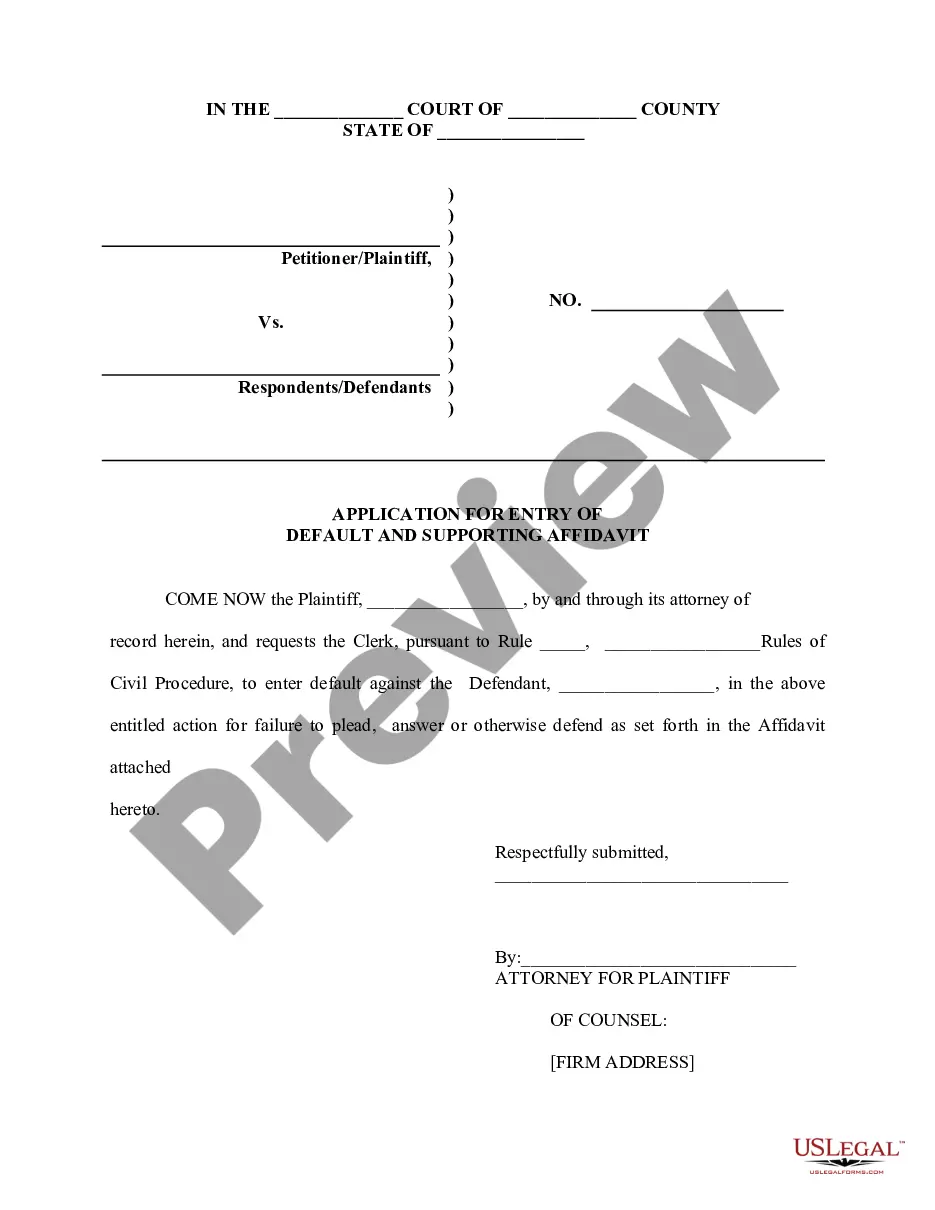
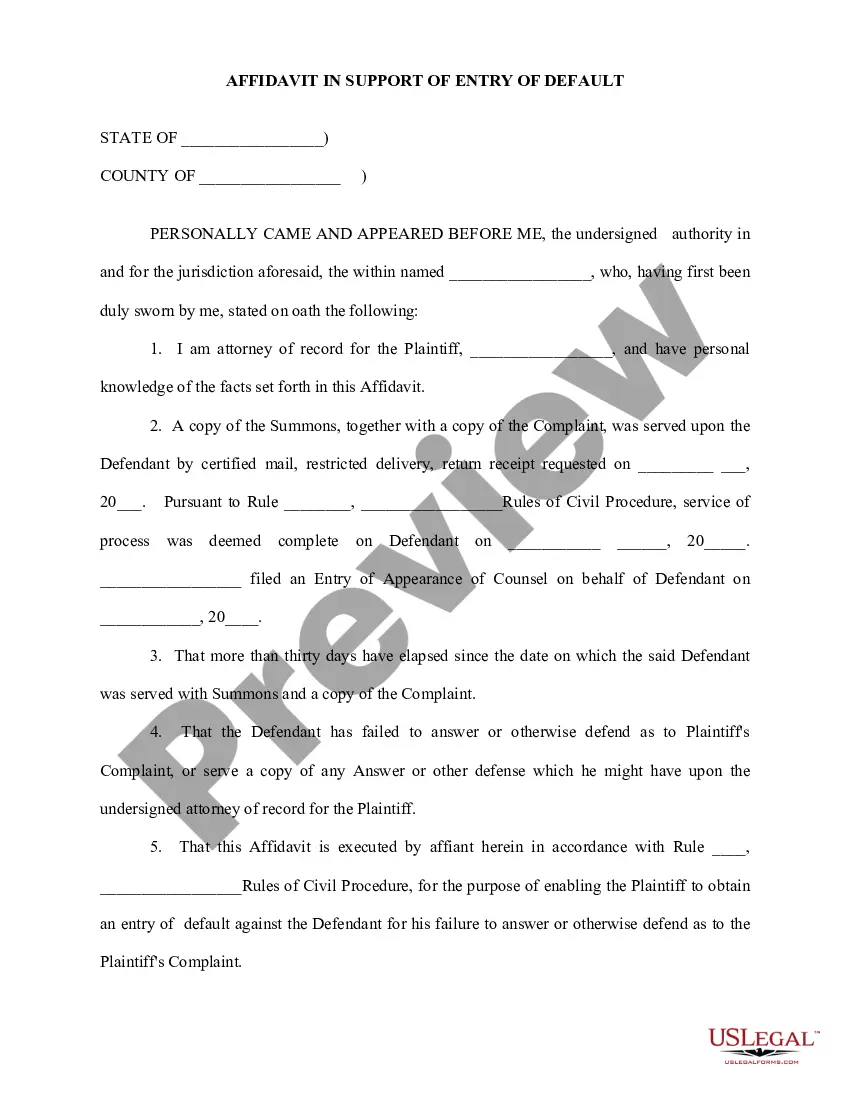
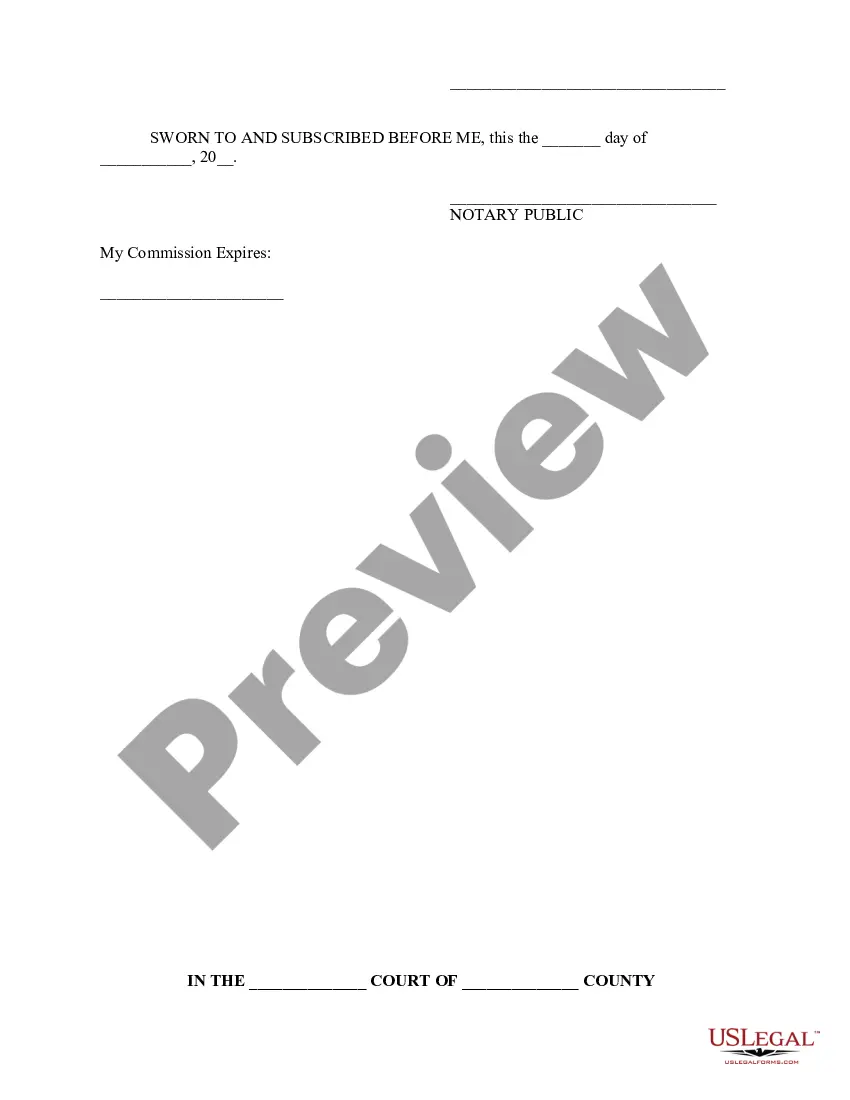
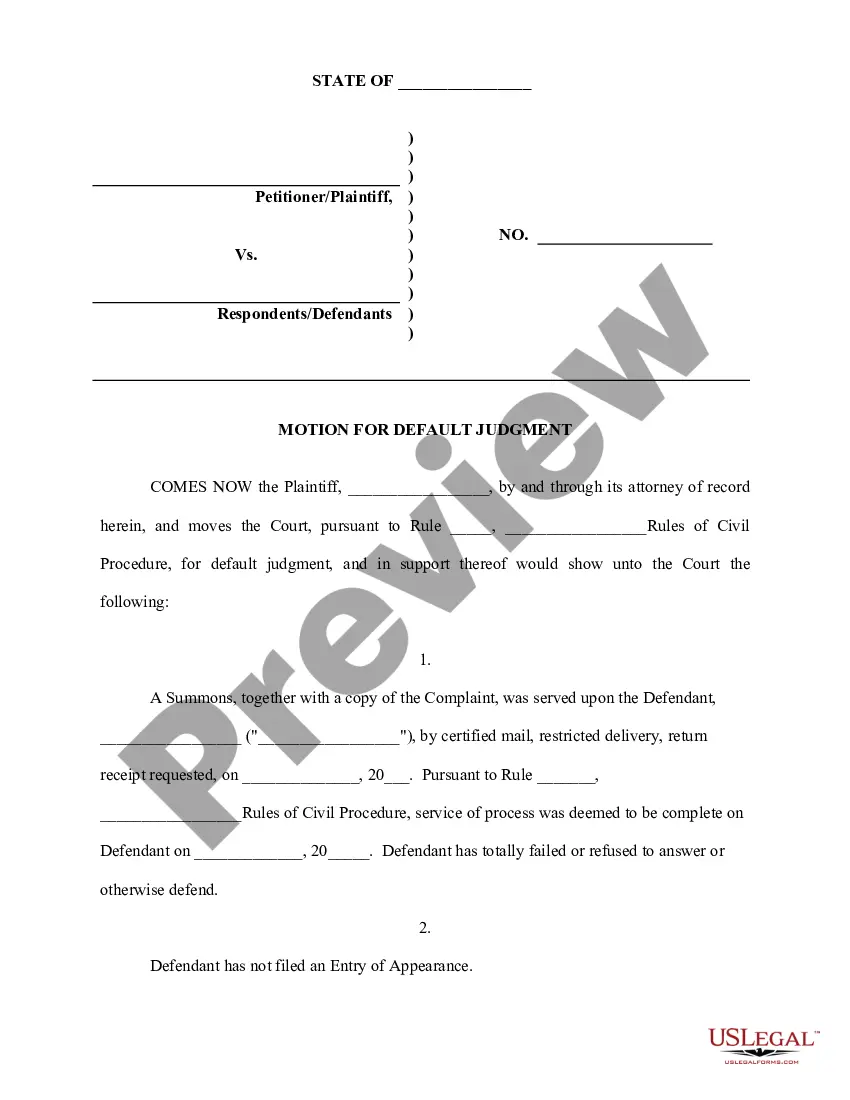
How to fill out Application For Entry Of Default - Affidavit - Motion - Entry Of Default - Default Judgment?
Managing legal papers and processes can be a lengthy addition to your schedule.
Order For Default and similar forms typically necessitate you to search for them and grasp the optimal approach to fill them out correctly.
Consequently, whether you are addressing financial, legal, or personal issues, having a thorough and straightforward online library of forms at your disposal will be immensely helpful.
US Legal Forms is the leading online platform for legal templates, featuring over 85,000 state-specific documents and various resources to help you complete your paperwork effortlessly.
Simply Log In to your account, locate Order For Default, and obtain it instantly from the My documents section. You can also access previously downloaded forms.
- Explore the collection of relevant documents accessible to you with just a single click.
- US Legal Forms provides you with state- and county-specific forms available for download at any time.
- Protect your document management processes by utilizing a superior service that allows you to prepare any form within minutes with no extra or hidden fees.
Form popularity
FAQ
In a transactional context, 'default' indicates that a customer has failed to fulfill a requirement, such as making a payment or meeting a deadline. When default occurs, it may lead to penalties or cancellation of the order. Understanding these terms clearly can help you make informed decisions and avoid pitfalls in transactions. If you ever face challenges with legal terminology like order for default, our resources at US Legal Forms can clarify these concepts.
Withdrawing a default judgment requires a formal request to the court, demonstrating valid reasons for your absence during the initial proceedings. It's a process that may involve showing evidence or filing specific legal documents. Knowing how to navigate this process is important to reclaim your standing in court. You can find support and guidance through platforms like uslegalforms.
A default judgment is a serious legal consequence for the party that fails to respond to a lawsuit. When a default judgment is issued, it means that the court has ruled against them, often resulting in financial obligations or other penalties. Therefore, recognizing the seriousness of a default judgment is essential to ensure you take appropriate action. If you need assistance, resources from uslegalforms can help clarify your options.
The term 'default' on orders signifies a situation where a party does not participate or respond to legal proceedings. This absence can lead to a default order, where the court may decide in favor of the other party. Understanding what default means can help you navigate your legal obligations more effectively. Consider using uslegalforms to explore resources regarding default orders.
To secure a default judgment, a plaintiff must present convincing evidence that supports their claims against the defendant. This evidence may consist of relevant documents, affidavits, or testimony that substantiates the amount owed. Ensuring thorough documentation will strengthen your request for an order for default and increase your chances of success.
Evidence for a default judgment typically includes proof of service and documentation establishing the plaintiff's claims. This could range from contracts to invoices that demonstrate the defendant's liability. Providing clear and convincing evidence is essential to support the order for default, as courts require strong justification for granting such judgments.
Rule 12 of the Federal Rules of Civil Procedure outlines the procedures for a defendant's response to a complaint, including motions for default judgment. It indicates that a defendant can respond to a complaint within a specific timeframe or risk a judgment by default. Understanding this rule is crucial when considering filing an order for default.
A default judgment may be denied for several reasons. If the defendant can show valid reasons for their absence or if they did not receive proper notice of the lawsuit, courts may rule against default. Additionally, if the plaintiff fails to provide sufficient evidence to support their request for a default judgment, the court may dismiss the order for default.