Input With Default Value Python
Description
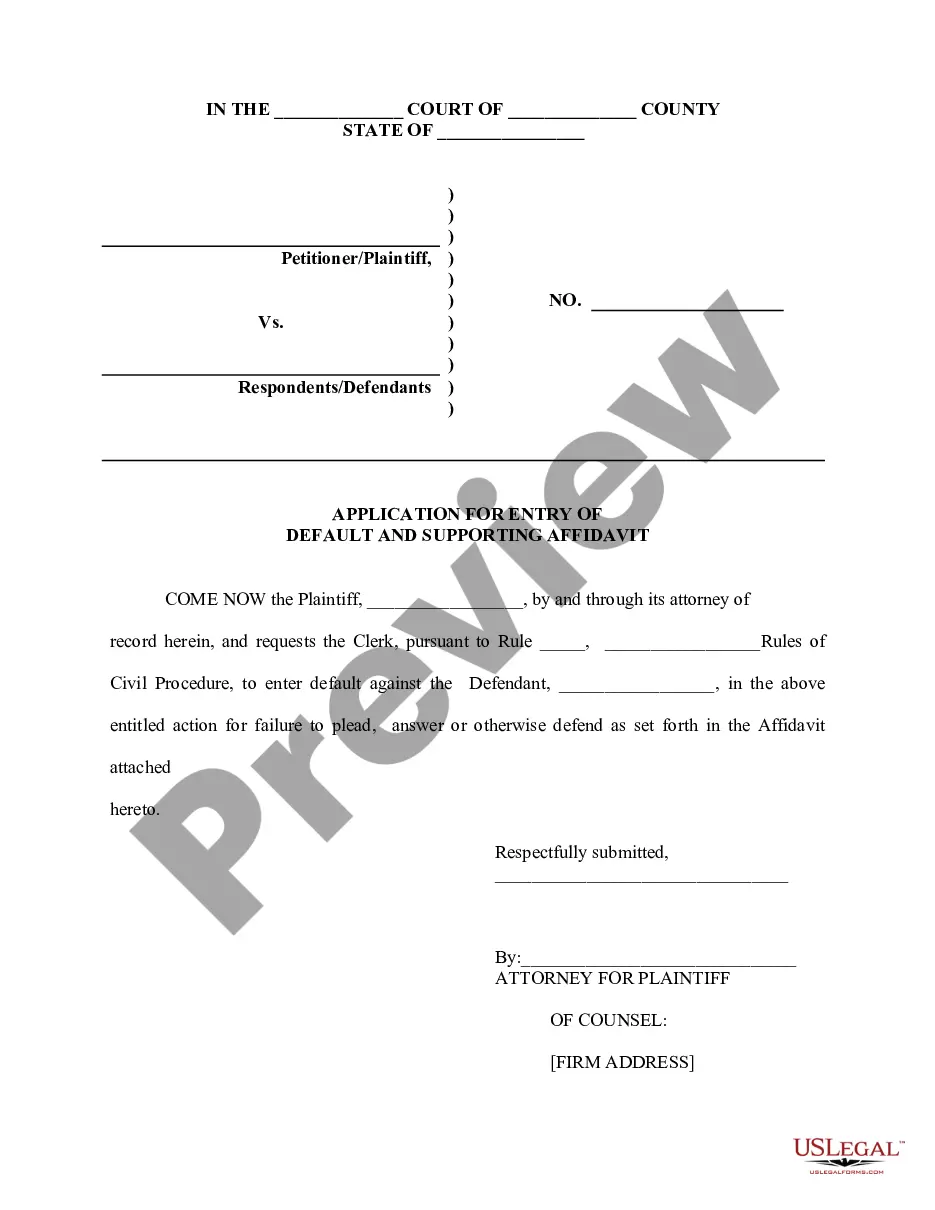
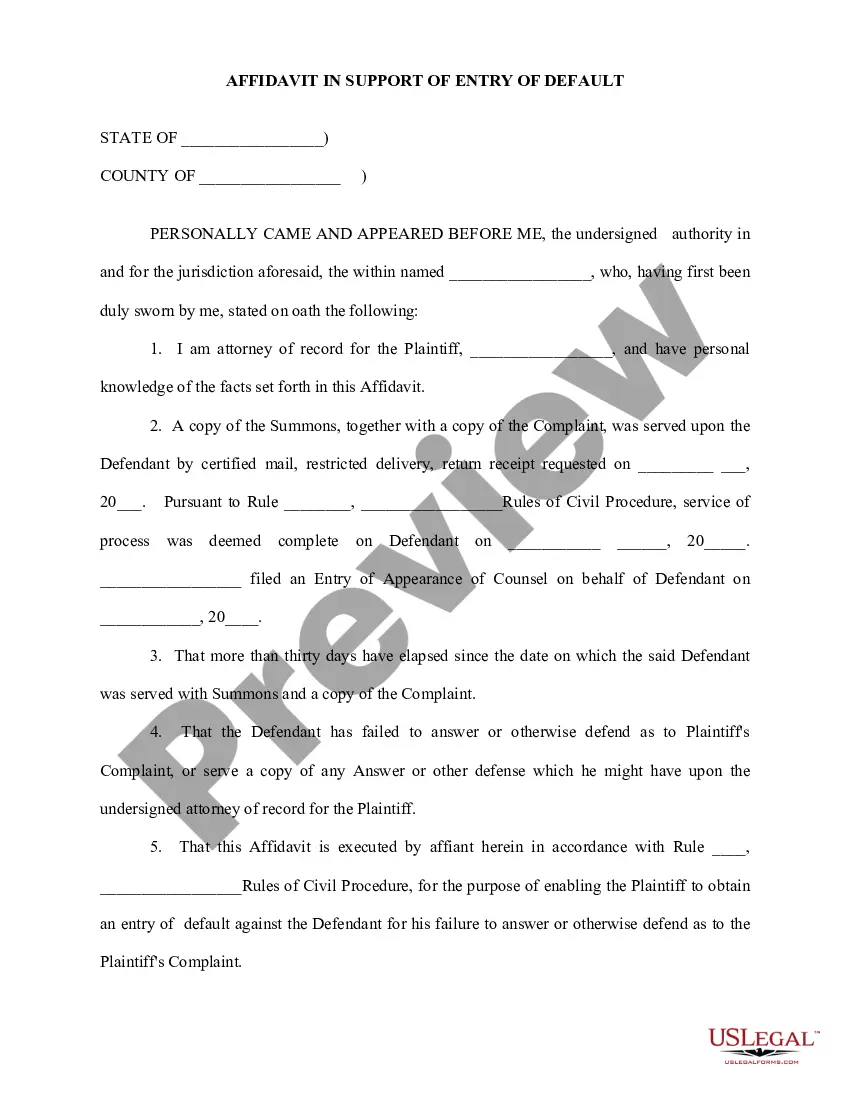
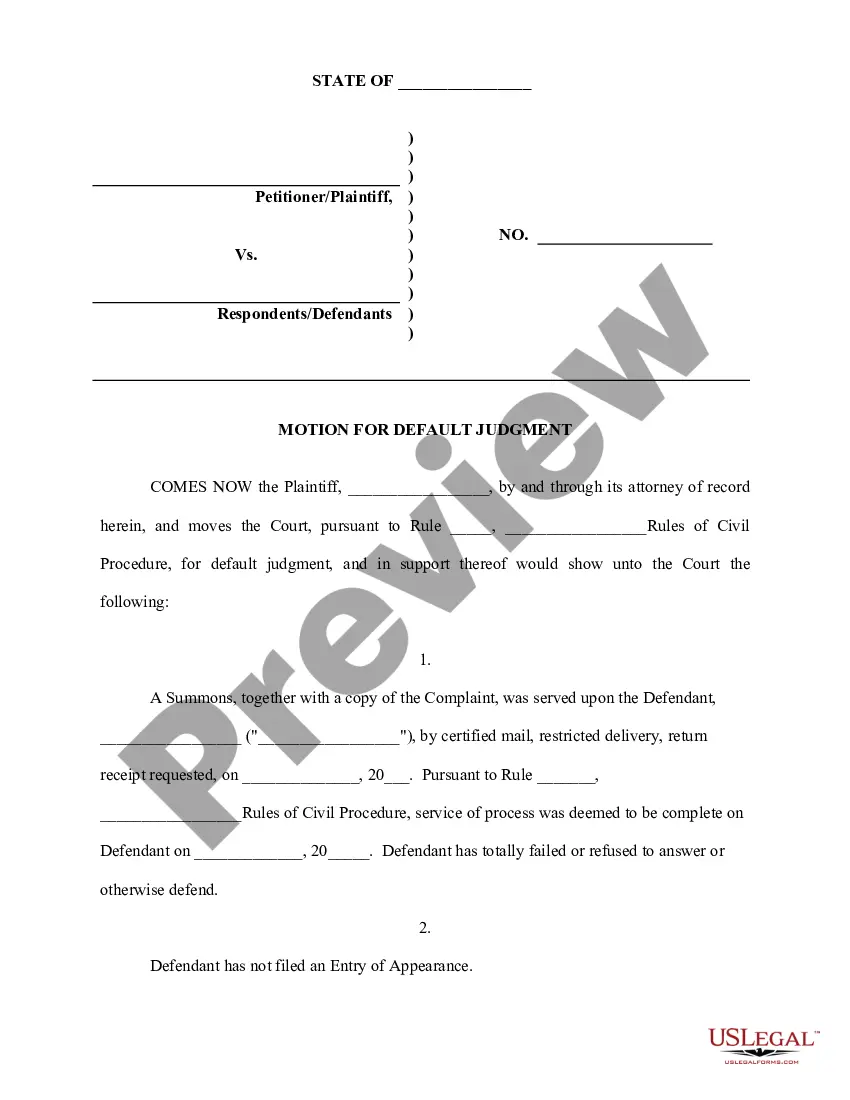
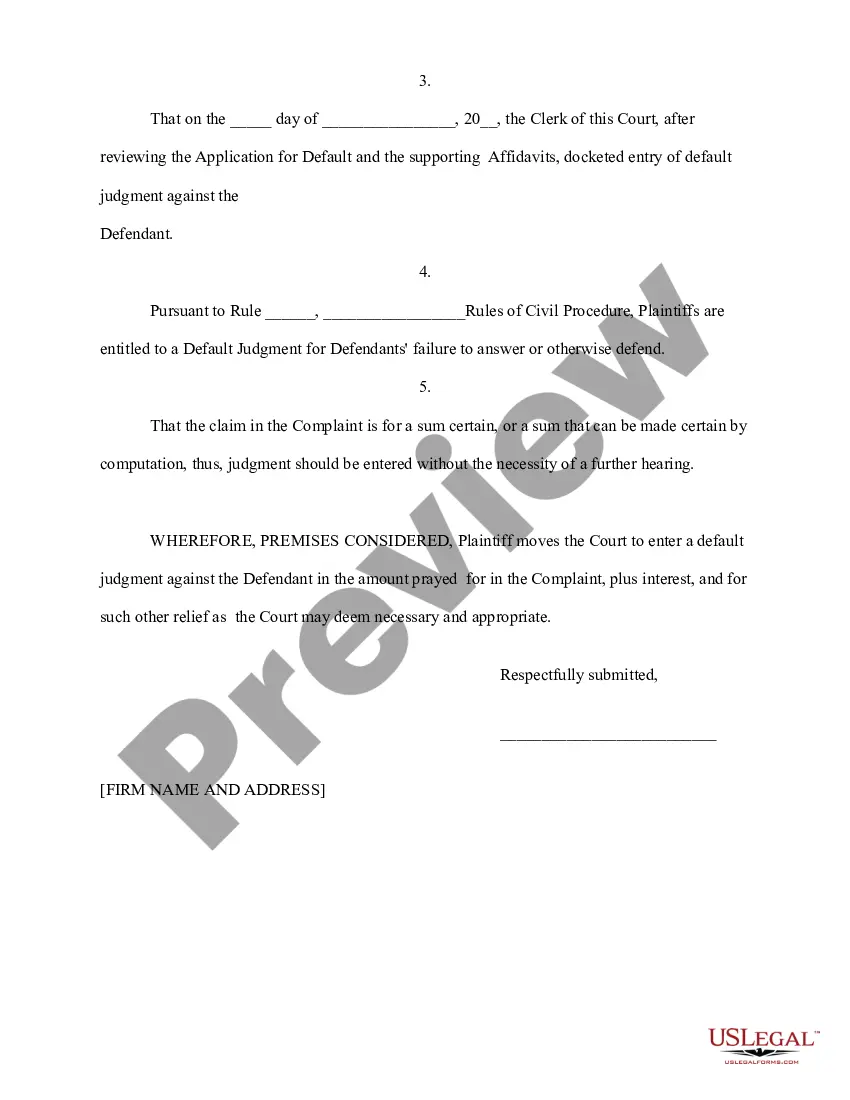
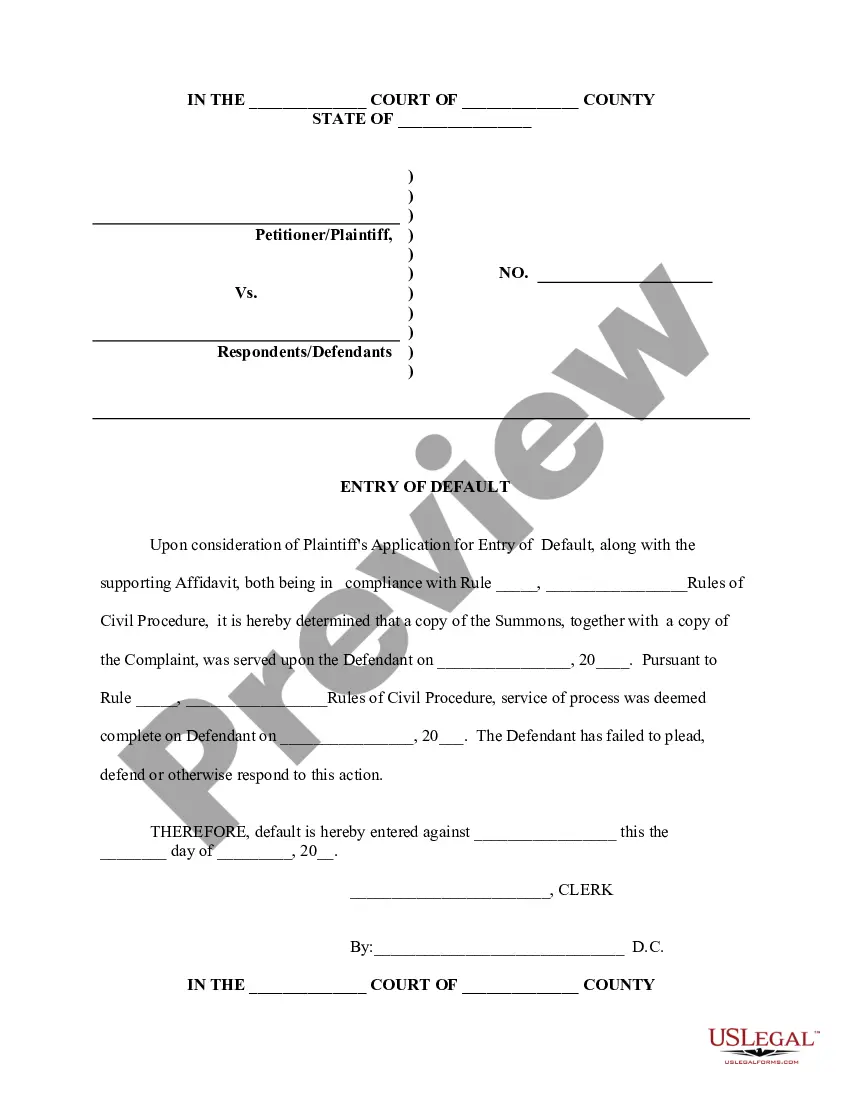
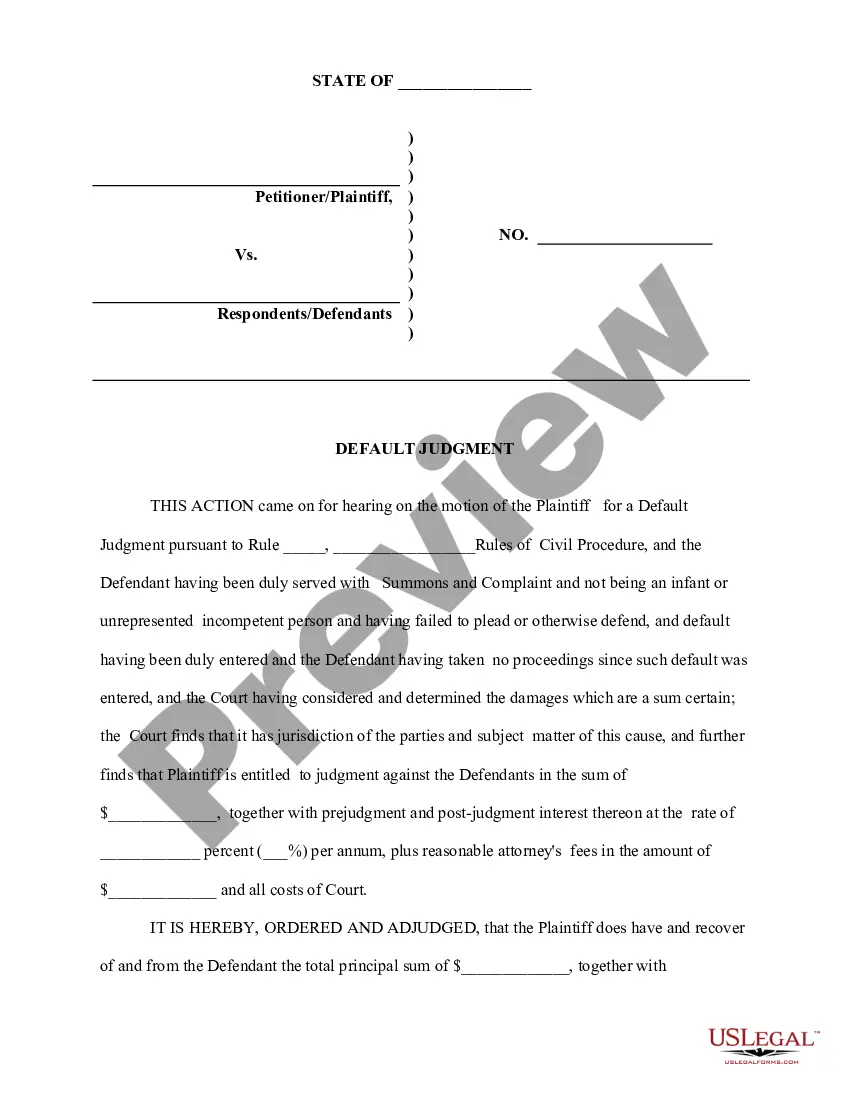
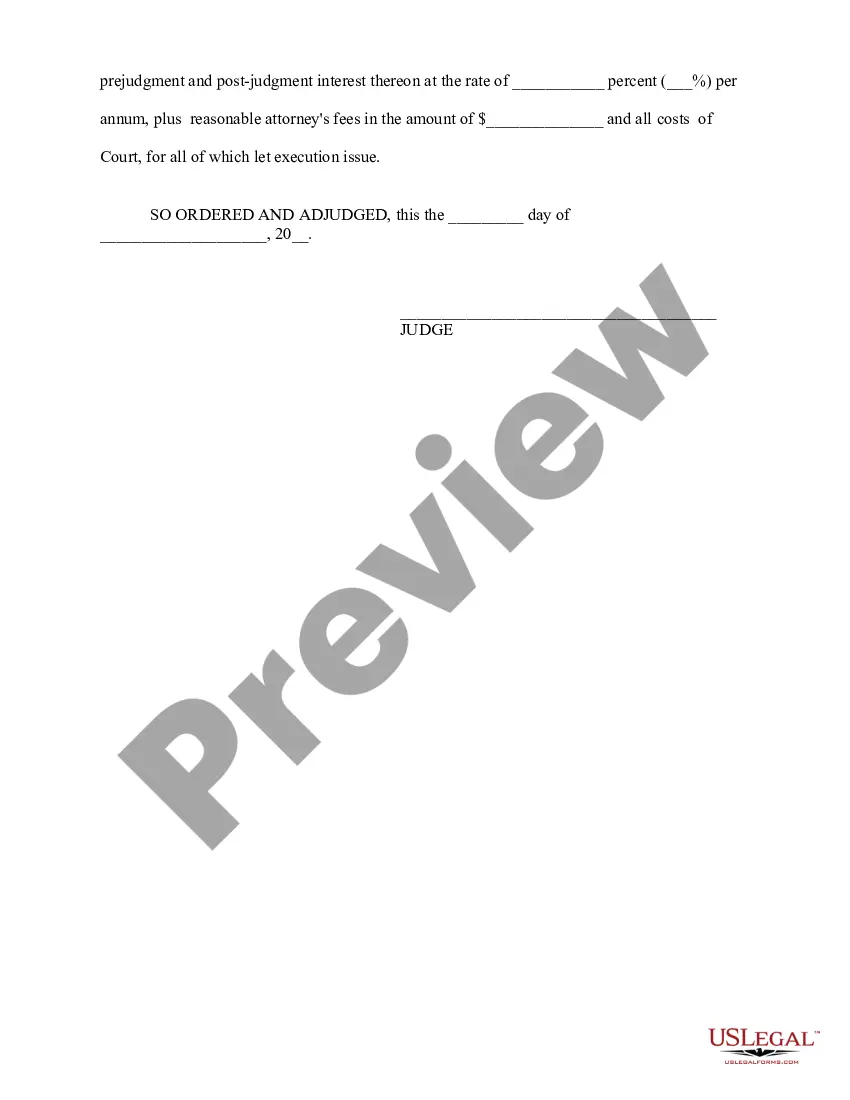

How to fill out Application For Entry Of Default - Affidavit - Motion - Entry Of Default - Default Judgment?
Whether for corporate reasons or personal issues, everyone must navigate legal circumstances at some stage in their lives.
Completing legal documentation necessitates meticulous care, beginning with selecting the correct form template.
With an extensive US Legal Forms catalog available, you don’t have to waste time searching for the right sample online. Use the library’s simple navigation to locate the appropriate form for any situation.
- For instance, if you select an incorrect version of a Input With Default Value Python, it will be rejected once you submit it.
- Thus, it is essential to find a reliable source for legal documents such as US Legal Forms.
- If you wish to acquire a Input With Default Value Python template, follow these straightforward steps.
- 1. Obtain the sample you need by using the search bar or catalog browsing.
- 2. Review the form’s description to confirm it suits your case, state, and area.
- 3. Click on the form’s preview to examine it.
- 4. If it is the wrong form, return to the search feature to find the Input With Default Value Python template you need.
- 5. Download the file when it aligns with your needs.
- 6. If you already possess a US Legal Forms account, simply click Log in to retrieve previously saved documents in My documents.
- 7. If you don’t have an account yet, you can acquire the form by selecting Buy now.
- 8. Choose the suitable pricing option.
- 9. Complete the profile registration form.
- 10. Select your payment method: you can utilize a credit card or PayPal account.
- 11. Choose the file format you desire and download the Input With Default Value Python.
- 12. Once saved, you can complete the form using editing software or print it and finalize it manually.
Form popularity
FAQ
To give default parameters in Python, you can define your function with parameters assigned default values. For example, 'def example_function(param1='default_value')' allows 'param1' to have a default value when no argument is provided. This technique makes your functions more versatile and user-friendly, as it accommodates various use cases. By leveraging default parameters, you can simplify function calls and enhance code readability.
By default, Python takes input as a string when you use the input() function. This means that any information entered by the user will be treated as a sequence of characters. If you need to perform calculations or other operations requiring numerical data, you must convert the input string to the appropriate type. Recognizing this default behavior is crucial for ensuring that your application processes user input correctly.
To set a default value in an HTML input tag, you can use the 'value' attribute within your input element. For example, <input type='text' value='default_value'> will display 'default_value' in the input box when the page loads. This feature enhances user experience by pre-filling fields, reducing the effort needed for form completion. By integrating such practices, you can create more user-friendly web applications.
Setting default input in Python involves creating a function that accepts parameters with default values. You can define a function like 'def my_function(param1='default_value')' to ensure that if no argument is provided, the function uses the default value. This approach streamlines your code, making it flexible and user-friendly. Implementing default parameters allows users to have a seamless experience when interacting with your Python applications.
The default input type in Python is a string, as the input() function automatically converts user input into a string format. This means that even if a user enters numeric values, Python will treat them as strings. To handle numeric computations, you must explicitly convert the input string into an integer or float. By understanding the default input type, you can better manage user interactions and data processing in your Python applications.
In Python, the syntax : : is typically used to specify slicing in lists and other iterable data structures. It allows you to select a range of elements, enabling you to extract specific portions of data. For instance, 'my_liststart:end:step' allows you to define the start index, end index, and step size for slicing. This feature is particularly useful when you want to work with subsets of data or manipulate collections effectively.
To provide default input in Python, you can use the input() function with a prompt that indicates the default option. For example, you can display a message like 'Enter your name (default: John):'. If the user simply presses Enter, you can assign a default value to the variable. This technique allows you to enhance user experience by offering a predefined input while still giving users the flexibility to customize their responses.
The input() function in Python returns a string data type by default. This means that any input you receive from the user will be treated as text, regardless of whether the user enters numbers or other characters. If you need to work with different data types, you can convert the string to the desired type using functions like int() or float(). Understanding this behavior is essential for effectively managing user input with default value python.
To pass a default parameter in Python, you simply assign a value to the parameter in the function definition. This means that if you call the function without providing that specific argument, Python will use the default value you set. For example, in your function definition, you can write 'def my_function(param=default_value):'. This feature allows you to create more flexible functions, making it easier for users to provide input with default value python.