Input With Default Value Angular
Description
Get your form ready online
Our built-in tools help you complete, sign, share, and store your documents in one place.
Make edits, fill in missing information, and update formatting in US Legal Forms—just like you would in MS Word.
Download a copy, print it, send it by email, or mail it via USPS—whatever works best for your next step.
Sign and collect signatures with our SignNow integration. Send to multiple recipients, set reminders, and more. Go Premium to unlock E-Sign.
If this form requires notarization, complete it online through a secure video call—no need to meet a notary in person or wait for an appointment.
We protect your documents and personal data by following strict security and privacy standards.

Make edits, fill in missing information, and update formatting in US Legal Forms—just like you would in MS Word.

Download a copy, print it, send it by email, or mail it via USPS—whatever works best for your next step.

Sign and collect signatures with our SignNow integration. Send to multiple recipients, set reminders, and more. Go Premium to unlock E-Sign.

If this form requires notarization, complete it online through a secure video call—no need to meet a notary in person or wait for an appointment.

We protect your documents and personal data by following strict security and privacy standards.
Looking for another form?

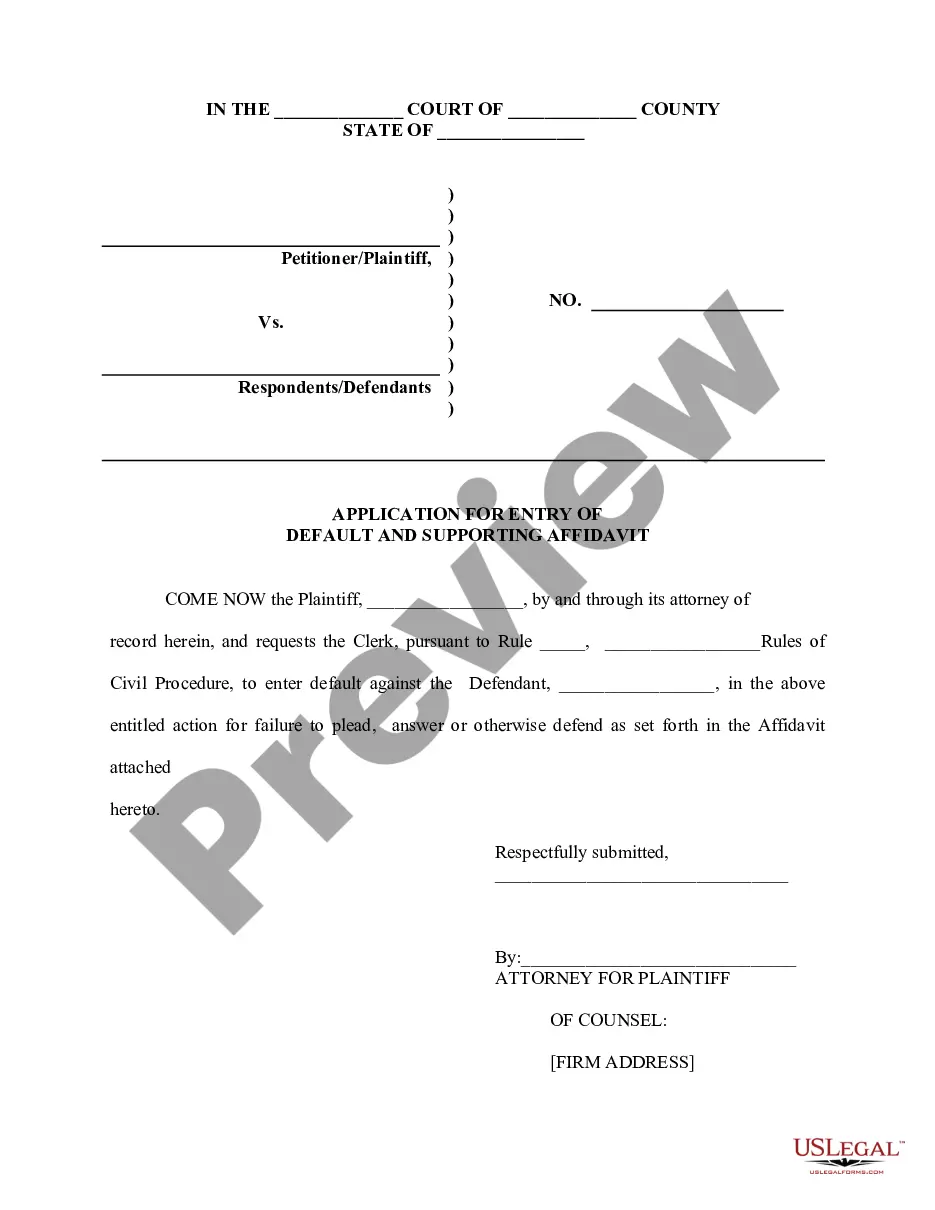
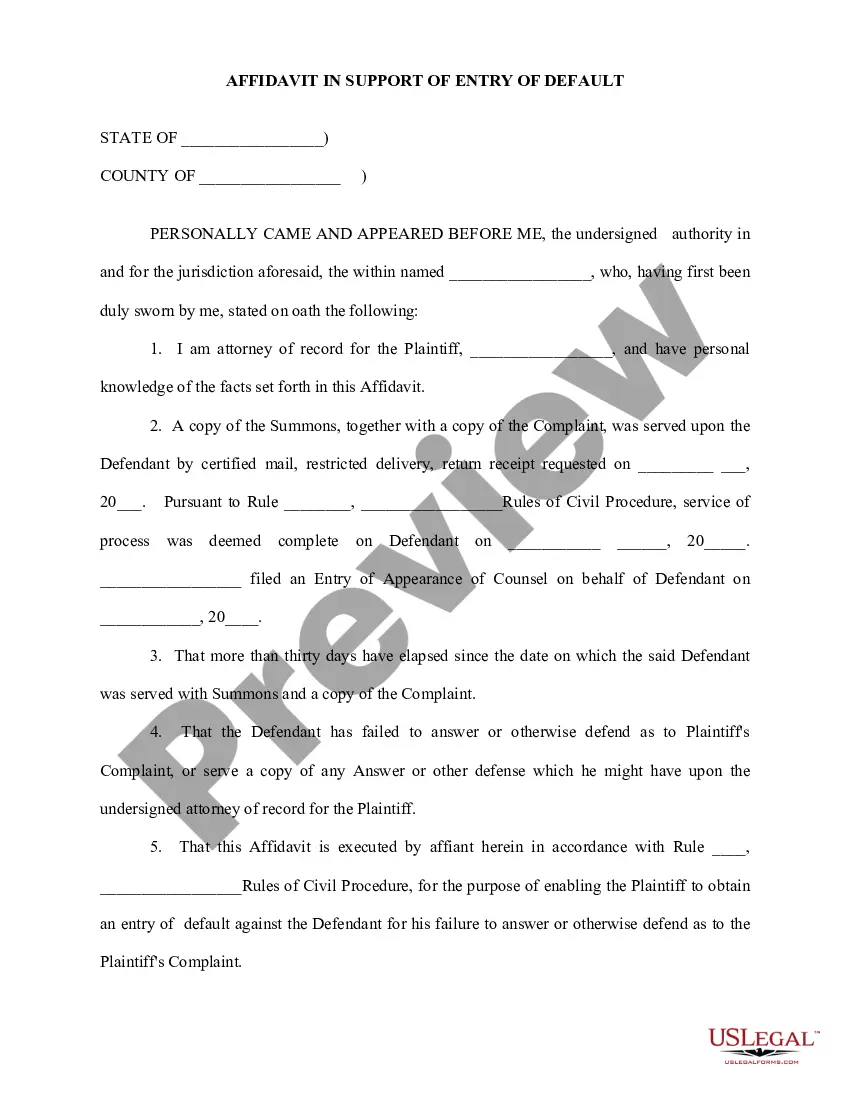
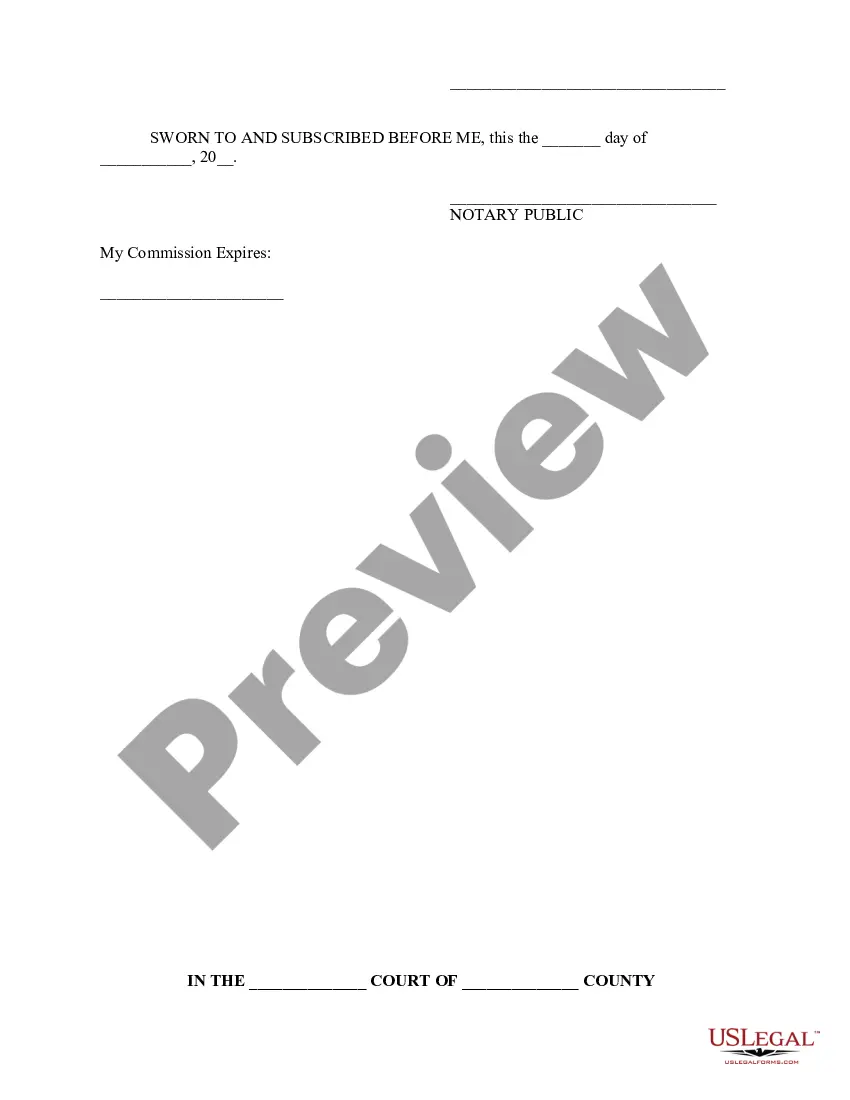
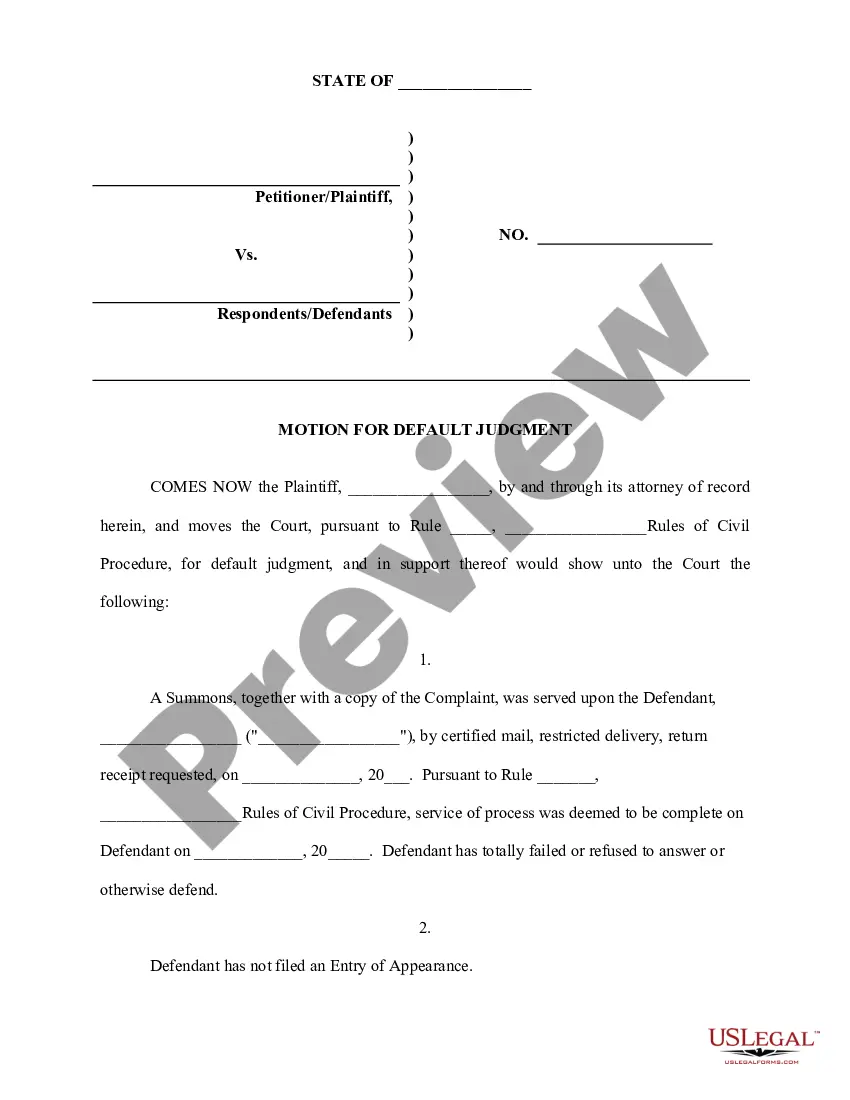
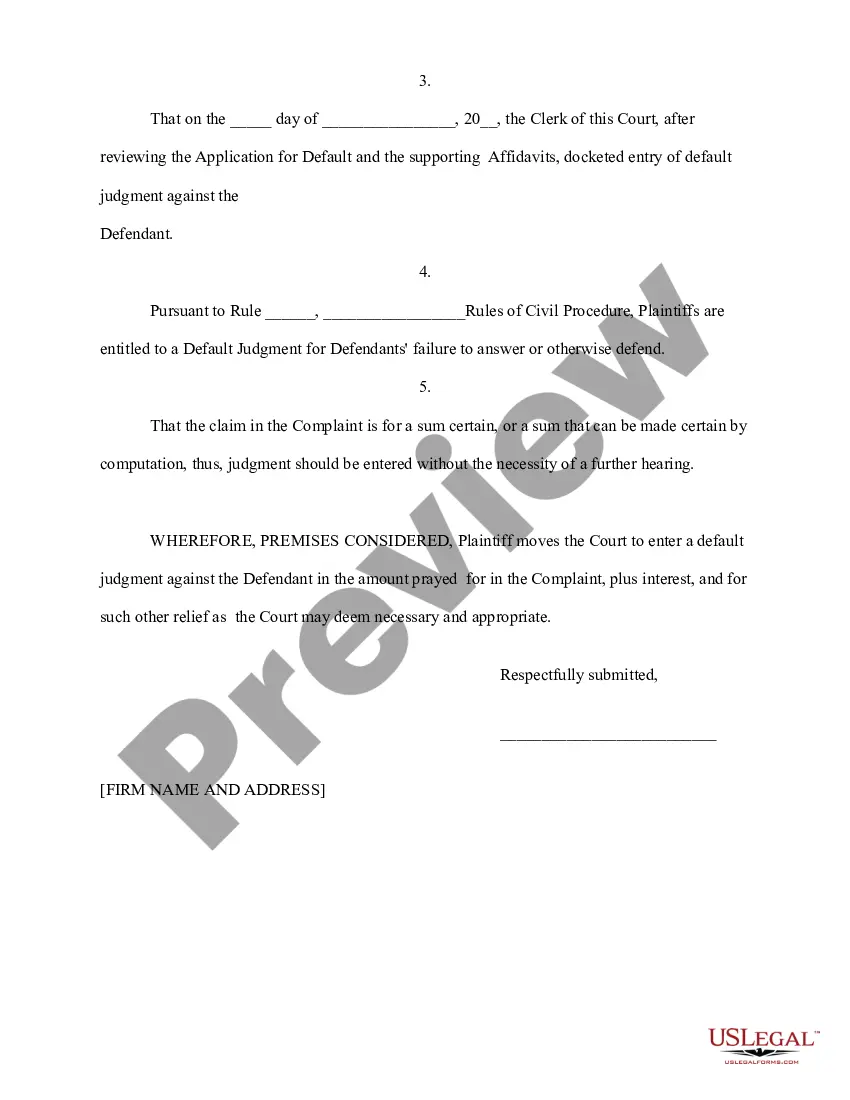
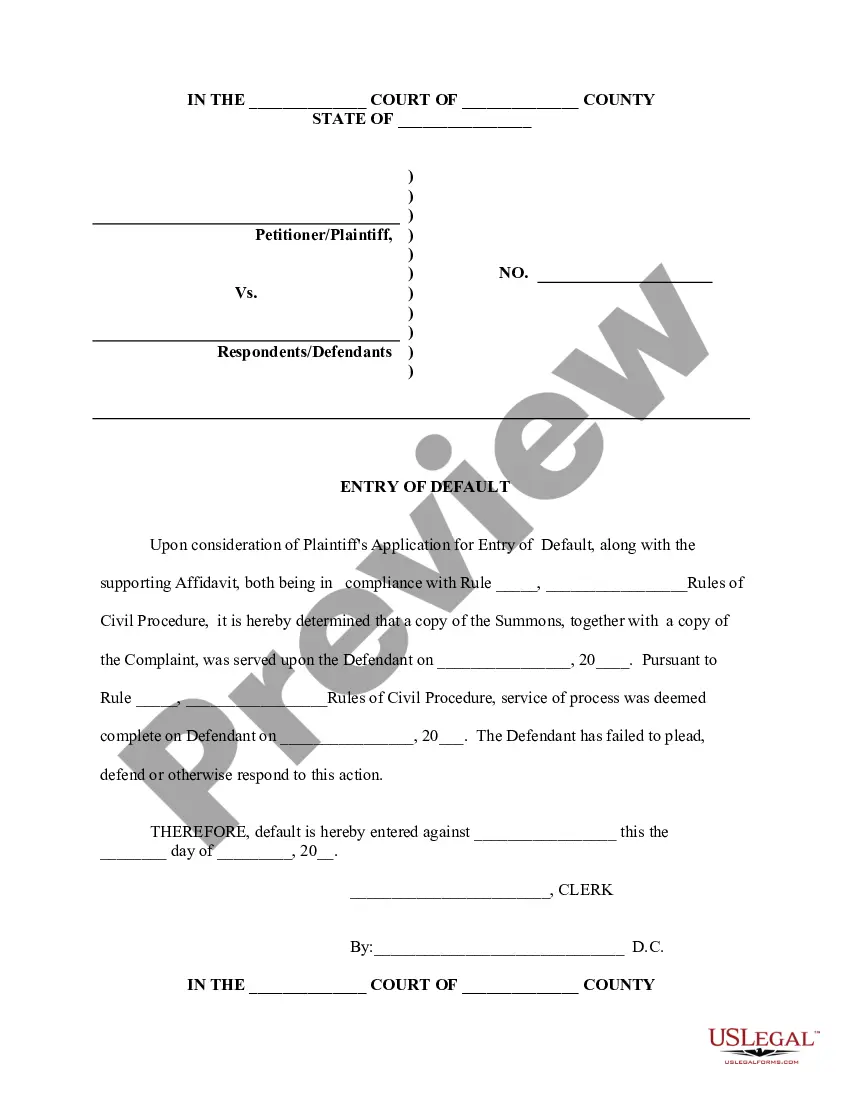
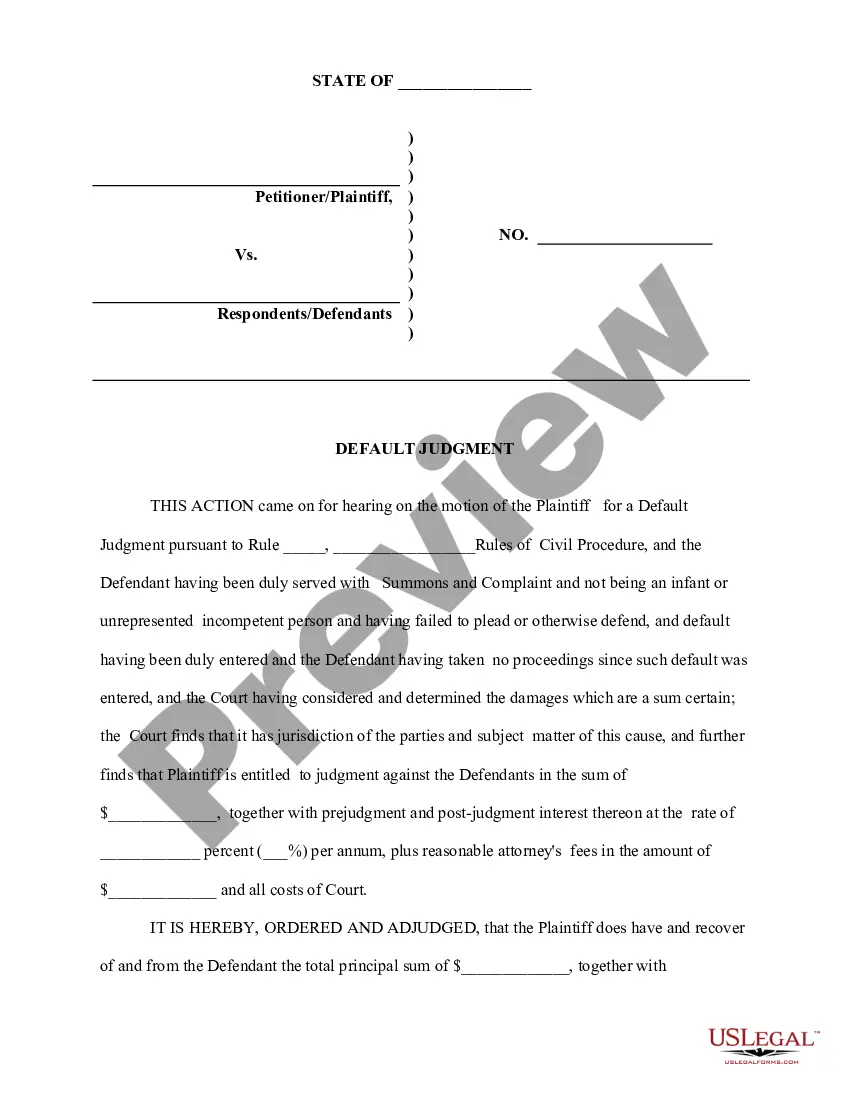
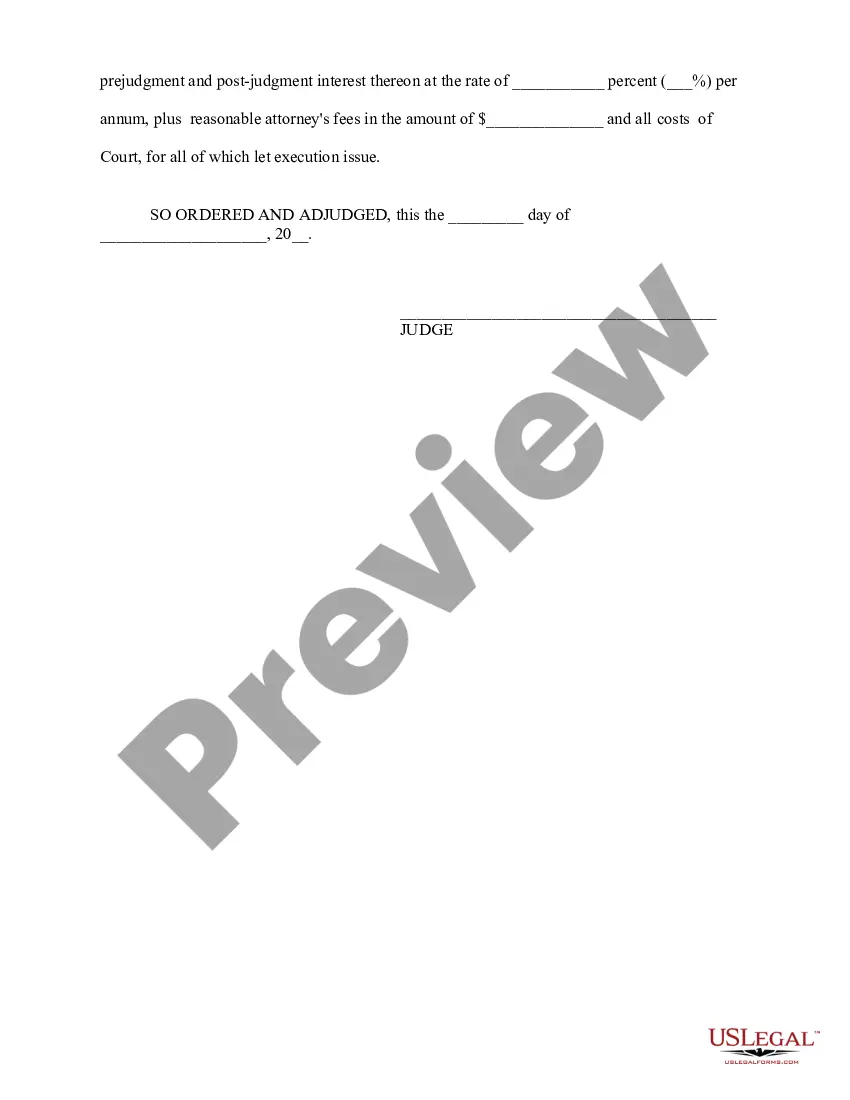
How to fill out Application For Entry Of Default - Affidavit - Motion - Entry Of Default - Default Judgment?
Dealing with legal documents and processes can be a labor-intensive task in your day.
Input With Default Value Angular and similar forms frequently require you to locate them and grasp how to finish them accurately.
Therefore, whether you are managing fiscal, legal, or personal affairs, possessing a thorough and easy-to-use online repository of forms readily available will be beneficial.
US Legal Forms is the premier online platform for legal templates, boasting over 85,000 state-specific documents and a range of tools to help you finalize your paperwork swiftly.
Simply Log In to your account, find Input With Default Value Angular, and retrieve it instantly from the My documents section. You can also revisit previously downloaded forms.
- Explore the collection of necessary documents accessible to you with a single click.
- US Legal Forms provides state- and county-specific forms available for download at any time.
- Protect your document management processes by utilizing a high-quality service that lets you prepare any form in just a few minutes with no additional or concealed fees.
Form popularity
FAQ
To set a default value for an input field in Angular, initialize the bound component property with your desired value. When the component renders, the input field will automatically display this value, providing users with a clear starting point. This approach effectively showcases input with default value angular and improves usability.
To assign a value to an input field in Angular, use the 'ngModel' directive for two-way data binding. By linking the input field to a component property, any changes made by the user will update the property and vice versa. This method exemplifies input with default value angular and enhances user engagement.
The @input and @output decorators in Angular facilitate communication between components. The @input allows a parent component to pass data to a child component, while the @output allows the child to emit events back to the parent. Understanding these concepts is crucial when working with input with default value angular, as they help maintain data flow.
To provide a default value using the @value annotation in Angular, you can set the default value directly in the template. For instance, use square brackets to bind the input's value to a property in your component. This method effectively demonstrates input with default value angular and ensures consistency in user input.
Setting a default value in an input field in Angular is straightforward. You can achieve this by initializing the component property bound to the input with the desired value. This practice not only showcases input with default value angular but also streamlines the data entry process for users.
To set default text in an input field, you can use the 'placeholder' attribute in Angular. This attribute allows you to specify a default hint for users, guiding them on what to enter. By doing this, you maintain clarity and improve user interaction with input with default value angular.
To set a default value in an input number field in Angular, you can use the 'ngModel' directive. Simply bind the input to a component property, and initialize that property with the desired default value. This way, when the component loads, the input number will display the specified value, enhancing user experience with input with default value angular.
Setting a default value for an input type file can be a bit tricky, as browsers do not allow pre-filling file inputs for security reasons. Instead, you can provide instructions or placeholders to guide users on the expected file upload. Additionally, using Input with default value angular, you can display an image or file name next to the input after a user selects a file, ensuring clarity and ease of use. Consider using the US Legal Forms platform for seamless form management and user-friendly interfaces.
To set a default value in a field using Input with default value angular, you can utilize the ngModel directive. This allows you to bind your input field to a property in your component. Simply initialize the property with the desired default value in your component class. This approach ensures that when the form loads, the input field displays the predefined value, enhancing user experience.