Input Form Default Value
Description
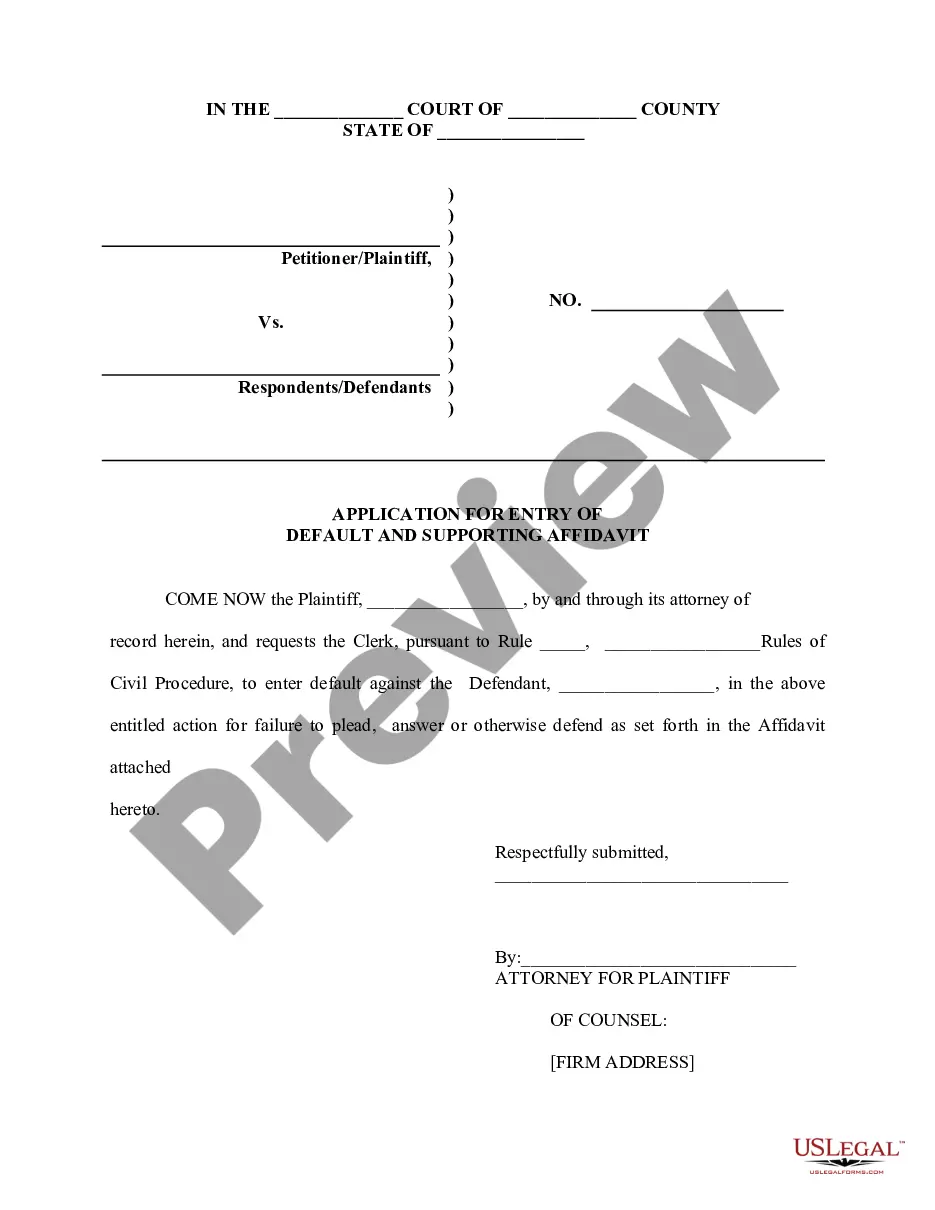
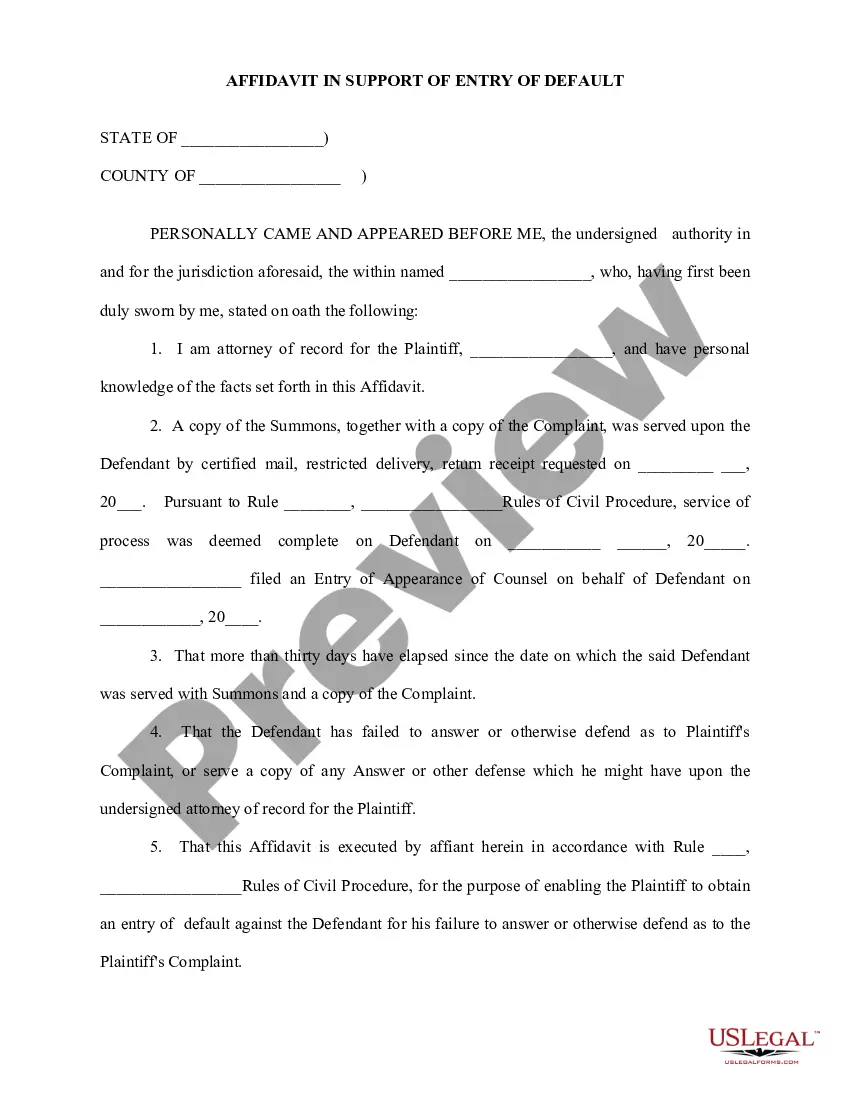
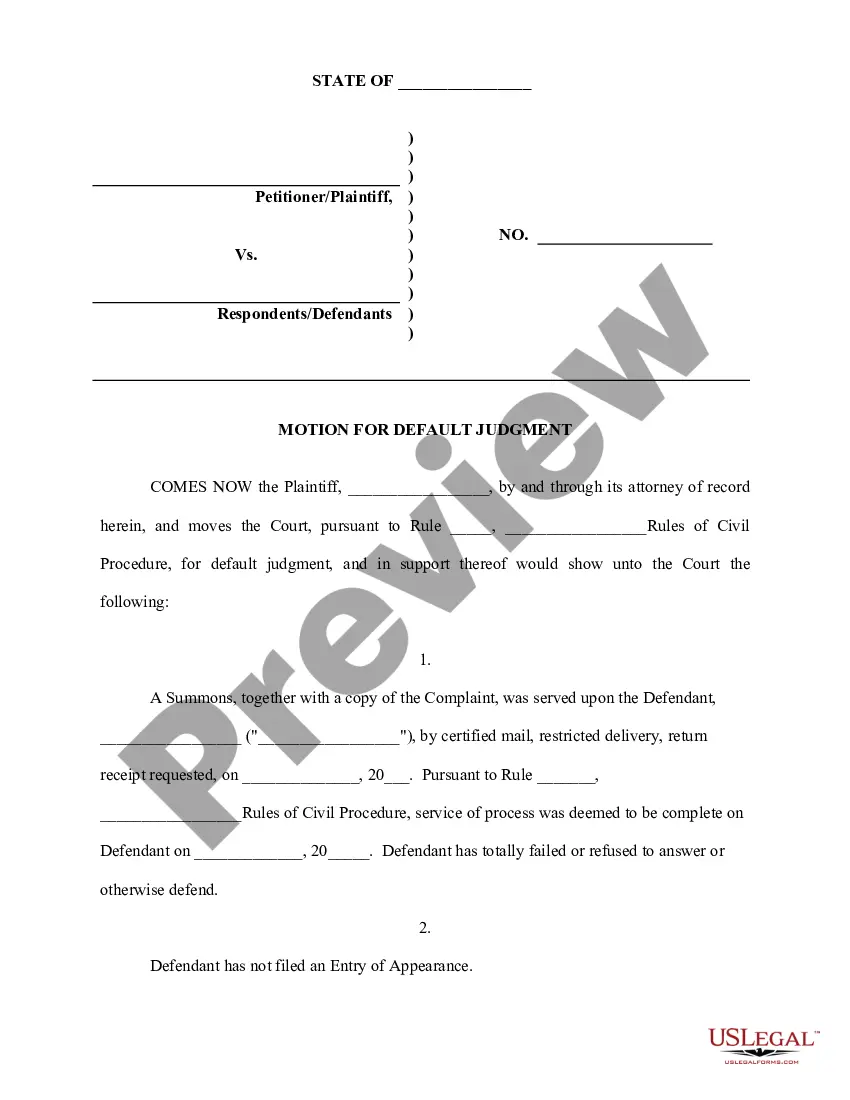
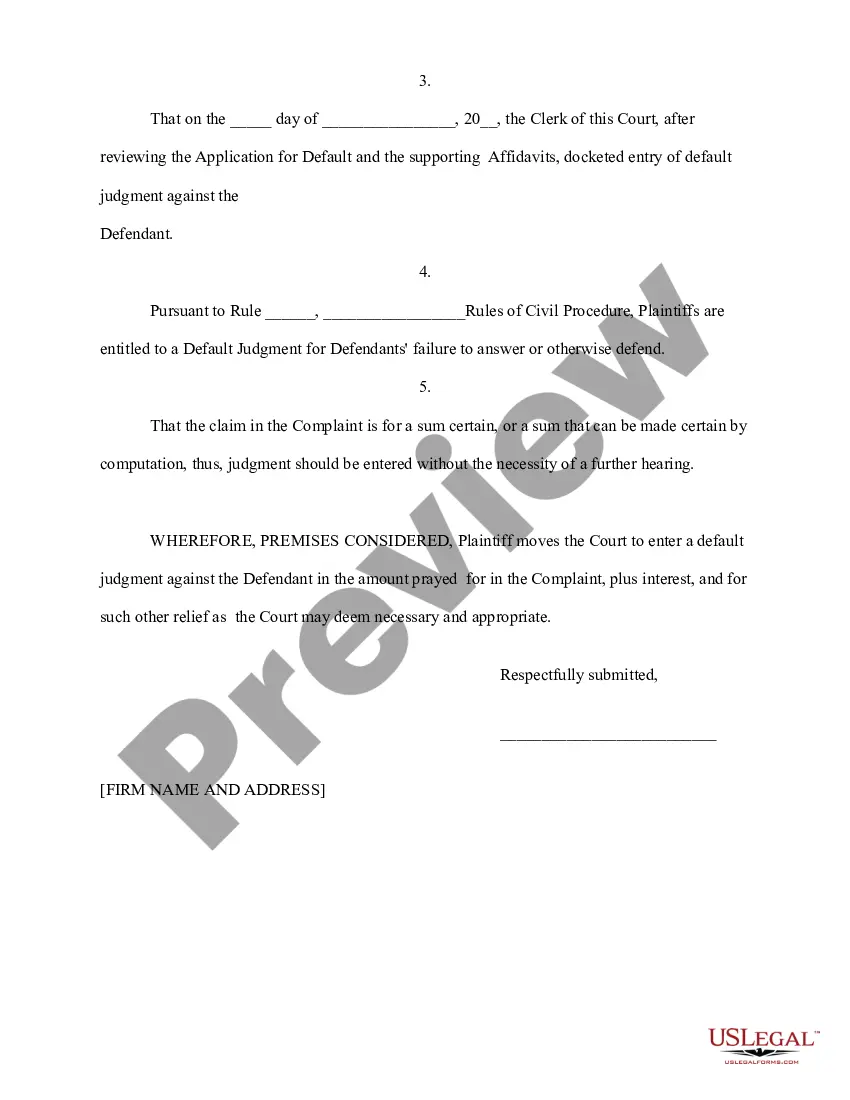
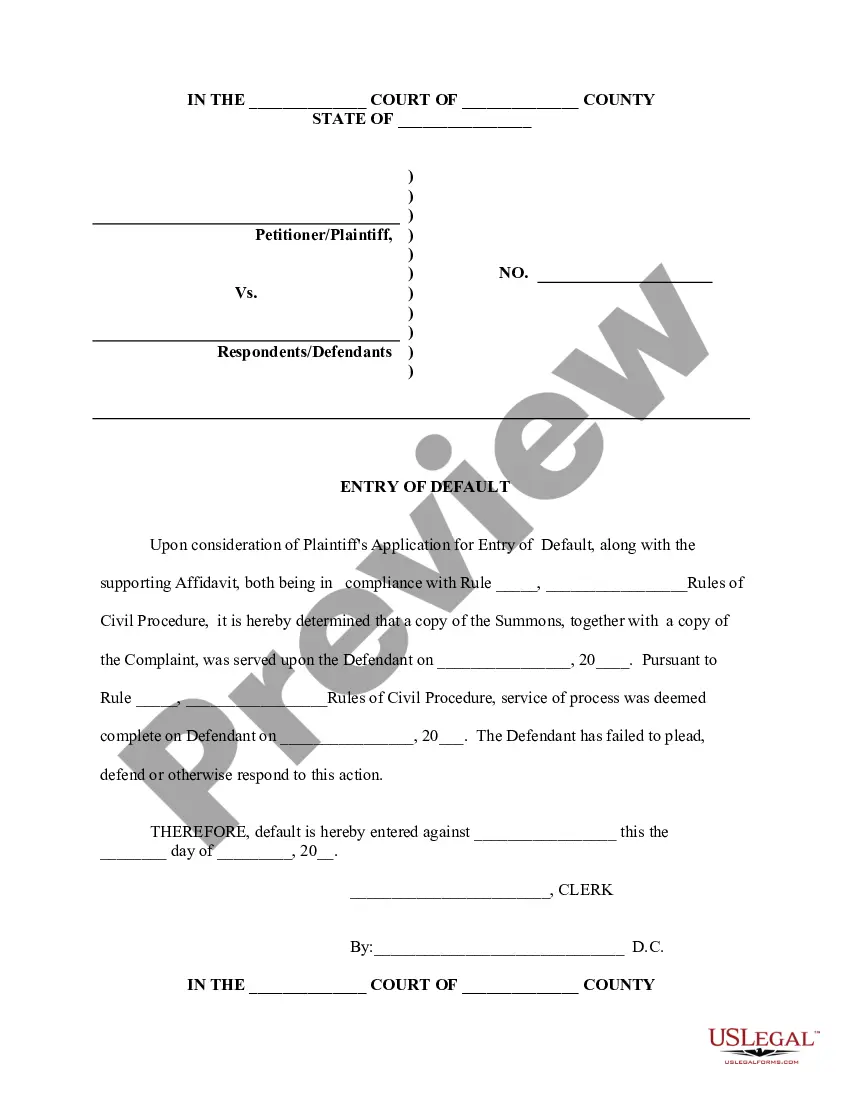
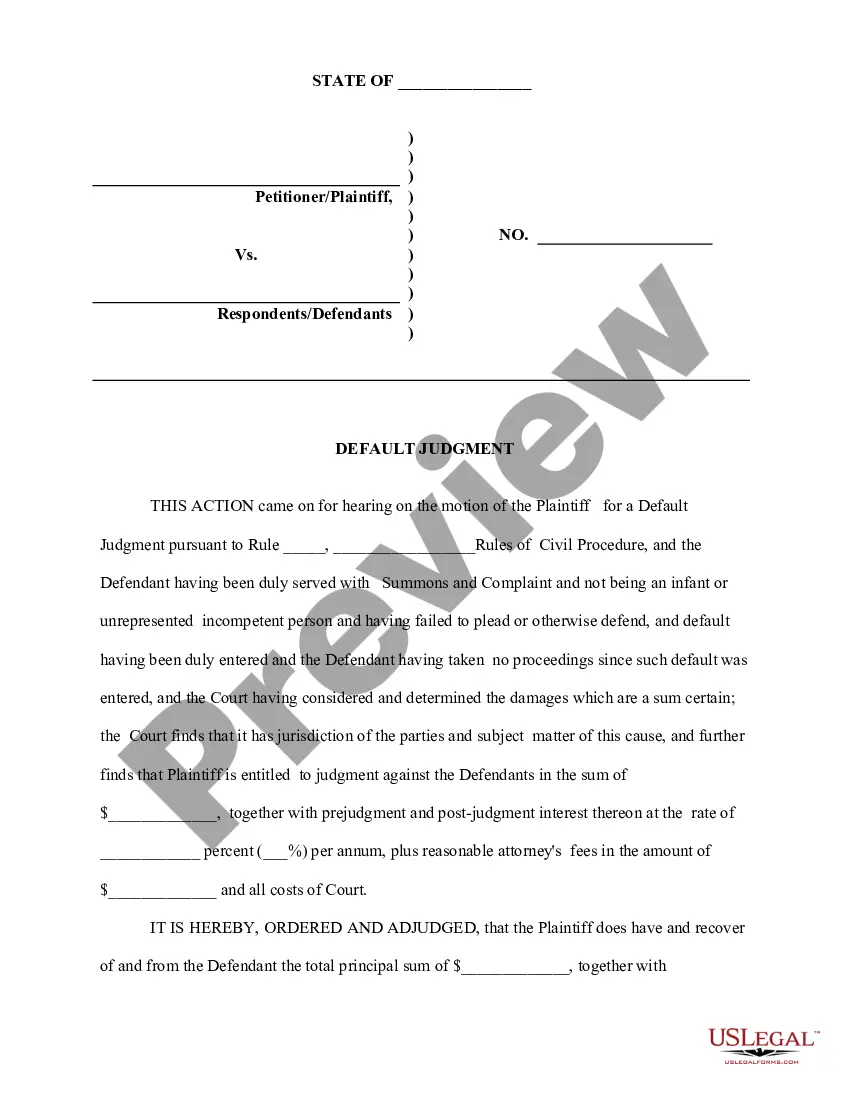
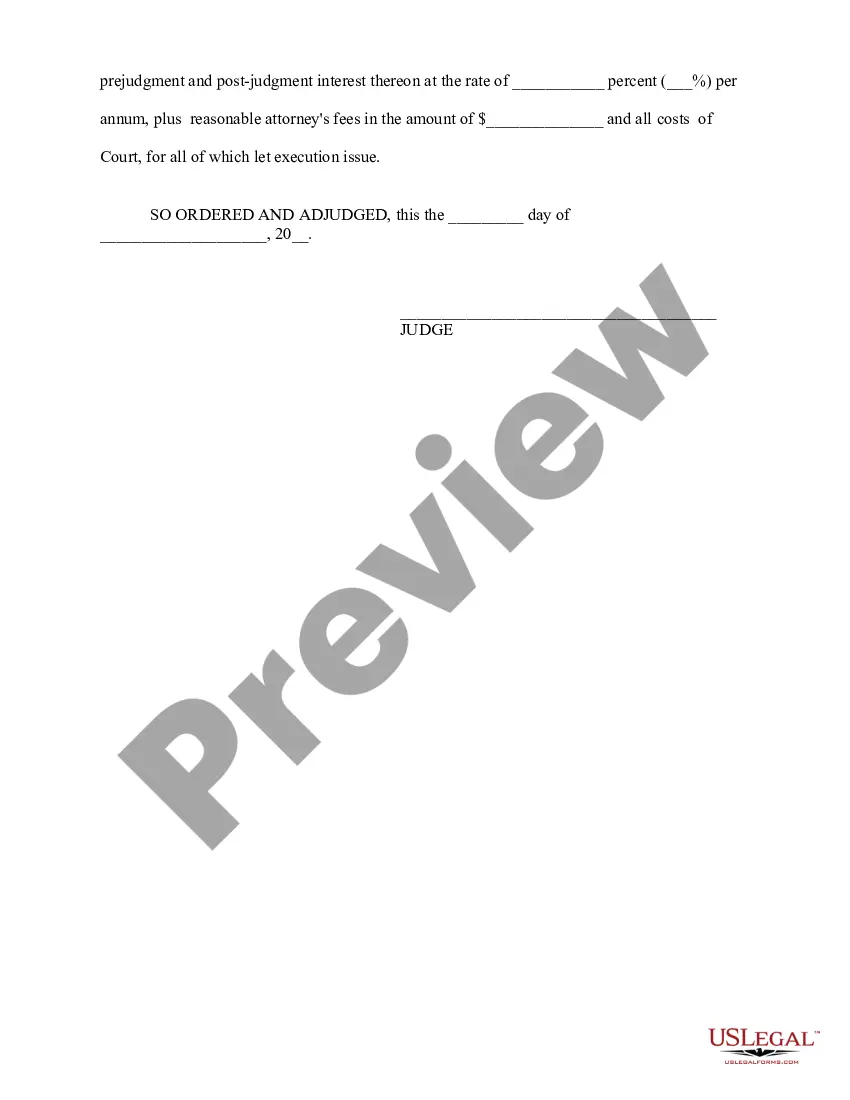

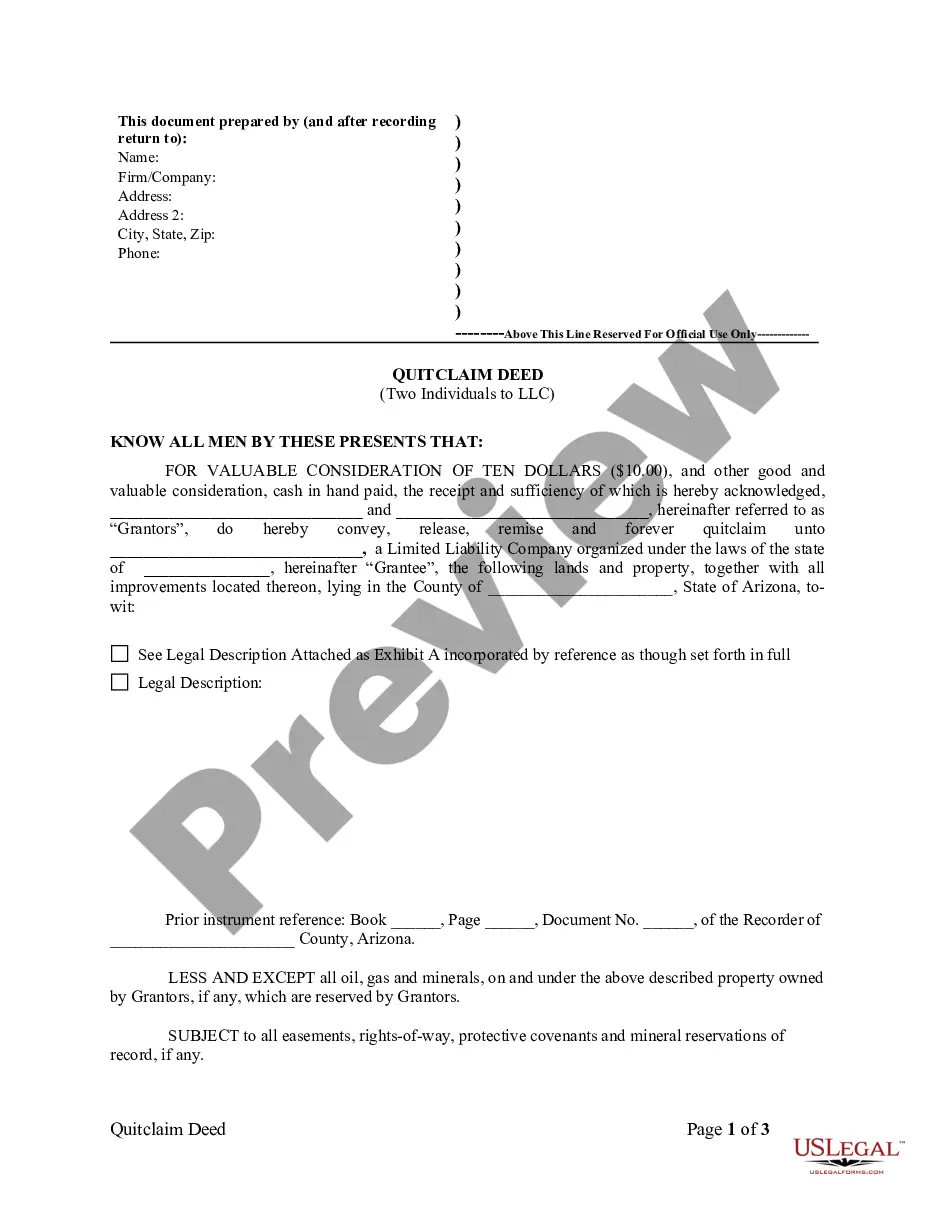
How to fill out Application For Entry Of Default - Affidavit - Motion - Entry Of Default - Default Judgment?
Finding a reliable source to obtain the latest and suitable legal templates is half the challenge of managing bureaucracy.
Selecting the appropriate legal documents requires precision and careful attention, which is why it's crucial to obtain Input Form Default Value samples exclusively from reputable sources, such as US Legal Forms. An incorrect template can squander your time and prolong your situation.
Once you have the form saved on your device, you can edit it with the editor or print it and fill it out by hand. Remove the stress associated with your legal documentation. Discover the comprehensive US Legal Forms library where you can locate legal samples, assess their applicability to your situation, and download them instantly.
- Utilize the catalog navigation or search bar to find your template.
- Review the form's details to ensure it meets your state's and area's requirements.
- Check the form preview, if available, to confirm that the template is indeed the one you are looking for.
- Return to the search to find the suitable template if the Input Form Default Value does not meet your requirements.
- If you are confident about the form's appropriateness, download it.
- As a registered user, click Log in to verify and access the chosen forms in My documents.
- If you haven't set up an account yet, click Buy now to acquire the template.
- Choose the pricing option that aligns with your needs.
- Continue to the registration to complete your purchase.
- Finalize your purchase by selecting a payment method (credit card or PayPal).
- Choose the file format for downloading Input Form Default Value.
Form popularity
FAQ
To add a default value to a form, you can utilize the 'value' attribute within each input element. For instance, writing `<input type='text' value='Default Text'>` will display 'Default Text' when the form loads. Setting an effective input form default value not only enhances usability but also encourages users to engage with your form more confidently.
In Python, the default value of an input function can be set by assigning a value when defining the function. For example, you can use `input(prompt='Enter your value: ')` to provide a prompt for users. However, unlike HTML, Python does not have a built-in mechanism to set an input form default value directly; you typically handle that via your program logic.
To set a default value in an input number field, you assign a value through the 'value' attribute within your HTML code. For example, `<input type='number' value='10'>` sets 10 as the default value. This input form default value allows users to see a number that is relevant to the context, streamlining their interaction with the form.
The default value in an input refers to the initial value that is displayed in the input field before the user makes any changes. This value can be defined using the 'value' attribute in HTML. Having a clear input form default value can help minimize user confusion and improve form completion rates on platforms like uslegalforms.
A default value is a pre-set value that appears in an input field when a user first interacts with a form. It helps guide users by providing a suggested entry point, which can enhance user experience. By setting a clear input form default value, you can increase the likelihood of users completing the form accurately and efficiently.
To set the value of a form input element, you can use the 'value' attribute in your HTML code. For instance, you could write `<input type='text' value='Your Default Text'>`. This way, the input form default value is established when the page loads. Additionally, you can dynamically change this value using JavaScript for greater interactivity.
The default value of an input type range is typically set to the midpoint of the specified minimum and maximum values. For example, if the minimum value is 0 and the maximum value is 100, the default value will usually be 50. You can customize this default value by specifying a 'value' attribute. Understanding the input form default value helps you create a more user-friendly interface.
To set default text in a select tag, you can include an option element with the 'selected' attribute. For example, <select><option value=''>Select an option</option><option value='1' selected>Default Option</option></select> will show 'Default Option' as the preselected choice. This method helps in guiding users in making a selection, improving their interaction with your form.
In HTML, giving a default value in the @value annotation is straightforward. You simply include the value within the input tag as in <input type='text' value='Default Value'>. This sets a predefined input form default value that users can see, guiding them on what to enter.
To set default HTML text within an input form, you can use the 'value' attribute in the input tag. For instance, <input type='text' value='Default Text'> will display 'Default Text' in the input field when the page loads. This approach provides users with a clear idea of what information they need to input, thus enhancing the overall user experience.