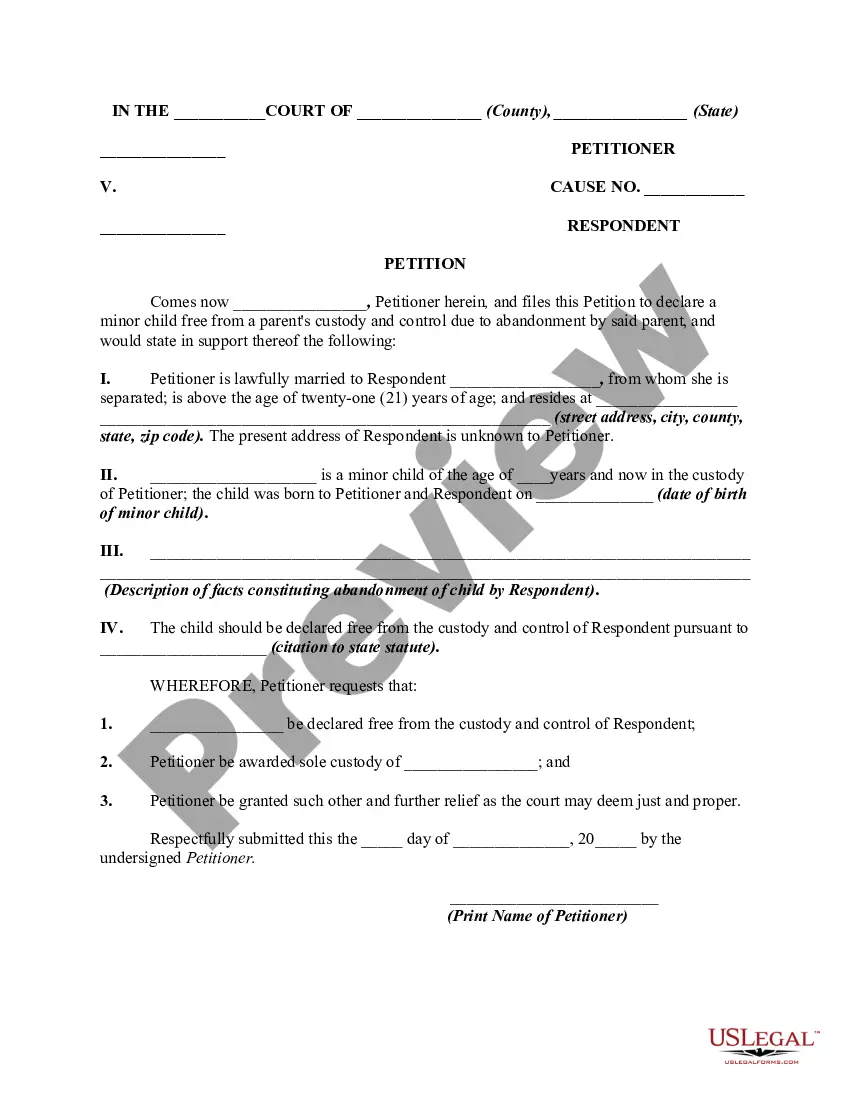
Parents Rights Without Custody Agreement
Description
Get your form ready online
Our built-in tools help you complete, sign, share, and store your documents in one place.
Make edits, fill in missing information, and update formatting in US Legal Forms—just like you would in MS Word.
Download a copy, print it, send it by email, or mail it via USPS—whatever works best for your next step.
Sign and collect signatures with our SignNow integration. Send to multiple recipients, set reminders, and more. Go Premium to unlock E-Sign.
If this form requires notarization, complete it online through a secure video call—no need to meet a notary in person or wait for an appointment.
We protect your documents and personal data by following strict security and privacy standards.

Make edits, fill in missing information, and update formatting in US Legal Forms—just like you would in MS Word.

Download a copy, print it, send it by email, or mail it via USPS—whatever works best for your next step.

Sign and collect signatures with our SignNow integration. Send to multiple recipients, set reminders, and more. Go Premium to unlock E-Sign.

If this form requires notarization, complete it online through a secure video call—no need to meet a notary in person or wait for an appointment.

We protect your documents and personal data by following strict security and privacy standards.
Looking for another form?

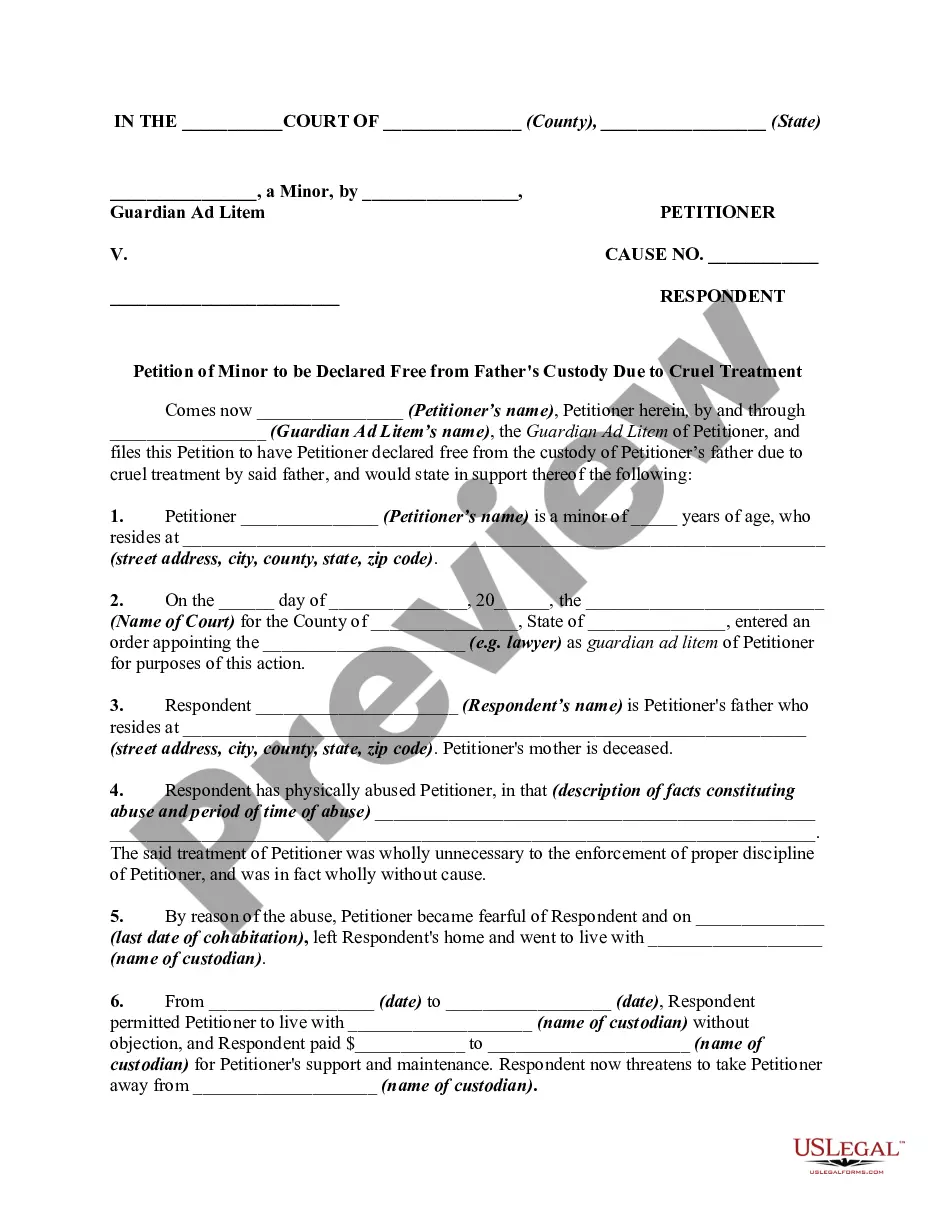
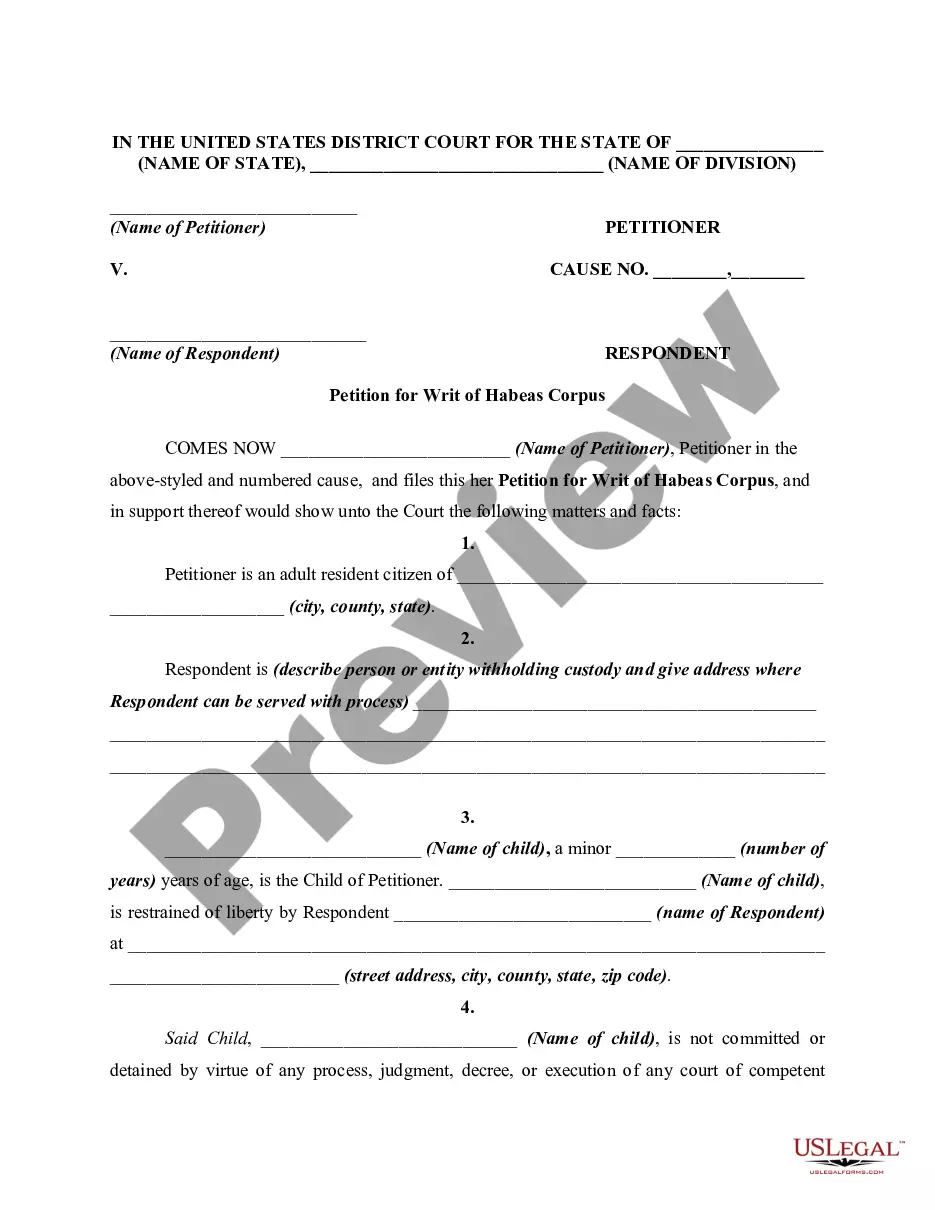
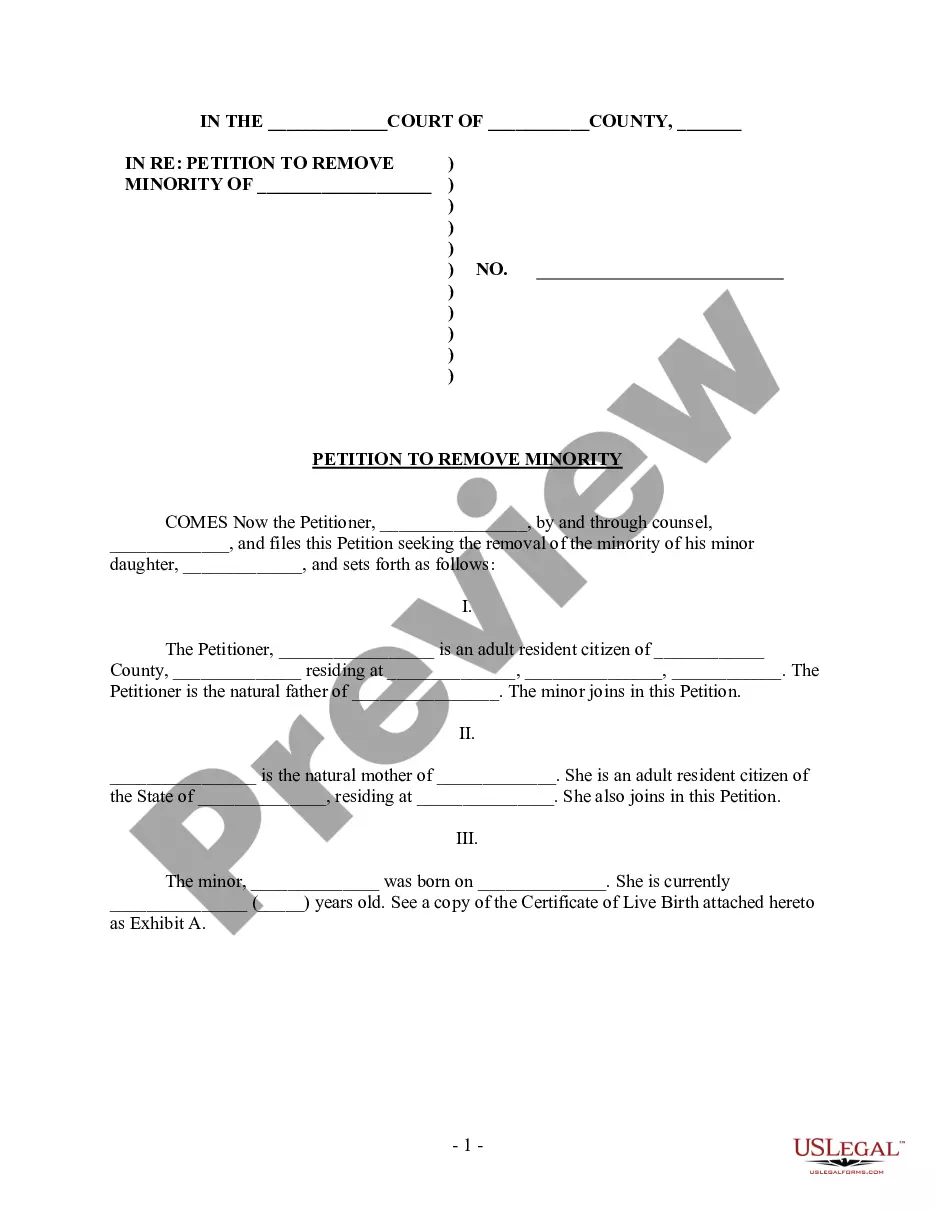
How to fill out Petition To Declare Child Free From Parent's Custody And Control For Abandonment - Release Of Parental Rights?
Regardless of whether it's for corporate objectives or personal matters, everyone must encounter legal circumstances at some point in their lives.
Completing legal documents demands meticulous care, starting with selecting the correct form sample. For instance, if you choose an incorrect version of a Parents Rights Without Custody Agreement, it will be rejected upon submission.
Once saved, you can fill out the form using editing software or print it and complete it manually. With a vast US Legal Forms catalog available, you don’t have to waste time searching for the suitable template online. Utilize the library’s straightforward navigation to obtain the right template for any circumstance.
- Locate the template you require using the search box or catalog navigation.
- Review the description of the form to ensure it aligns with your circumstances, state, and county.
- Click on the form's preview to assess it.
- If it is not the correct form, return to the search feature to discover the Parents Rights Without Custody Agreement sample you require.
- Download the template once it fulfills your requirements.
- If you possess a US Legal Forms account, simply click Log in to access previously saved files in My documents.
- In case you do not have an account yet, download the form by clicking Buy now.
- Select the appropriate pricing option.
- Complete the account registration form.
- Choose your payment method: you can use a credit card or PayPal account.
- Select the document format you desire and download the Parents Rights Without Custody Agreement.
Form popularity
FAQ
One of the biggest mistakes in a custody battle is failing to prioritize the child's needs above all else. Parents may become emotionally charged and engage in negative behaviors that could harm their case. In situations involving parents' rights without a custody agreement, focusing on constructive communication and cooperation can significantly improve outcomes.
A New York court can make orders about the child's custody only until the child is 18 years old. The Court gives custody based on what is best for the child, this is called the "best interest of the child." If there is no court order, then both parents have equal rights to physical and legal custody of the child.
New Jersey's public policy is that children have frequent and continuing contact with both parents. Based on the best interest of the child, a judge can order any of the following: joint legal custody, which is when both parents will make major decisions regarding the child's health, education, and general welfare.
Either parent can request sole physical or legal custody. However, he or she must show the court that regular contact with the other parent would harm the child's best interests. To make this determination, the judge will review: Any history of domestic abuse or neglect by either parent.
When there are no court orders in effect, both parents have equal rights to their child(ren).
Who Gets Custody When There is No Court Order? A situation in which there is no court order is called de facto custody, and the custody should be shared. If the children are living with one person and the other party barely sees them, this is likely only conscionable if there is a corresponding order from the court.