Motion Discovery Form Template For Court
Description
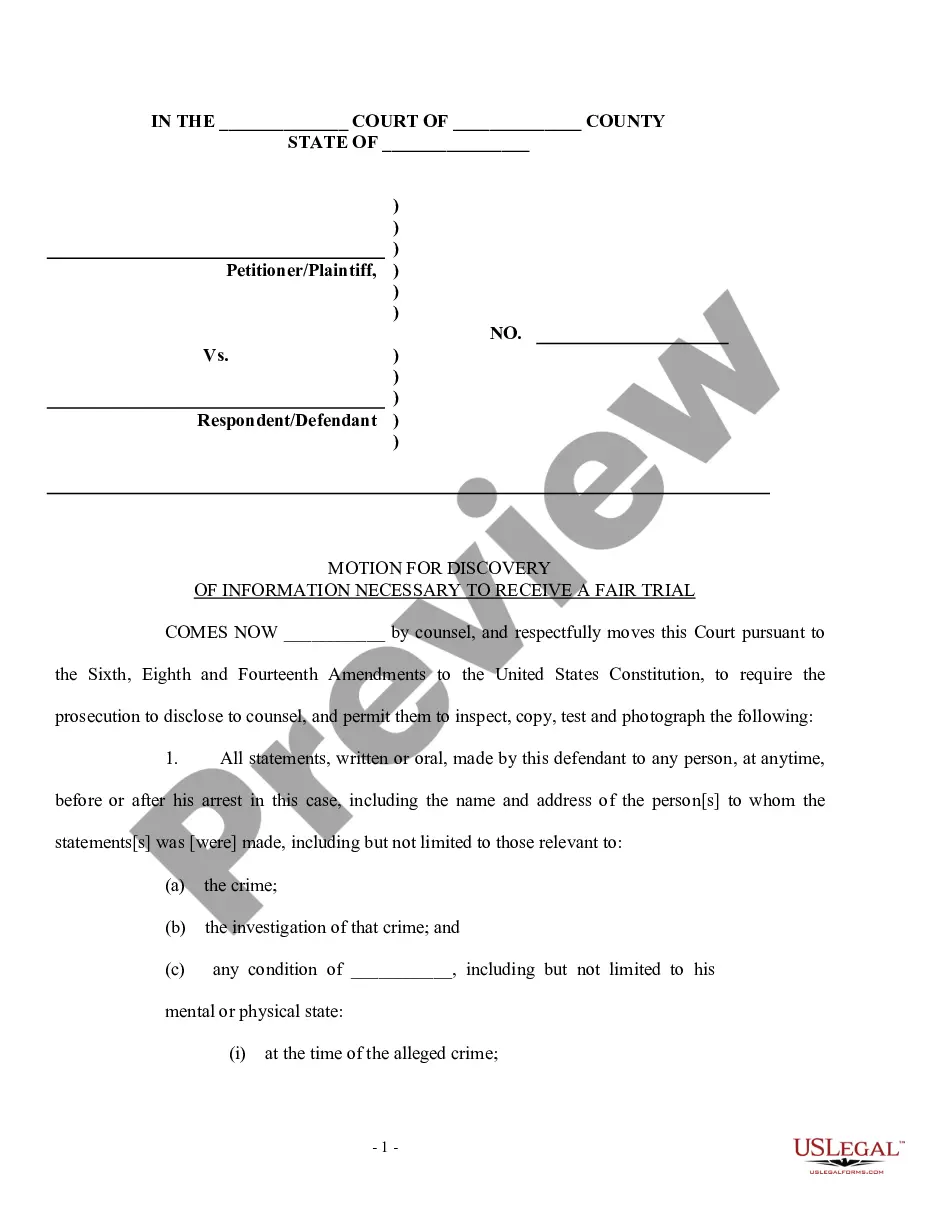
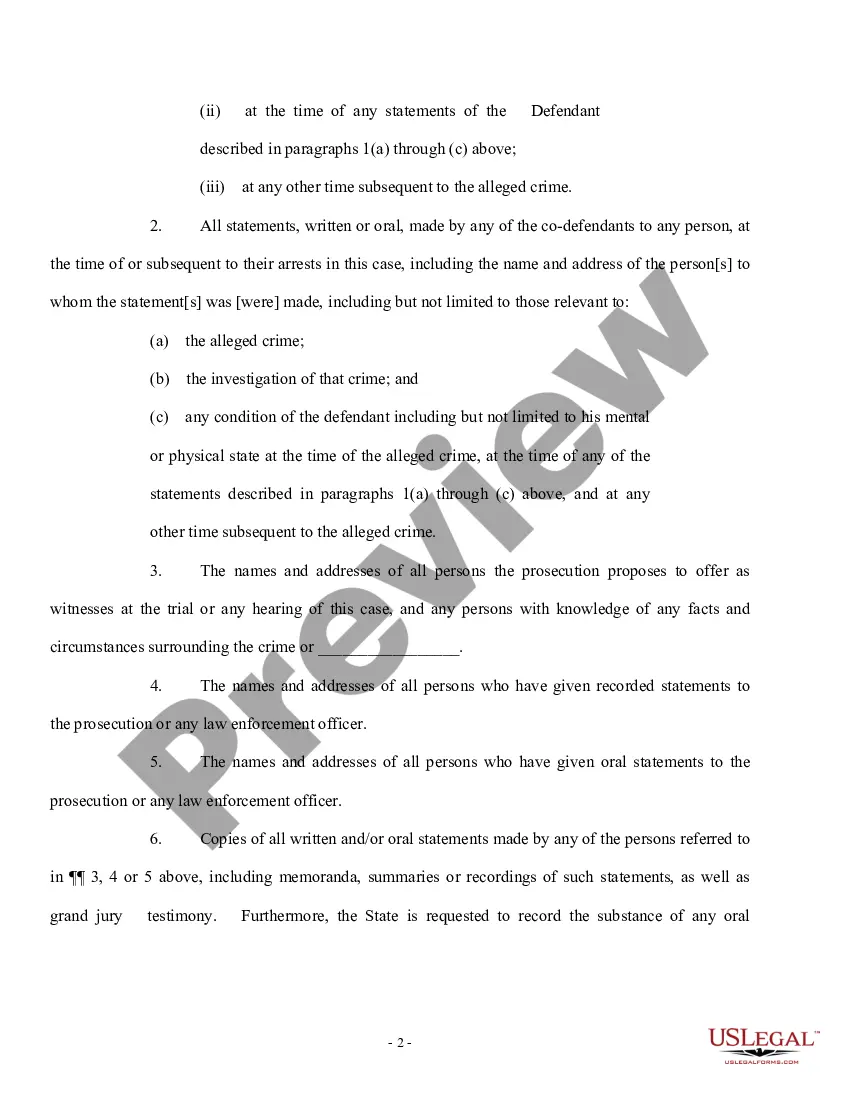
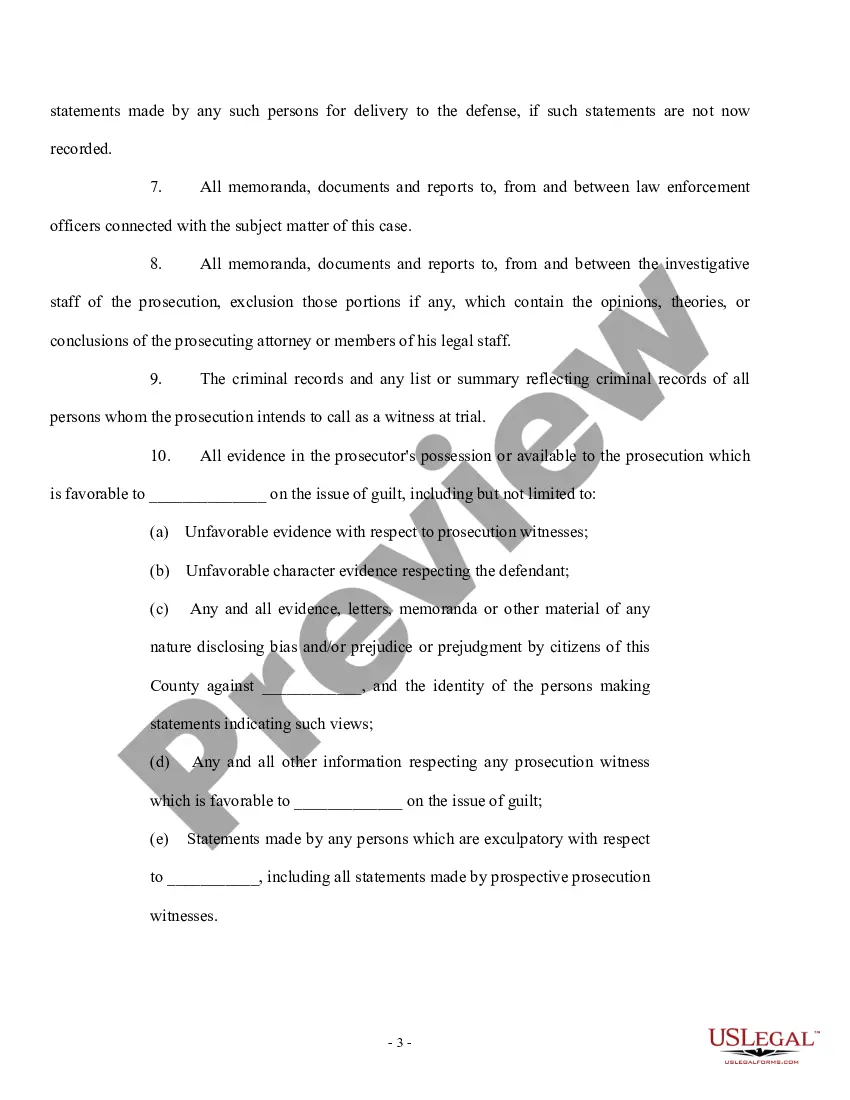
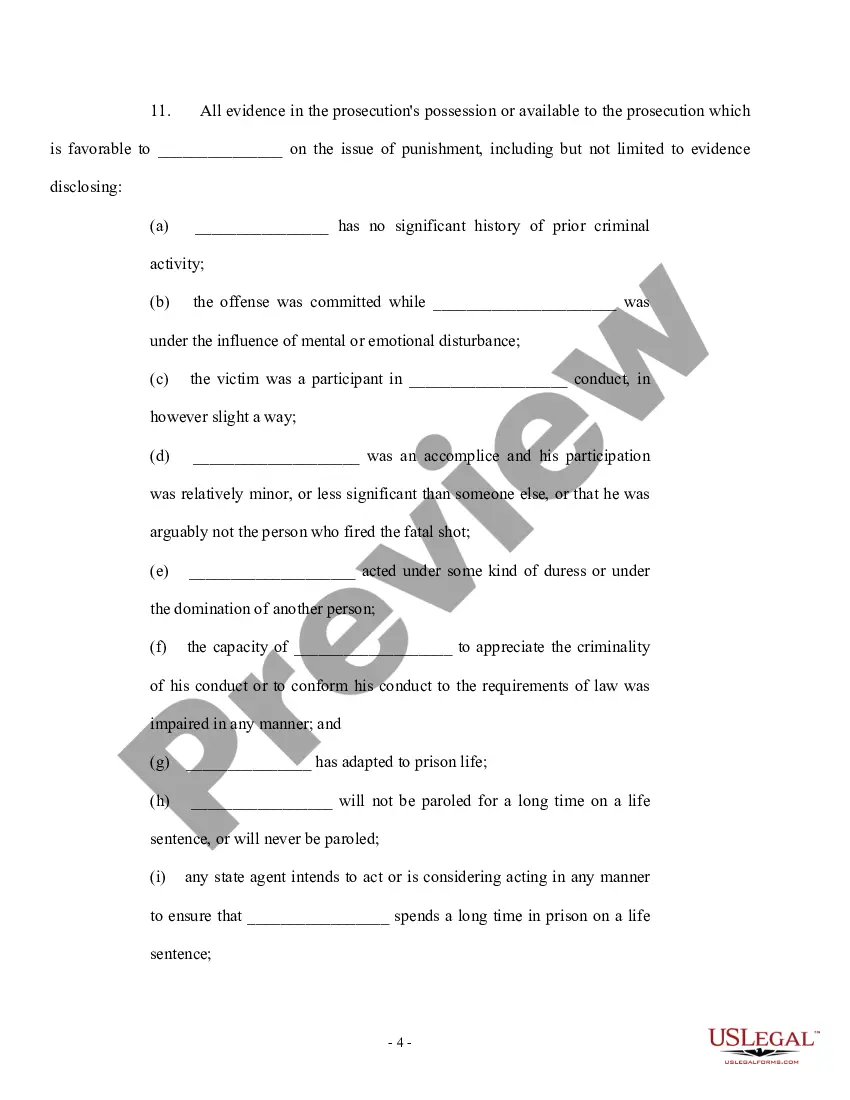
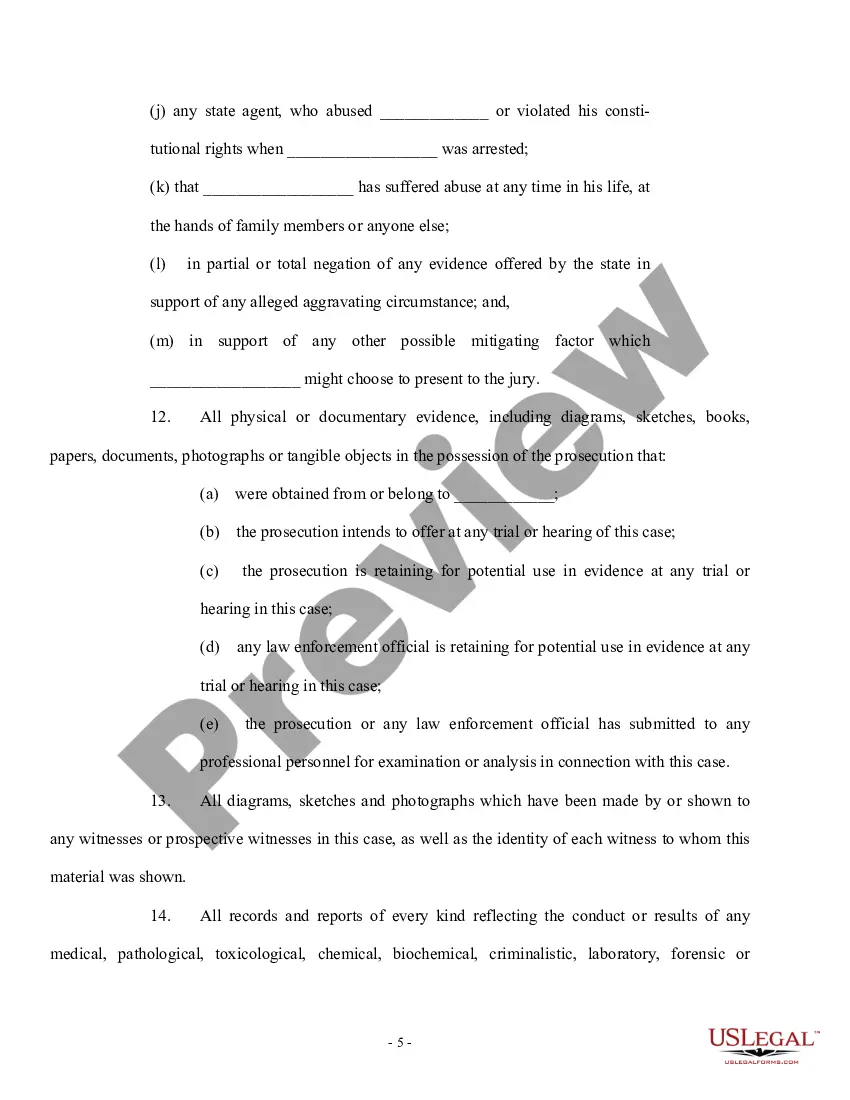
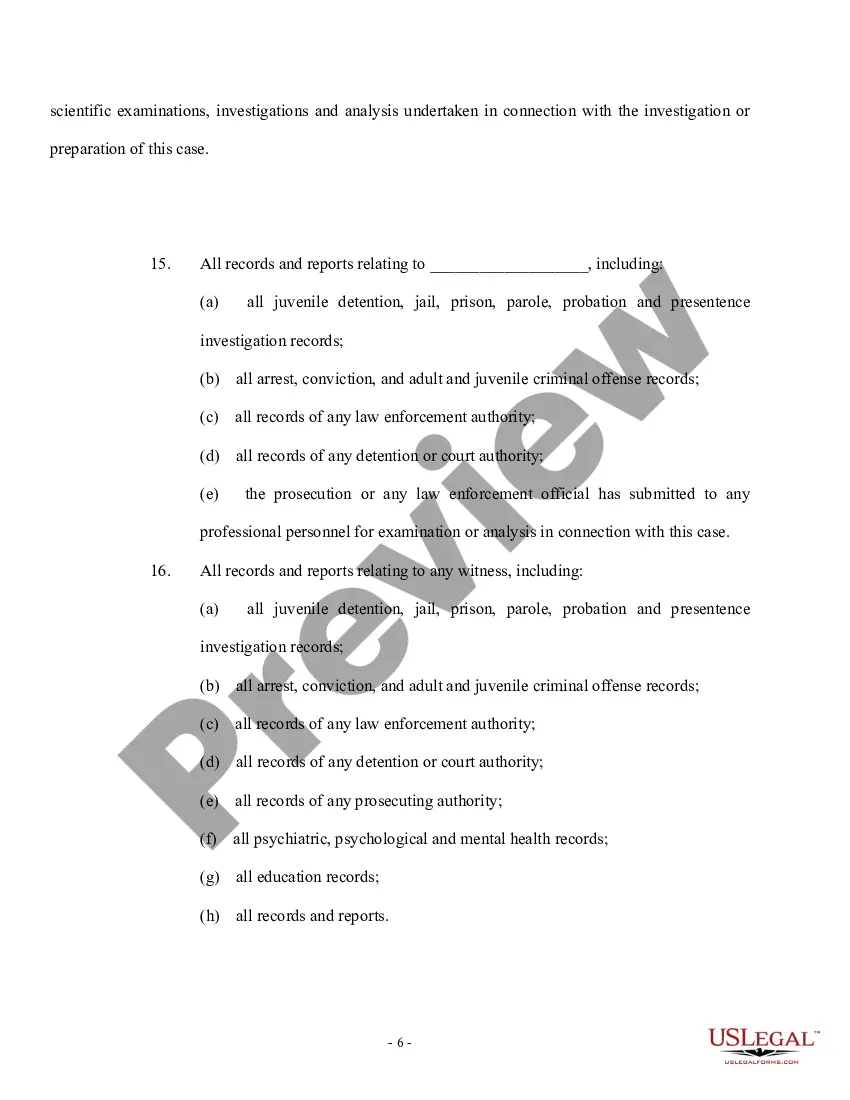
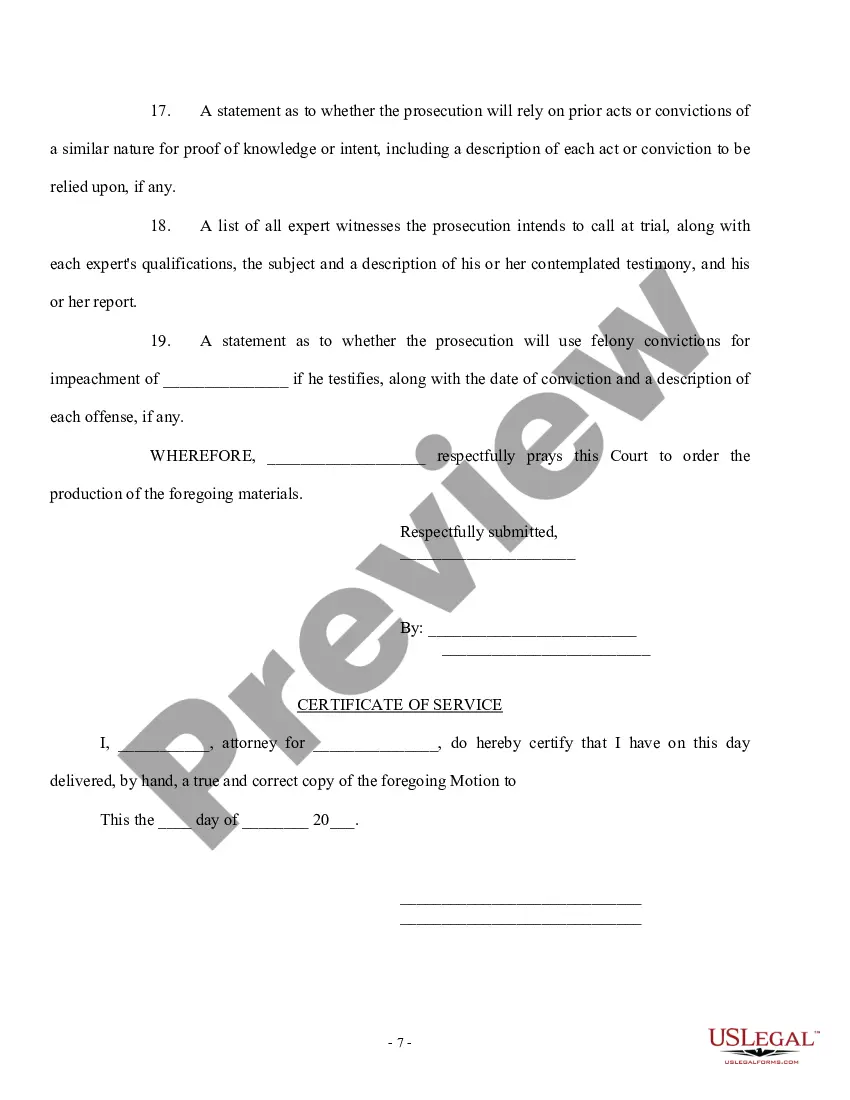
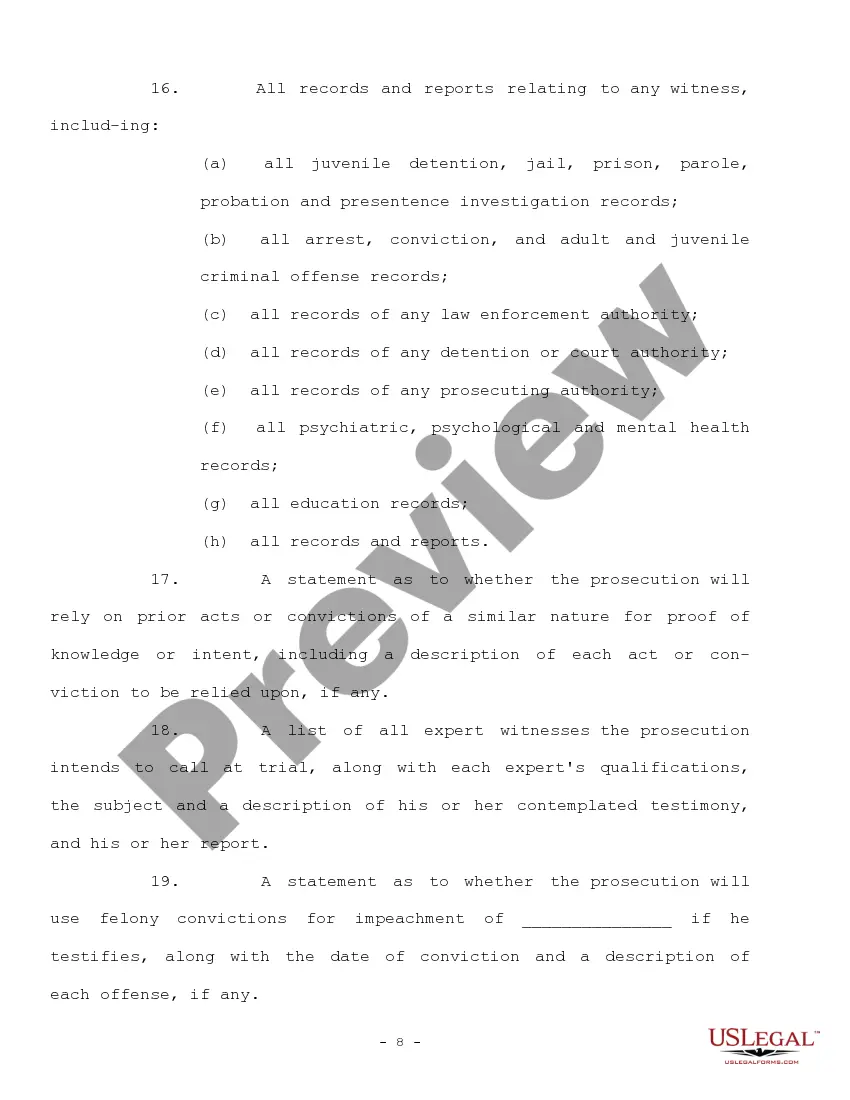
Get your form ready online
Our built-in tools help you complete, sign, share, and store your documents in one place.
Make edits, fill in missing information, and update formatting in US Legal Forms—just like you would in MS Word.
Download a copy, print it, send it by email, or mail it via USPS—whatever works best for your next step.
Sign and collect signatures with our SignNow integration. Send to multiple recipients, set reminders, and more. Go Premium to unlock E-Sign.
If this form requires notarization, complete it online through a secure video call—no need to meet a notary in person or wait for an appointment.
We protect your documents and personal data by following strict security and privacy standards.

Make edits, fill in missing information, and update formatting in US Legal Forms—just like you would in MS Word.

Download a copy, print it, send it by email, or mail it via USPS—whatever works best for your next step.

Sign and collect signatures with our SignNow integration. Send to multiple recipients, set reminders, and more. Go Premium to unlock E-Sign.

If this form requires notarization, complete it online through a secure video call—no need to meet a notary in person or wait for an appointment.

We protect your documents and personal data by following strict security and privacy standards.
Looking for another form?





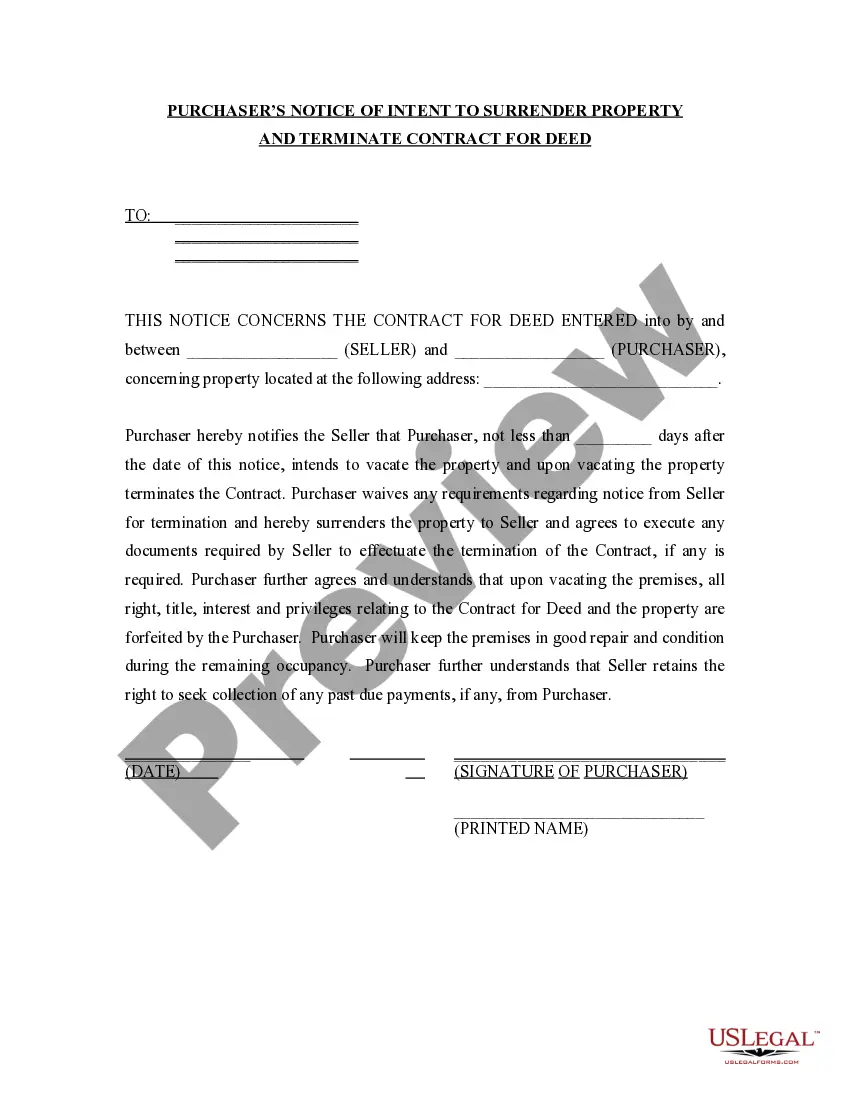
How to fill out Motion For Discovery Of Information Necessary To Receive A Fair Trial?
Whether for business purposes or for personal affairs, everyone has to manage legal situations at some point in their life. Completing legal documents needs careful attention, beginning from picking the correct form sample. For example, if you select a wrong edition of a Motion Discovery Form Template For Court, it will be turned down when you submit it. It is therefore crucial to have a dependable source of legal papers like US Legal Forms.
If you have to get a Motion Discovery Form Template For Court sample, stick to these easy steps:
- Find the template you need using the search field or catalog navigation.
- Check out the form’s description to ensure it suits your situation, state, and region.
- Click on the form’s preview to examine it.
- If it is the wrong document, get back to the search function to locate the Motion Discovery Form Template For Court sample you require.
- Download the file if it meets your requirements.
- If you have a US Legal Forms profile, just click Log in to gain access to previously saved files in My Forms.
- In the event you don’t have an account yet, you can obtain the form by clicking Buy now.
- Select the appropriate pricing option.
- Finish the profile registration form.
- Pick your transaction method: you can use a bank card or PayPal account.
- Select the document format you want and download the Motion Discovery Form Template For Court.
- After it is downloaded, you can fill out the form by using editing software or print it and complete it manually.
With a substantial US Legal Forms catalog at hand, you do not have to spend time looking for the right template across the web. Use the library’s straightforward navigation to get the correct template for any occasion.
Form popularity
FAQ
Many types of discovery exist, including: Interrogatories. Requests for Admission. Production of Documents. Property Inspection. Physical and Mental Exams. Depositions.
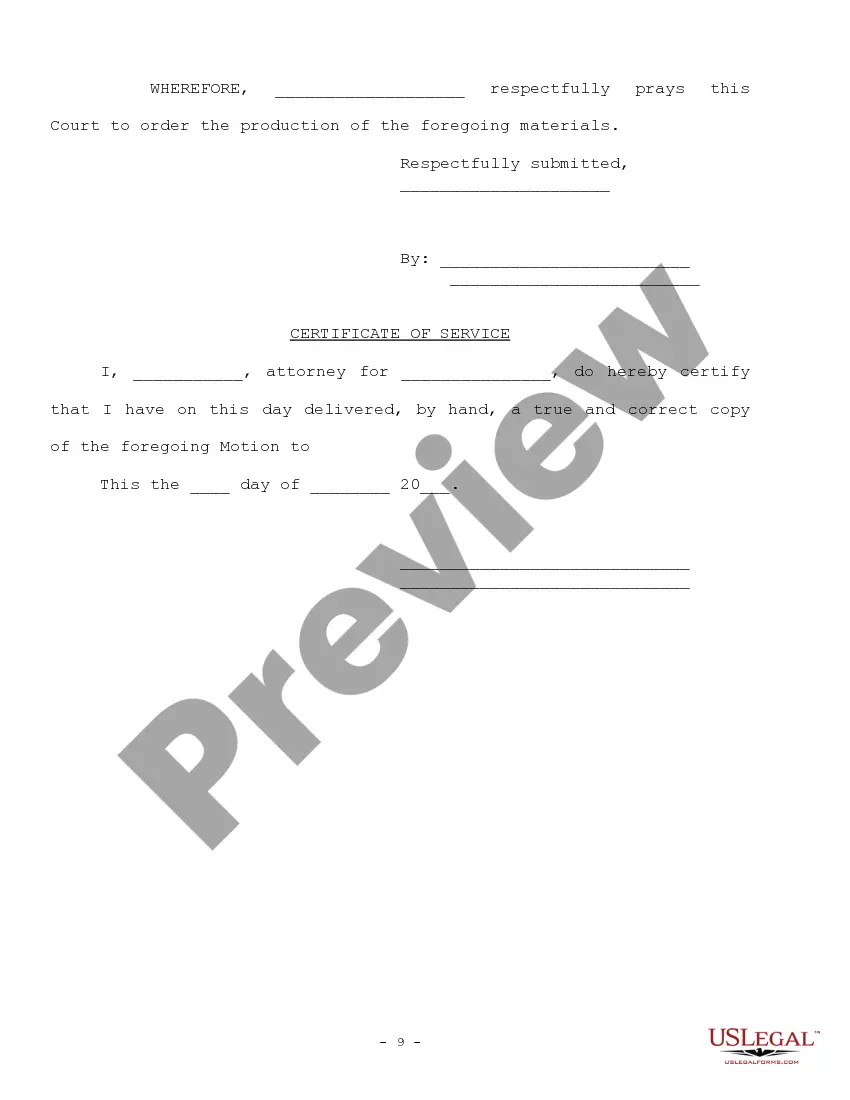
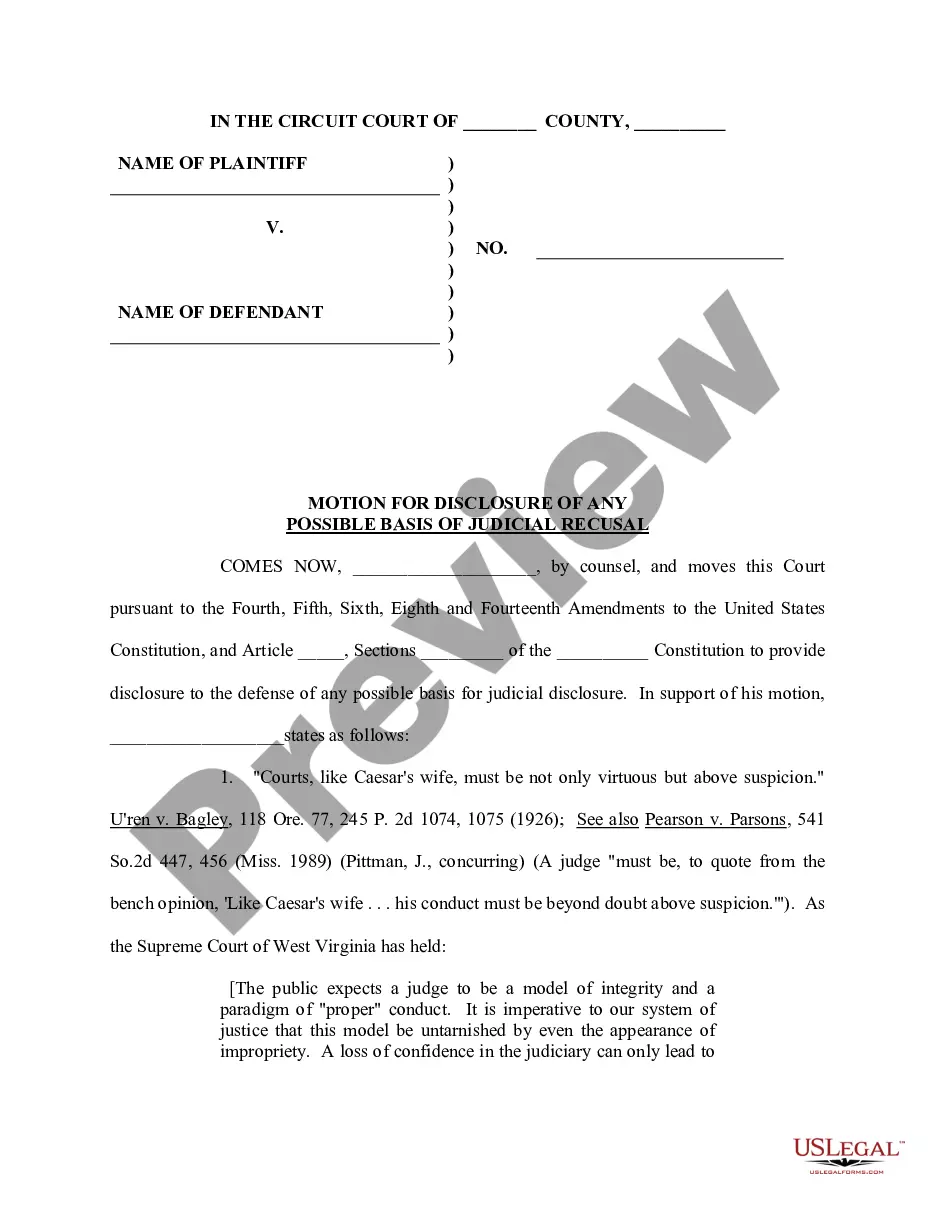
General format - each motion generally consists of a case caption, a title that briefly identifies the relief sought, a series of numbered paragraphs that explains -- in a logical way -- why you are entitled to that relief, a prayer for relief, a signature block, a certification that a copy of the motion was sent to ...
Write out each fact you wish the other party to admit is true. When writing these facts, be as clear and concise as possible. Each request must be for a single fact; do not include multiple facts, compound questions, or subparts.
Be as persuasive as possible as you write your motion in a sequential, logical format. Express your ideas clearly, and make sure you outline what steps are necessary and how they will help your case. Use facts of the case whenever you can to avoid baseless emotional appeals.
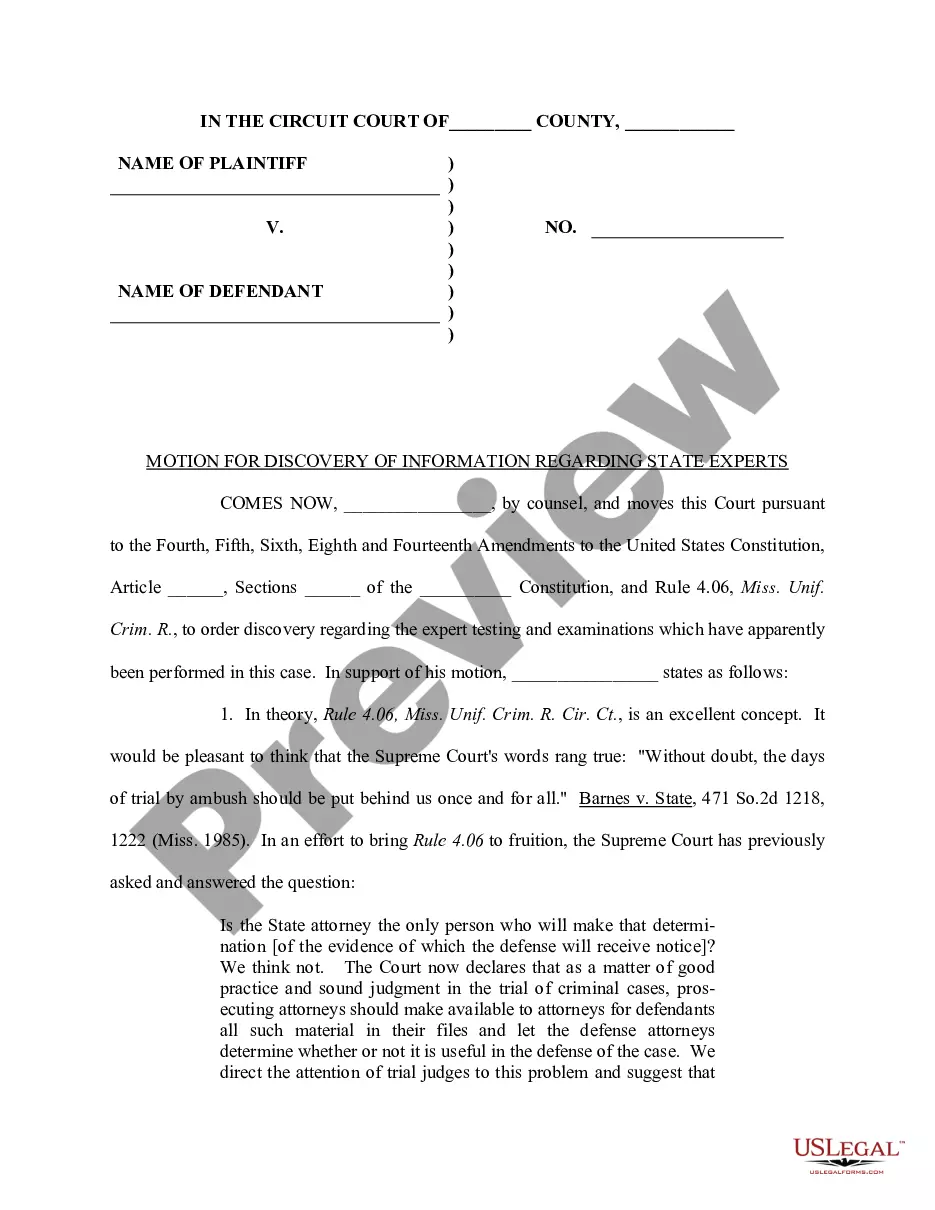
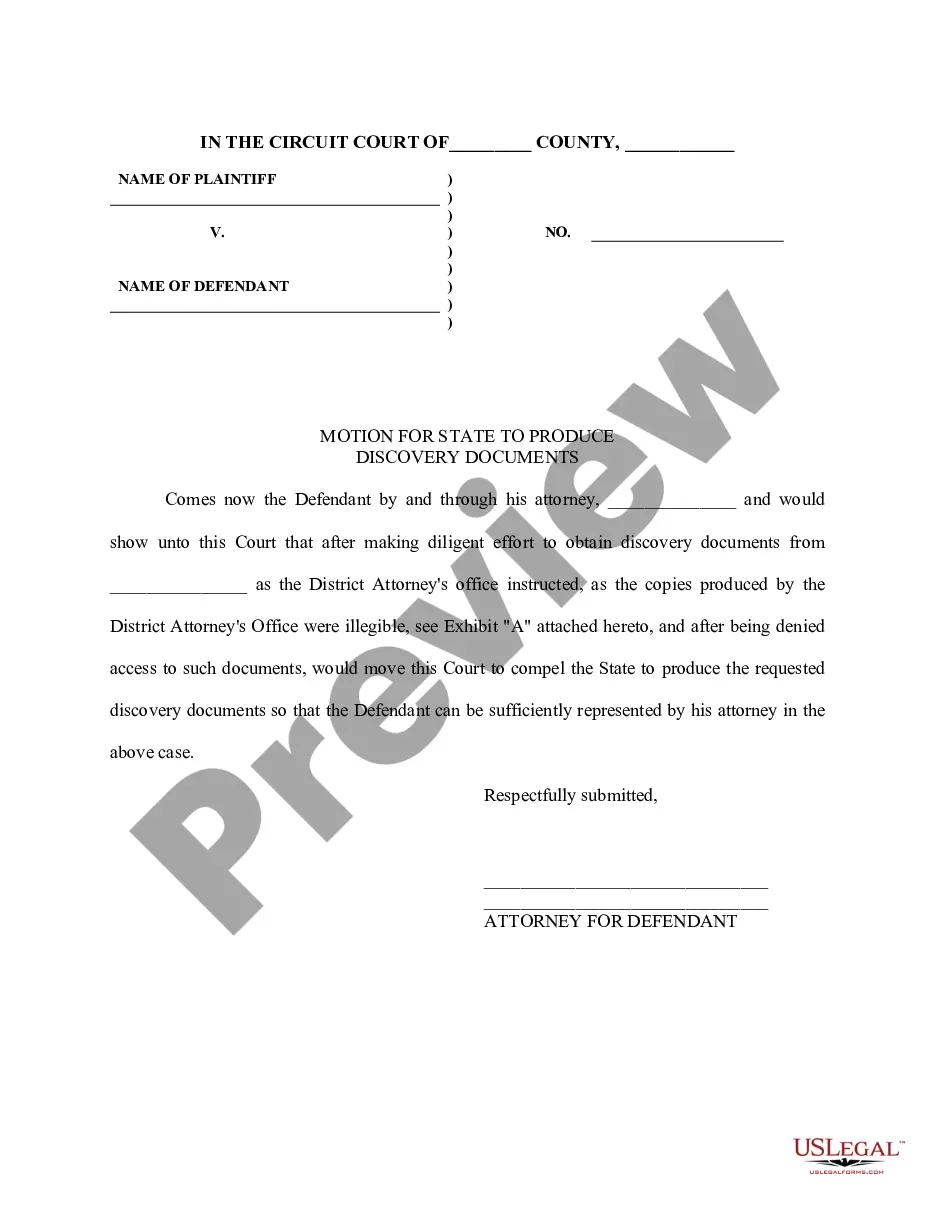
Some examples that your lawyer may request as part of their motion for discovery are: Photos or videos of the crime scene. Witness statements. Police reports or notes.