Discovery Information Statement For Businesses
Description
Get your form ready online
Our built-in tools help you complete, sign, share, and store your documents in one place.
Make edits, fill in missing information, and update formatting in US Legal Forms—just like you would in MS Word.
Download a copy, print it, send it by email, or mail it via USPS—whatever works best for your next step.
Sign and collect signatures with our SignNow integration. Send to multiple recipients, set reminders, and more. Go Premium to unlock E-Sign.
If this form requires notarization, complete it online through a secure video call—no need to meet a notary in person or wait for an appointment.
We protect your documents and personal data by following strict security and privacy standards.

Make edits, fill in missing information, and update formatting in US Legal Forms—just like you would in MS Word.

Download a copy, print it, send it by email, or mail it via USPS—whatever works best for your next step.

Sign and collect signatures with our SignNow integration. Send to multiple recipients, set reminders, and more. Go Premium to unlock E-Sign.

If this form requires notarization, complete it online through a secure video call—no need to meet a notary in person or wait for an appointment.

We protect your documents and personal data by following strict security and privacy standards.
Looking for another form?



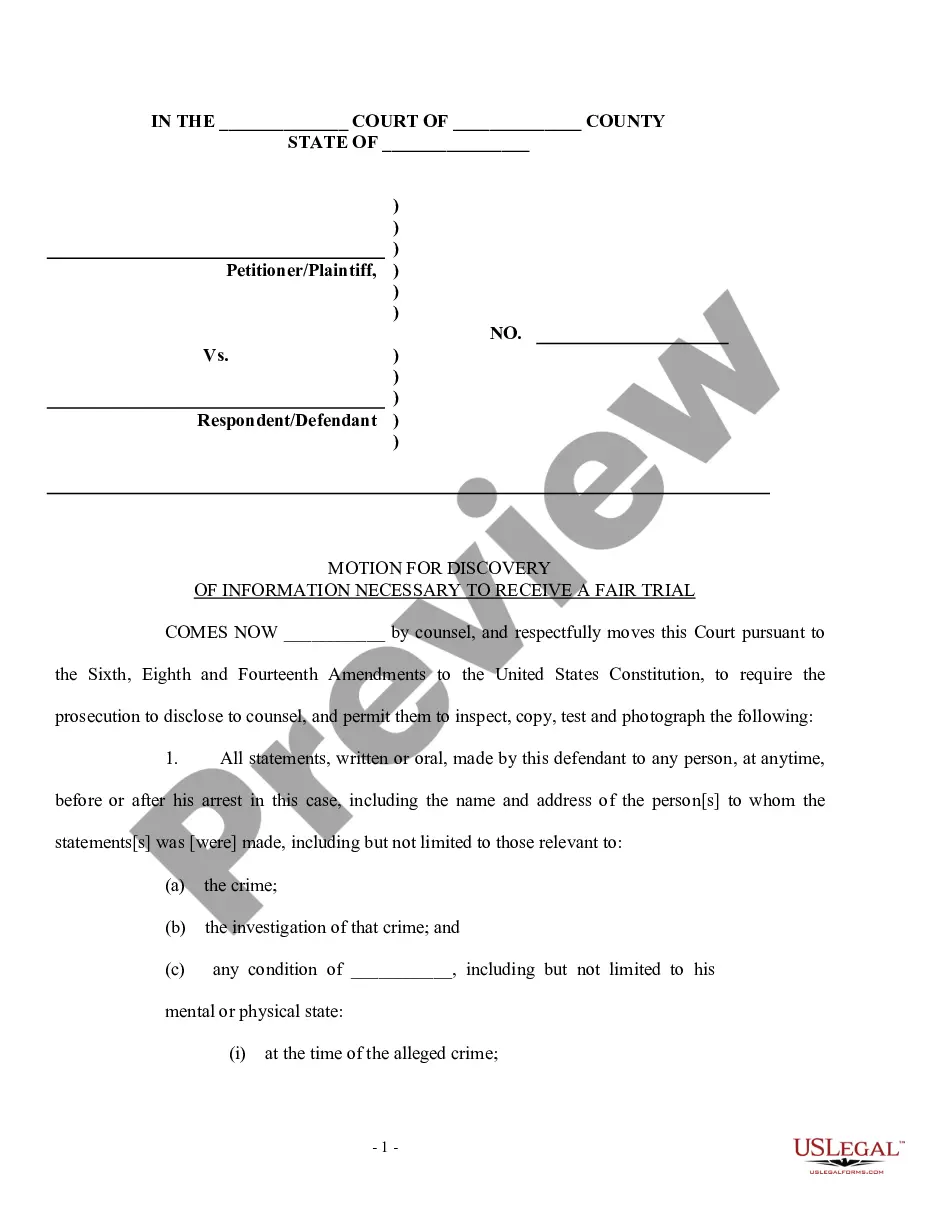
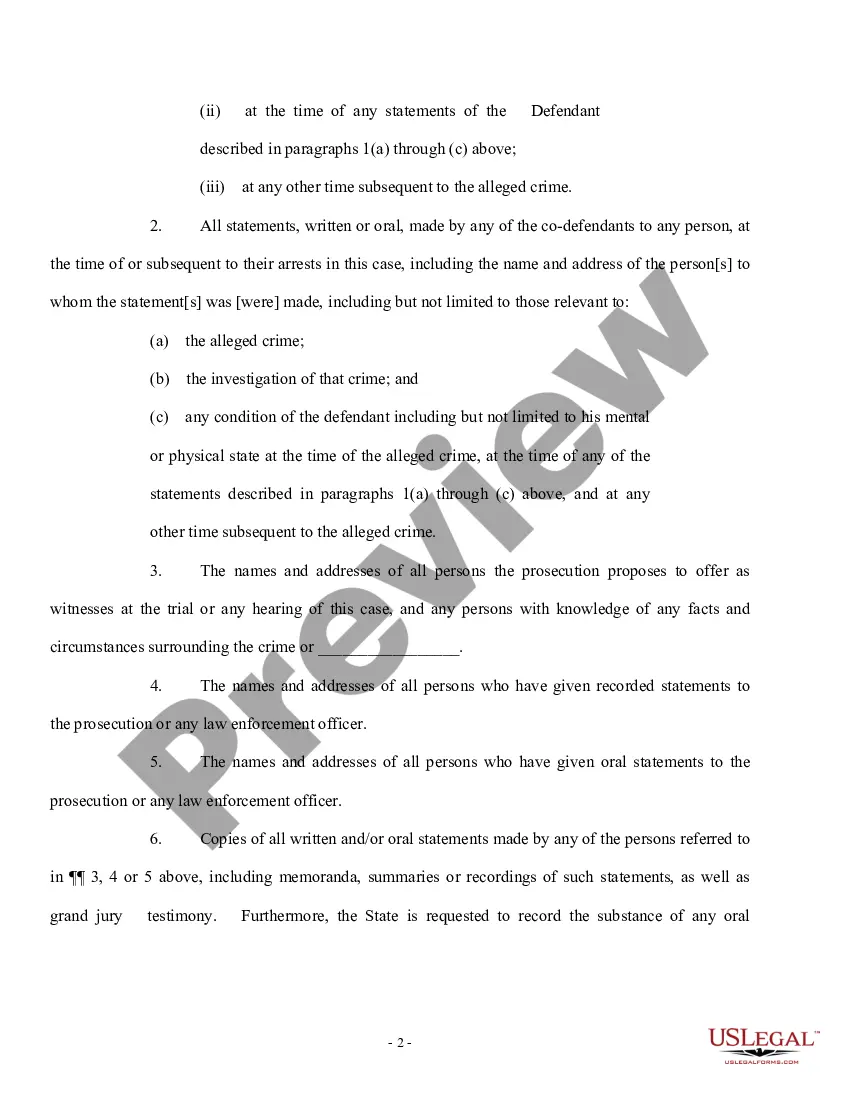
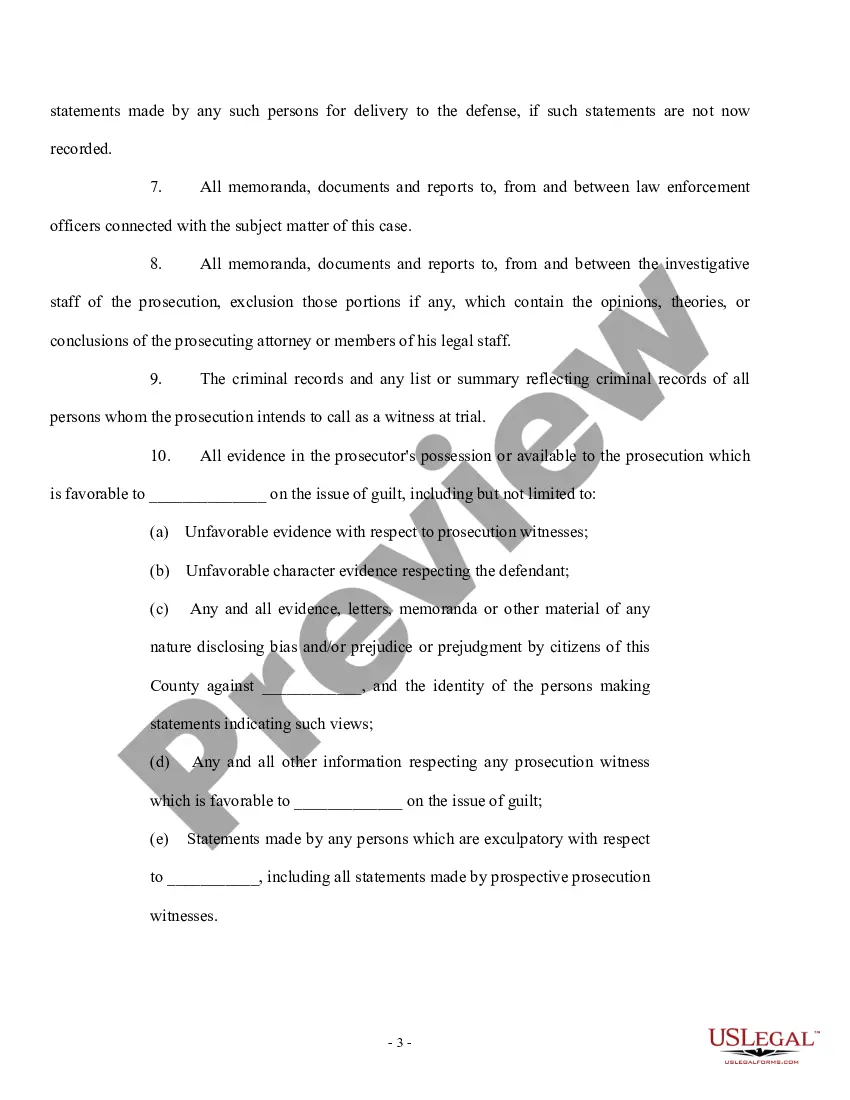
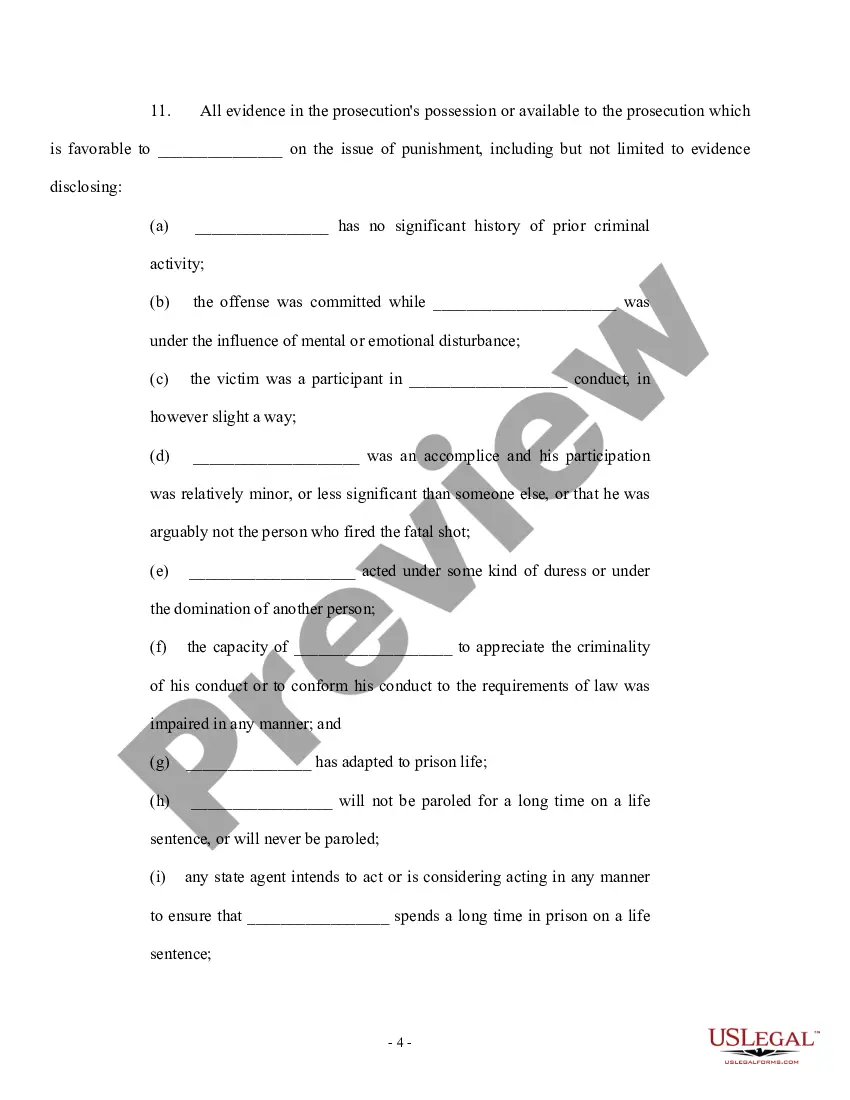
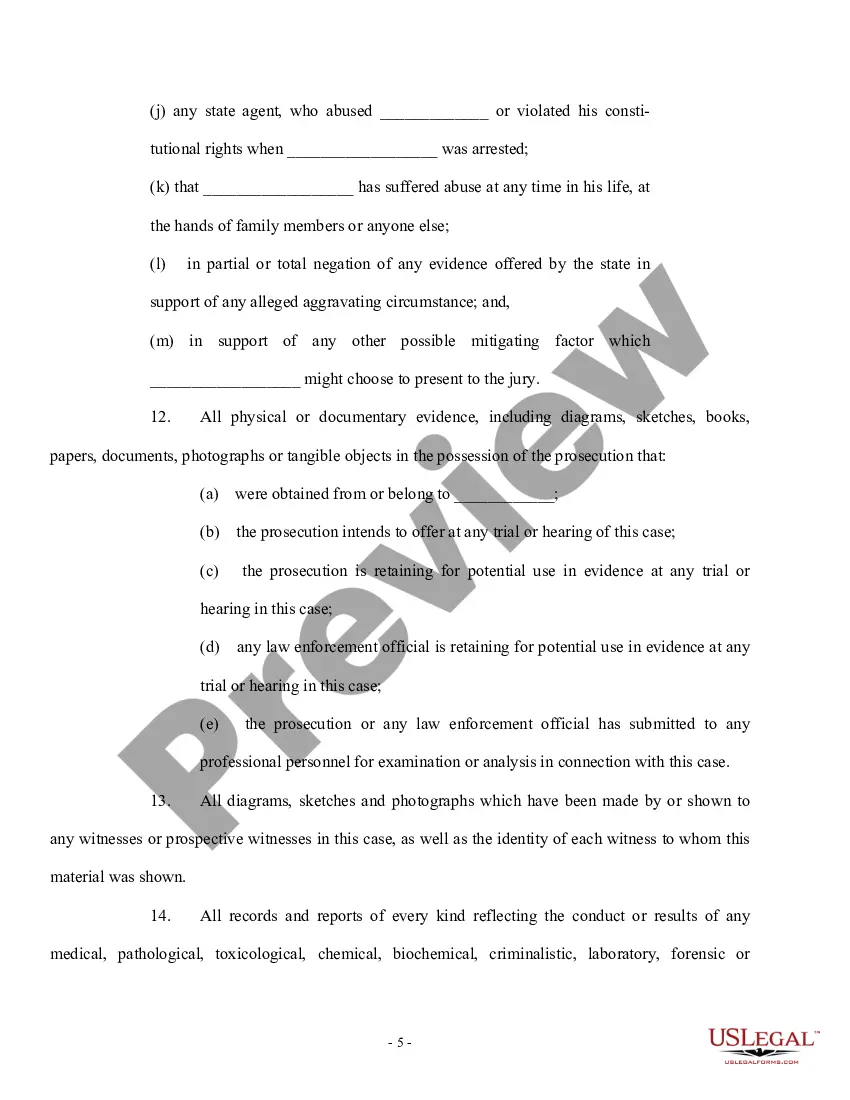
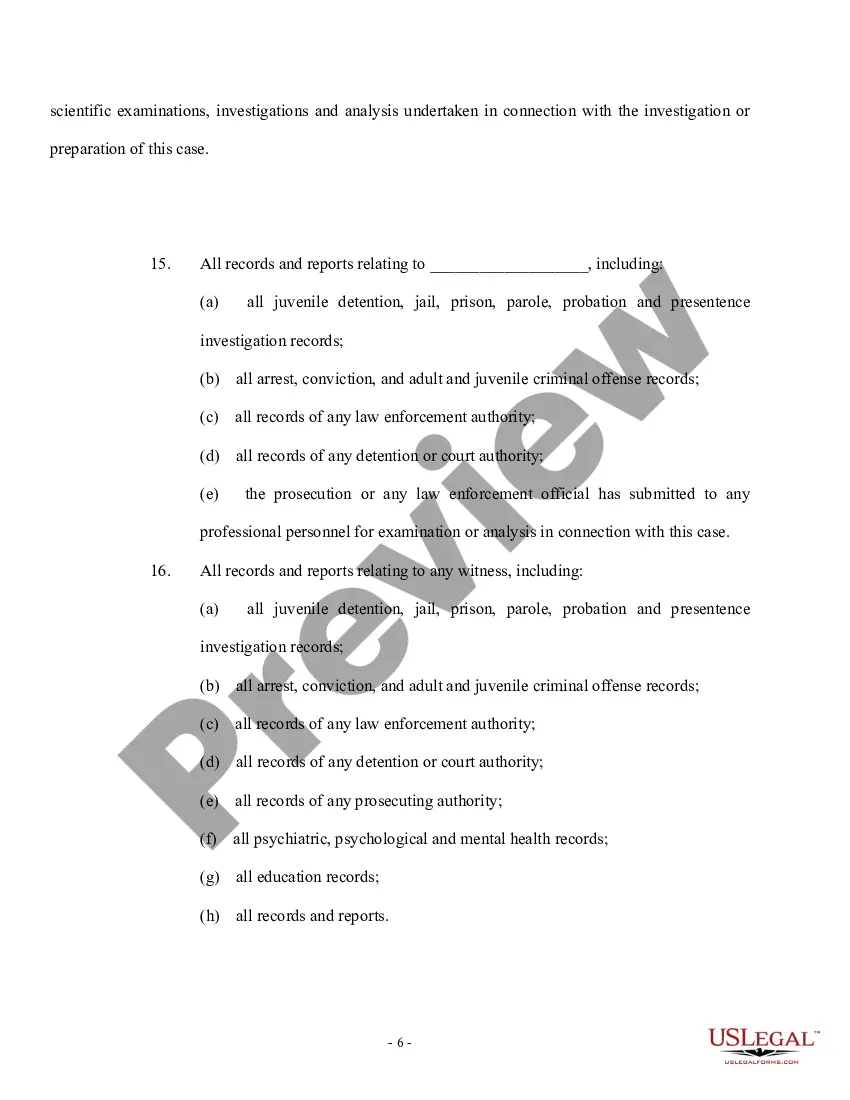
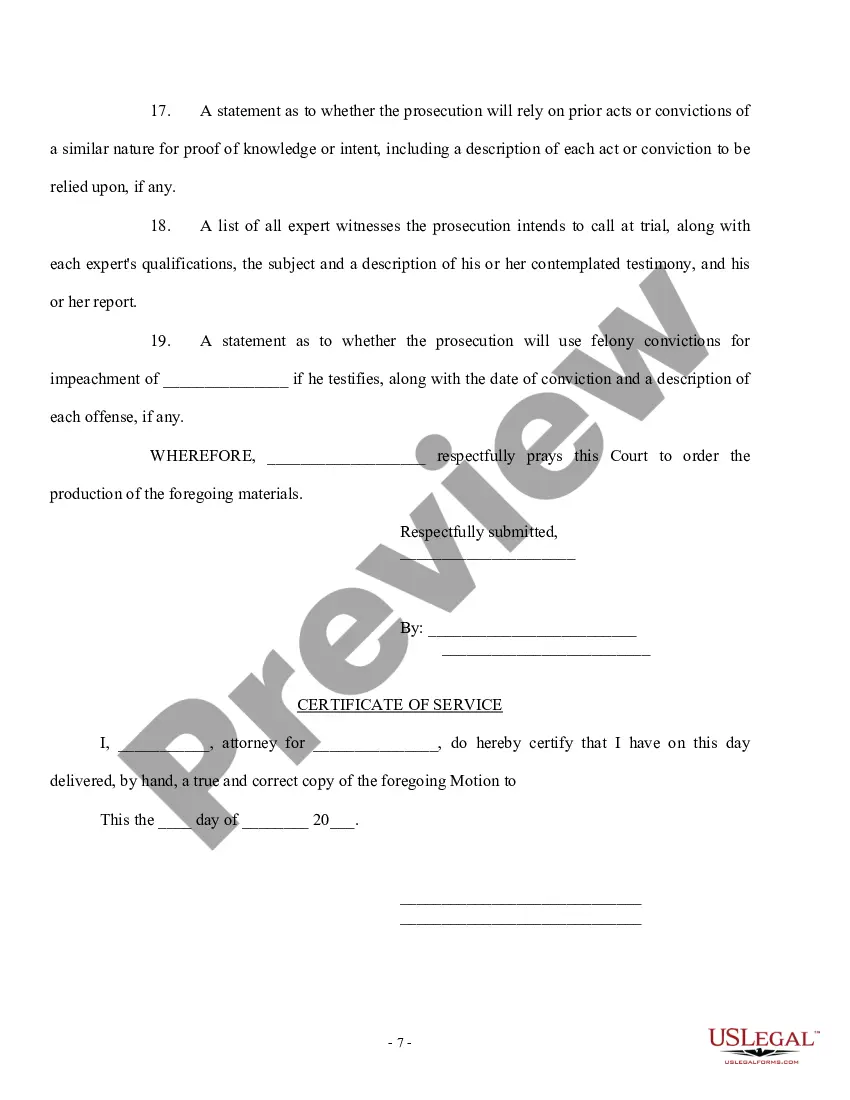
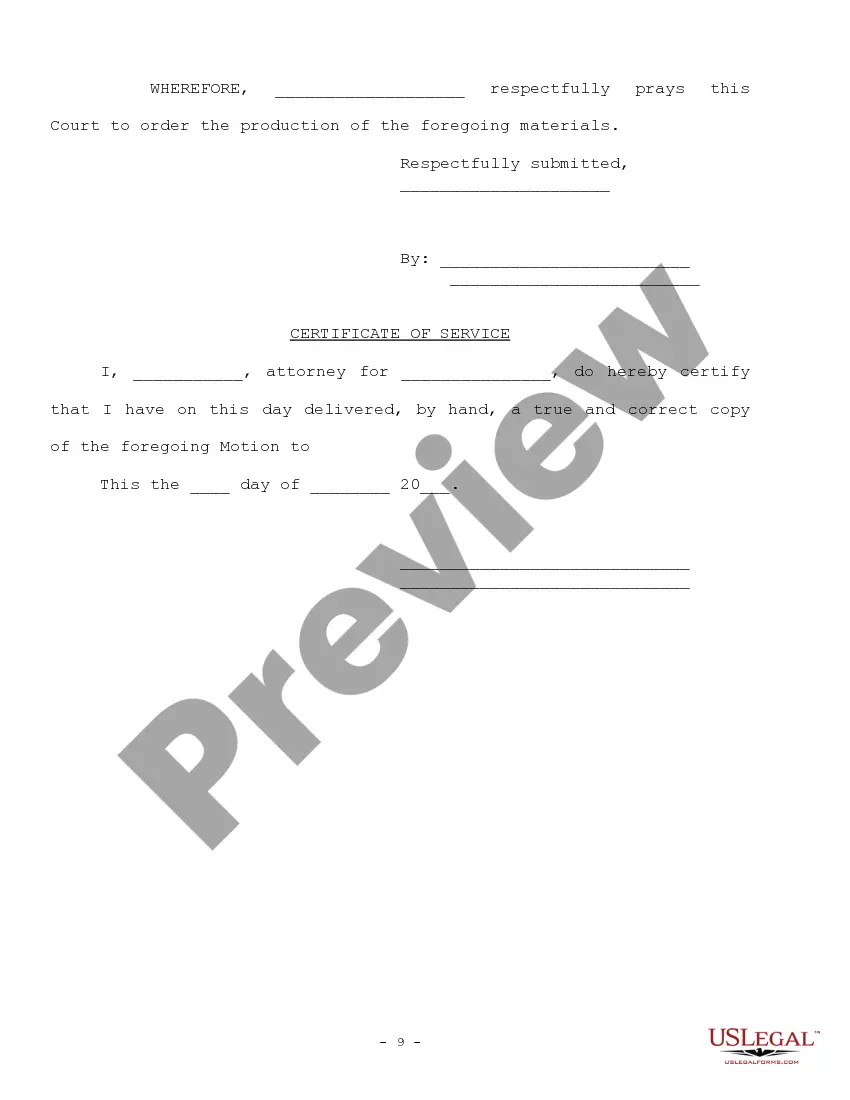
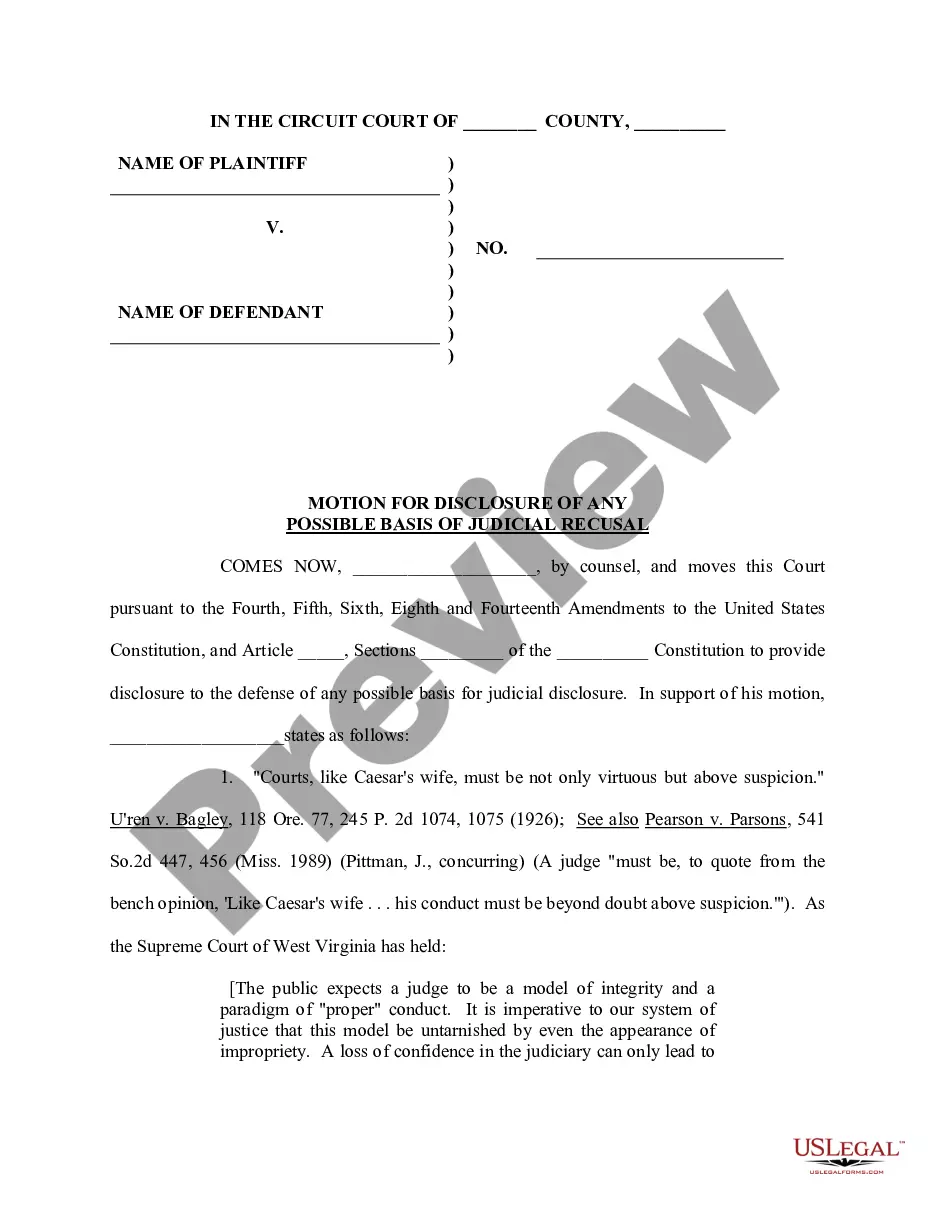
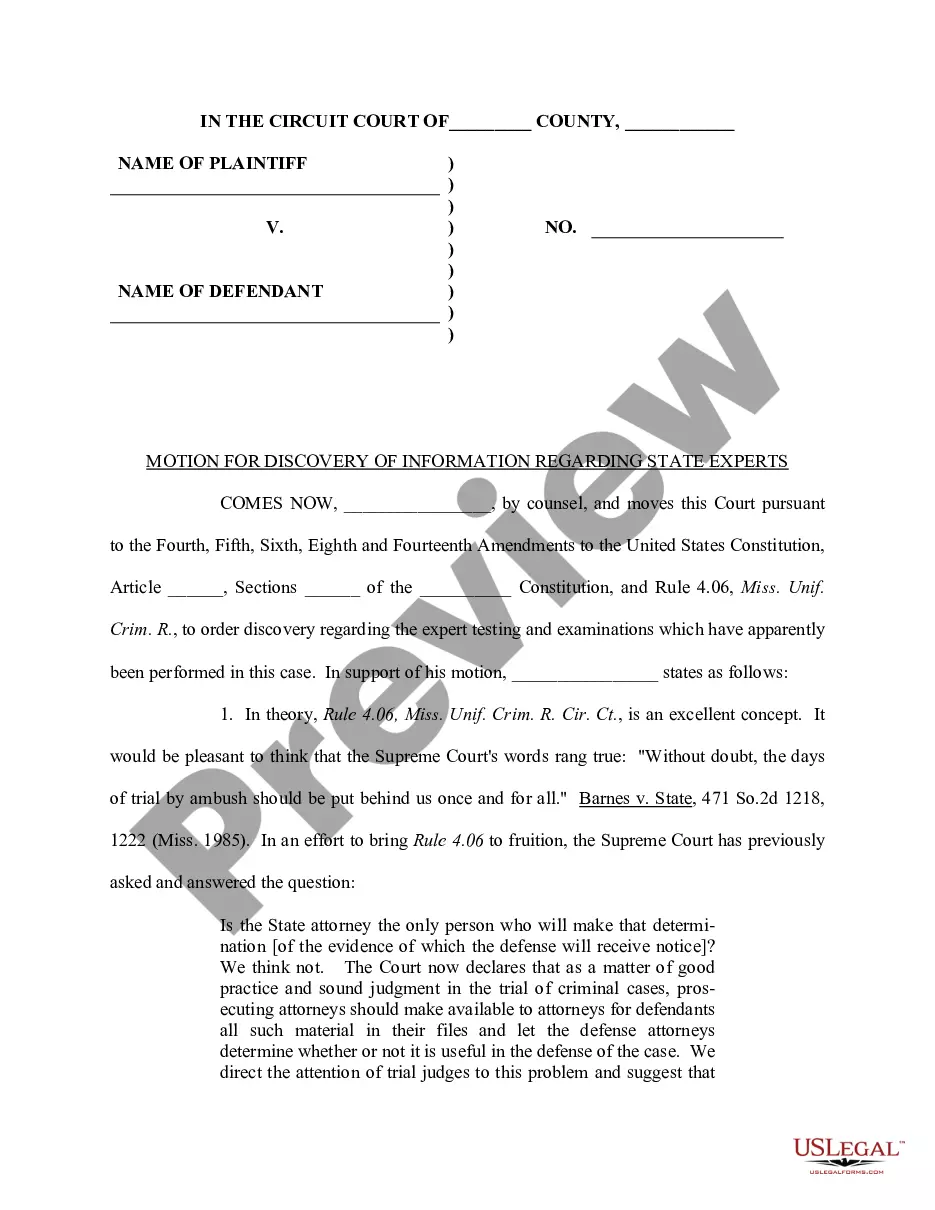
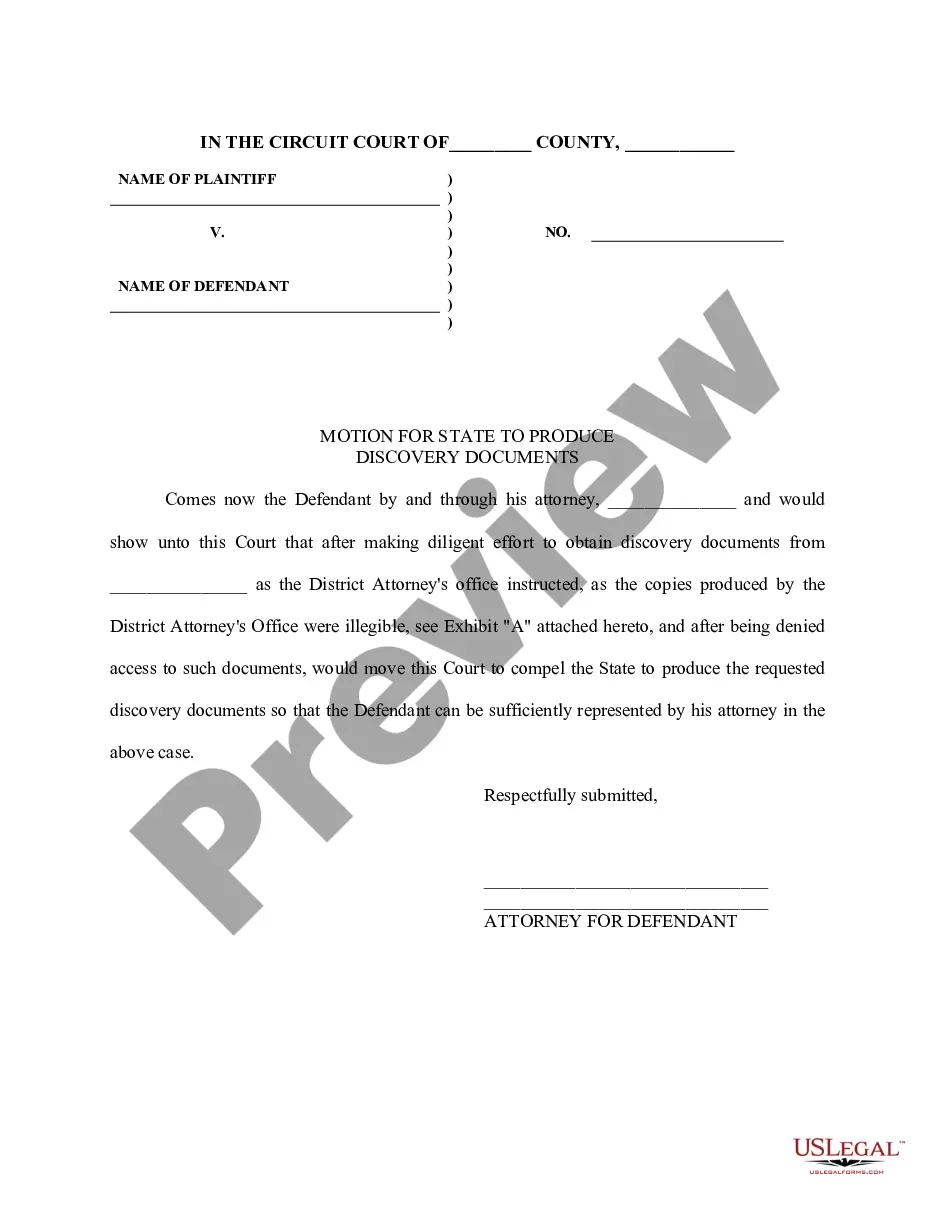
How to fill out Motion For Discovery Of Information Necessary To Receive A Fair Trial?
Creating legal documents from the ground up can occasionally be daunting. Some situations may require extensive research and significant financial investment.
If you are seeking a simpler and more economical method of generating Discovery Information Statement For Businesses or any other documentation without unnecessary complications, US Legal Forms is always accessible.
Our digital repository of over 85,000 current legal forms encompasses nearly every aspect of your financial, legal, and personal affairs.
With just a few clicks, you can swiftly obtain state- and county-compliant documents meticulously prepared for you by our legal experts.
Examine the document preview and descriptions to ensure you have located the appropriate form. Confirm that the template you select adheres to the laws and regulations of your state and county. Choose the most suitable subscription plan to obtain the Discovery Information Statement For Businesses. Download the form, then complete it, sign it, and print it. US Legal Forms has a pristine reputation and over 25 years of expertise. Join us today and make form completion straightforward and efficient!
- Utilize our platform whenever you require a dependable service through which you can effortlessly locate and download the Discovery Information Statement For Businesses.
- If you’re familiar with our offerings and have previously created an account with us, simply Log In to your account, find the form and download it or retrieve it later from the My documents section.
- Not registered yet? No problem. Setting it up and exploring the library takes minimal time.
- Before proceeding to download the Discovery Information Statement For Businesses, consider these suggestions.
Form popularity
FAQ
Under the simplified procedure, parties present their evidence using affidavits that have been sworn or affirmed by their witnesses and transcripts from the examination for discovery. Witnesses only testify in person if they are called to be cross-examined by another party.
Commonly referred to simply as ?Discovery?, this is a process where each party asks the opposing party (or parties) questions about the matters at issue. Details on an Examination for Discovery can be found at Rule 31 of Ontario's Rules of Civil Procedure. Discovery usually occurs after pleadings have been filed.
Discovery enables everyone involved to know the facts and information about the case. Discovery may be completed before settlement negotiations occur and certainly before a trial beings. Discovery consists of four key actions: interrogatories, requests for production, requests for admission and depositions.
What questions will be asked during my examination for discovery? What to do at the scene of an accident? What to do after an accident? Should I contact police after a car accident? How long do I have to report a car accident? Should I go to the doctors after a car accident? What is a personal injury claim?
Here's what every lawyer should consider when creating a discovery plan: 1) Agree on timelines for your discovery plan. ... 2) Provide a list of custodians. ... 3) Lay out parameters for information disclosure. ... 4) Keep legal holds in mind. ... 5) Make sure preservation methods are forensically sound. ... 6) Define protective orders.