Invasion Transmit Privacy Without Consent
Description
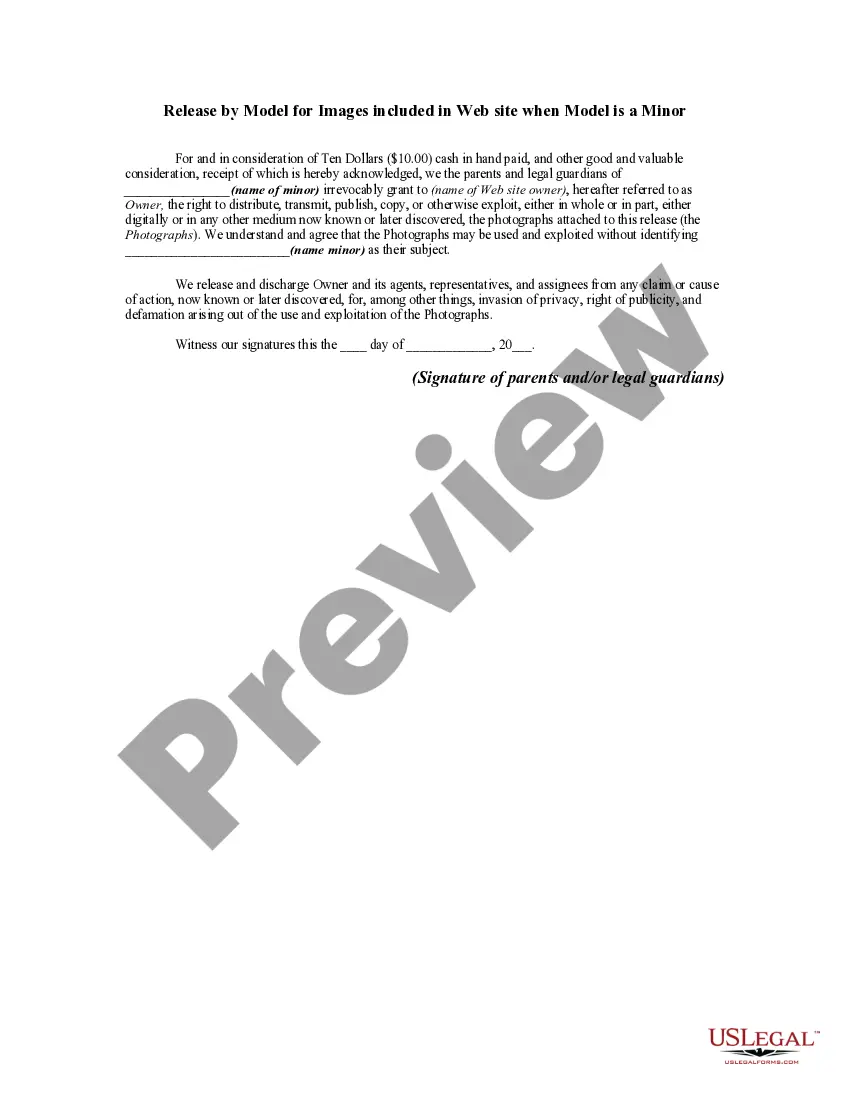
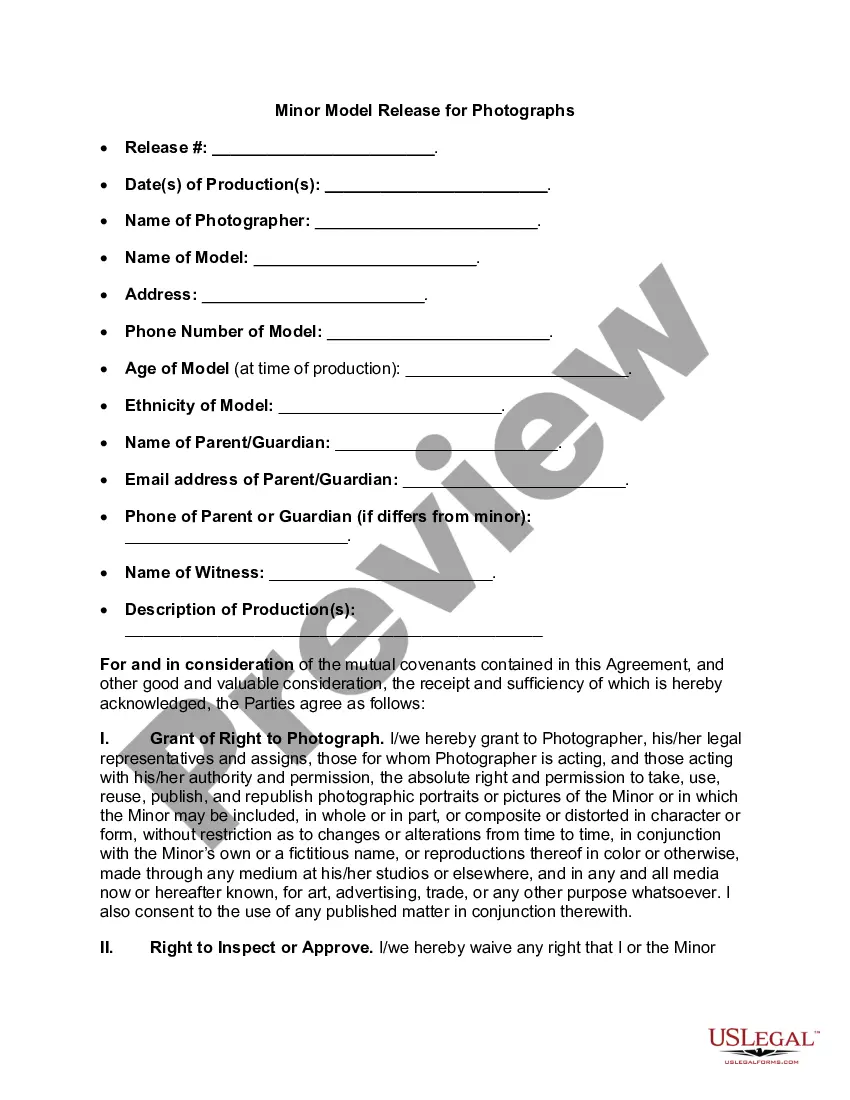
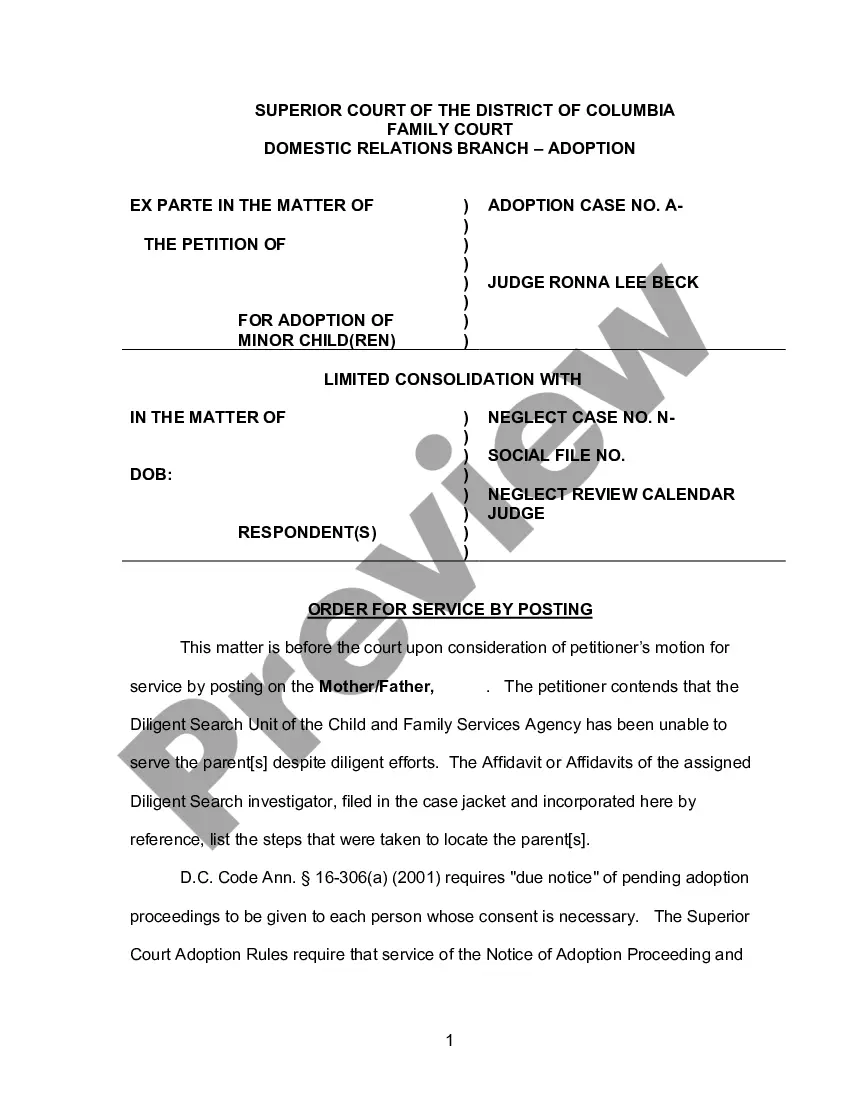

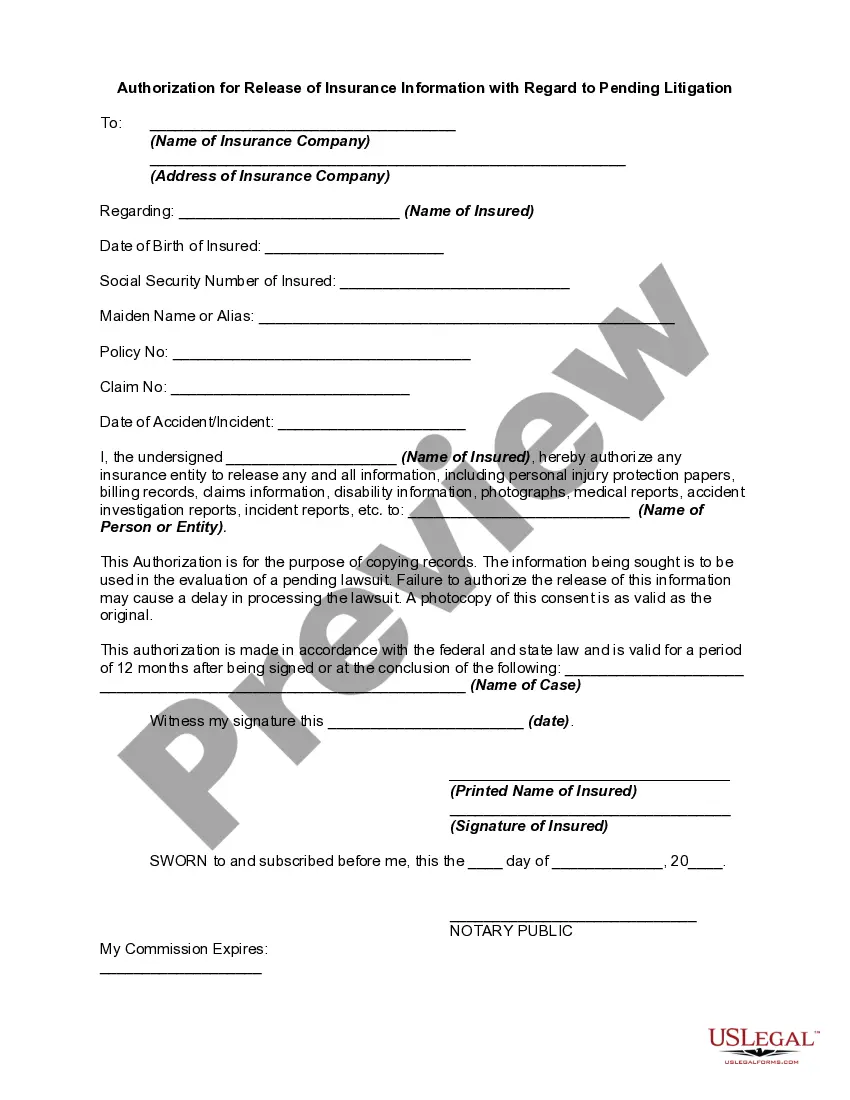
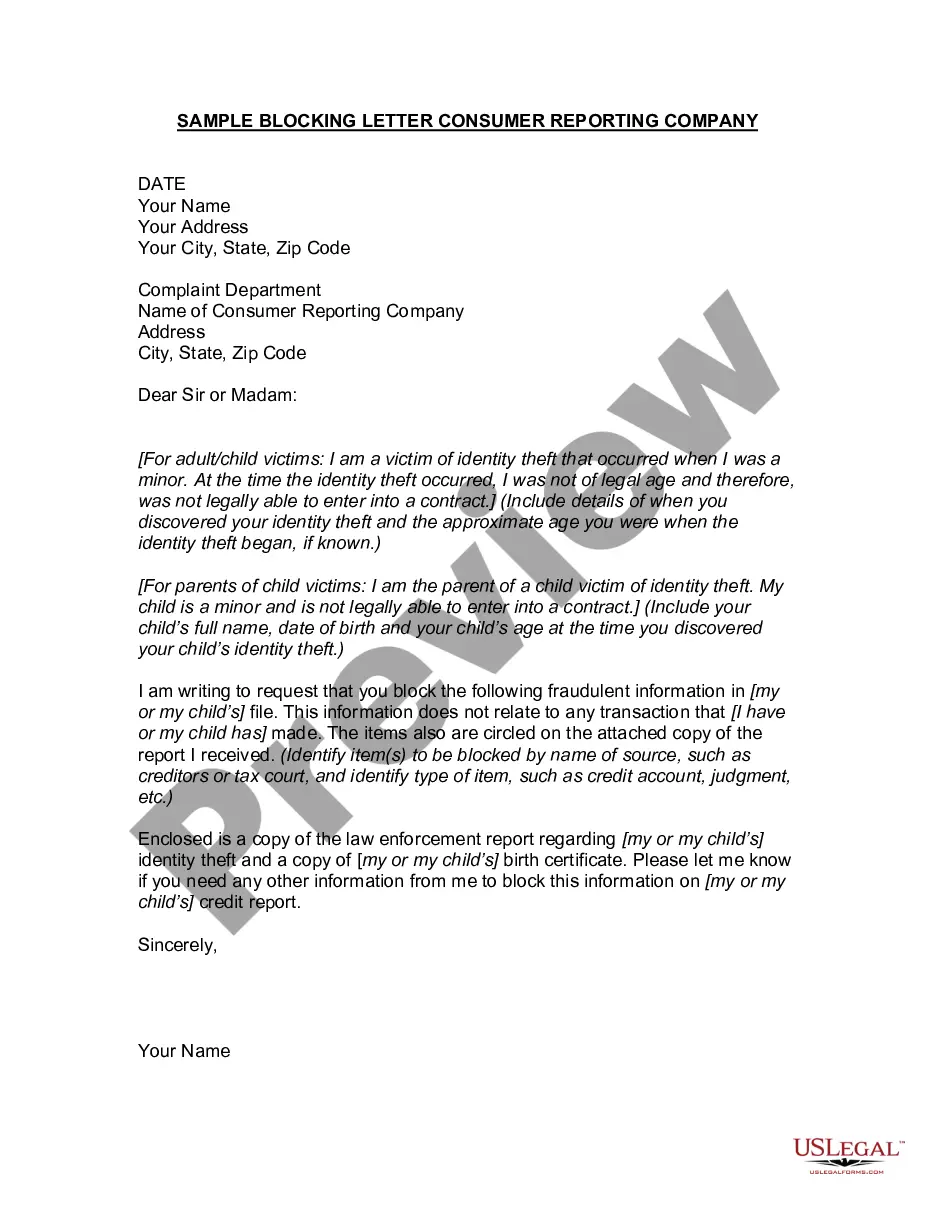
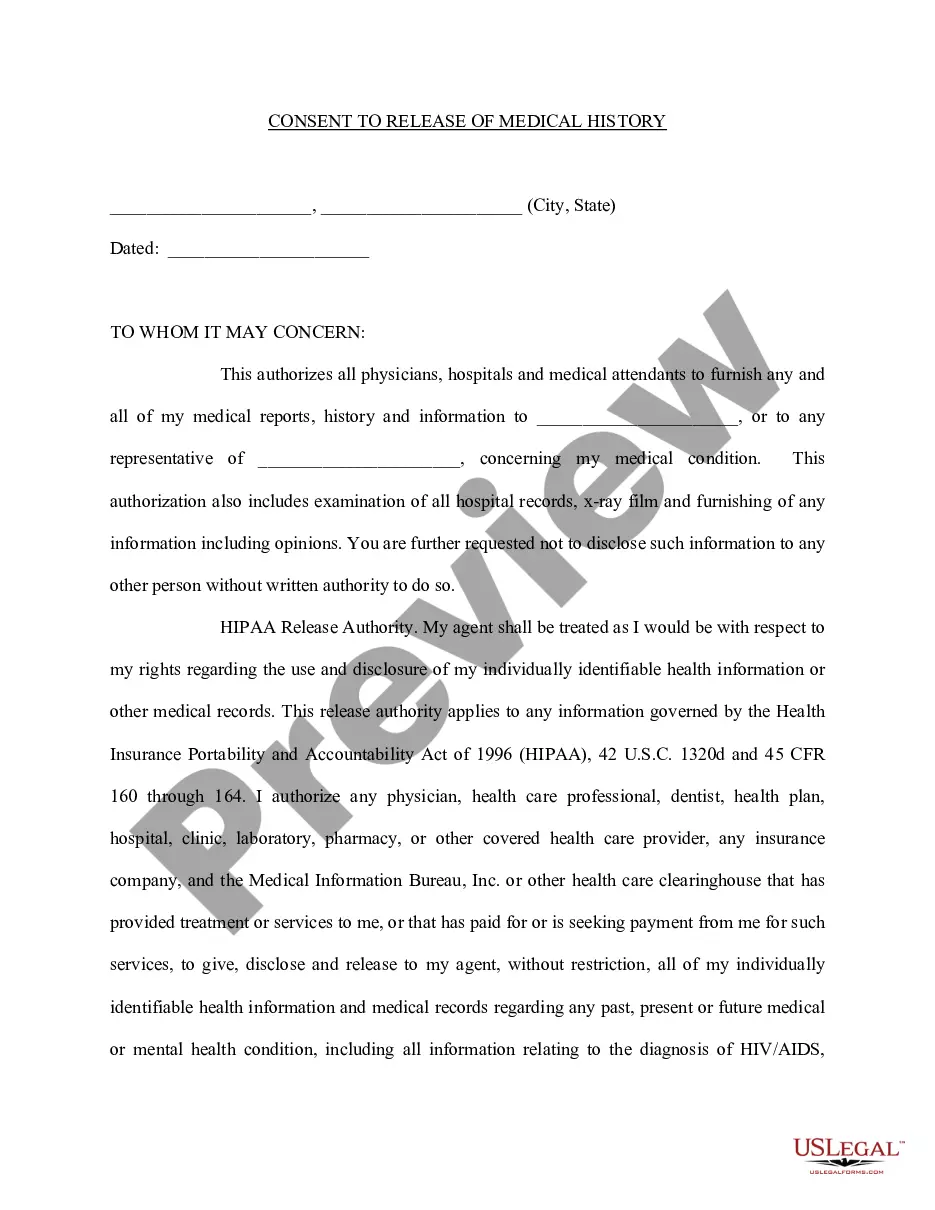
How to fill out Release By Model For Images Included In Web Site?
Obtaining legal templates that comply with federal and state regulations is crucial, and the web provides numerous choices to select from.
However, what’s the benefit of spending time searching for the right Invasion Transmit Privacy Without Consent document online when the US Legal Forms digital library already compiles such templates in one location.
US Legal Forms is the largest online legal directory with over 85,000 editable templates crafted by attorneys for all business and personal situations.
View the template using the Preview feature or via the text outline to confirm it satisfies your needs.
- They are simple to navigate with all files categorized by state and purpose.
- Our experts stay current with legal changes, so you can always be confident your documents are updated and compliant when acquiring an Invasion Transmit Privacy Without Consent from our site.
- Acquiring an Invasion Transmit Privacy Without Consent is swift and straightforward for both existing and new users.
- If you already possess an account with an active subscription, Log In and download the document sample you need in your desired format.
- If you are new to our platform, follow the instructions below.
Form popularity
FAQ
To prove invasion of privacy, you need to demonstrate that your privacy was invaded without your consent. This includes showing that information about you was disclosed or used in a way that a reasonable person would find offensive. It's important to gather evidence, such as emails, texts, or witness statements, that supports your claim. Using a platform like US Legal Forms can help you understand the legal requirements and assist you in filing the necessary documents to address the invasion transmit privacy without consent.
If someone invades your privacy, you may have legal options to address the issue, especially if it involves an invasion that transmits privacy without consent. Document the incident and gather any evidence, as this can be crucial for any potential legal action. Seeking advice from legal professionals can help you understand your rights and the steps you can take to protect yourself. Platforms like US Legal Forms offer valuable resources to assist you in navigating these complex situations.
Yes, invading someone's privacy can be illegal, particularly when it involves an invasion that transmits privacy without consent. Various laws protect individual rights to privacy, and violating these rights can lead to legal consequences. If you believe your privacy has been invaded, it is important to understand your rights and options for addressing the situation. Consulting legal resources, such as US Legal Forms, can provide clarity and guidance.
An invasion of privacy qualifies when someone intrudes into your personal life without your consent, causing emotional distress or harm. This includes unauthorized surveillance, sharing private information, or using deceptive means to access your data. Understanding the nuances of your situation is crucial, as privacy laws can vary. If you feel your rights have been violated, uslegalforms can help you explore your legal options.
To prove invasion of privacy, you need to collect evidence that supports your claim. This includes documentation of the incident, witness testimonies, and any relevant communications that show the breach of privacy. You also need to establish that the invasion transmit privacy without consent occurred in a manner that a reasonable person would find intrusive. Consulting with legal experts can help you gather and present this evidence effectively.
To prove invasion of privacy, you must demonstrate that your private information was disclosed without your consent. This involves showing that a reasonable person would find the invasion offensive and that you had a legitimate expectation of privacy. Evidence can include witness statements, documentation of unauthorized access, or digital proof of the invasion. If you need assistance navigating this process, uslegalforms can provide the necessary legal resources.
Invasion of privacy occurs when someone's personal space or information is violated without their consent. This can include unauthorized surveillance, accessing private communications, or sharing personal details without permission. It is essential to understand that the act must infringe on an individual's reasonable expectation of privacy. If you believe your invasion transmit privacy without consent has happened, seeking legal advice can help you understand your options.