3rd Party Special Needs Trust Form With 2 Points
Description
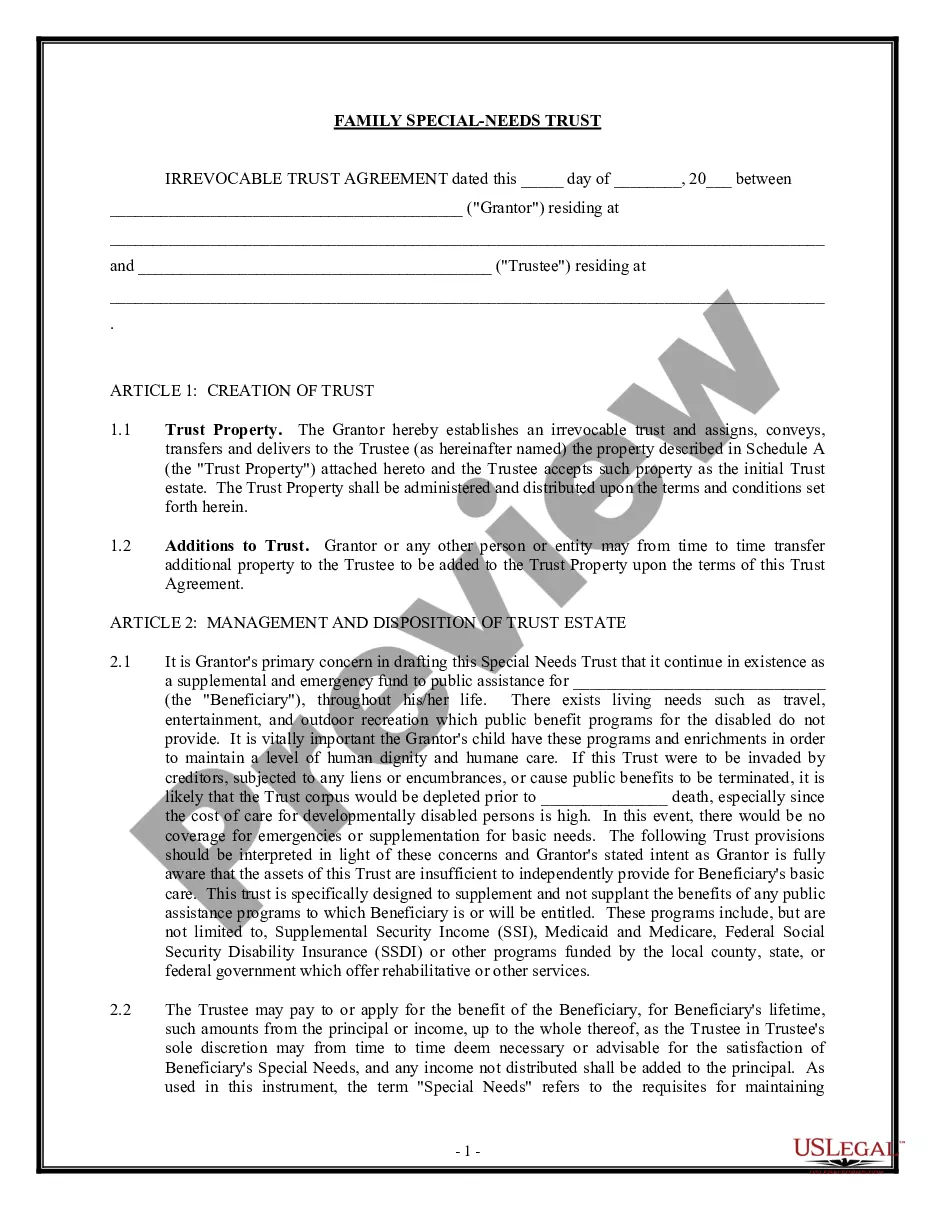
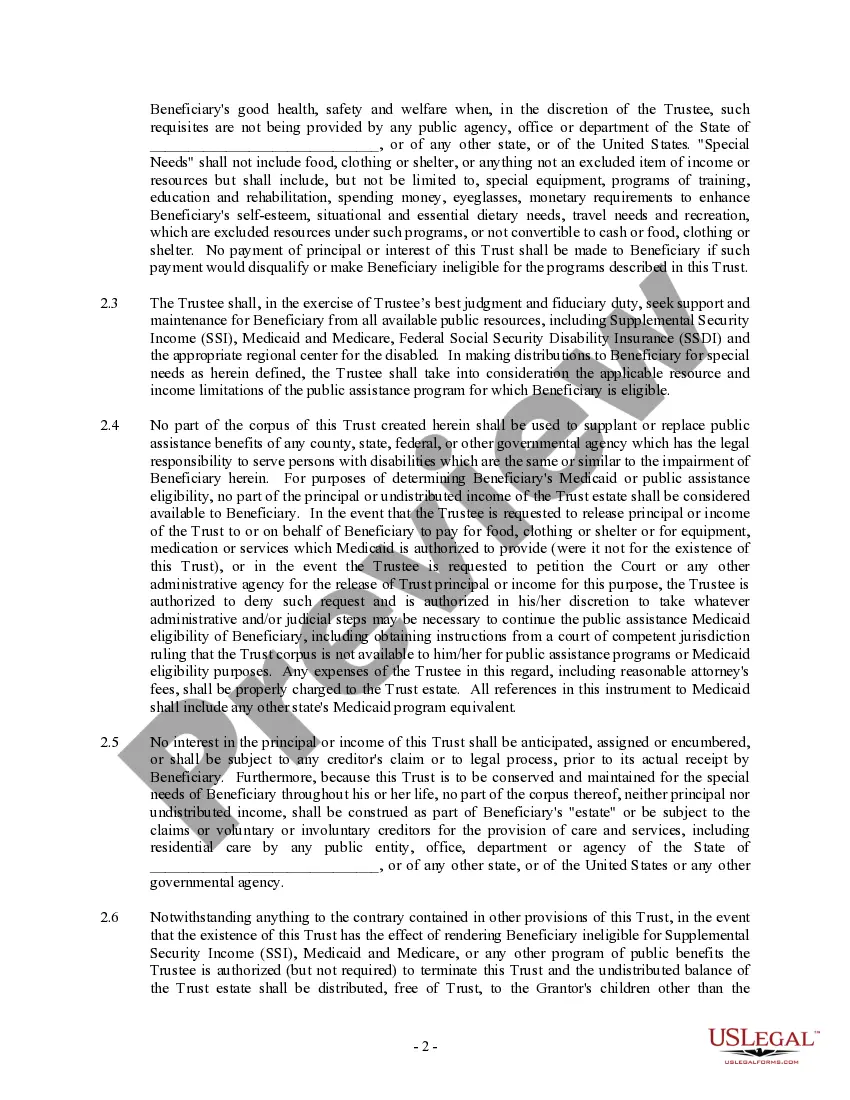
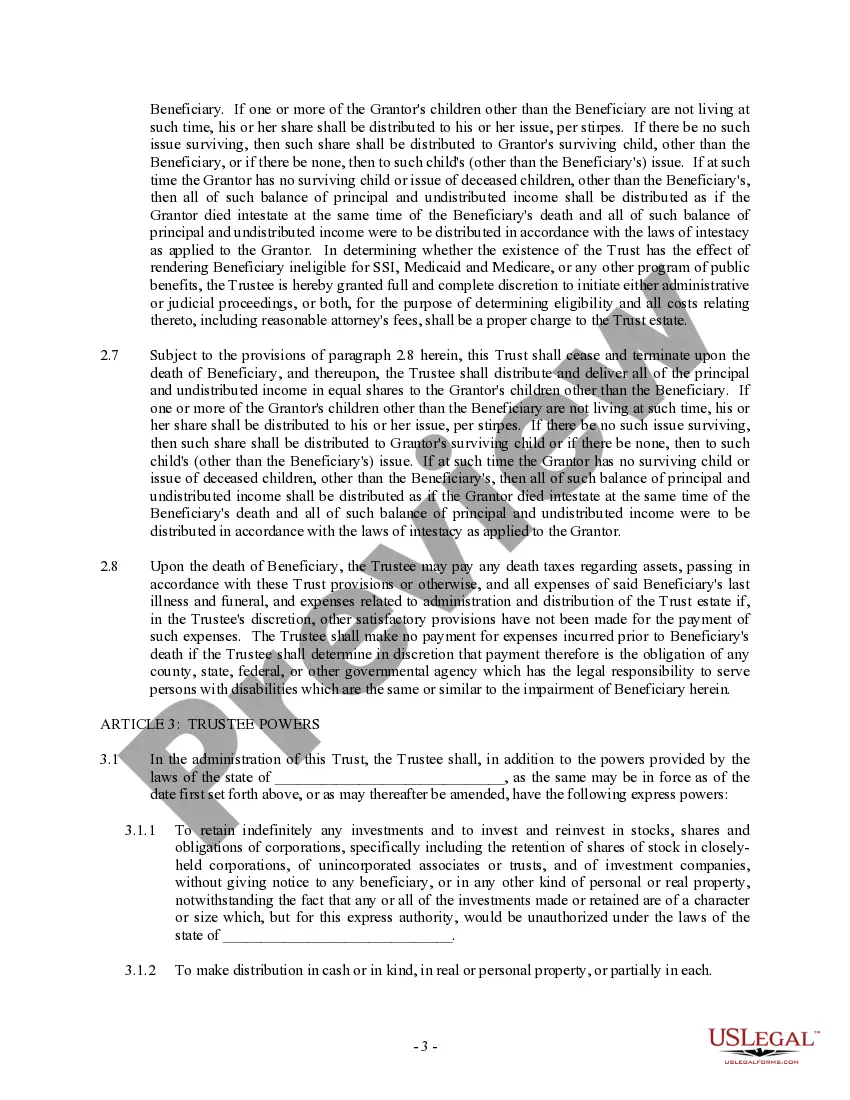
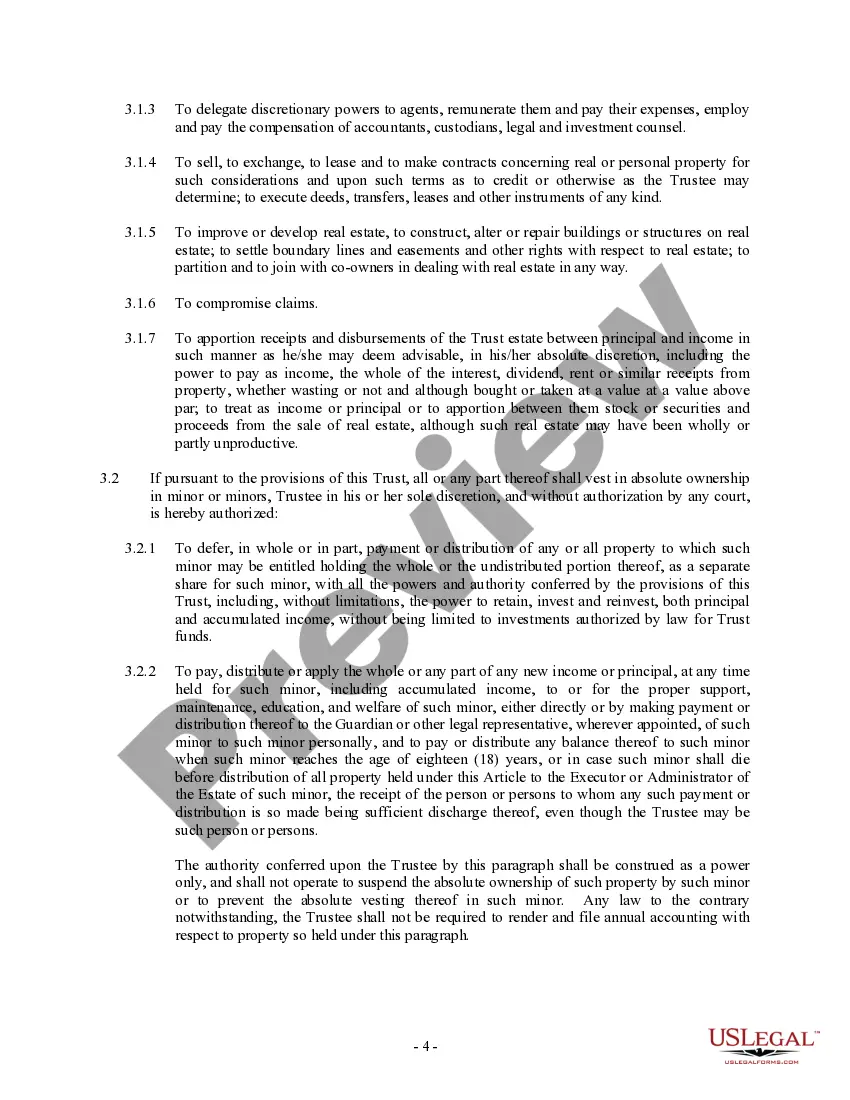

Get your form ready online
Our built-in tools help you complete, sign, share, and store your documents in one place.
Make edits, fill in missing information, and update formatting in US Legal Forms—just like you would in MS Word.
Download a copy, print it, send it by email, or mail it via USPS—whatever works best for your next step.
Sign and collect signatures with our SignNow integration. Send to multiple recipients, set reminders, and more. Go Premium to unlock E-Sign.
If this form requires notarization, complete it online through a secure video call—no need to meet a notary in person or wait for an appointment.
We protect your documents and personal data by following strict security and privacy standards.

Make edits, fill in missing information, and update formatting in US Legal Forms—just like you would in MS Word.

Download a copy, print it, send it by email, or mail it via USPS—whatever works best for your next step.

Sign and collect signatures with our SignNow integration. Send to multiple recipients, set reminders, and more. Go Premium to unlock E-Sign.

If this form requires notarization, complete it online through a secure video call—no need to meet a notary in person or wait for an appointment.

We protect your documents and personal data by following strict security and privacy standards.
Looking for another form?




How to fill out Trust Agreement - Family Special Needs?
Obtaining legal templates that adhere to federal and local regulations is essential, and the internet provides numerous alternatives to choose from.
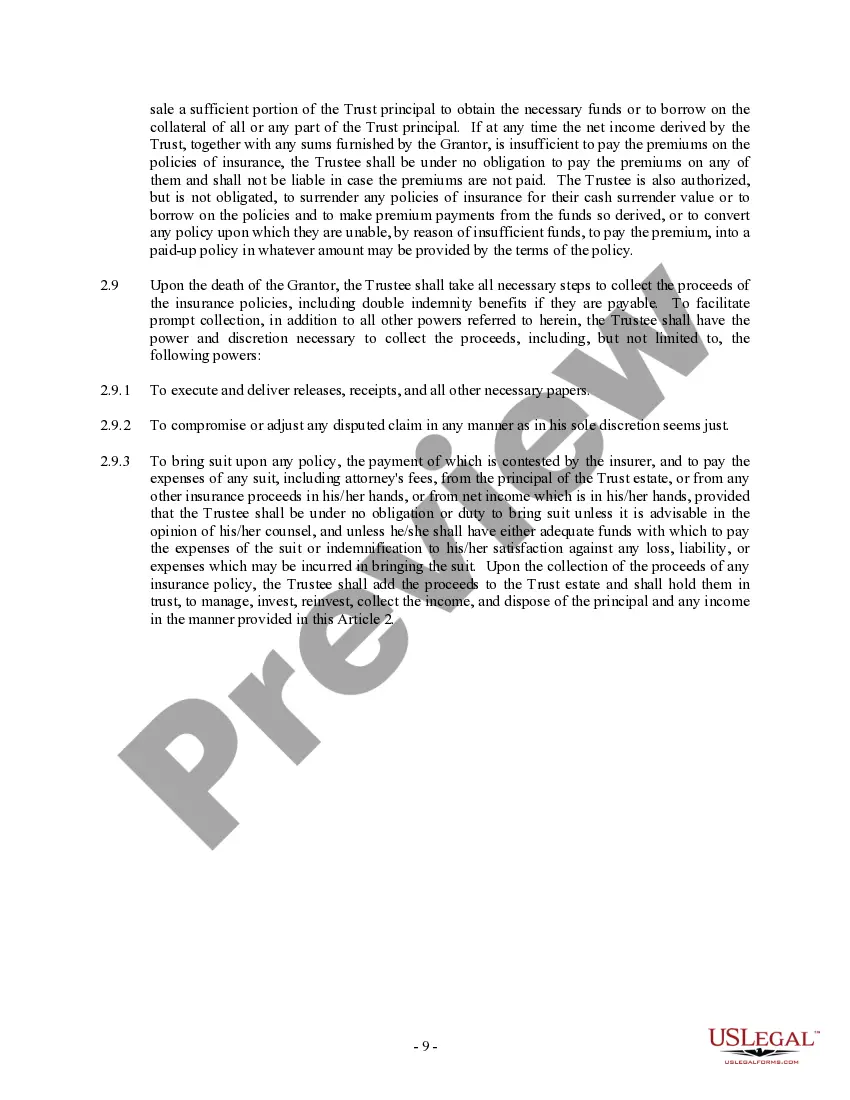
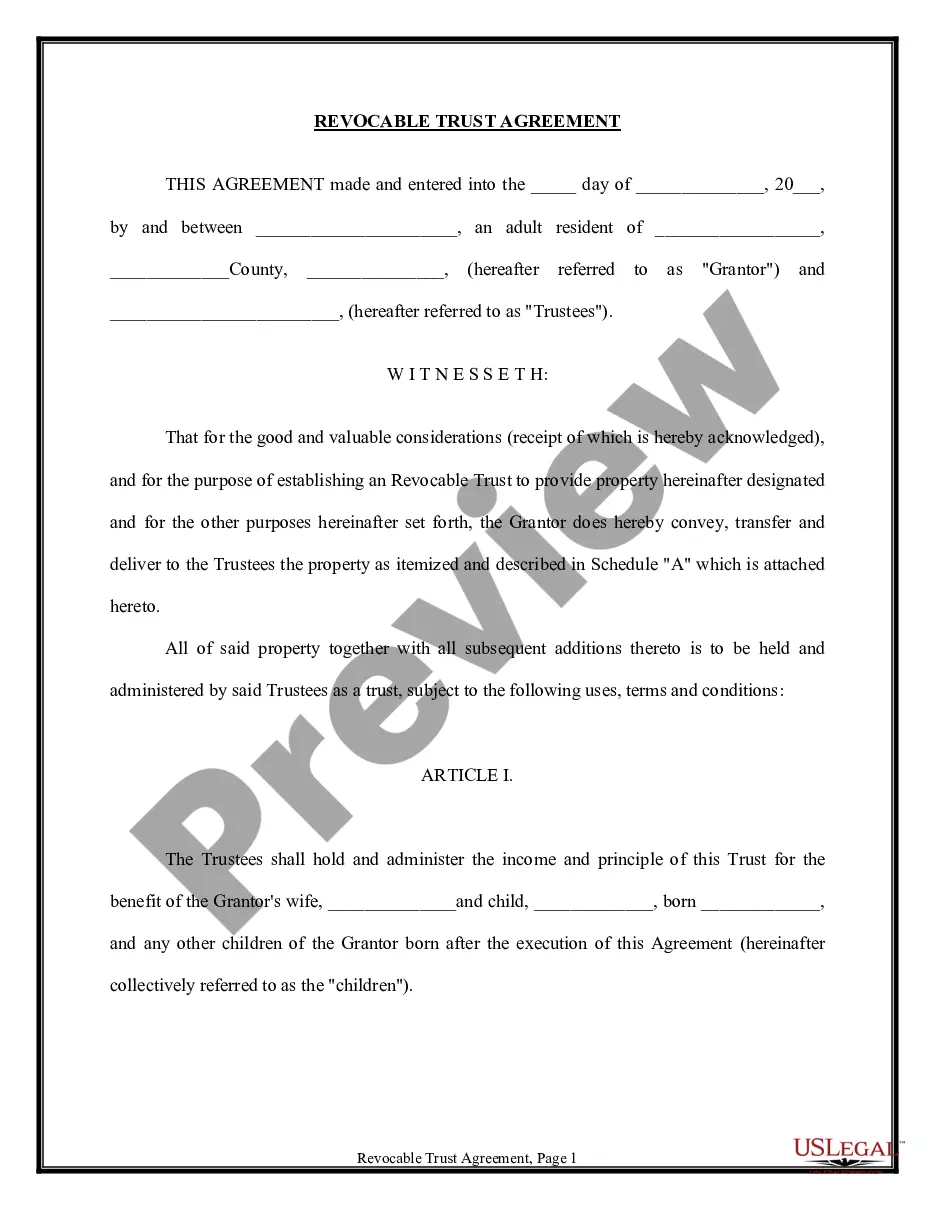
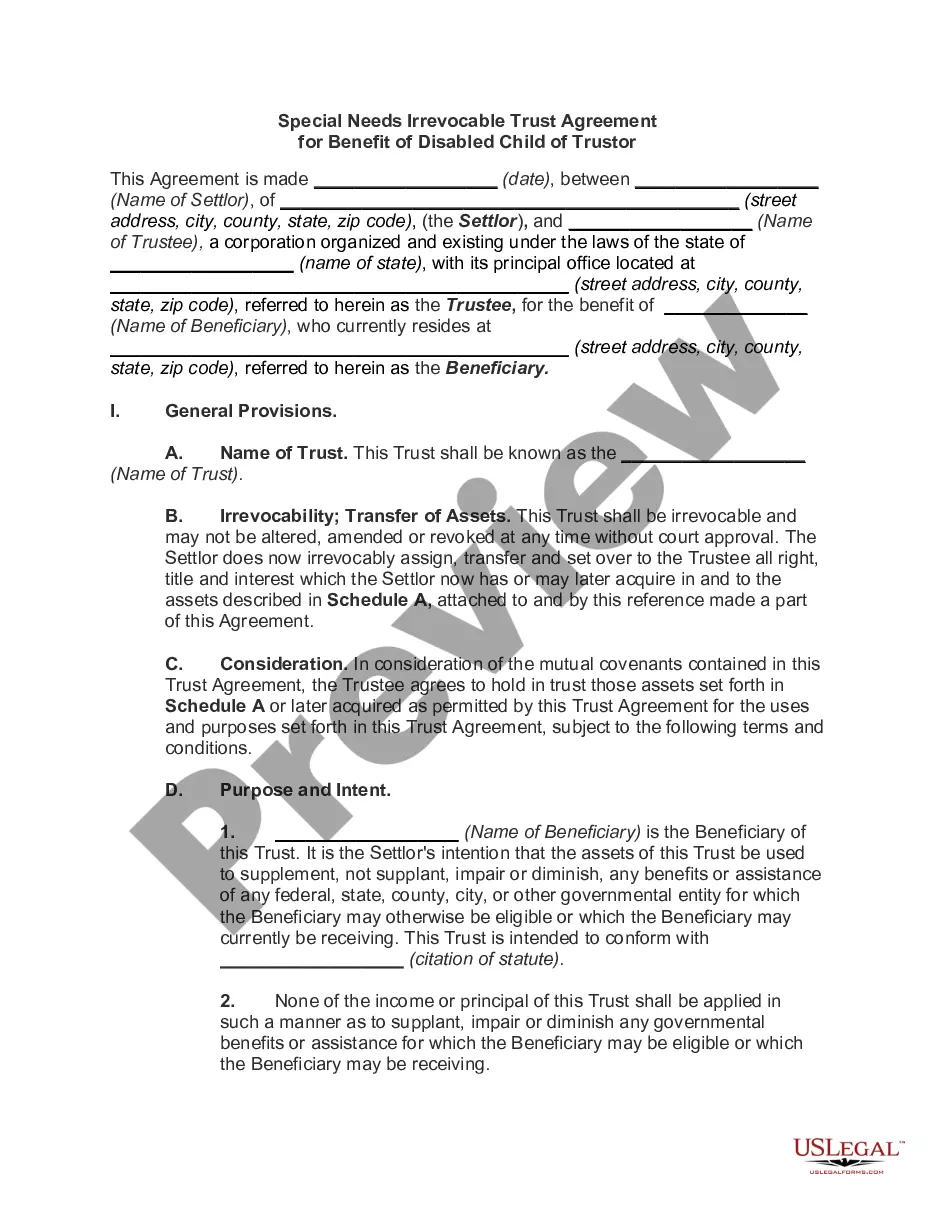
However, what is the benefit of spending time looking for the right 3rd Party Special Needs Trust Form With 2 Points sample online when the US Legal Forms online library has already compiled such templates in one location.
US Legal Forms is the largest online legal repository with more than 85,000 fillable documents created by attorneys for various business and personal situations.
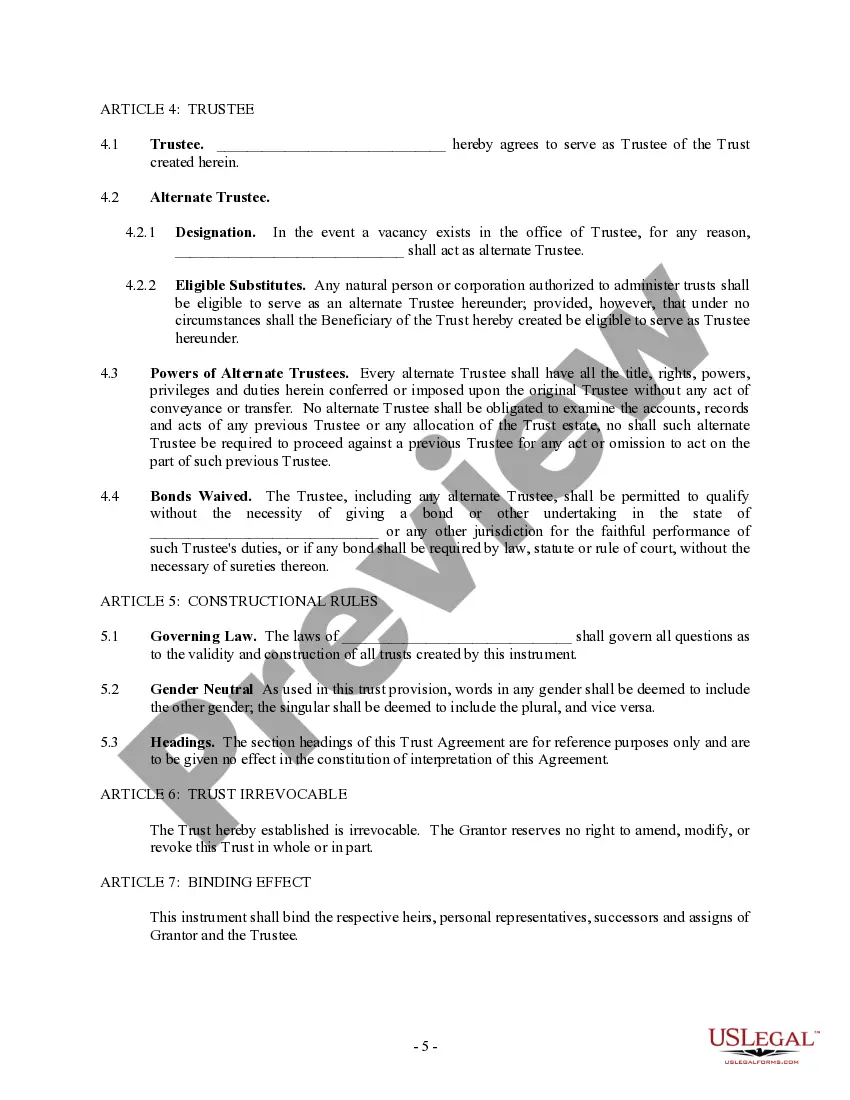
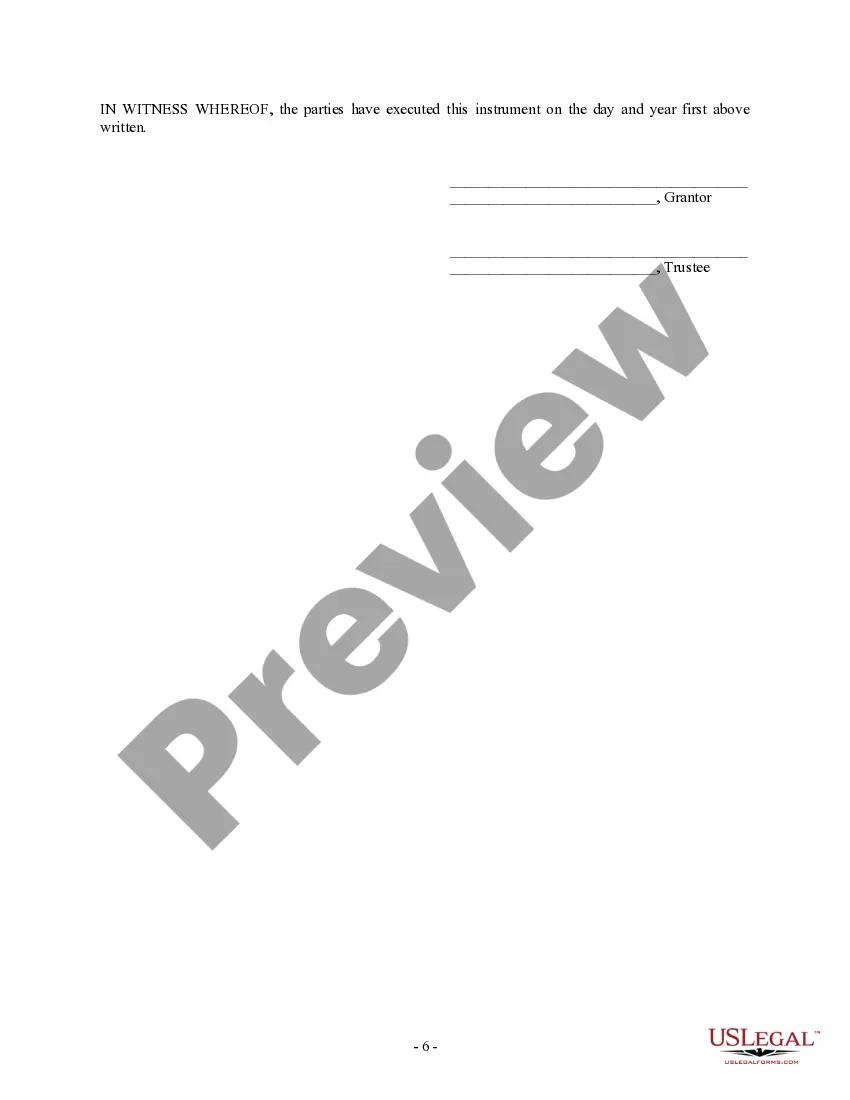
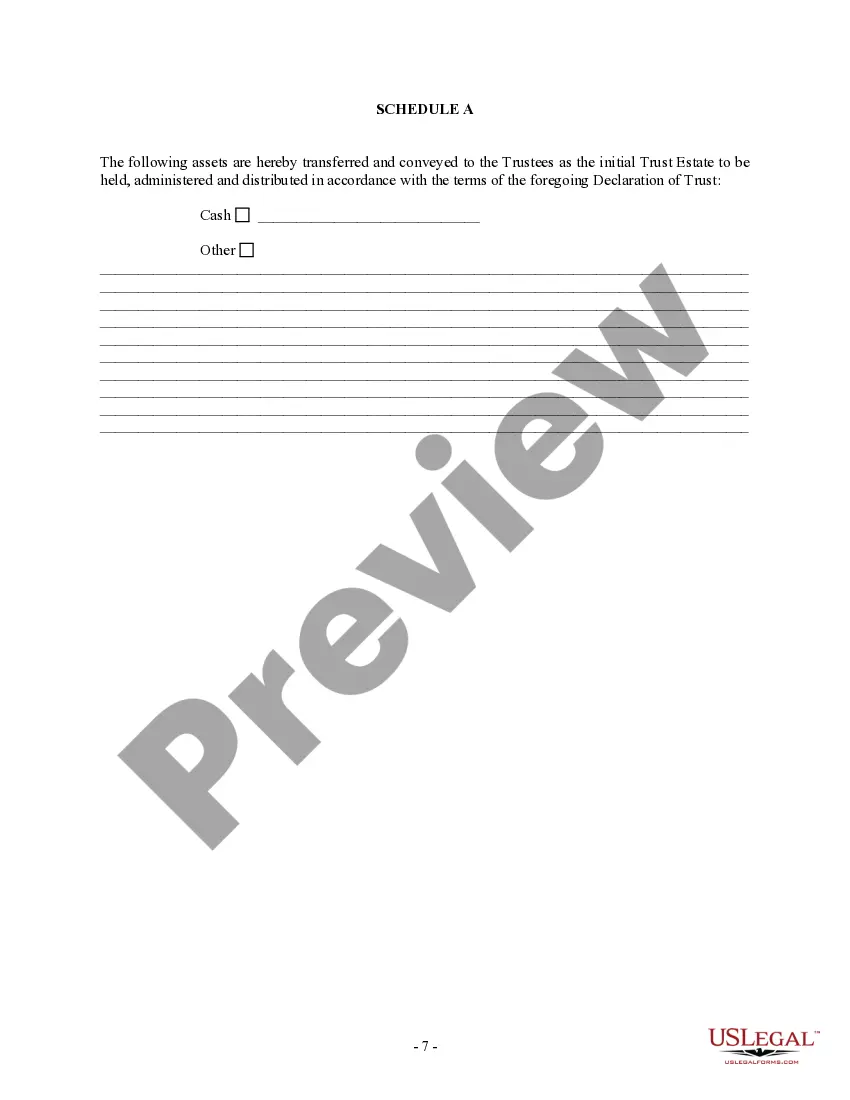
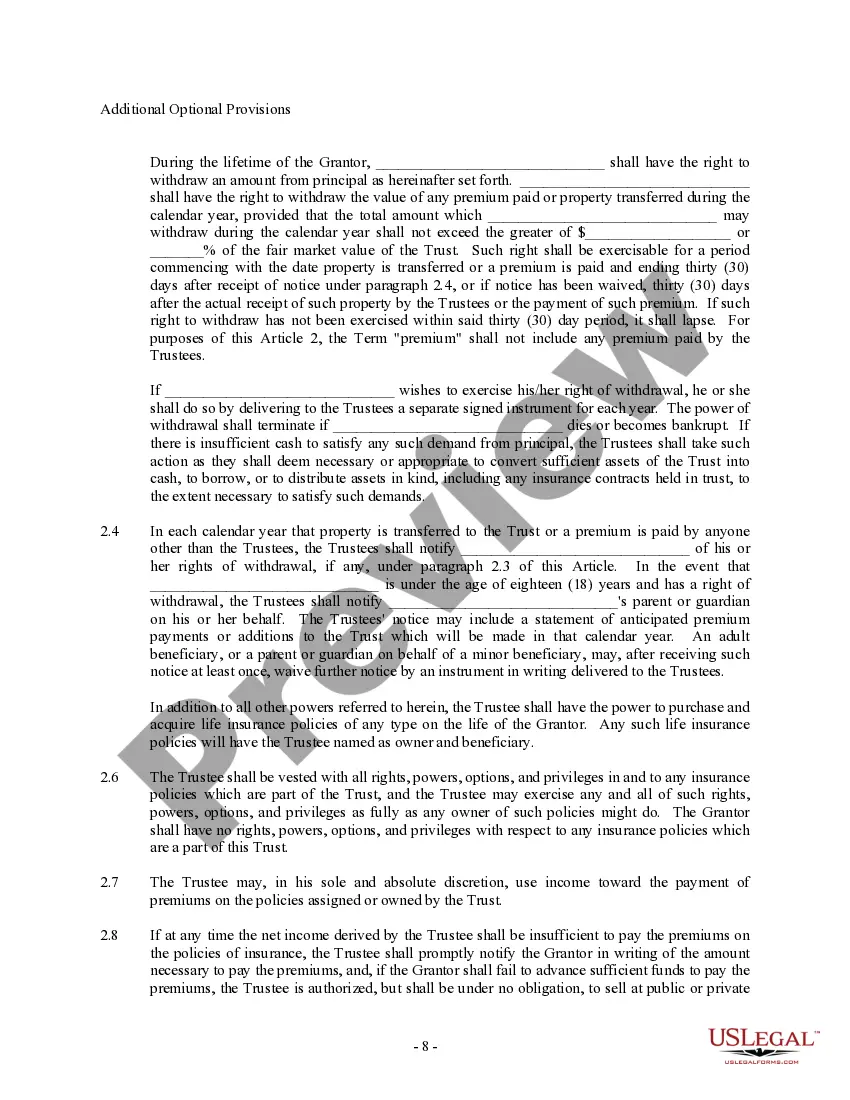
Review the template using the Preview option or through the text outline to ensure it satisfies your requirements.
- They are simple to navigate, with all files categorized by state and intended use.
- Our specialists keep up with legislative updates, ensuring your documents are current and compliant when acquiring a 3rd Party Special Needs Trust Form With 2 Points from our site.
- Acquiring a 3rd Party Special Needs Trust Form With 2 Points is straightforward and quick for both existing and new users.
- If you already possess an account with an active subscription, Log In and download the document template you need in your desired format.
- If you are new to our site, follow the instructions below.
Form popularity
FAQ
What are the main benefits of an SDT? The asset value limit of $781,250 (indexed annually on 1 July) and income from the trust may be disregarded for the purposes of the principal beneficiary's income support payment. Assets above that limit are added to the assessable assets of the principal beneficiary.
Cons of Special Needs Trusts The trust must be maintained, and yearly management costs can be high. Depending on who manages the fund, there may be a minimum amount required to set up the trust. It may be financially difficult for the settlor to actually establish the trust, depending upon their circumstances.
A Special Needs Trust (SNT) allows for a disabled person to maintain his or her eligibility for public assistance benefits, despite having assets that would otherwise make the person ineligible for those benefits. There are two types of SNTs: First Party and Third Party funded.
What is a Third Party Trust? A Third Party Trust (also known as a Common Law Trust) is funded by the beneficiary's family and/or friends, rather than the beneficiary themselves. It can be funded either during their lifetime and/or through an estate plan.
SSDI does not depend upon having limited assets, and it is not affected by distributions from a Disability Trust.