Difference Between Contract For Employment
Description
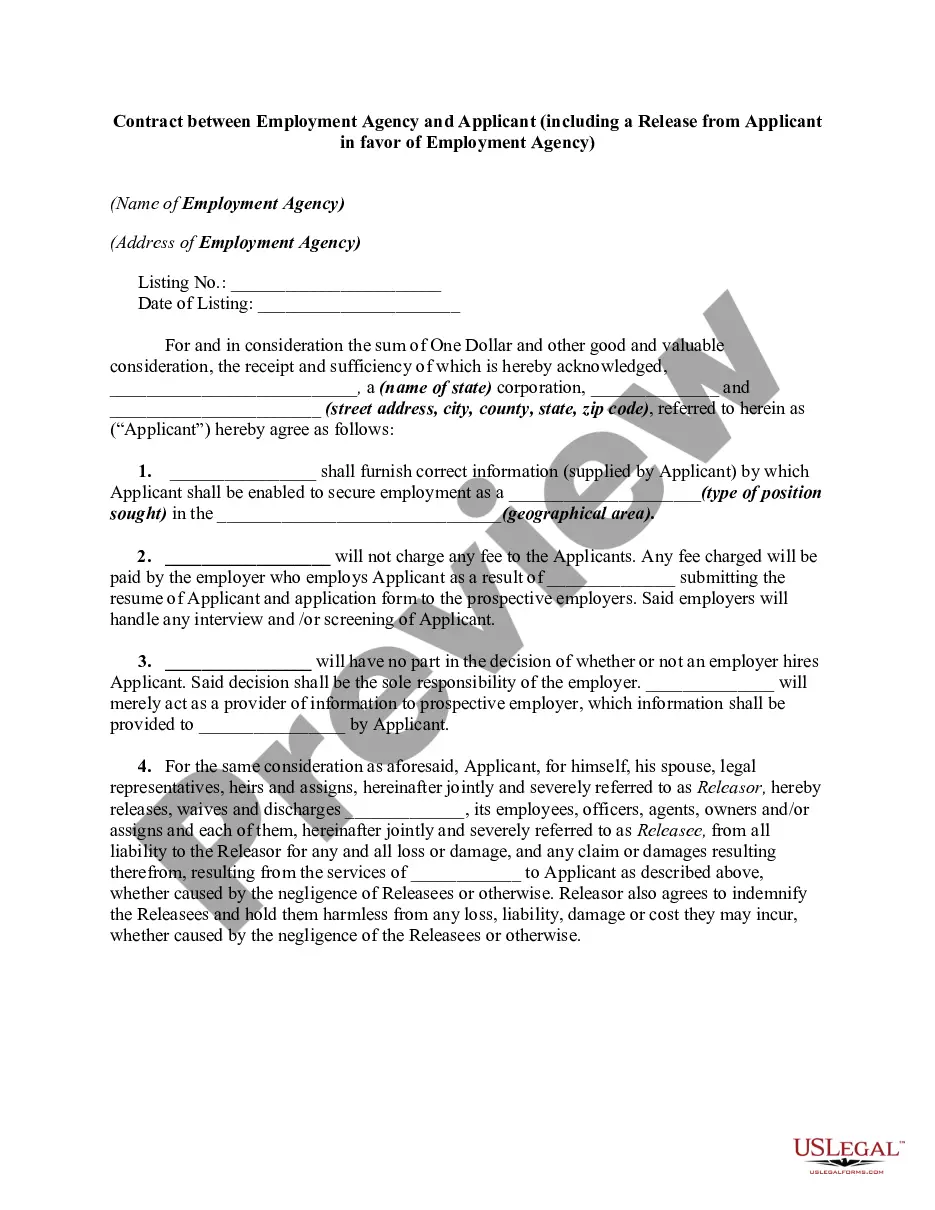
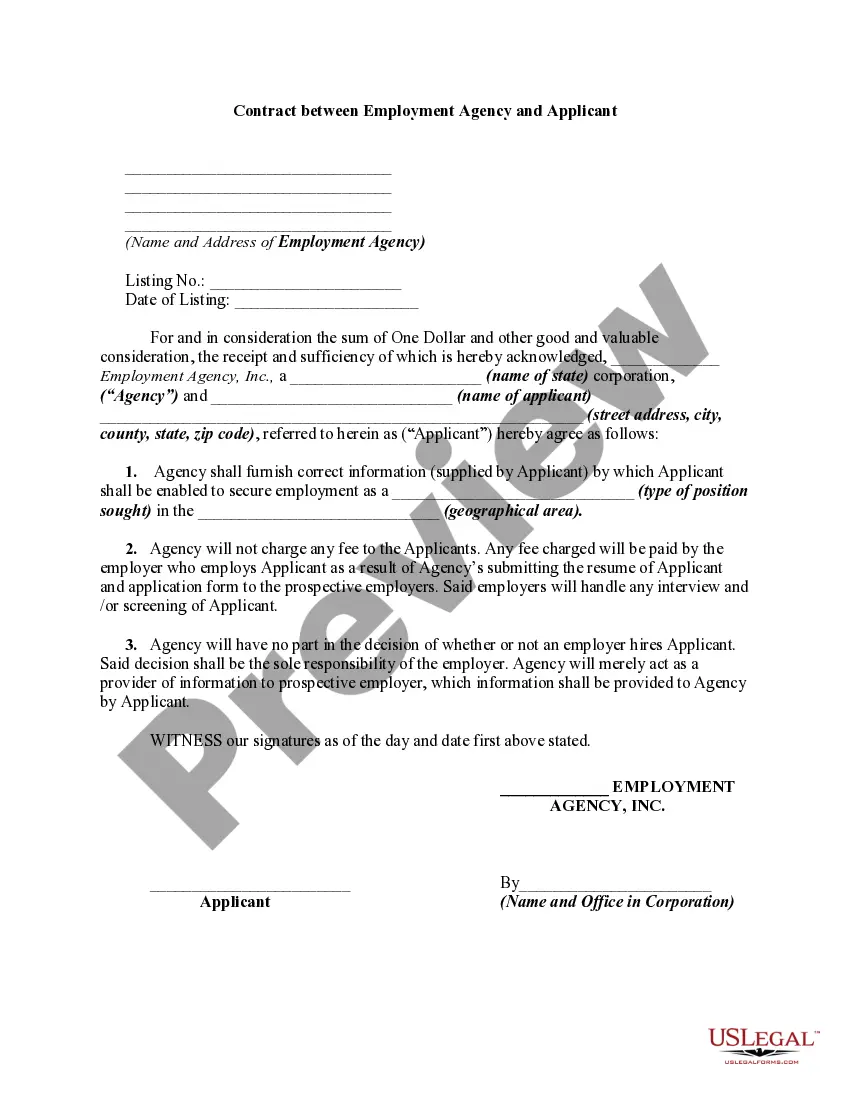
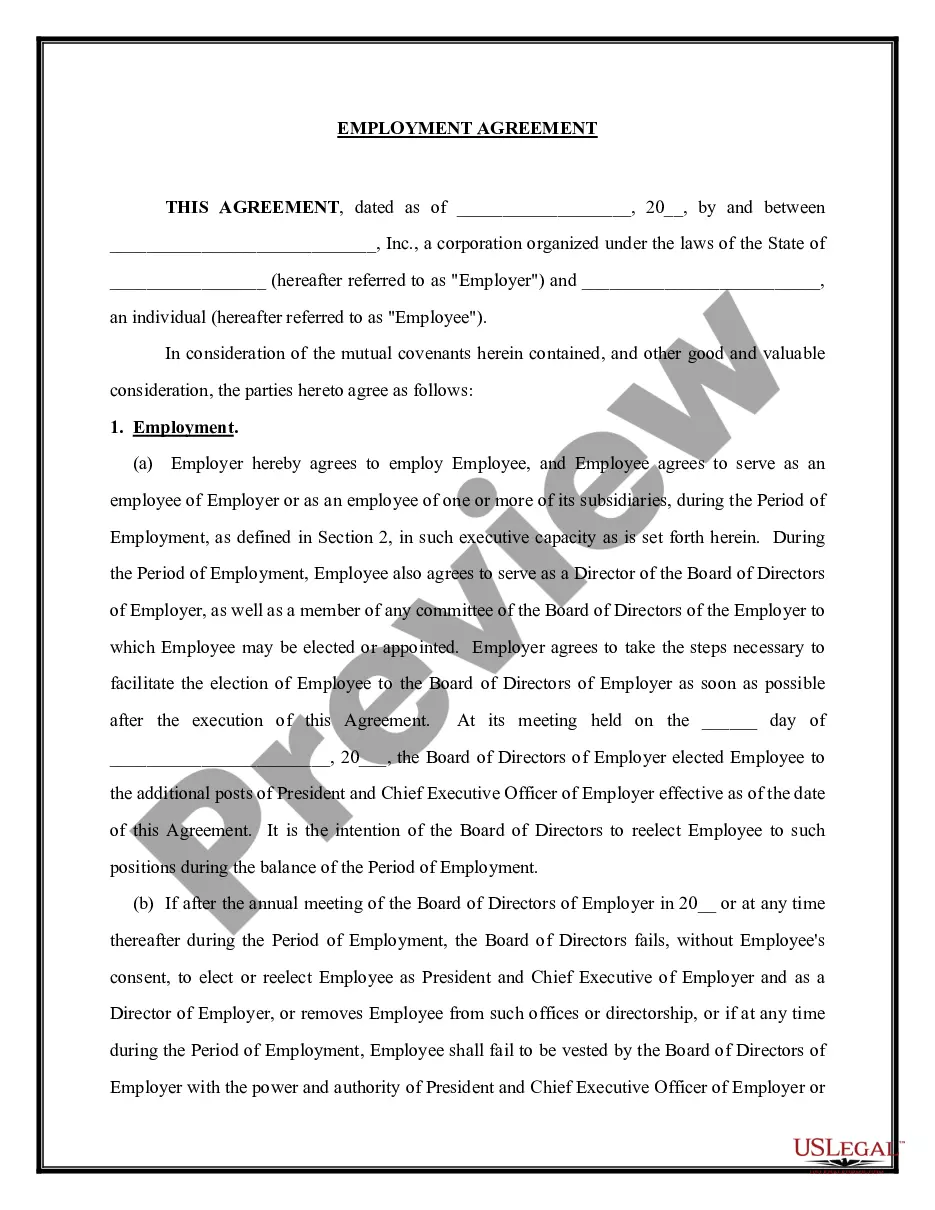
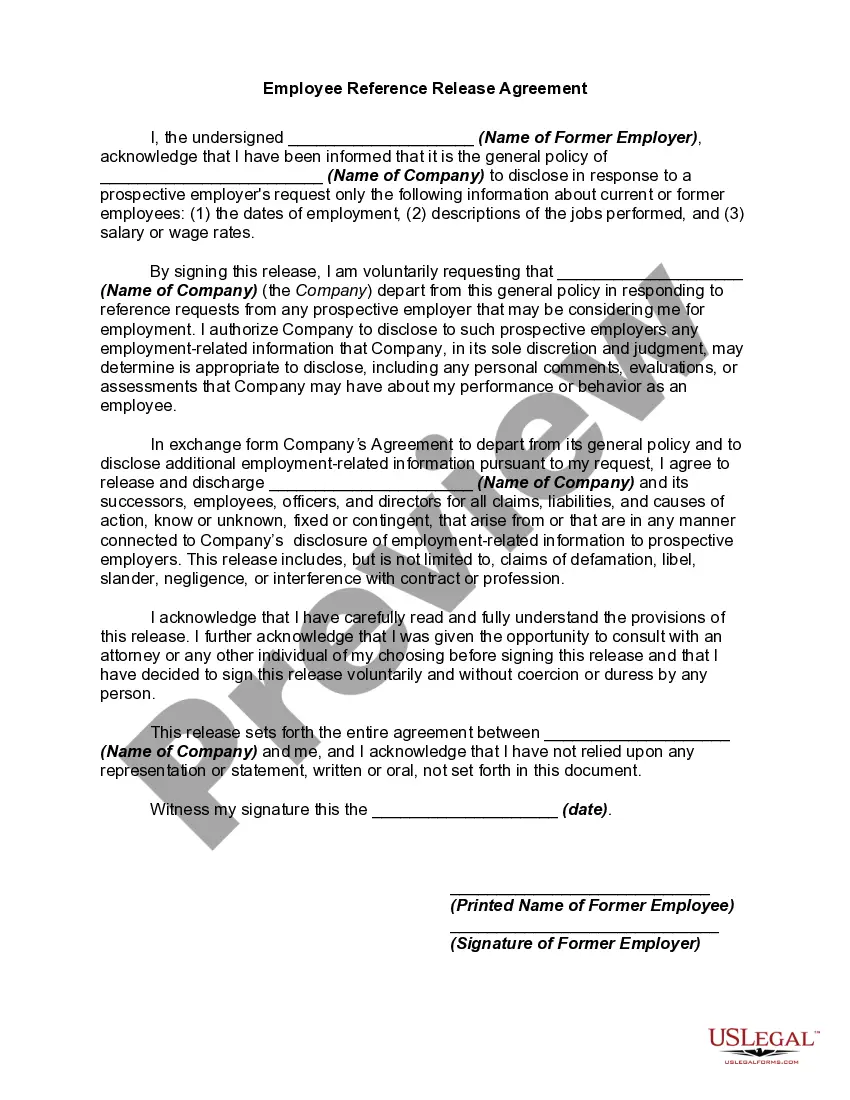
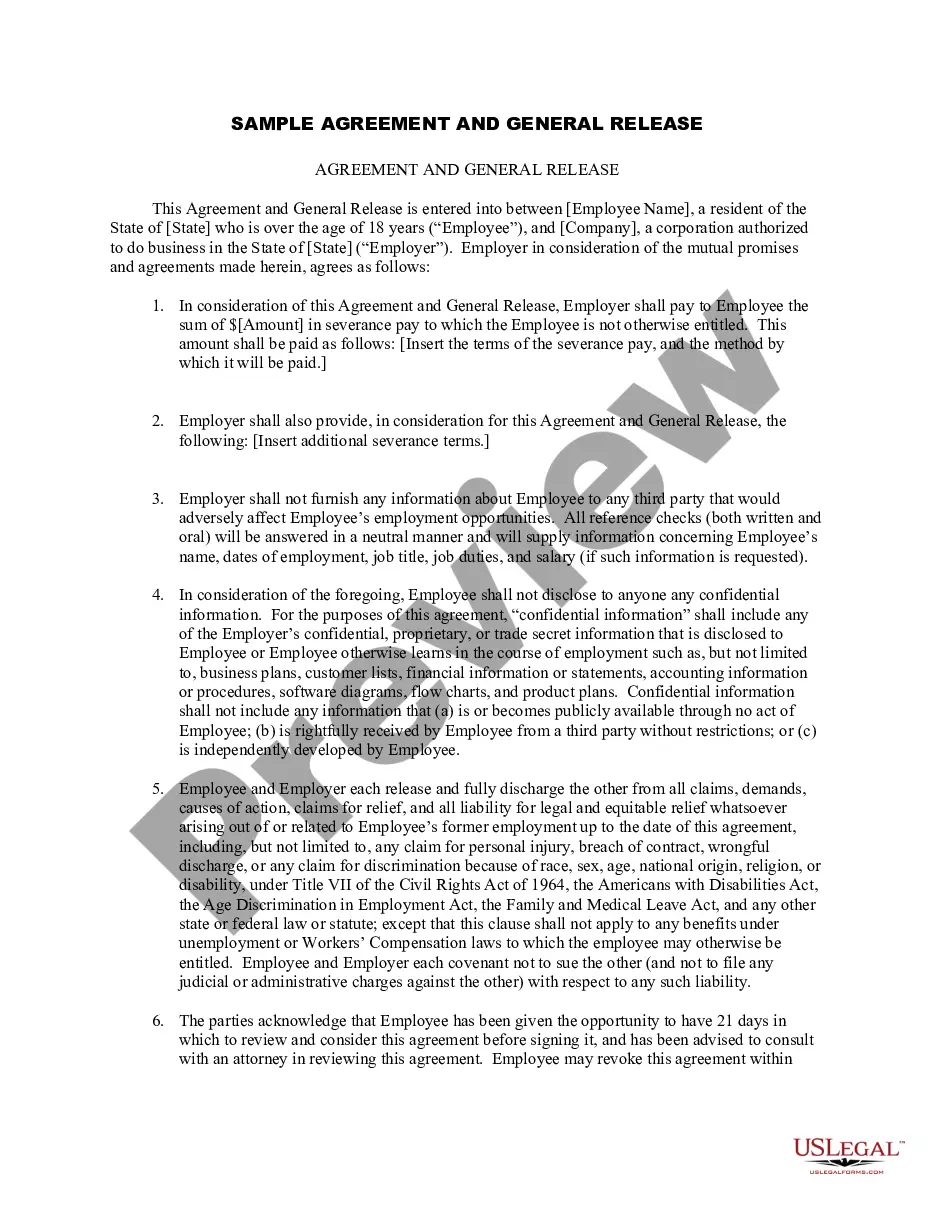
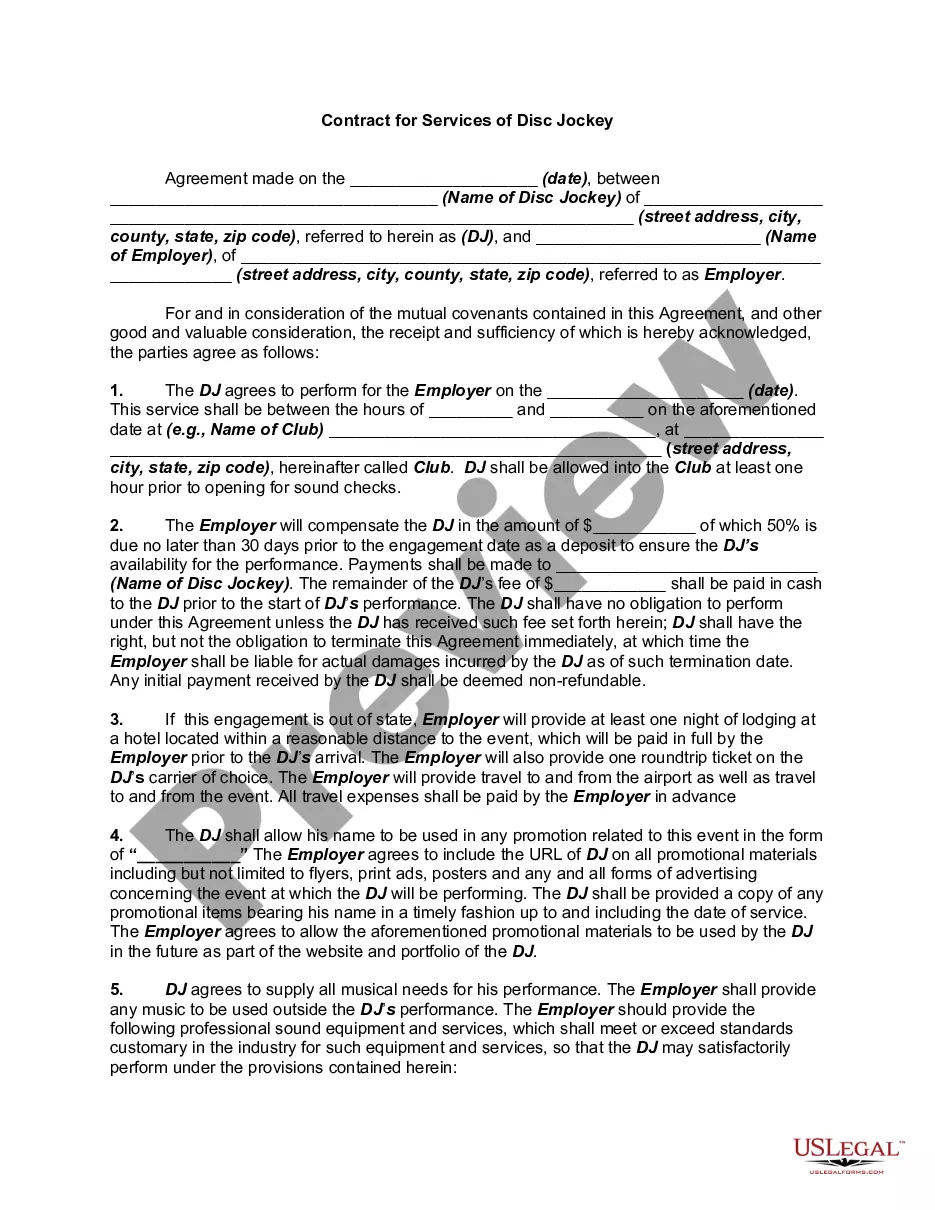
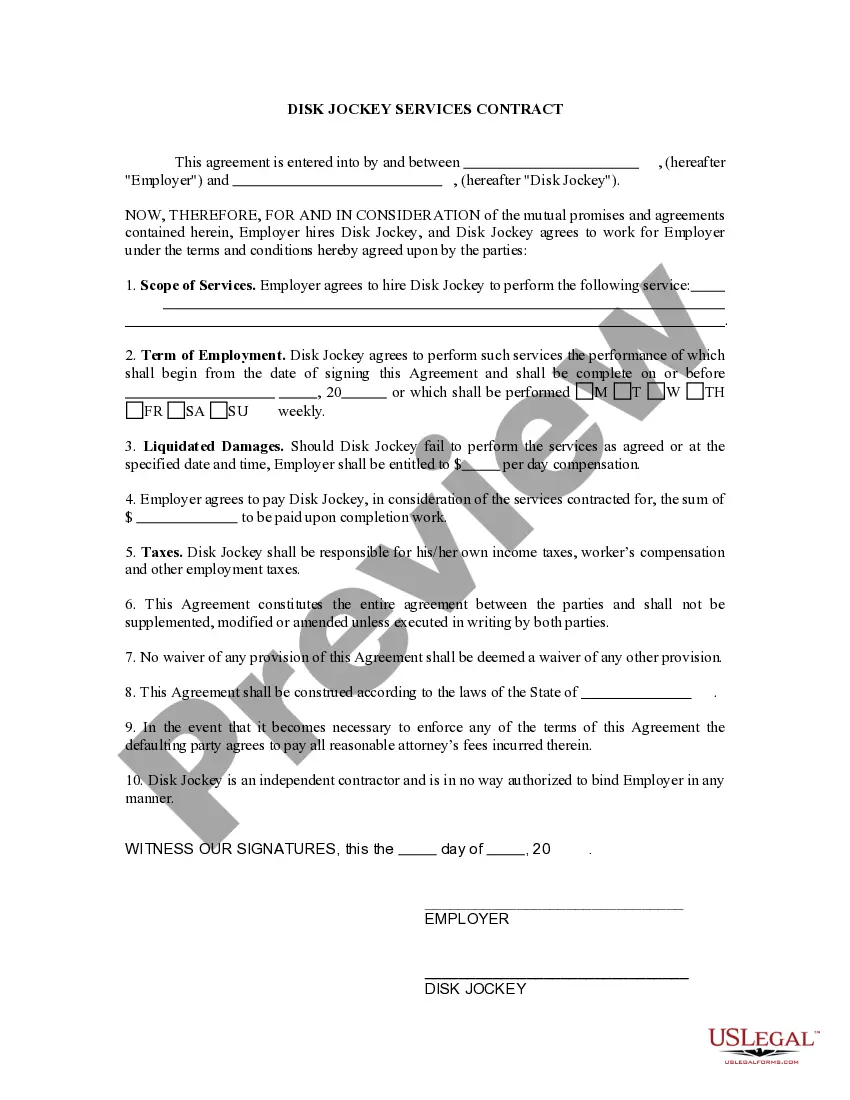
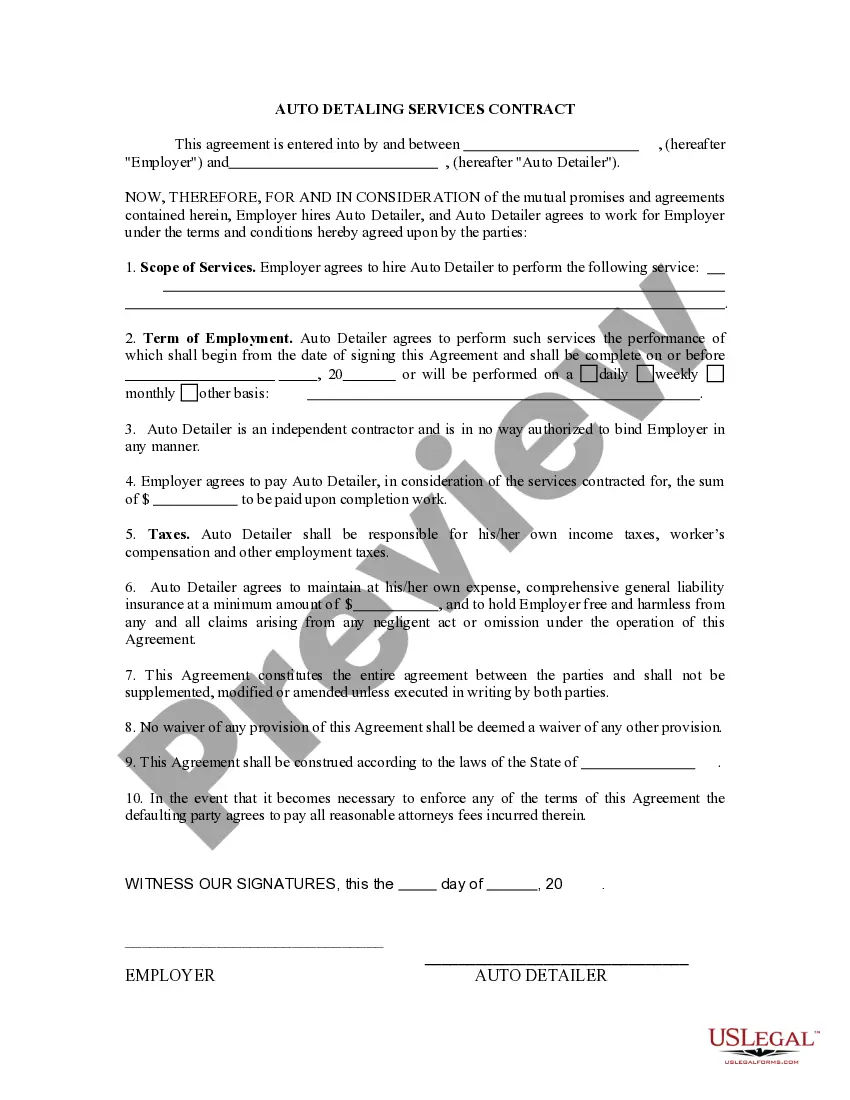
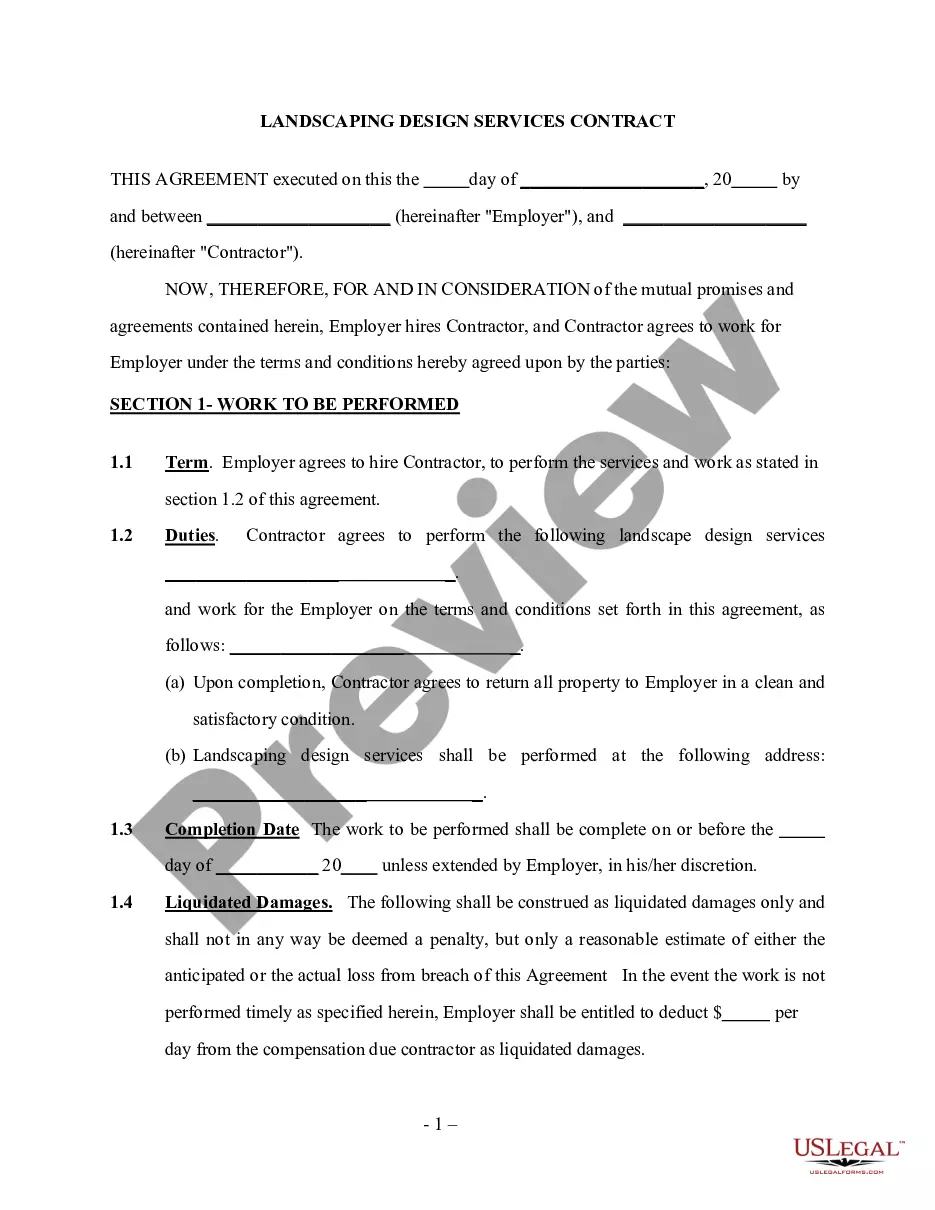
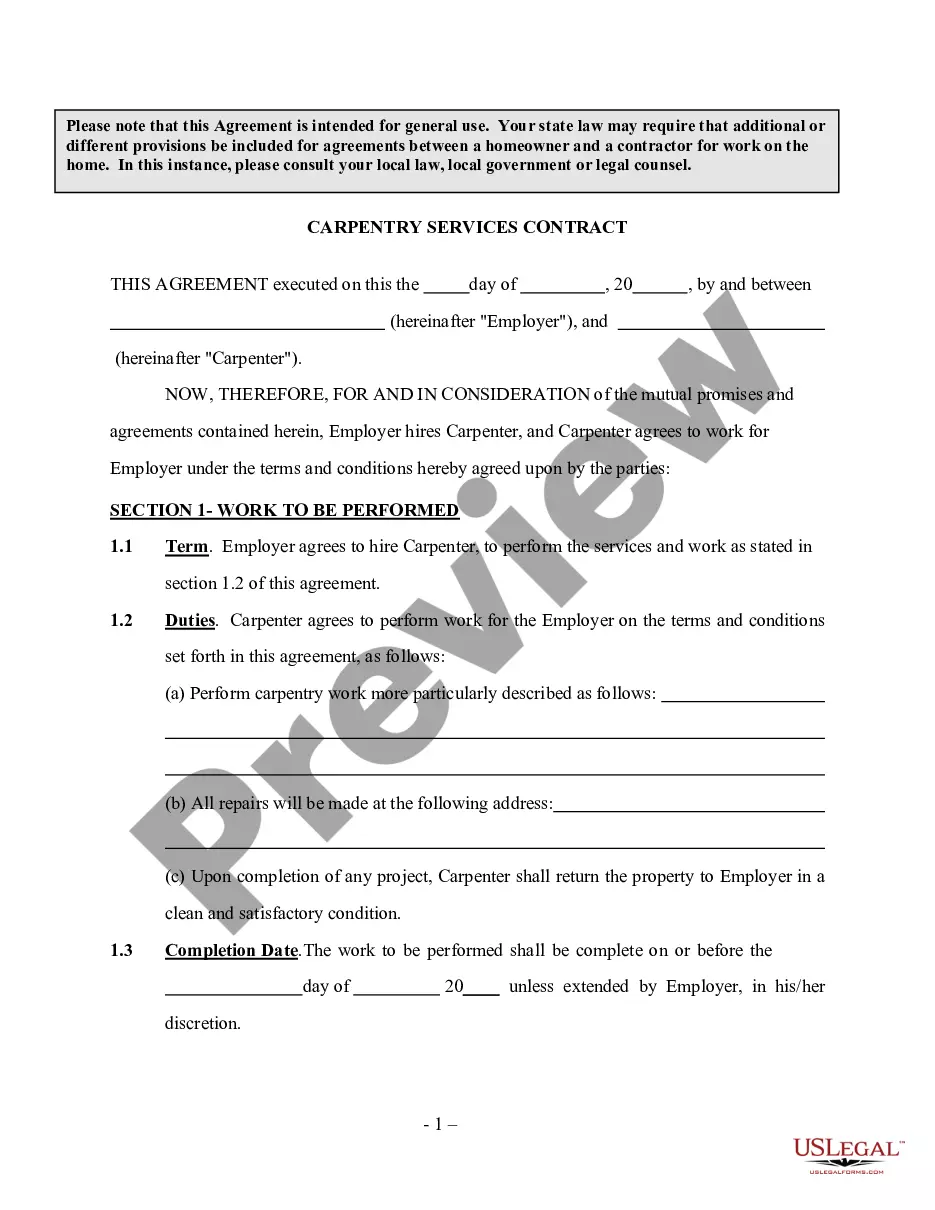
How to fill out Contract Between Employment Agency And Applicant - Including Release From Applicant In Favor Of Employment Agency?
Securing a reliable source to obtain the latest and most pertinent legal templates is half the challenge when dealing with bureaucracy.
Locating the appropriate legal documents necessitates accuracy and carefulness, which is why it is crucial to take samples of Difference Between Contract For Employment solely from trustworthy sources, like US Legal Forms.
Eliminate the complications associated with your legal documentation. Browse the extensive US Legal Forms collection to discover legal templates, verify their applicability to your situation, and download them instantly.
- Use the library navigation or search bar to find your template.
- Read the form’s description to determine if it meets the requirements of your state and locality.
- Check the form preview, if available, to confirm that the form is the one you need.
- Return to the search and seek the correct document if the Difference Between Contract For Employment does not align with your needs.
- If you are certain about the form’s applicability, download it.
- If you are a registered user, click Log in to verify and access your selected forms in My documents.
- If you do not have an account yet, click Buy now to purchase the form.
- Select the pricing plan that meets your needs.
- Proceed to register to complete your purchase.
- Finalize your transaction by choosing a payment method (credit card or PayPal).
- Select the document format for downloading Difference Between Contract For Employment.
- Once you have the template on your device, you can edit it using the editor or print it and complete it manually.
Form popularity
FAQ
The difference between a contract and an agreement lies in their enforceability. While all contracts are agreements, not all agreements are contracts because they may lack legal elements, such as consideration and intention to create legal relations. Understanding these distinctions is vital, especially in employment scenarios, to comprehend the obligations and protections involved. Emphasizing the difference between contract for employment and general agreements influences how you manage legal relations.
Although contract work usually offers higher wages, you can earn benefits and paid time off as a full-time employee. Stability: Full-time work provides financial stability, while contract work may offer a higher earning potential over a shorter period of time.
The main difference here is the level of commitment on both sides. If you're an independent contractor, the client pays you for a specific deliverable. If you're an employee, the employer promises a wage on an ongoing basis in exchange for regular time and output.
A W2 employee can work for more than one employer. A C2C consultant cannot work for more than one employer. W2 employees cannot claim reimbursement for some of their expenses. C2C consultants can claim reimbursement of their expenses as they are operating their own business.
A contractor is an independent worker who has autonomy and flexibility but does not receive employer-provided benefits such as health insurance and paid time off. An employee is on a company's payroll and receives wages and benefits in exchange for following the organization's guidelines and remaining loyal.
If your contractor position is 1099, then you'll need to account for all of those additional costs that you're responsible for as your own employer. In that case, a quick-and-dirty rule of thumb is you should add 50% to a W-2 wage to find its comparable 1099 wage.