Well Agreements With The Government
Description
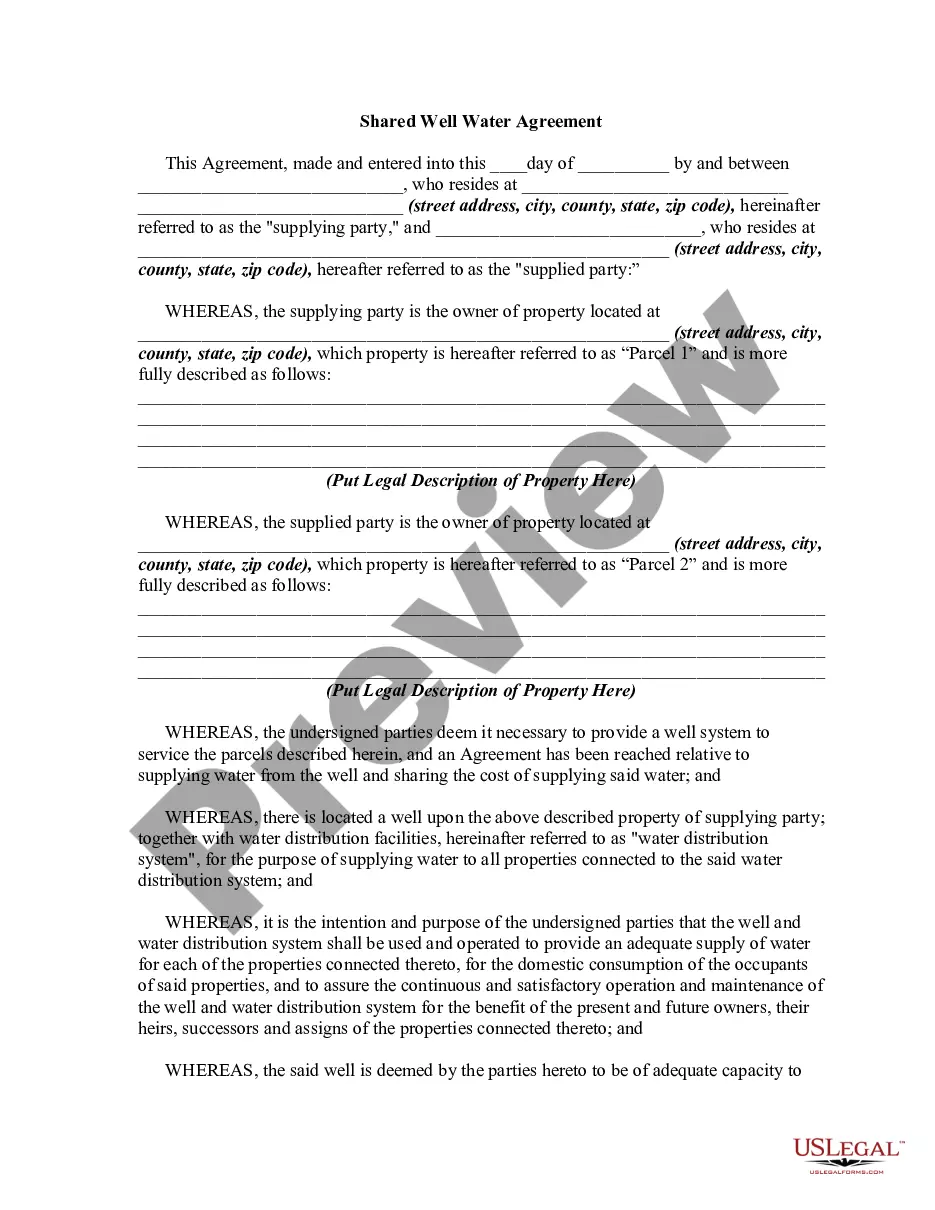
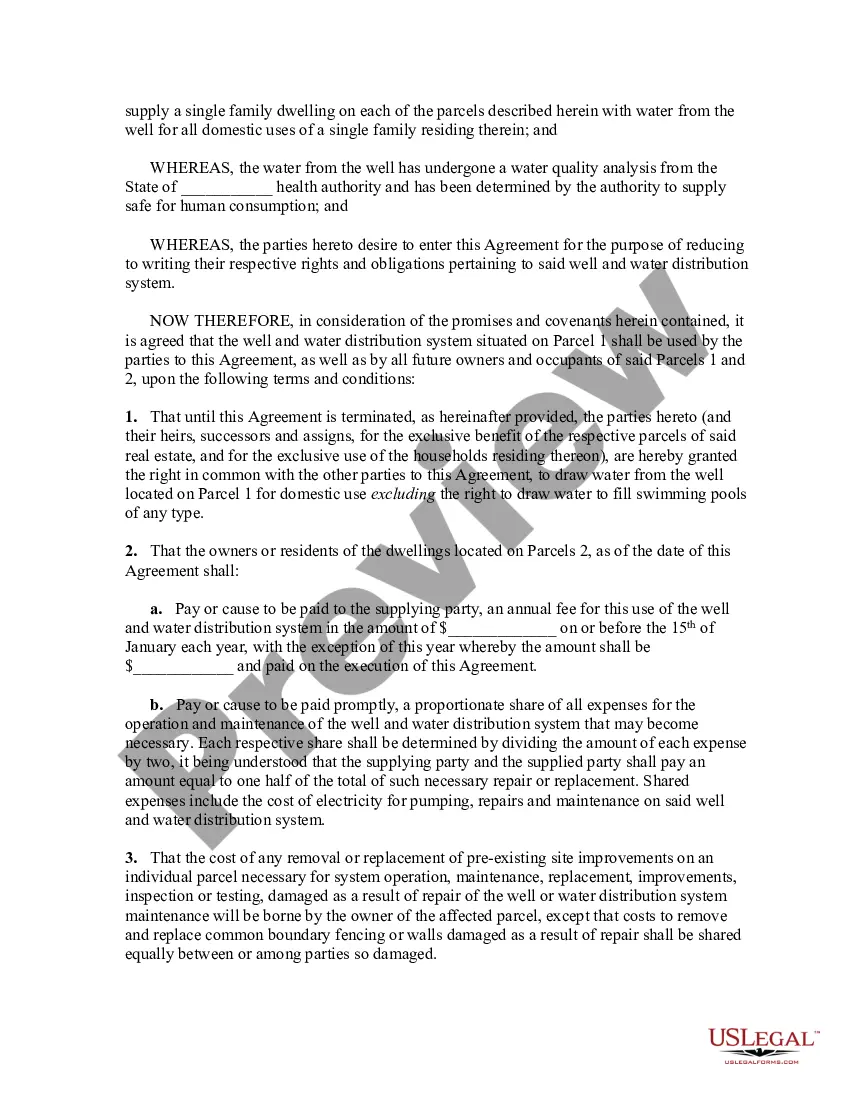
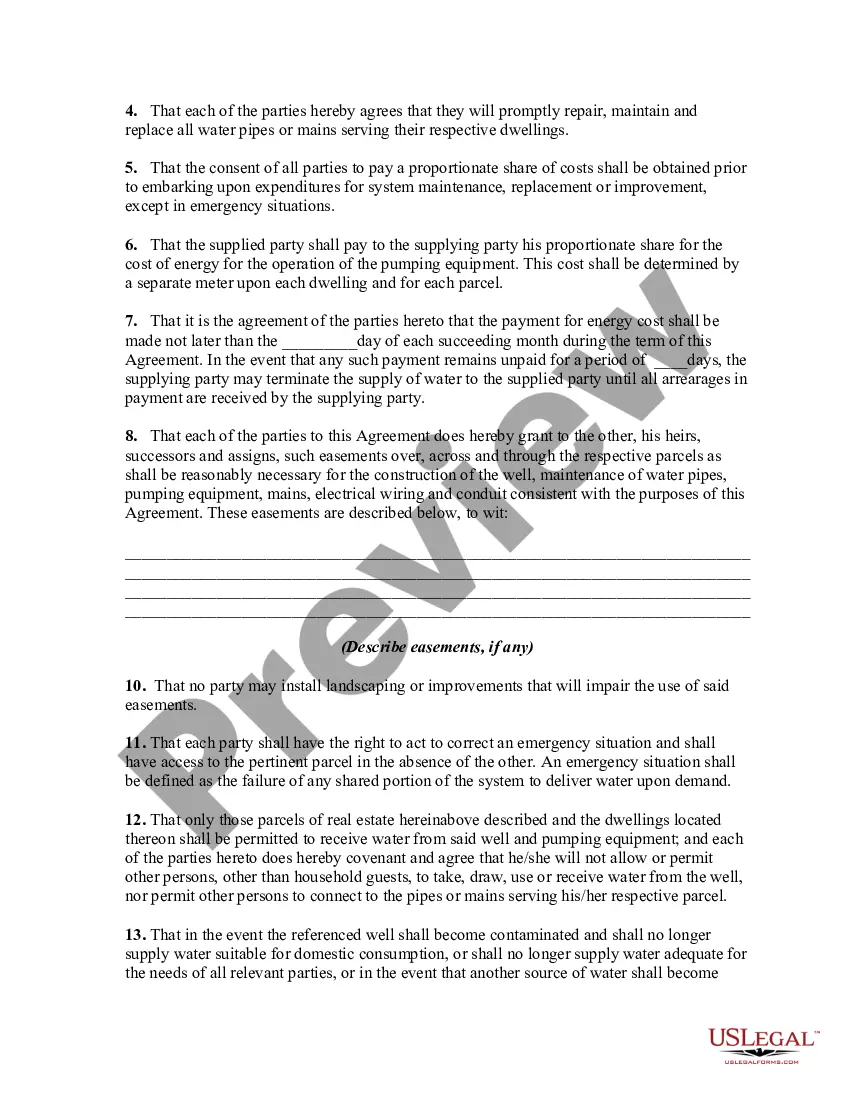
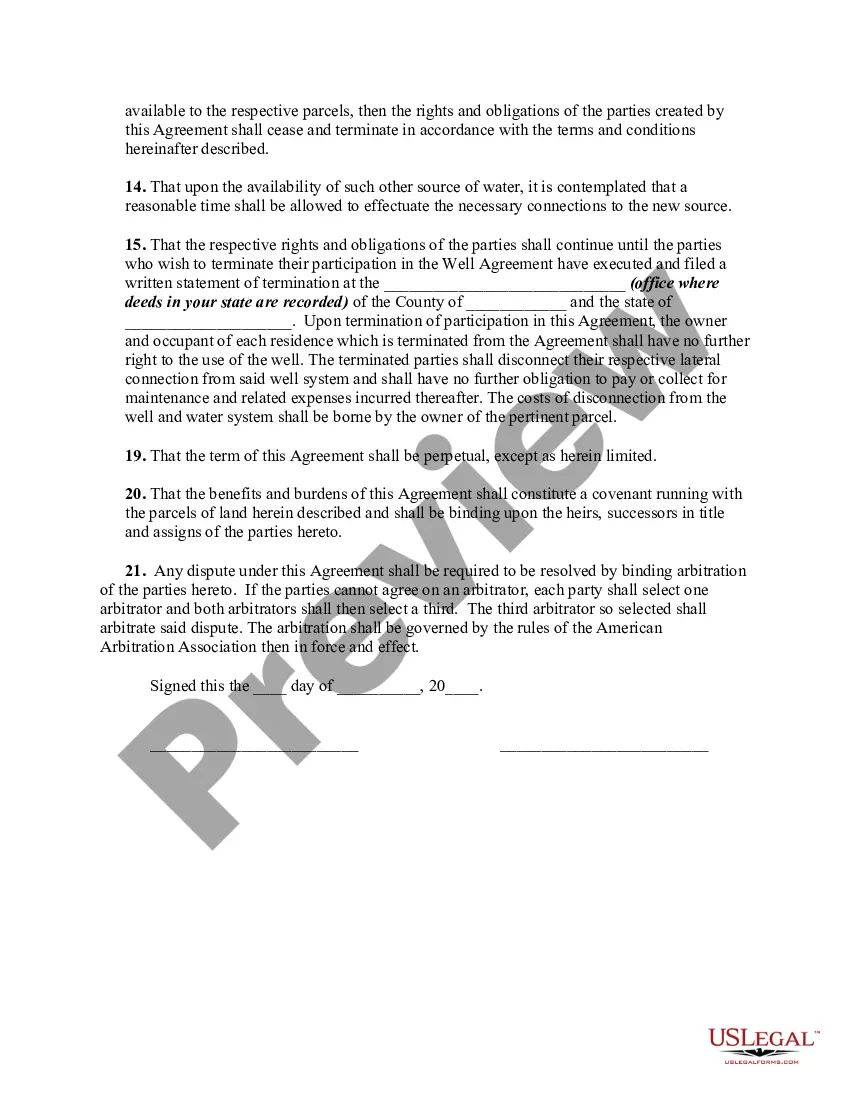
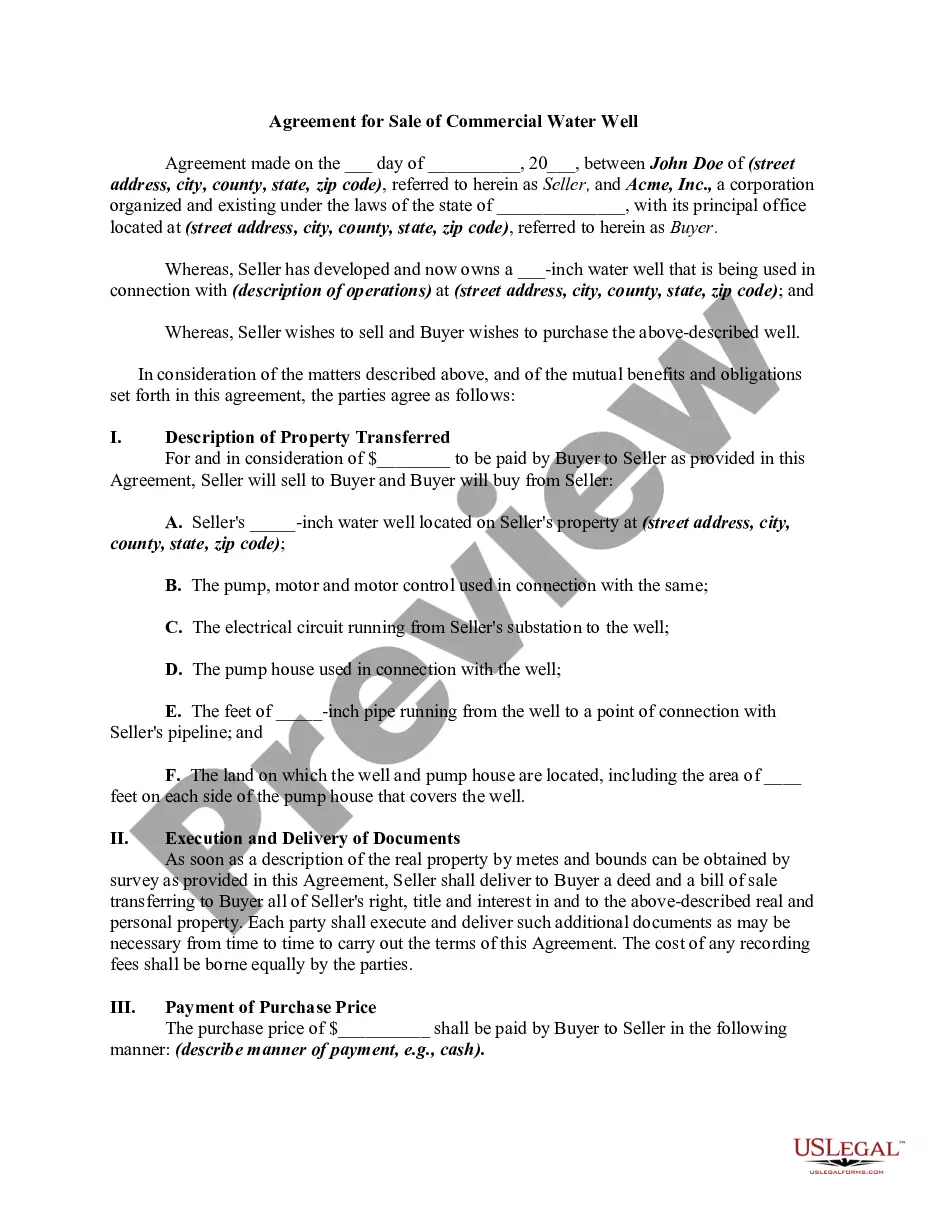
Get your form ready online
Our built-in tools help you complete, sign, share, and store your documents in one place.
Make edits, fill in missing information, and update formatting in US Legal Forms—just like you would in MS Word.
Download a copy, print it, send it by email, or mail it via USPS—whatever works best for your next step.
Sign and collect signatures with our SignNow integration. Send to multiple recipients, set reminders, and more. Go Premium to unlock E-Sign.
If this form requires notarization, complete it online through a secure video call—no need to meet a notary in person or wait for an appointment.
We protect your documents and personal data by following strict security and privacy standards.

Make edits, fill in missing information, and update formatting in US Legal Forms—just like you would in MS Word.

Download a copy, print it, send it by email, or mail it via USPS—whatever works best for your next step.

Sign and collect signatures with our SignNow integration. Send to multiple recipients, set reminders, and more. Go Premium to unlock E-Sign.

If this form requires notarization, complete it online through a secure video call—no need to meet a notary in person or wait for an appointment.

We protect your documents and personal data by following strict security and privacy standards.
Looking for another form?
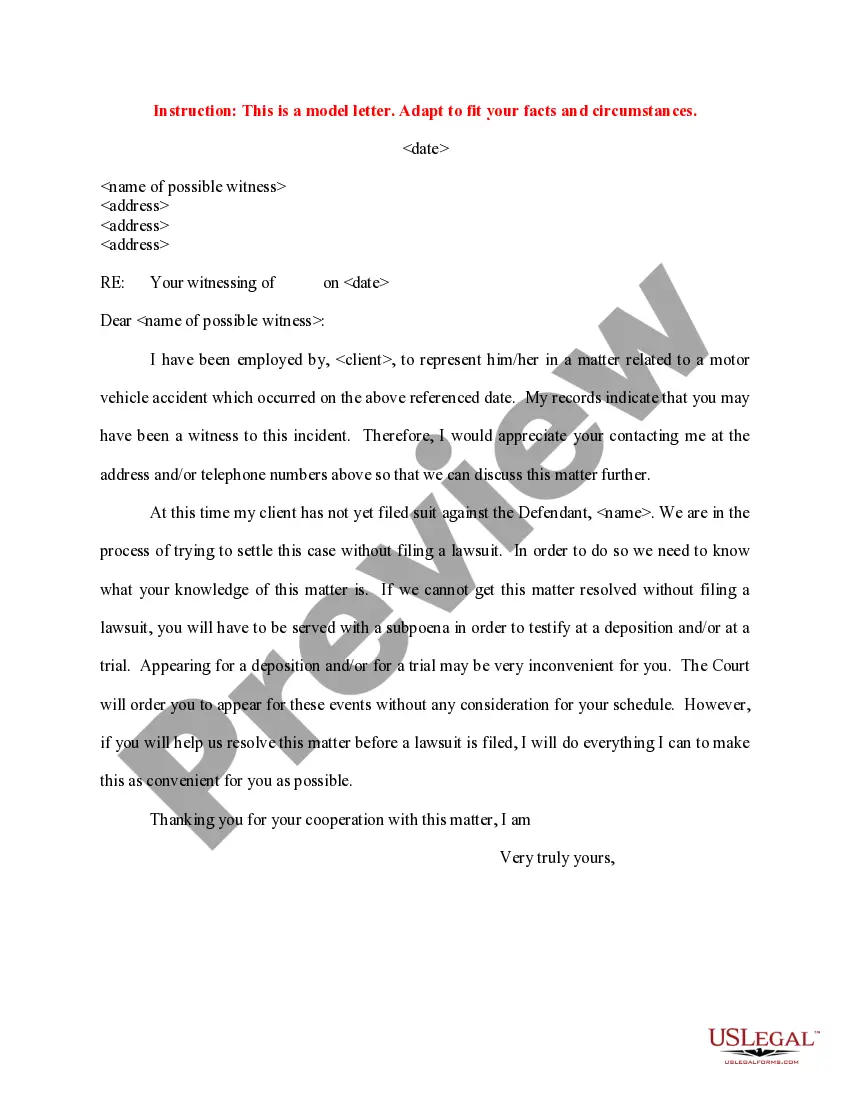

How to fill out Shared Well Water Agreement?
- Log in to your US Legal Forms account if you're a returning user and check that your subscription is active.
- For first-time users, browse the extensive library and preview the desired form to confirm it meets your local jurisdiction's requirements.
- Utilize the search feature to explore additional templates if necessary. Make sure to choose a form that fits your specific needs.
- Select the appropriate subscription plan by clicking the Buy Now button, then create an account to gain access to the resources.
- Complete your purchase by entering your credit card details or opting for PayPal to finalize your subscription.
- Download your selected form directly to your device. Access it anytime through the My Forms section of your profile.
US Legal Forms empowers users to quickly draft and execute legal documents with confidence. With its user-friendly interface, you can find solutions tailored to your needs without excessive hassle.
Start your journey toward seamless legal agreements today! Explore US Legal Forms for easy access to essential documents.
Form popularity
FAQ
Requirements for a shared well typically include obtaining the necessary permits from local authorities, ensuring compliance with health and safety regulations, and establishing a clear agreement among parties on usage rights. It’s also essential to ensure that the well construction meets regulatory standards to avoid contamination. By understanding these requirements, you can create effective well agreements with the government that protect all parties involved.
To write a shared well agreement, you should start by outlining the terms of usage between the parties involved. Clearly define how the well will be used, the responsibilities of each party, and the costs associated with maintenance and repair. Additionally, include provisions for dispute resolution to prevent conflicts. Utilizing platforms like US Legal Forms can simplify this process by providing customizable templates specifically designed for well agreements with the government.
Shared wells can lead to complications such as disagreements over maintenance, usage levels, and costs. If one party neglects their responsibilities, it can impact the water supply for others. Thus, having a well agreement with the government is vital to outline everyone's obligations and to mitigate these disadvantages effectively.
Obtaining a mortgage with a shared well is possible, but it may involve more scrutiny from lenders. They will likely require documentation of the well agreement and an evaluation of the shared arrangement's impact on property value. Ensuring that your well agreement with the government is clear and legally enforceable can help in alleviating concerns from potential lenders.
One major issue with shared wells is the potential for disputes among users regarding water usage and maintenance responsibilities. If one party uses more water than agreed upon, it can lead to shortages for others. Additionally, if the well requires repairs, disagreements about how to fund these can create tension, making a well agreement with the government an important tool to prevent such conflicts.
Yes, you can sell a house with a shared well, but it requires disclosing the shared well agreement to potential buyers. Buyers will want to know the terms set out in the well agreement, including maintenance responsibilities and water usage rights. Ensuring a well-documented agreement aligned with government regulations can make the selling process smoother.
A well agreement is a legal document that outlines the terms and conditions for sharing a well between multiple parties. These agreements provide clarity on the responsibilities of each party regarding maintenance, usage, and water rights. Well agreements with the government often include provisions that comply with local regulations, making it crucial to have a solid understanding when entering a shared arrangement.
Enforcing a well agreement involves clear communication and established guidelines. You should consult with the government to outline legal expectations and penalties for non-compliance. Regular meetings can help reinforce responsibilities and resolve disputes early. Utilizing legally-backed well agreements with the government strengthens your position and encourages adherence.
One downside of a shared well involves the risk of overuse, which can lead to water shortages. Additionally, conflicts may arise between parties regarding maintenance and expenses. Creating well agreements with the government allows you to outline these responsibilities clearly. This proactive approach can help ensure sustained cooperation among all users.
A shared well can create challenges, but it depends on the parties involved. Establishing well agreements with the government can help clarify responsibilities and usage rights. It is crucial to develop guidelines that all users agree on. By having a well-structured agreement, you can mitigate potential conflicts significantly.