Oil Field Royalties
Description
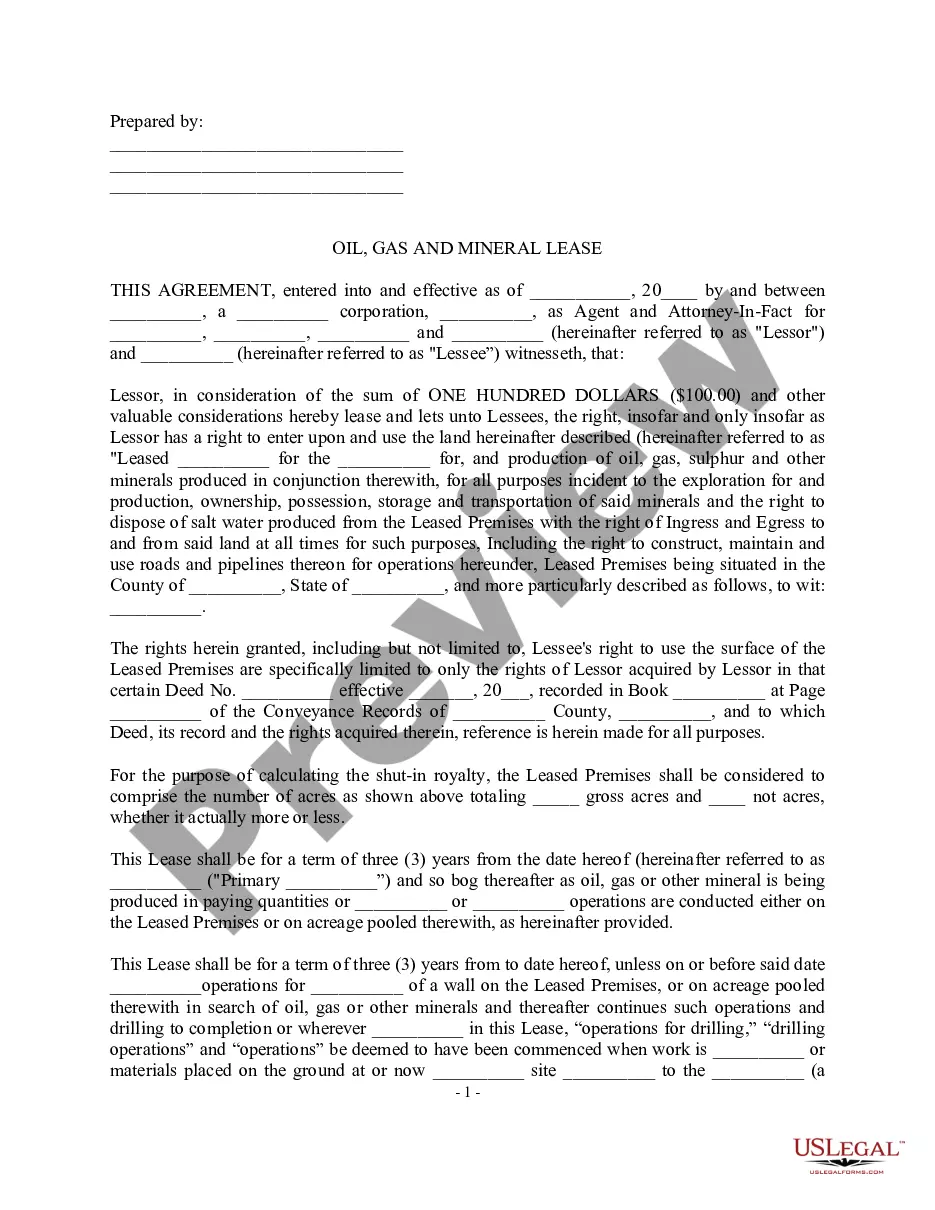
Get your form ready online
Our built-in tools help you complete, sign, share, and store your documents in one place.
Make edits, fill in missing information, and update formatting in US Legal Forms—just like you would in MS Word.
Download a copy, print it, send it by email, or mail it via USPS—whatever works best for your next step.
Sign and collect signatures with our SignNow integration. Send to multiple recipients, set reminders, and more. Go Premium to unlock E-Sign.
If this form requires notarization, complete it online through a secure video call—no need to meet a notary in person or wait for an appointment.
We protect your documents and personal data by following strict security and privacy standards.

Make edits, fill in missing information, and update formatting in US Legal Forms—just like you would in MS Word.

Download a copy, print it, send it by email, or mail it via USPS—whatever works best for your next step.

Sign and collect signatures with our SignNow integration. Send to multiple recipients, set reminders, and more. Go Premium to unlock E-Sign.

If this form requires notarization, complete it online through a secure video call—no need to meet a notary in person or wait for an appointment.

We protect your documents and personal data by following strict security and privacy standards.
Looking for another form?
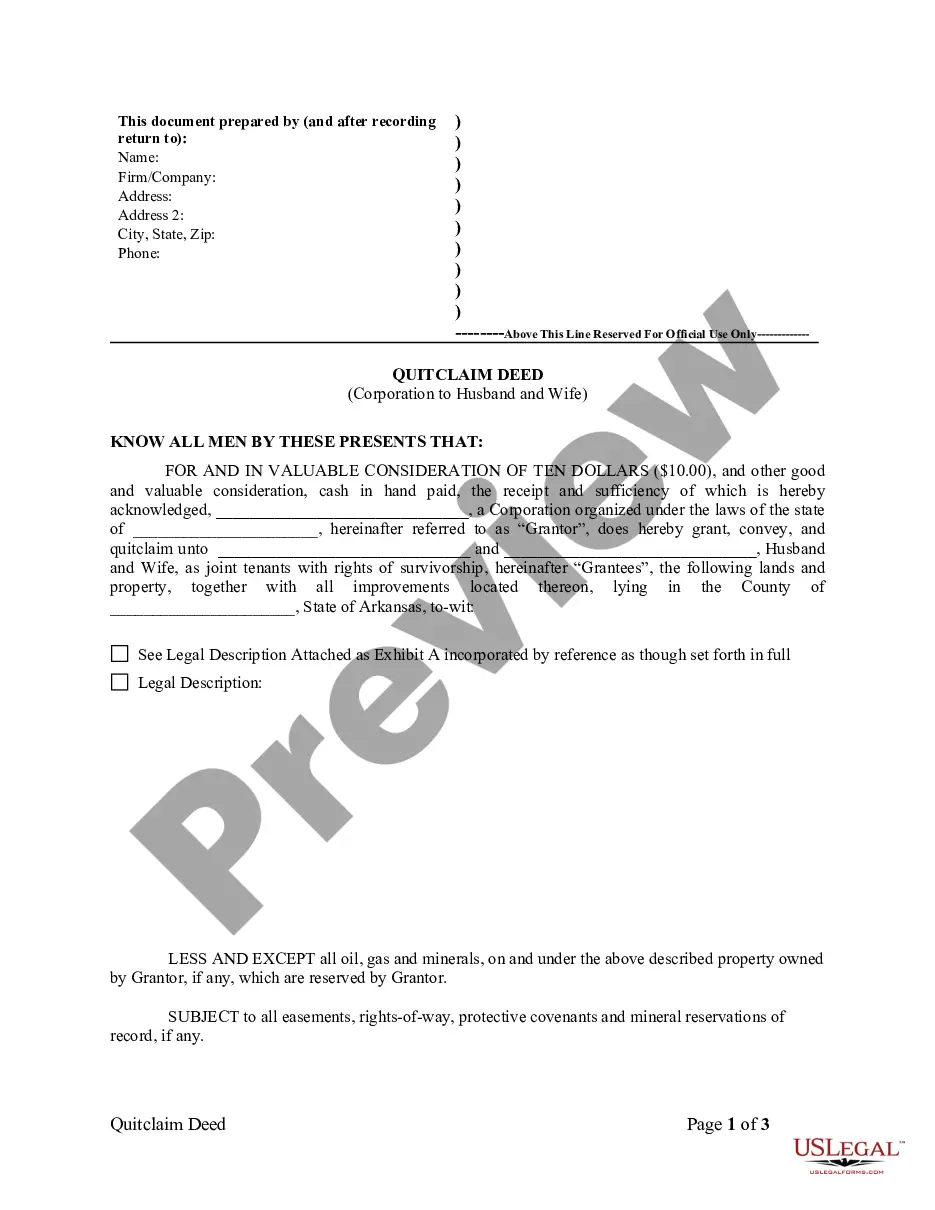
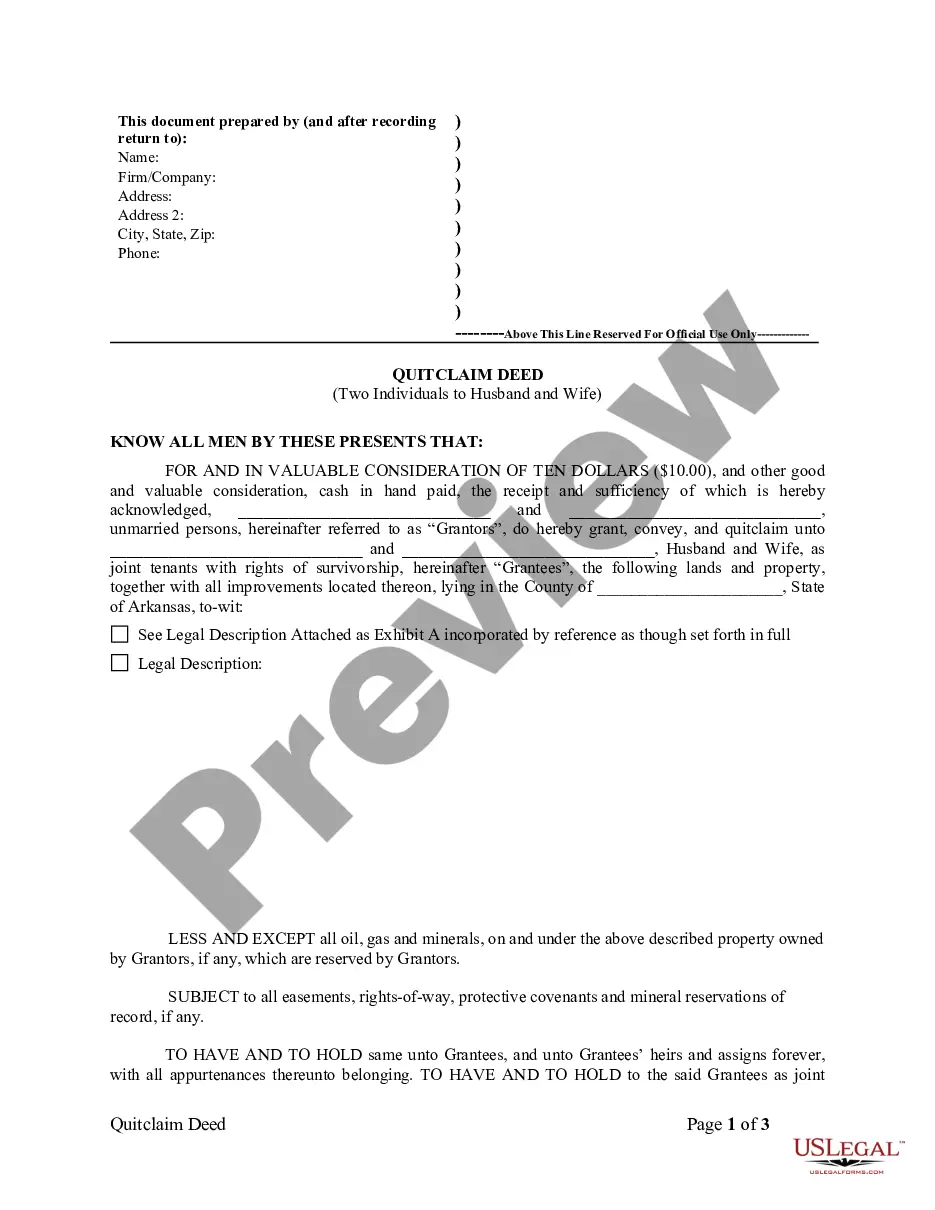
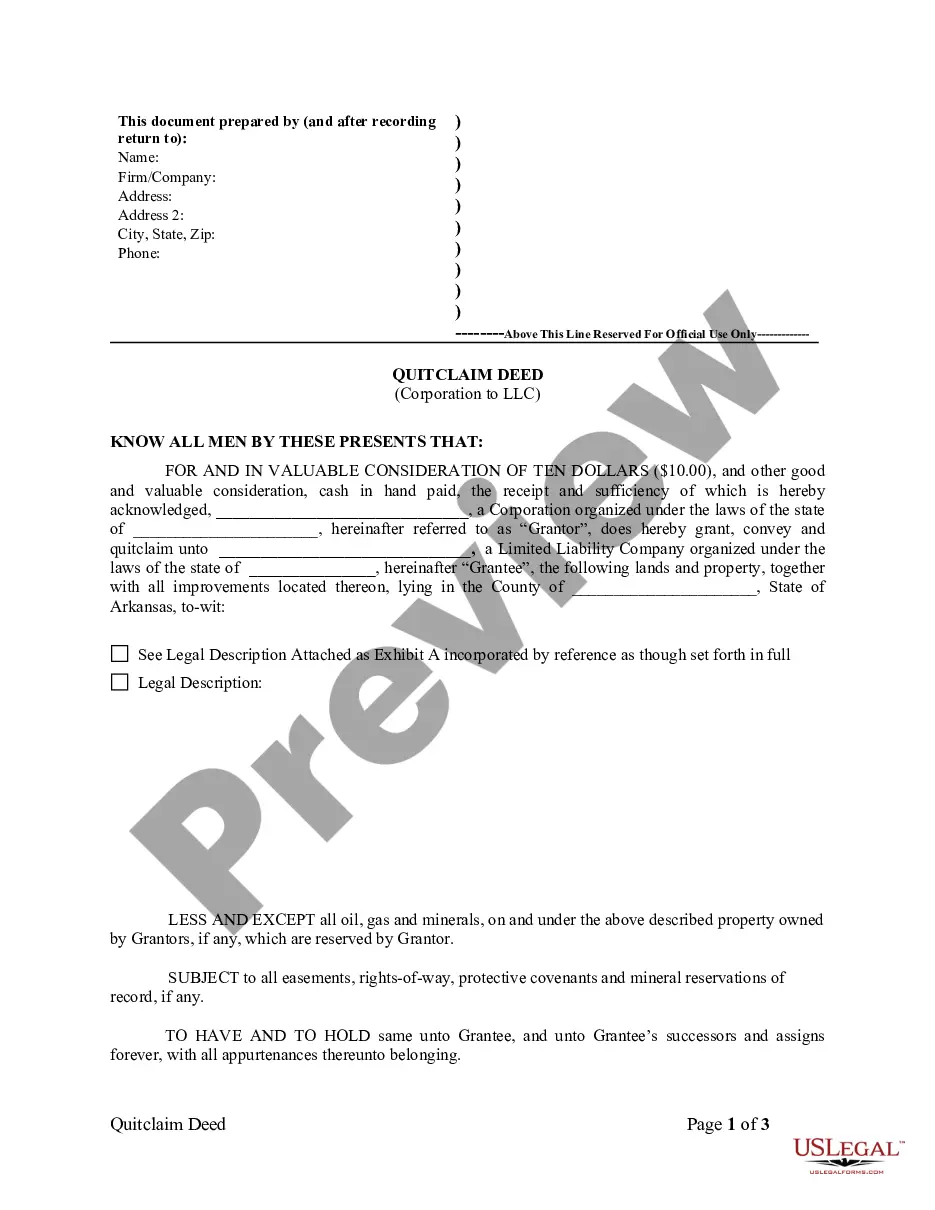


How to fill out Oil, Gas And Mineral Royalty Transfer?
- Log into your account if you're a returning user and ensure your subscription is active. If it has expired, renew according to your plan.
- Preview the form and read the description to verify it matches your legal requirements for oil field royalties.
- If the form doesn't suit your needs, utilize the Search feature to find another appropriate template.
- Purchase the selected document by clicking the Buy Now button and choosing your desired subscription plan, after creating an account.
- Complete your payment securely using credit card details or your PayPal account.
- Download the document to your device and access it anytime through the My Forms section of your profile.
In conclusion, US Legal Forms offers a simplified approach to obtaining oil field royalties documents. Their extensive collection and support ensure that you can execute legal documents with ease and confidence.
Start your journey today and streamline your legal documentation process by visiting US Legal Forms!
Form popularity
FAQ
The amount of royalties from an oil well varies significantly based on production levels, market prices, and the royalty rate set in your lease. Typically, owners can expect to make anywhere from a few dollars to thousands each month. It’s essential to keep track of your well’s performance and consult services like US Legal Forms for managing your agreements effectively.
The formula for calculating royalties is fairly straightforward: Total Revenue from Oil Sales multiplied by Royalty Percentage. This gives you the amount you earn as oil field royalties. By understanding this formula, you can gain clarity on your income from oil investments and consider using resources from US Legal Forms to ensure compliance.
You report oil royalties as income on your tax return. Use IRS Forms 1040 and Schedule E to properly declare your earnings from oil field royalties. For further assistance with documentation, US Legal Forms provides comprehensive resources and templates that can guide you through the reporting process.
Calculating royalties income involves multiplying the total production revenue by your royalty percentage. For instance, if the oil sale generated $100,000 and your royalty rate is 15%, your royalties income would be $15,000. Utilizing online calculators or professional platforms like US Legal Forms can simplify this process.
The average royalty payment for oil typically ranges from 12.5% to 25% of the revenue generated from oil production. However, this percentage can vary based on the leasing agreement and regional practices. It's important to review your lease terms carefully to understand what your specific oil field royalties might be.
The average royalty check varies widely depending on factors such as the well's production rate and market conditions. Typically, oil field royalties can amount to hundreds or even thousands of dollars per month. Landowners benefit from understanding how these checks work and the best practices for maximizing their income. By staying informed, you can ensure that you make the most of your oil field royalties.
A 7.5% royalty means that the landowner receives 7.5% of the revenue generated from oil and gas produced on their property. This percentage reflects the owner's compensation for allowing others to extract resources from their land. Understanding oil field royalties is crucial for landowners and investors alike. It's important to know how these percentages can impact your earnings and financial planning.
Yes, oil field royalties are generally considered taxable income by the IRS. Even though this income is classified as passive, it must still be reported on your tax return. It's essential to understand your tax bracket, as this will affect how much you owe on your royalty income. Utilizing resources from uslegalforms can assist you in grasping the full scope of taxation regarding your royalties.
To report oil field royalties, you will typically use IRS Form 1040, attaching Schedule E with details of your royalty income. Be sure to keep track of any related expenses, which can be deductible. Accurate reporting ensures you comply with tax regulations and helps in calculating potential tax liabilities effectively. Platforms like uslegalforms can guide you on how to fill out these forms correctly.
Royalty income from oil field royalties is treated as passive income on your tax return. This classification affects your eligibility for certain tax credits and deductions. It's crucial to distinguish this income type accurately to avoid any tax issues. Using uslegalforms can help you navigate the complexities of reporting this income correctly.