Medical Records Release Form For Deceased
Description
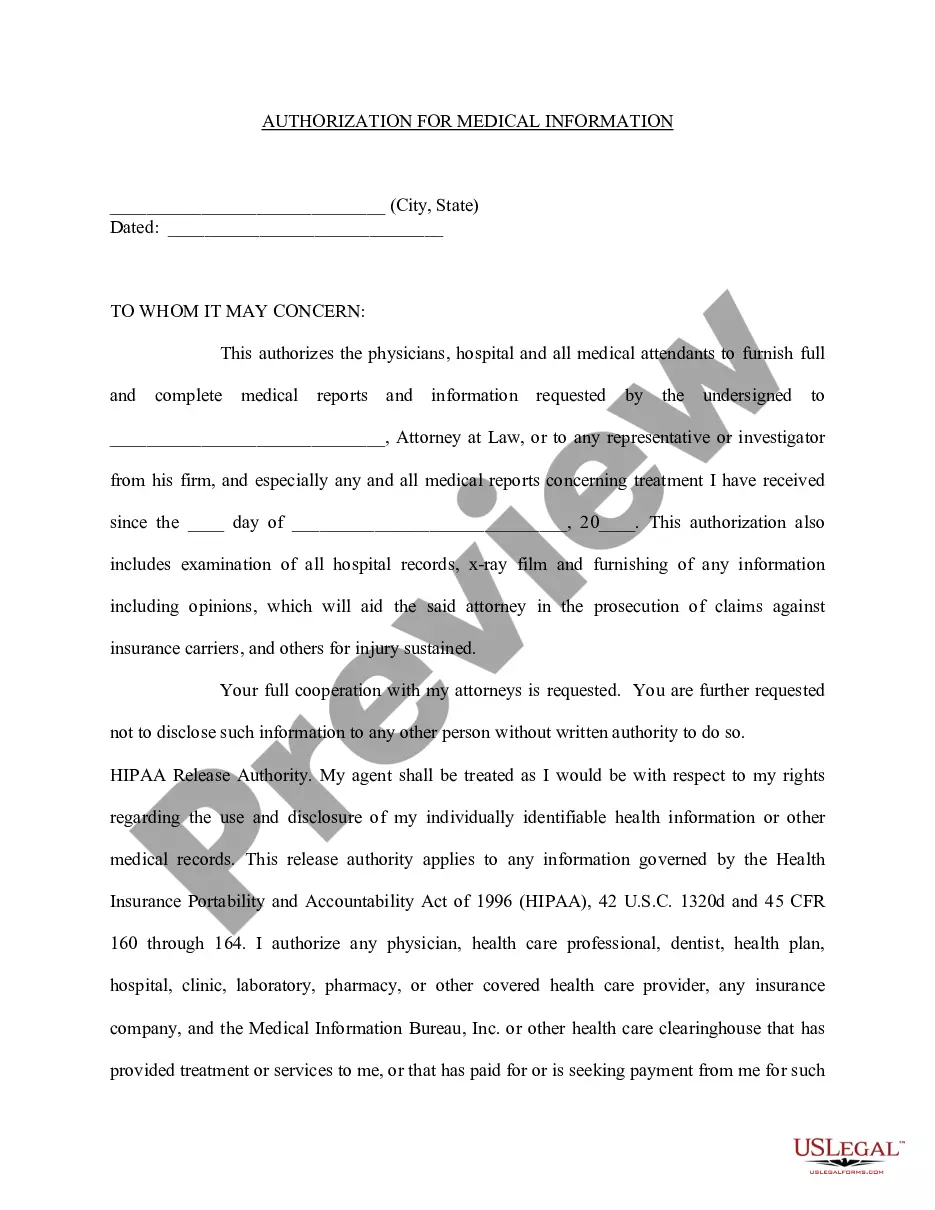
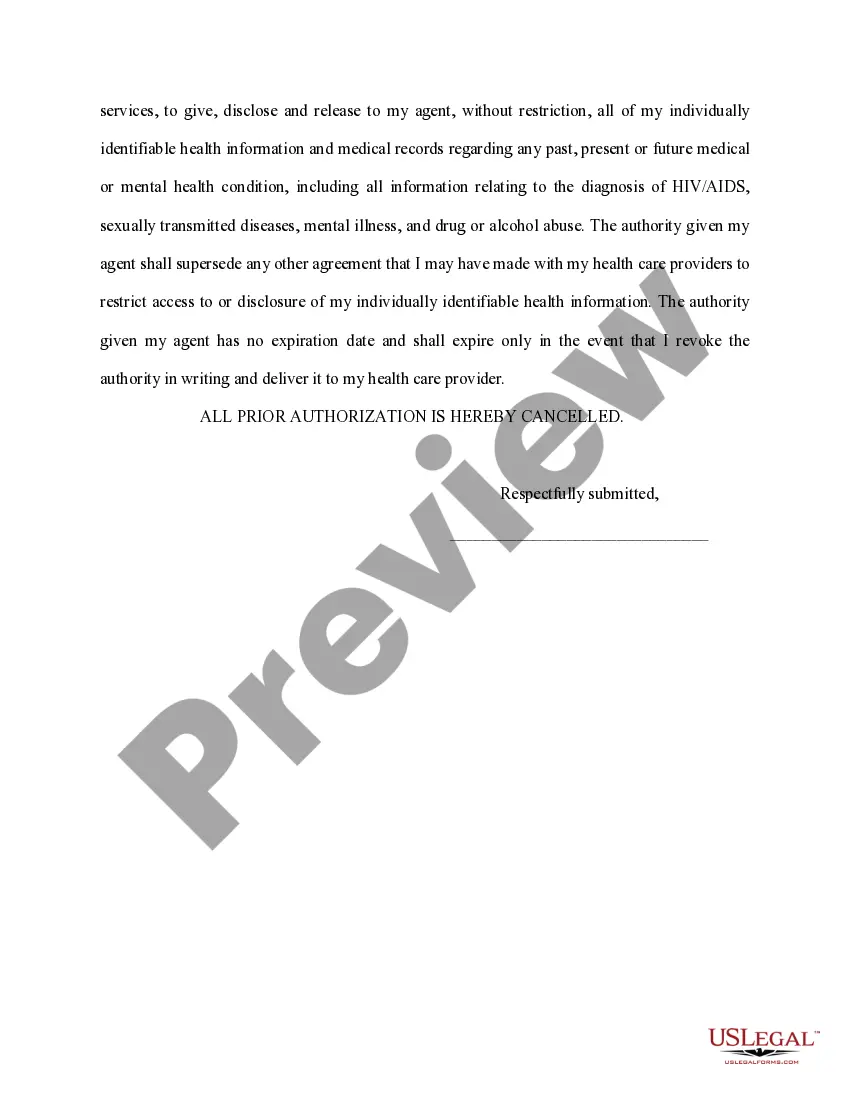

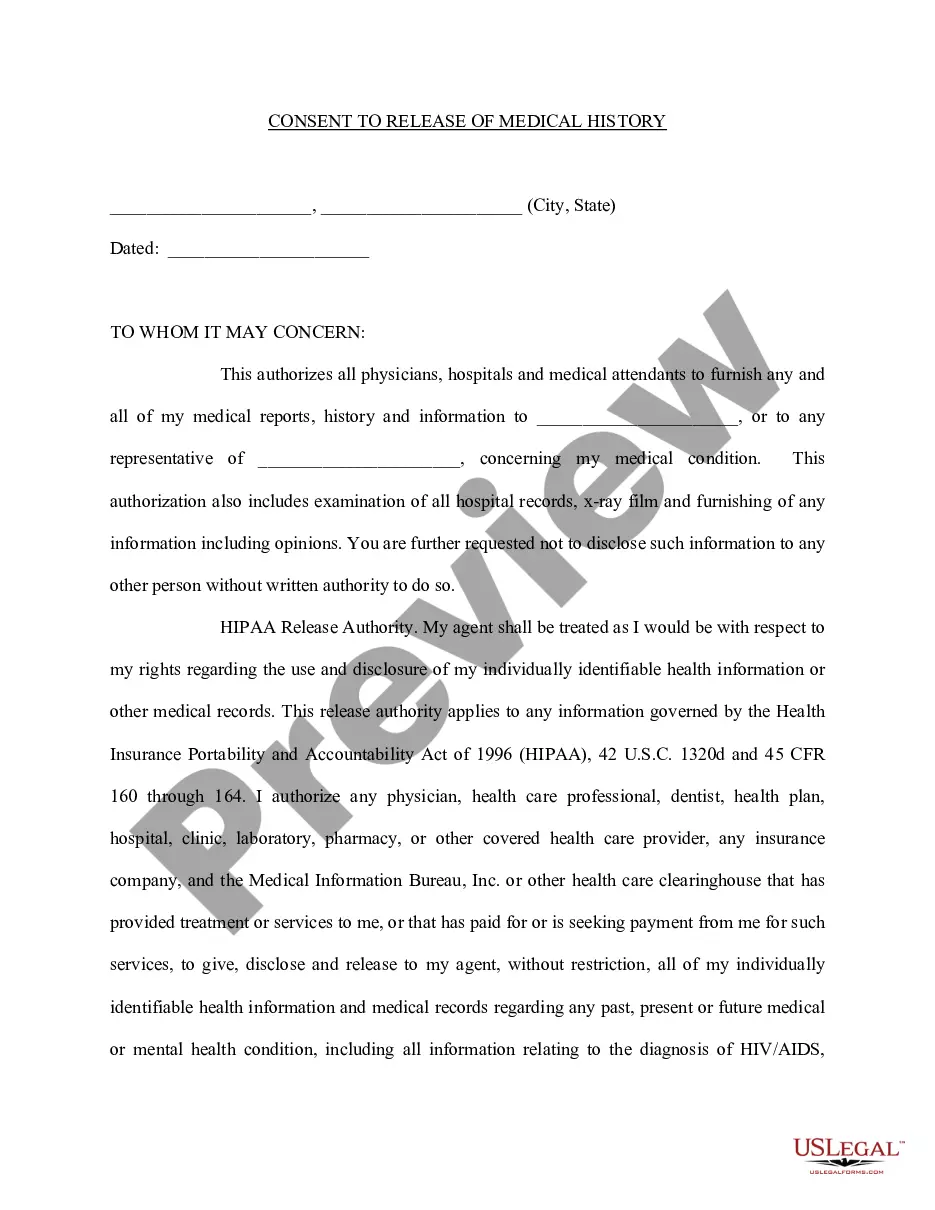
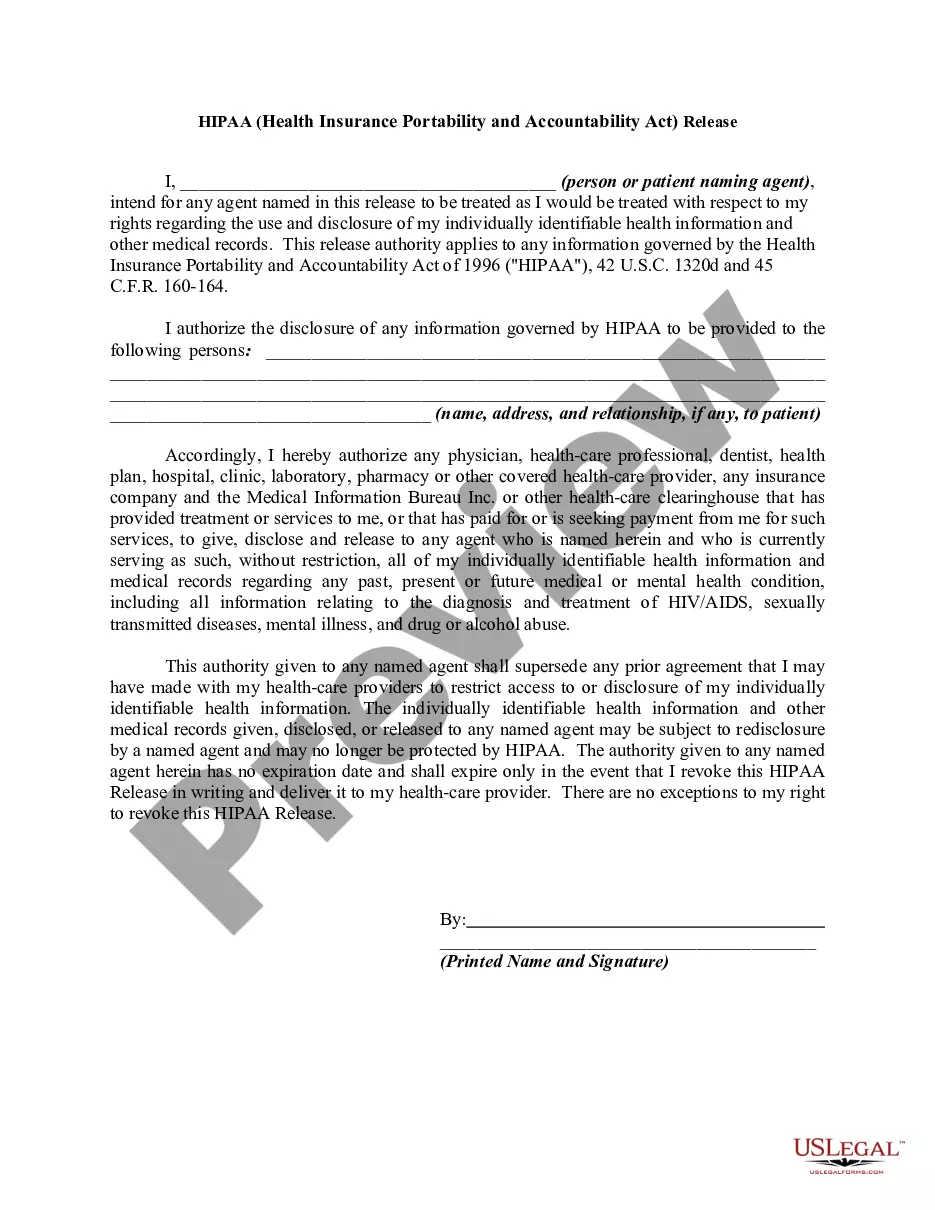


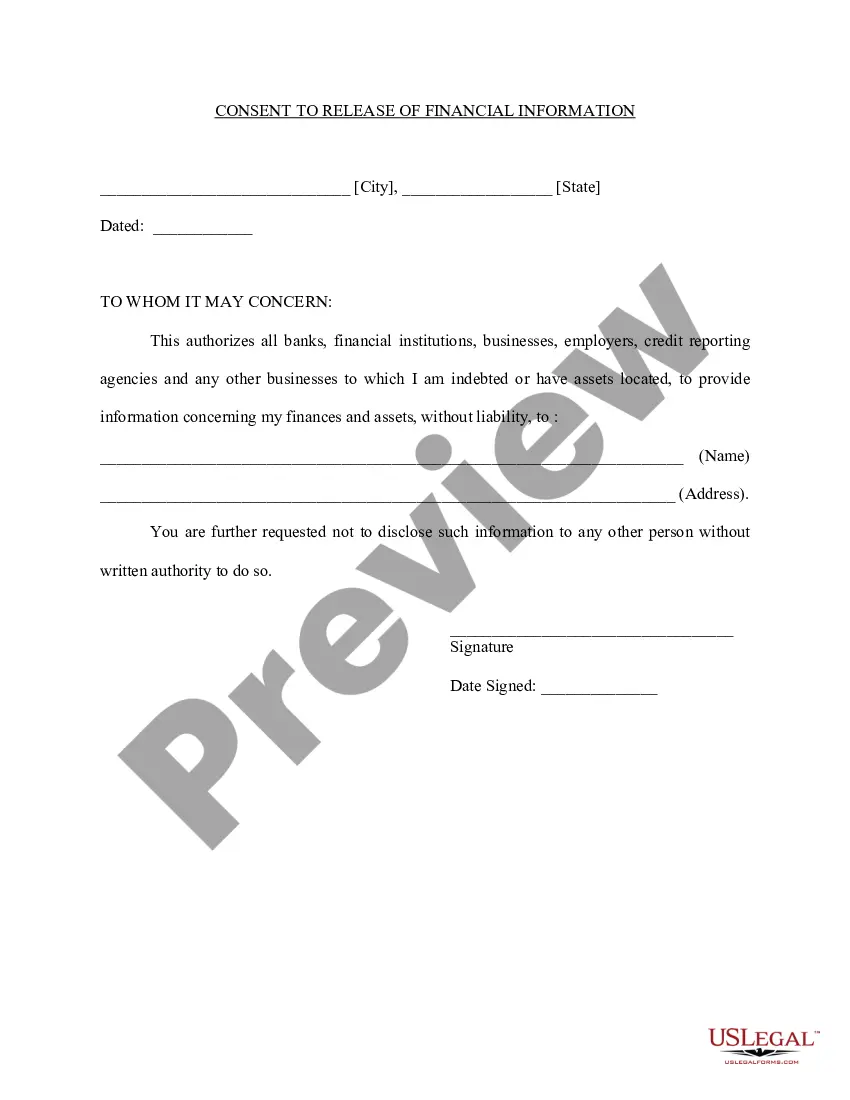

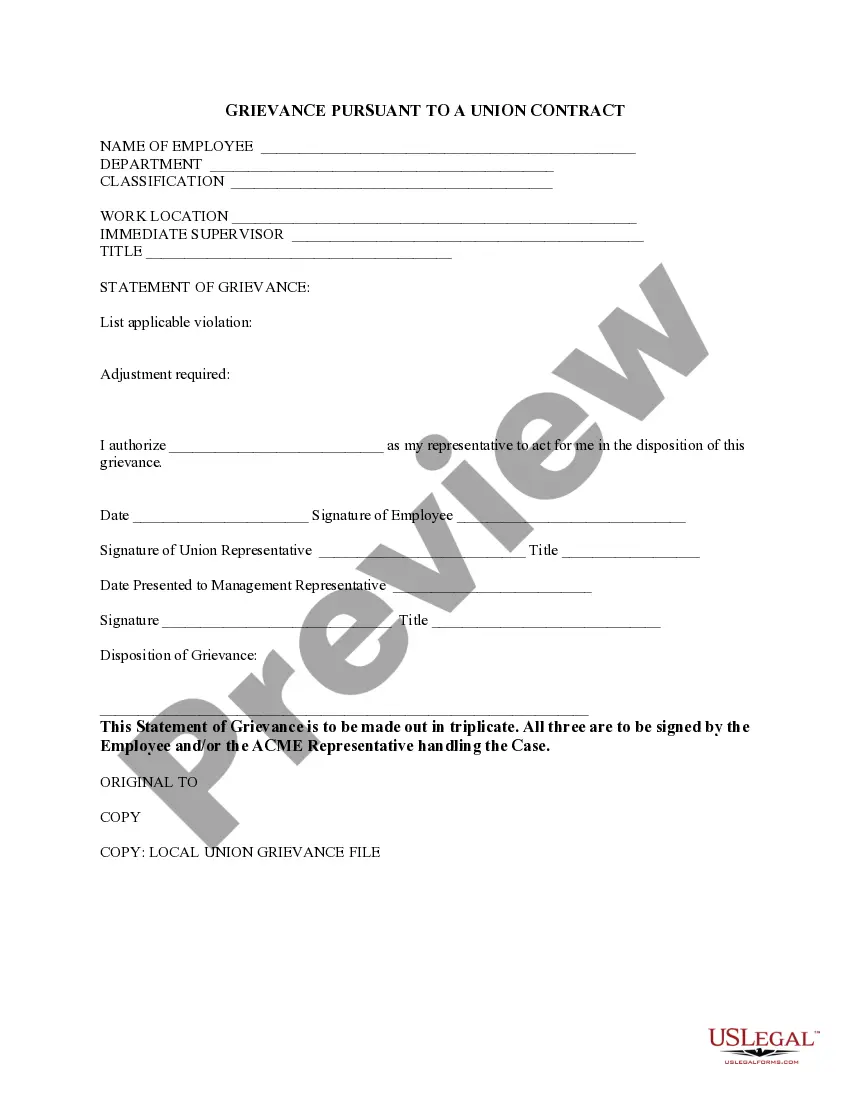
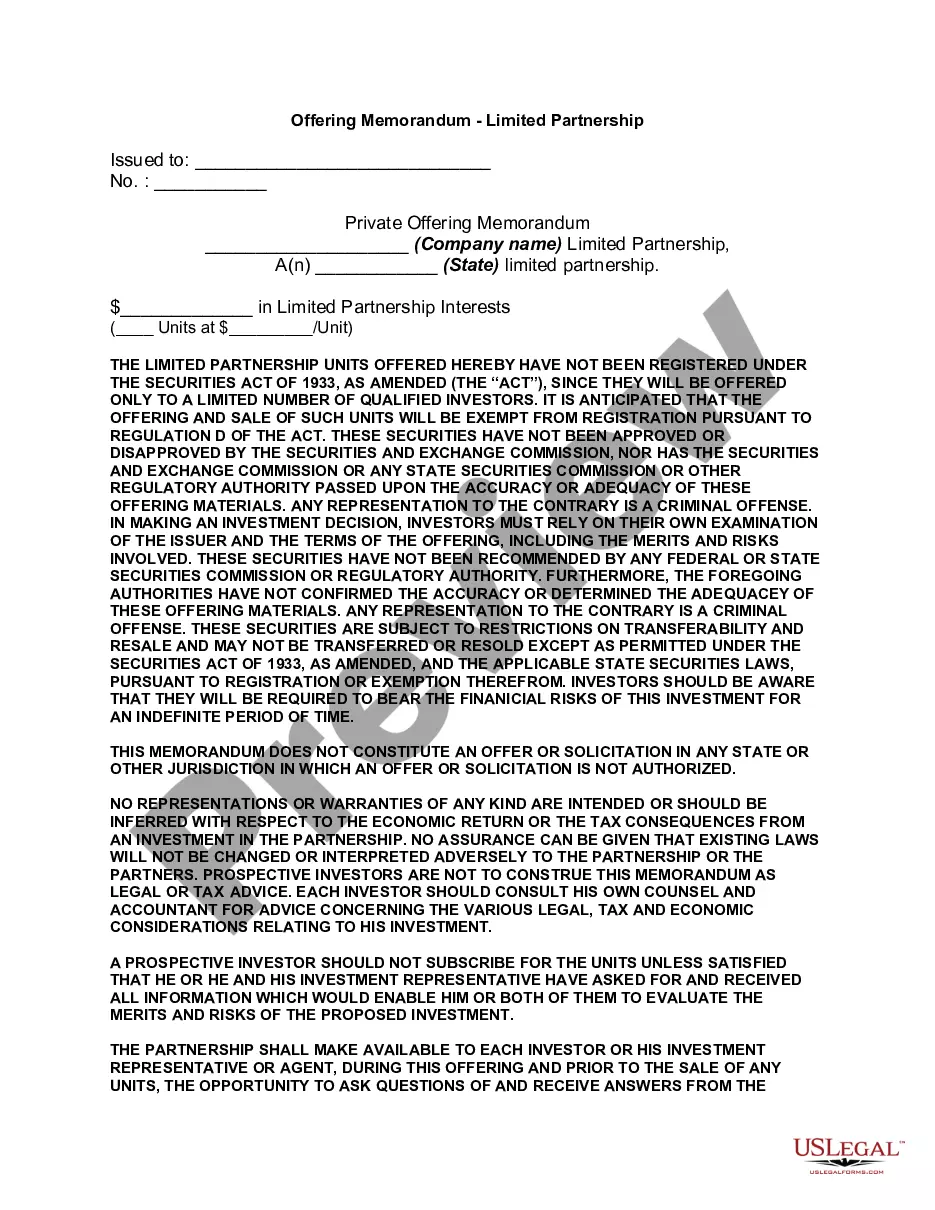
How to fill out Medical Release?
It’s no secret that you can’t become a legal professional immediately, nor can you figure out how to quickly prepare Medical Records Release Form For Deceased without the need of a specialized set of skills. Creating legal forms is a long process requiring a certain training and skills. So why not leave the creation of the Medical Records Release Form For Deceased to the specialists?
With US Legal Forms, one of the most extensive legal template libraries, you can find anything from court papers to templates for internal corporate communication. We know how important compliance and adherence to federal and state laws and regulations are. That’s why, on our website, all templates are location specific and up to date.
Here’s how you can get started with our platform and obtain the form you require in mere minutes:
- Find the form you need by using the search bar at the top of the page.
- Preview it (if this option available) and check the supporting description to determine whether Medical Records Release Form For Deceased is what you’re searching for.
- Begin your search again if you need any other template.
- Set up a free account and select a subscription option to purchase the form.
- Pick Buy now. As soon as the payment is complete, you can get the Medical Records Release Form For Deceased, complete it, print it, and send or mail it to the necessary individuals or entities.
You can re-access your forms from the My Forms tab at any time. If you’re an existing client, you can simply log in, and find and download the template from the same tab.
No matter the purpose of your forms-be it financial and legal, or personal-our platform has you covered. Try US Legal Forms now!
Form popularity
FAQ
A: The federal Health Insurance Portability and Accountability Act (HIPAA) grants privacy protections to a person's medical information even after death. However, HIPAA also establishes that a patient's designated personal representative has a legal right to access the patient's records.
In Texas, you have the right to get a deceased person's medical records from a doctor if you are a personal representative of the deceased person (such as an executor or administrator of the estate). You will probably be required to show verification or proof such as a death certificate.
Under Section 395.3025, Florida Statutes, any medical facility licensed by the State of Florida shall furnish to the personal representative of a deceased family member a true and correct copy of all patient records which are in the possession of the medical facility.
In legal terms, the General Data Protection Regulation (GDPR) and the Data Protection Act no longer applies to identifiable data that relate to a person once they have died. However any duty of confidence established prior to death does extend beyond death.
Documentation in the Medical Record Called to pronounce (name); Chart the findings of physical examination. Note date and time of death; Note if family and attending physician were notified. Document if family declines or accepts autopsy. Document if the death was natural and if the coroner was notified.