Liability Injury Property With Florida
Description
Get your form ready online
Our built-in tools help you complete, sign, share, and store your documents in one place.
Make edits, fill in missing information, and update formatting in US Legal Forms—just like you would in MS Word.
Download a copy, print it, send it by email, or mail it via USPS—whatever works best for your next step.
Sign and collect signatures with our SignNow integration. Send to multiple recipients, set reminders, and more. Go Premium to unlock E-Sign.
If this form requires notarization, complete it online through a secure video call—no need to meet a notary in person or wait for an appointment.
We protect your documents and personal data by following strict security and privacy standards.

Make edits, fill in missing information, and update formatting in US Legal Forms—just like you would in MS Word.

Download a copy, print it, send it by email, or mail it via USPS—whatever works best for your next step.

Sign and collect signatures with our SignNow integration. Send to multiple recipients, set reminders, and more. Go Premium to unlock E-Sign.

If this form requires notarization, complete it online through a secure video call—no need to meet a notary in person or wait for an appointment.

We protect your documents and personal data by following strict security and privacy standards.
Looking for another form?
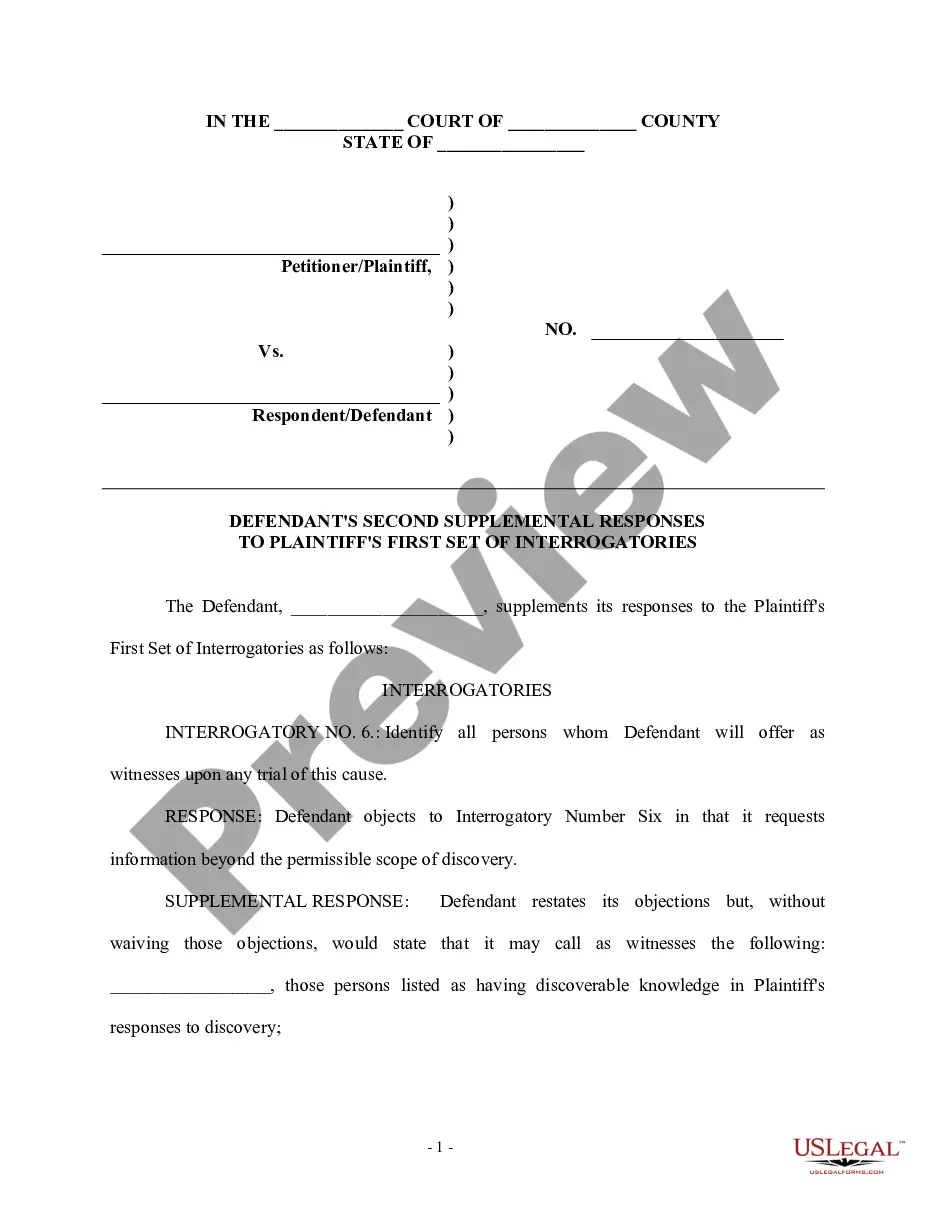
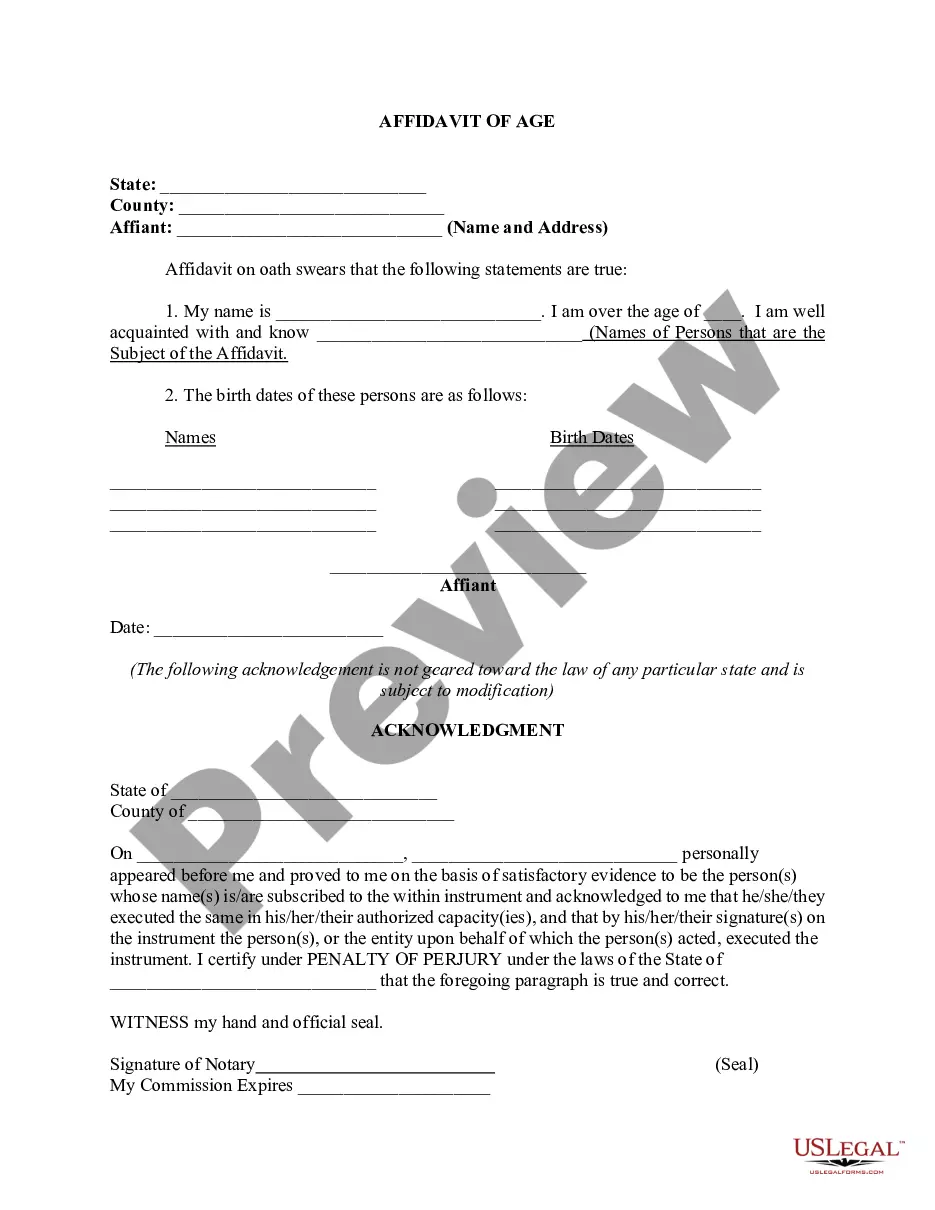
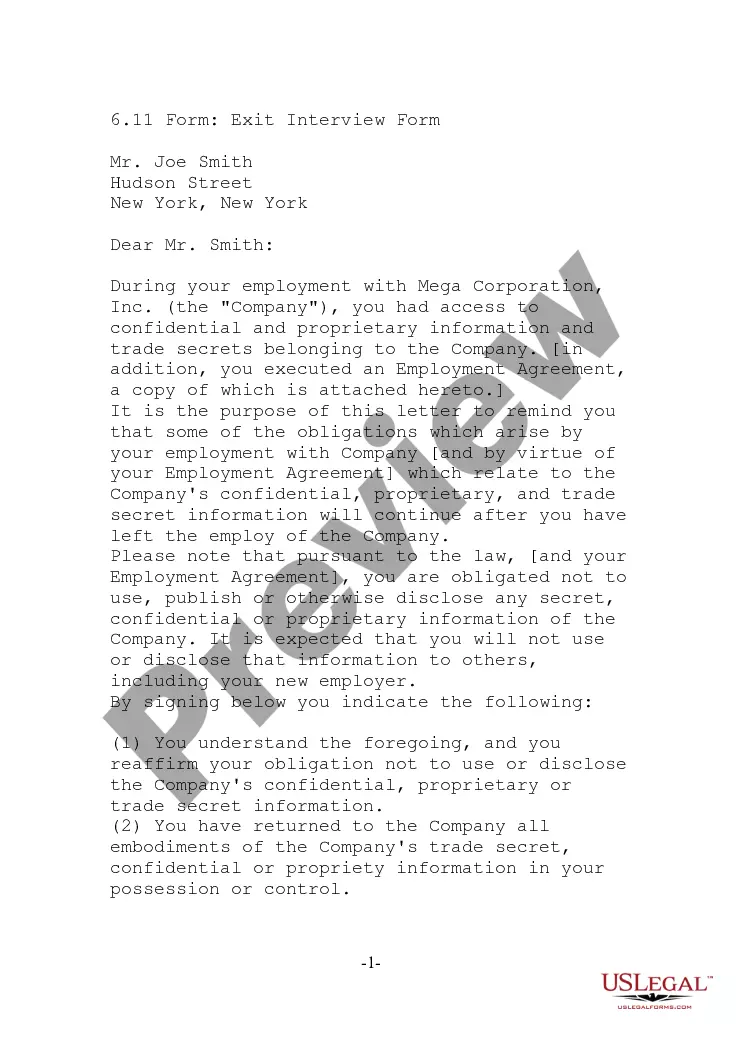
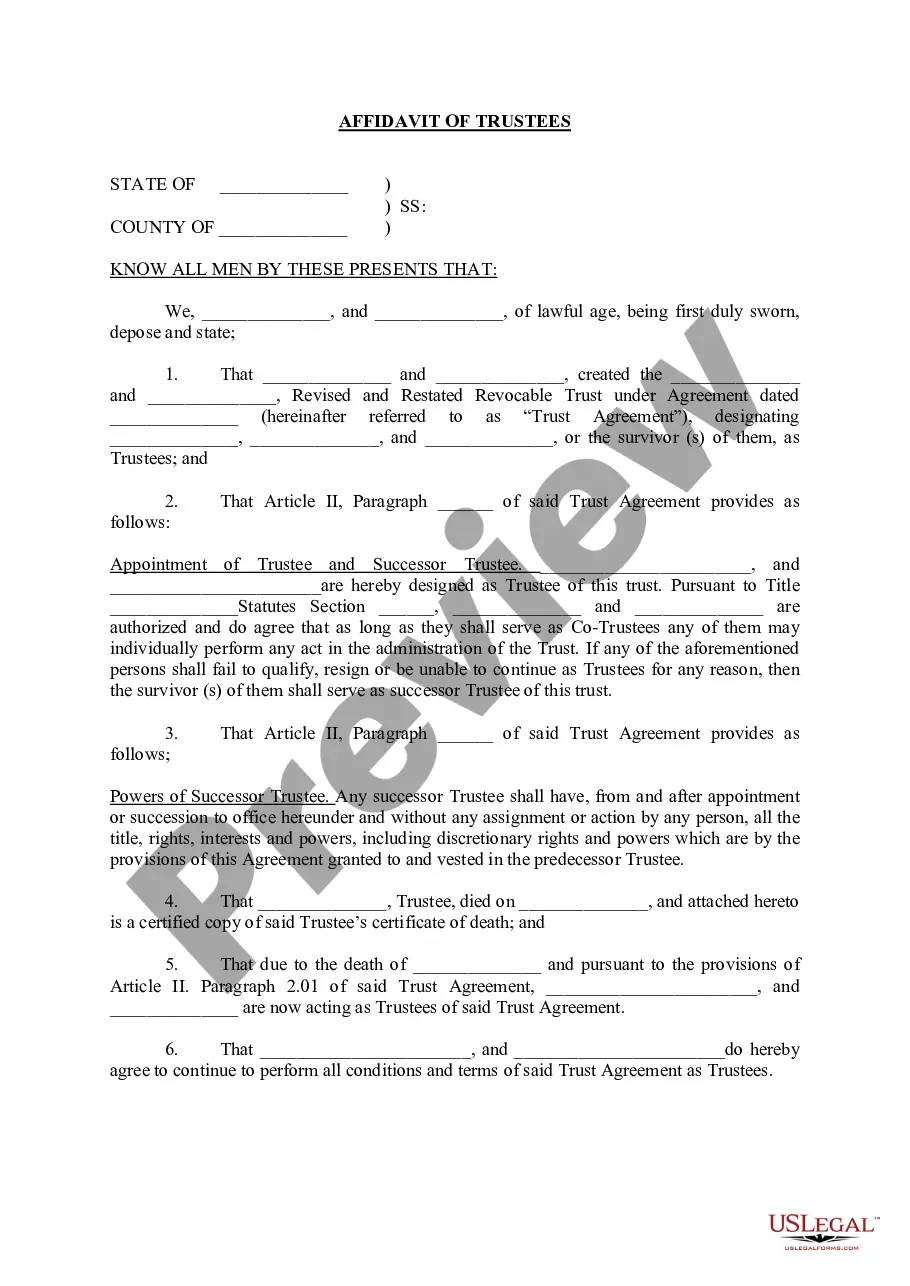
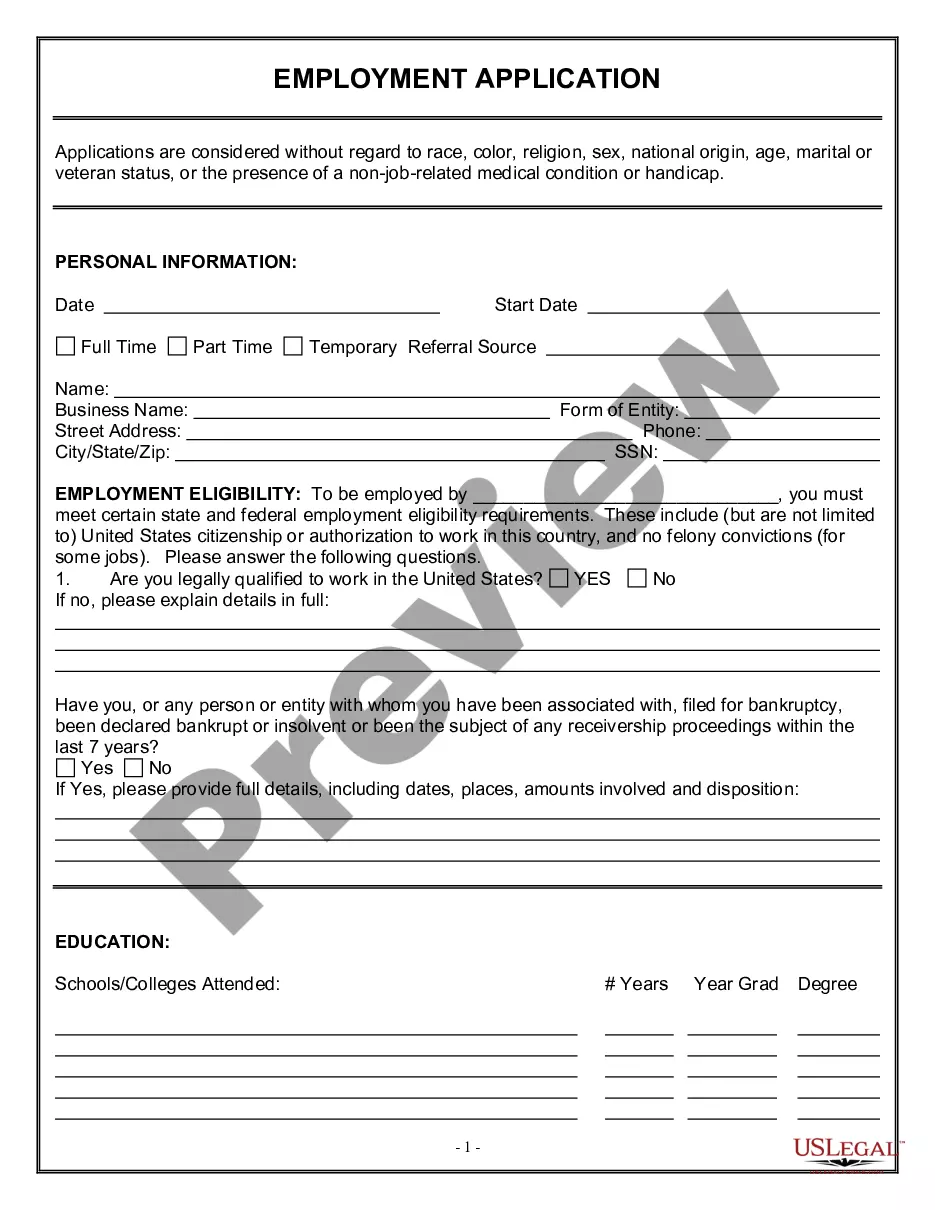
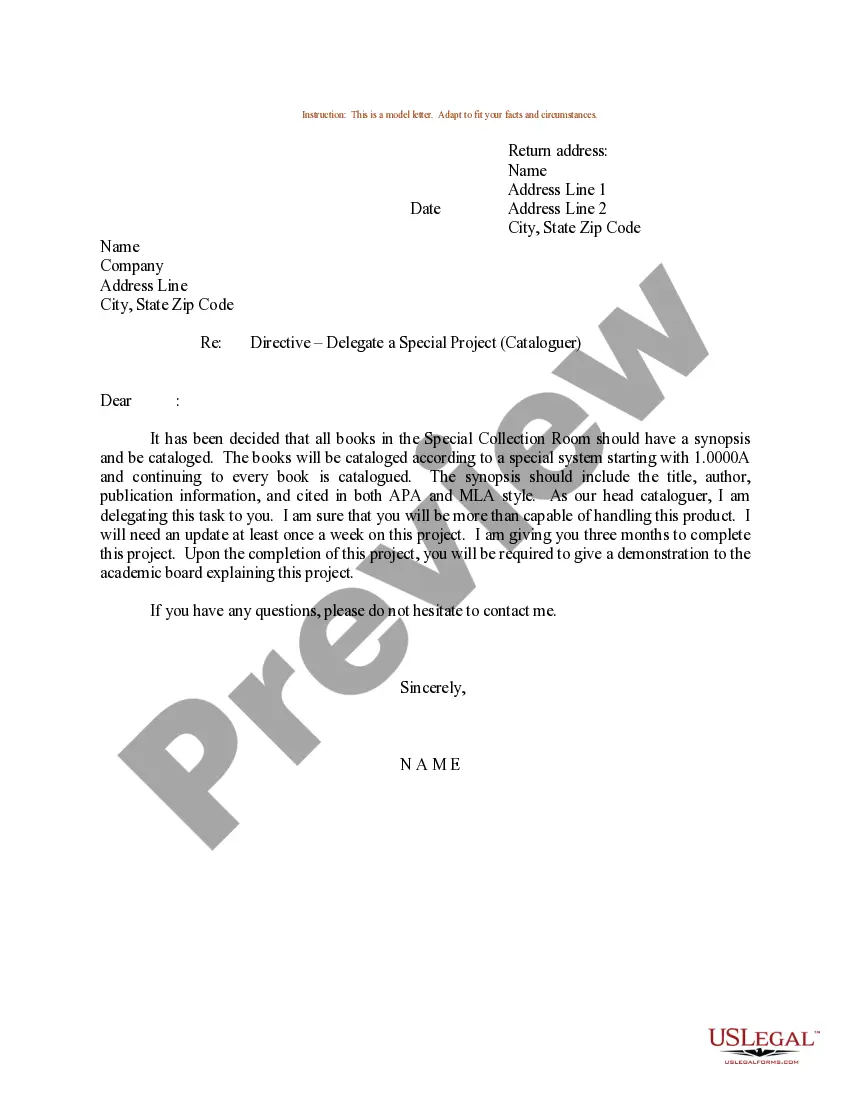
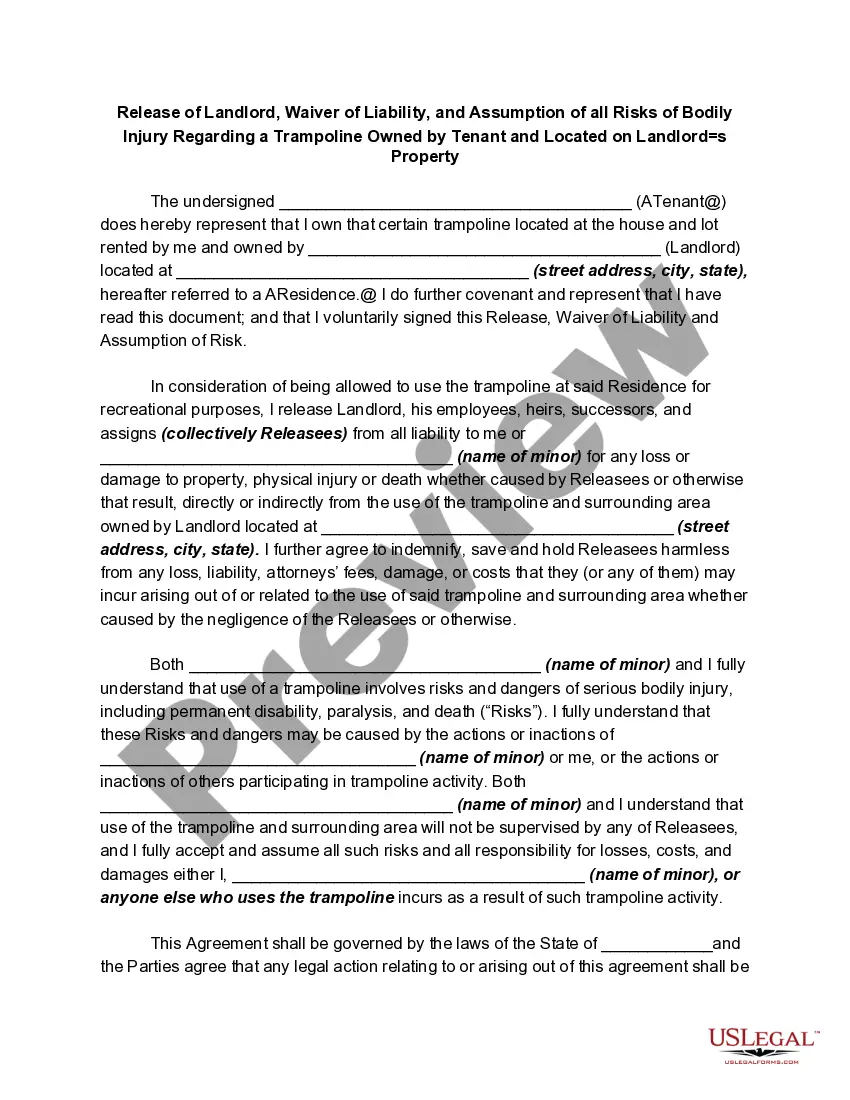
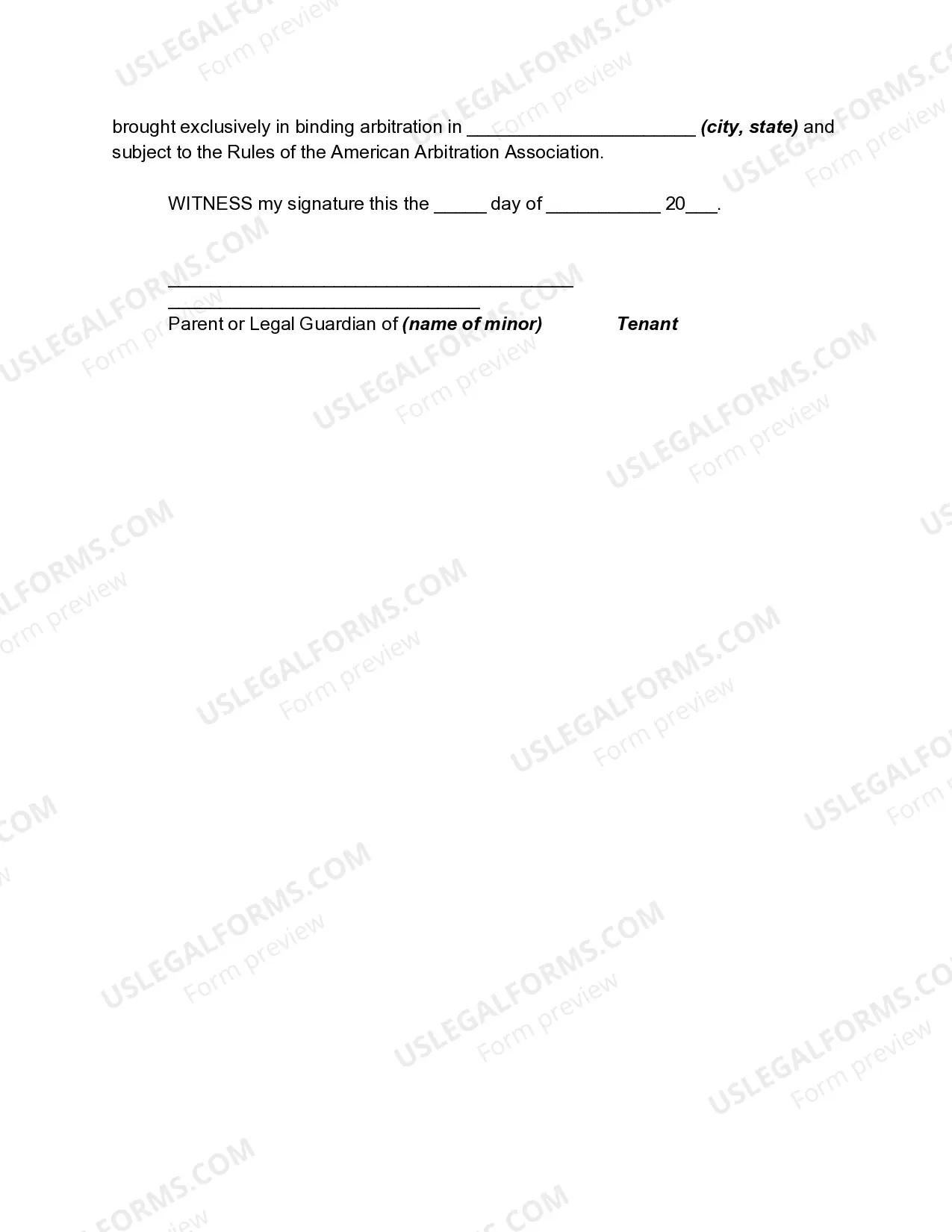
How to fill out Release Of Landlord, Waiver Of Liability, And Assumption Of All Risks Of Personal Bodily Injury Regarding A Trampoline Owned By Tenant And Located On Landlord's Property?
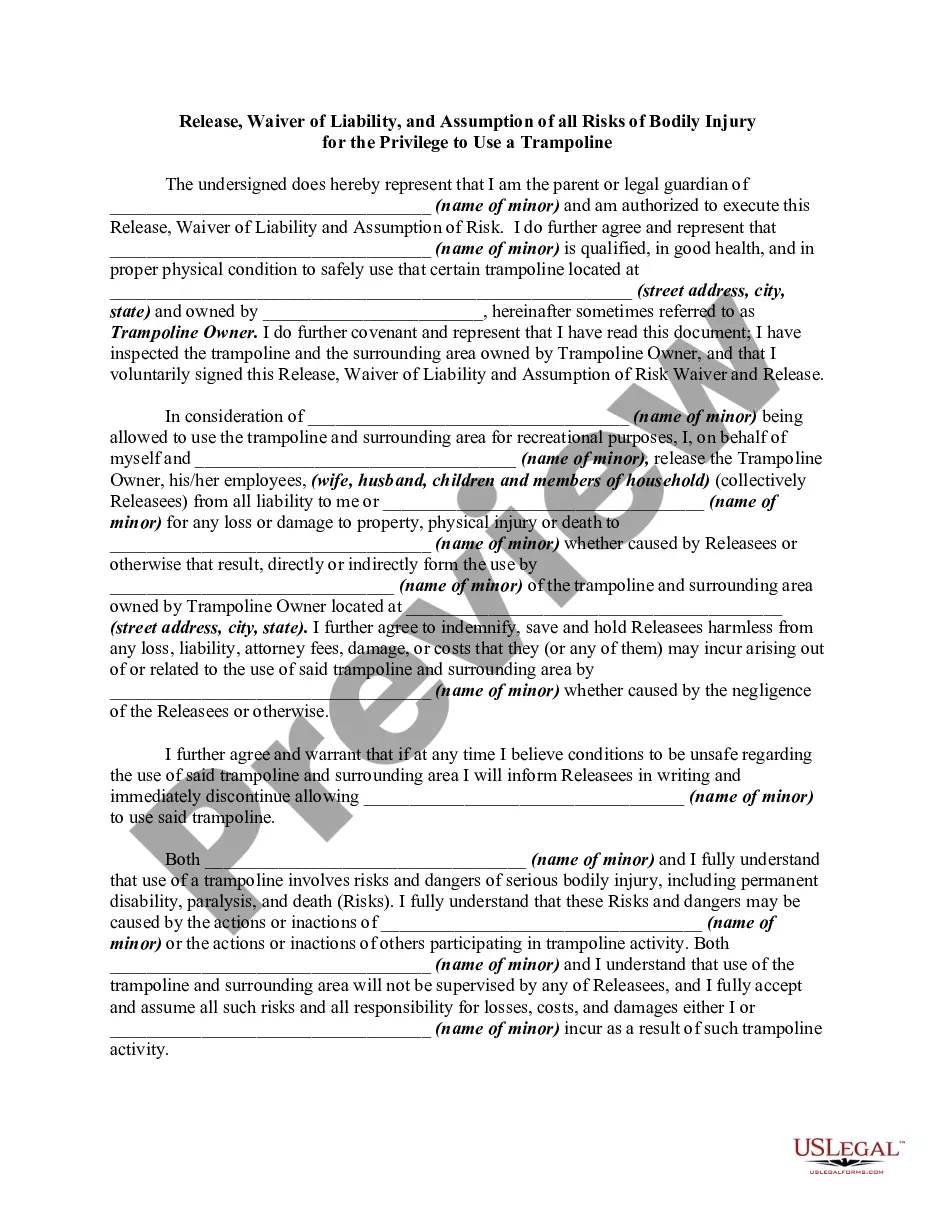
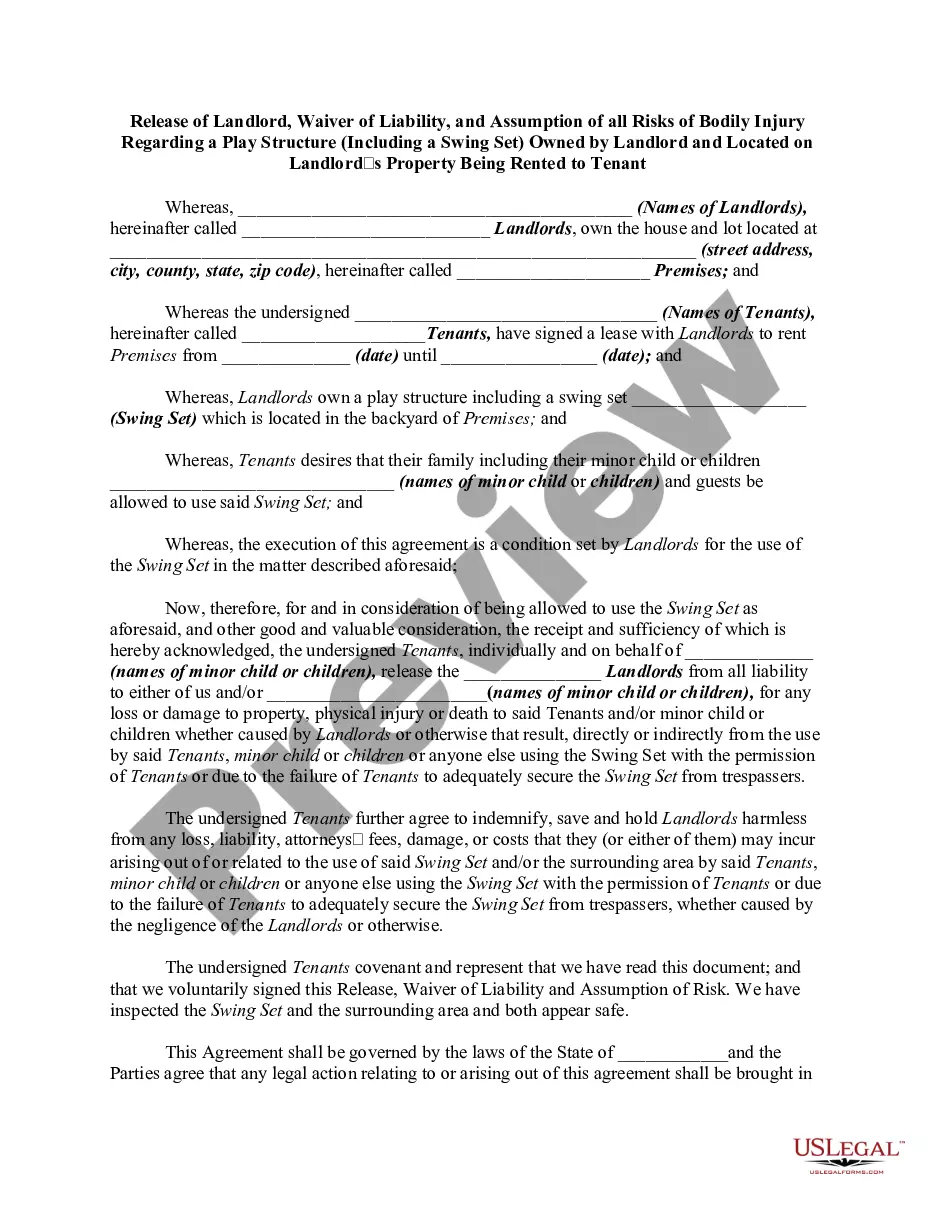
The Liability Injury Property With Florida you observe on this page is a reusable formal template crafted by experienced attorneys in adherence to federal and local regulations.
For over 25 years, US Legal Forms has offered individuals, enterprises, and legal professionals with more than 85,000 validated, state-specific documents for every business and personal scenario. It’s the fastest, easiest, and most trustworthy way to procure the paperwork you require, as the service ensures the utmost level of data privacy and anti-malware safeguards.
Register for US Legal Forms to have validated legal templates for all of life’s situations at your disposal.
- Search for the document you require and examine it.
- Browse through the file you looked for and preview it or examine the form description to ensure it meets your requirements. If it doesn't, utilize the search bar to find the correct one. Click Buy Now once you've located the template you need.
- Register and Log In.
- Choose the payment plan that fits you and create an account. Use PayPal or a credit card to make a quick payment. If you already possess an account, Log In and review your subscription to continue.
- Obtain the editable template.
- Select the format you want for your Liability Injury Property With Florida (PDF, Word, RTF) and download the sample onto your device.
- Fill out and sign the documents.
- Print the template to complete it by hand. Alternatively, use an online multifunctional PDF editor to swiftly and accurately fill out and sign your form with a legally-binding electronic signature.
- Download your documents again.
- Access the same document anytime needed. Go to the My documents tab in your profile to redownload any previously saved forms.
Form popularity
FAQ
Choosing the right bodily injury liability in Florida should be based on your personal circumstances, financial resources, and risk exposure. Standard recommendations often start at $100,000 per person, and $300,000 per accident, but assessing your lifestyle can help inform your decision. Consider talking to an insurance advisor for tailored advice that aligns with liability injury property with Florida regulations. Having a solid policy protects your assets and provides peace of mind.
To write a simple release of liability, first, identify the parties involved clearly and state the purpose of the release. Include definitions of any terms used and describe the activities or events that the release covers. Ensure that the document contains a clause where the signer acknowledges understanding the risks and agrees to waive liability. Utilizing templates provided by platforms like US Legal Forms can simplify this process and ensure compliance with Florida laws.
A good amount for bodily injury liability often starts at a minimum of $100,000 per person and $300,000 per accident. This level of coverage is commonly recommended because it can protect your assets in serious accidents. As you evaluate your insurance needs, consider your financial situation and the potential risks involved in your daily activities. Higher liability limits can offer additional security.
Emotional distress or psychological injuries can be particularly challenging to prove in Florida. These injuries often lack physical evidence, making it difficult to establish their impact on a person's life. Documenting medical records and obtaining expert opinions can help. Engaging a legal professional experienced in liability injury property with Florida cases may also provide guidance to strengthen your claims.
A 50k/100k bodily injury coverage means that you are insured for $50,000 per person and $100,000 per accident. This amount generally provides a decent level of protection against injuries you may cause to others in an auto accident. However, if you live in Florida, evaluating your assets and potential risks is crucial to decide if this level of coverage is suitable. For additional safety, consider higher limits, especially in diverse driving situations.
In Florida, the minimum amount of property damage liability (PDL) insurance required is $10,000. This coverage protects you from financial loss if you damage someone else's property in an accident. It's important to have sufficient PDL that aligns with your needs. Consider getting more coverage to ensure peace of mind because property damage can be costly.
If a handyman gets hurt on your property in Florida, they may file a workers' compensation claim if they are employed by a company. However, if they are self-employed, they can potentially sue you for negligence under liability injury property with Florida laws. It’s crucial to have appropriate liability insurance to cover such incidents and protect your interests.
Indeed, you can face a lawsuit if someone sustains an injury on your property, particularly if they can show that you failed to prevent the hazard. This underlines the importance of understanding liability injury property with Florida regulations. By maintaining a safe environment and preparing for possible claims, you can better manage your risks.
Yes, someone can sue you if they get hurt on your property in Florida, especially if it is proven that you were negligent in ensuring a safe environment. Liability injury property with Florida law specifies that property owners must maintain reasonable safety standards. Therefore, it is essential to be mindful of the conditions on your property to mitigate potential lawsuits.
To protect your assets from a lawsuit in Florida, consider forming a limited liability company (LLC) or trusts that can safeguard your property. Another approach is to obtain adequate insurance coverage, which can offer financial protection against liability injury property with Florida cases. Being proactive in asset protection can save you significant stress and financial loss.