Liability Injury Property For Personal
Description
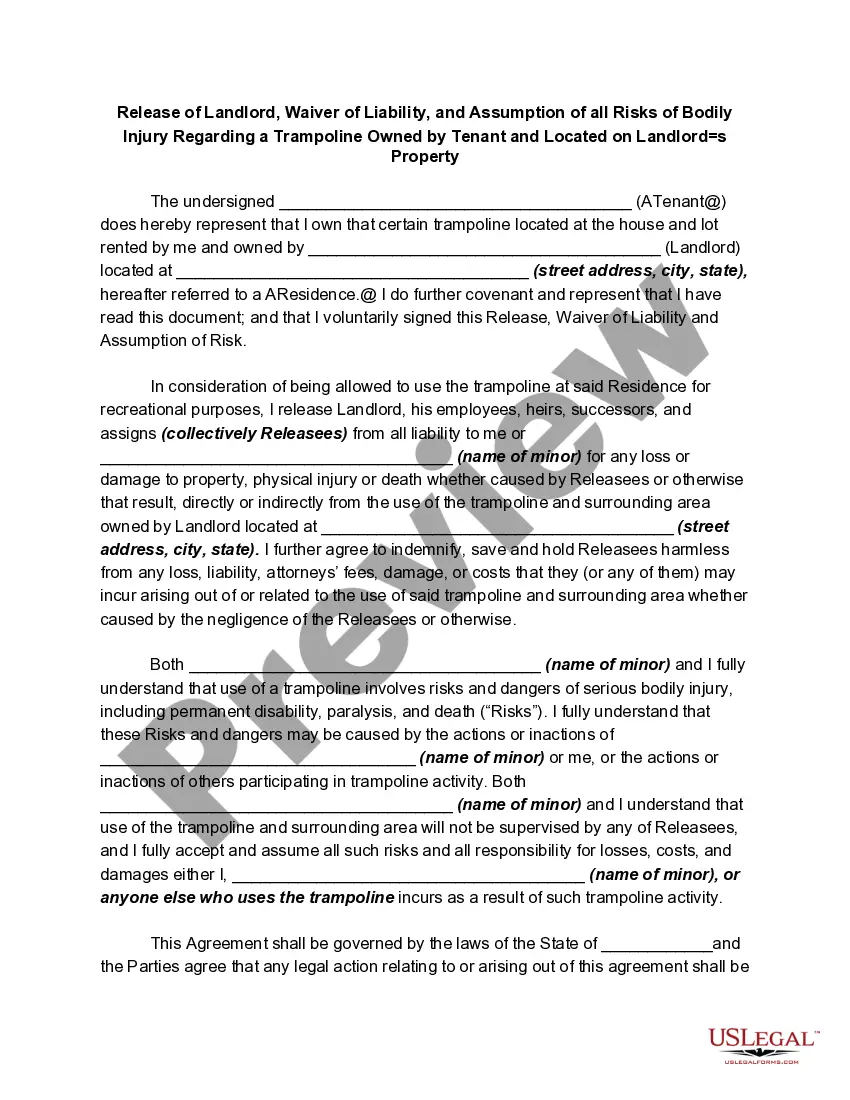
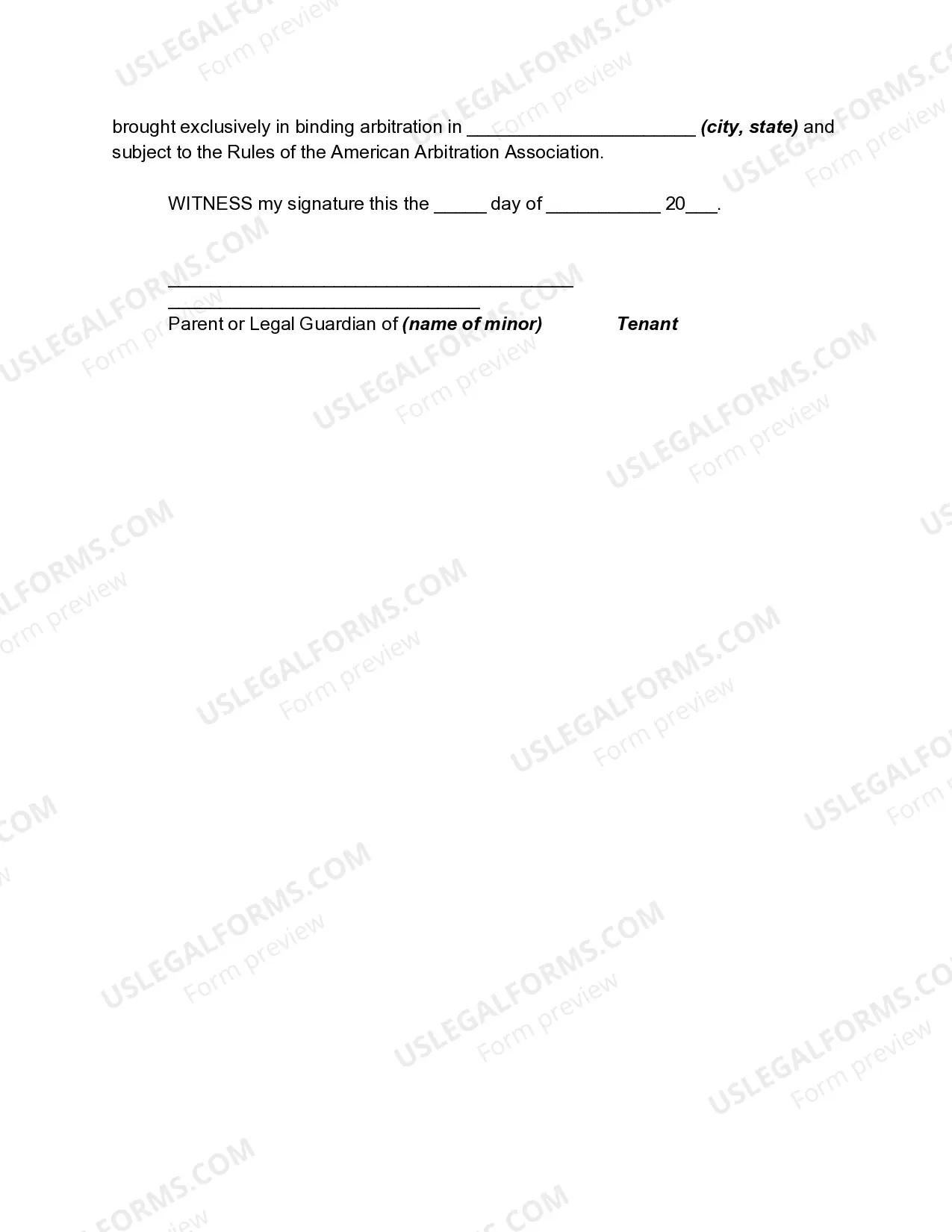
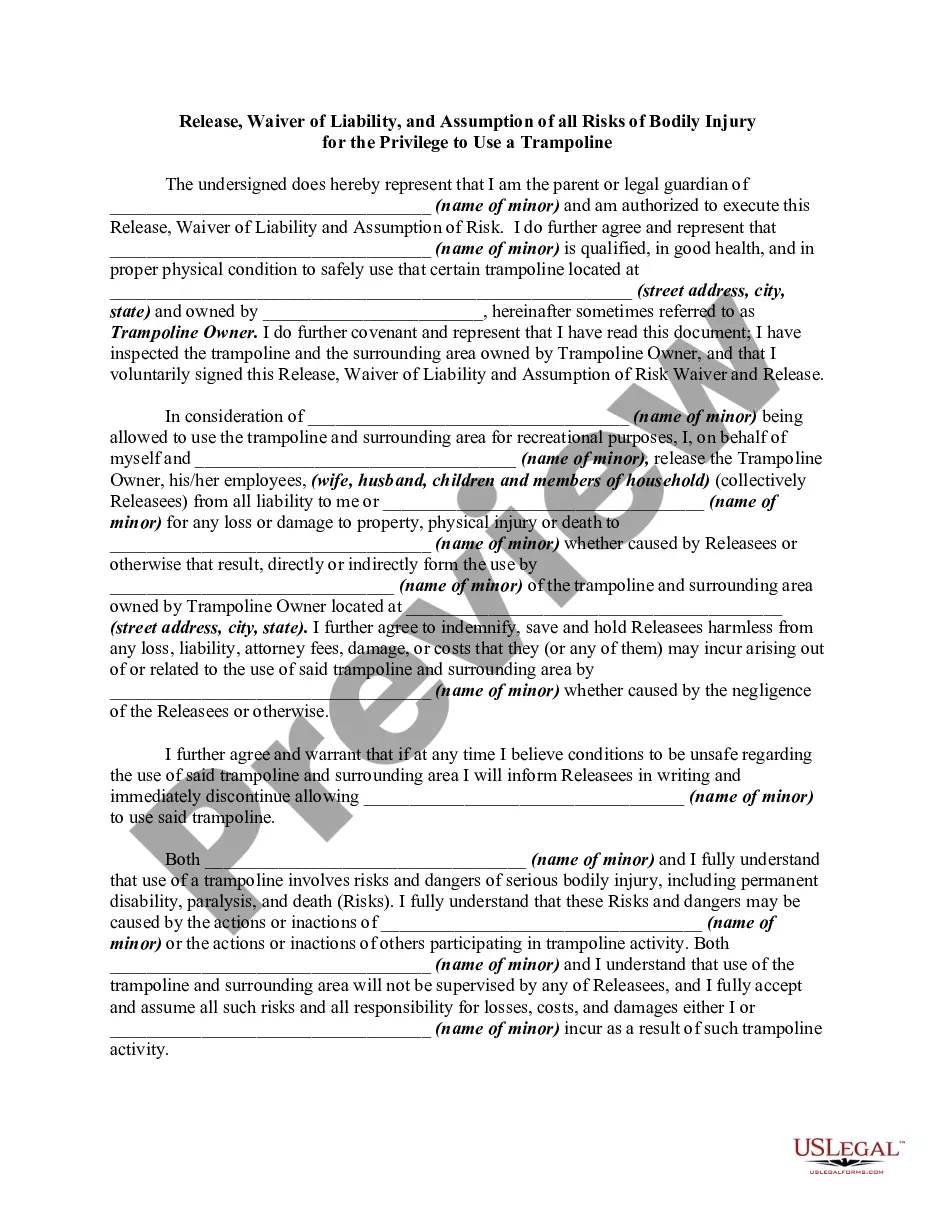
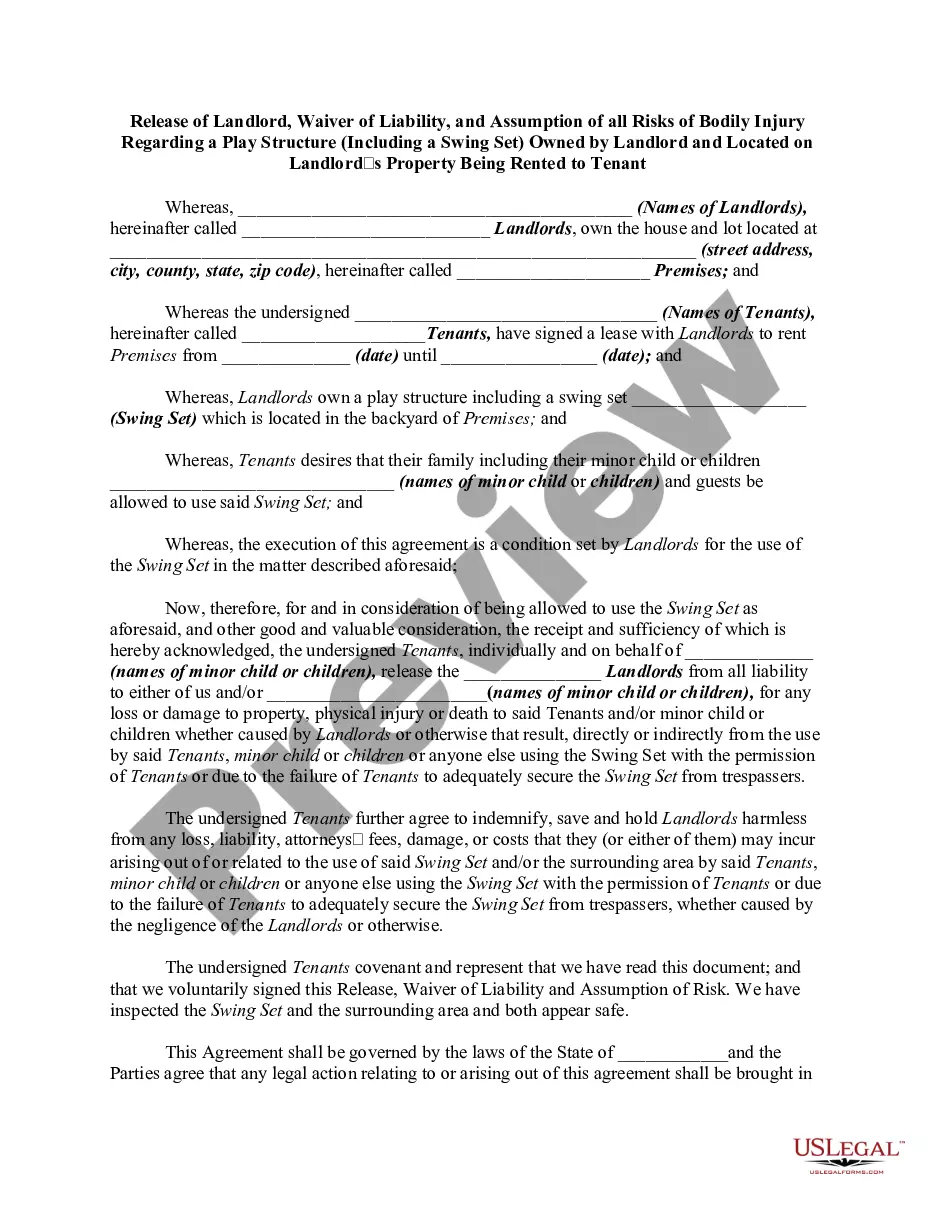
Get your form ready online
Our built-in tools help you complete, sign, share, and store your documents in one place.
Make edits, fill in missing information, and update formatting in US Legal Forms—just like you would in MS Word.
Download a copy, print it, send it by email, or mail it via USPS—whatever works best for your next step.
Sign and collect signatures with our SignNow integration. Send to multiple recipients, set reminders, and more. Go Premium to unlock E-Sign.
If this form requires notarization, complete it online through a secure video call—no need to meet a notary in person or wait for an appointment.
We protect your documents and personal data by following strict security and privacy standards.

Make edits, fill in missing information, and update formatting in US Legal Forms—just like you would in MS Word.

Download a copy, print it, send it by email, or mail it via USPS—whatever works best for your next step.

Sign and collect signatures with our SignNow integration. Send to multiple recipients, set reminders, and more. Go Premium to unlock E-Sign.

If this form requires notarization, complete it online through a secure video call—no need to meet a notary in person or wait for an appointment.

We protect your documents and personal data by following strict security and privacy standards.
Looking for another form?
How to fill out Release Of Landlord, Waiver Of Liability, And Assumption Of All Risks Of Personal Bodily Injury Regarding A Trampoline Owned By Tenant And Located On Landlord's Property?
Acquiring a reliable location to obtain the most up-to-date and pertinent legal templates is a significant part of dealing with bureaucracy.
Identifying the appropriate legal documents requires precision and meticulousness, which is why it is vital to source Liability Injury Property For Personal only from trustworthy providers, such as US Legal Forms.
Once you have the form on your device, you can modify it using the editor or print it for manual completion. Remove the hassle that comes with your legal documentation. Browse the vast US Legal Forms library to find legal templates, assess their suitability for your circumstances, and download them immediately.
- Utilize the library navigation or search box to find your document.
- Review the form's description to determine if it meets the specifications of your state and locality.
- Access the form preview, if available, to confirm the template is what you need.
- Return to the search to find the correct template if the Liability Injury Property For Personal does not meet your criteria.
- Once you are confident about the form's applicability, download it.
- If you are a registered user, click Log in to verify your identity and access your selected forms in My documents.
- If you don’t possess an account yet, click Buy now to acquire the template.
- Select the payment plan that suits your needs.
- Proceed with registration to finalize your purchase.
- Complete your purchase by choosing a payment method (credit card or PayPal).
- Select the file format to download Liability Injury Property For Personal.
Form popularity
FAQ
Personal injury liability encompasses various aspects related to legal responsibilities when someone suffers harm or damage due to another party's actions. This includes compensation for medical expenses, lost wages, and property damage, particularly regarding liability injury property for personal claims. Furthermore, it addresses support for emotional distress and pain and suffering resulting from the injury. Understanding these components is essential for navigating the complexities of personal injury law, and uslegalforms can assist you in ensuring you have the necessary documents to protect your rights.
Liability for personal injuries involves holding a party legally responsible for harm caused to another individual. This responsibility arises from negligence, intent, or strict liability laws. In cases involving liability injury property for personal, the injured party must demonstrate that the other party's actions directly resulted in their injury. Understanding these liabilities helps in determining the appropriate legal actions to take.
For a personal injury claim, you will need various types of evidence, including medical records, photographs of the scene, accident reports, and witness statements. Gathering comprehensive and relevant documentation is vital to support your claims of liability injury property for personal. It is beneficial to keep detailed records of your injuries and treatment, as well as any correspondence related to the case. This evidence strengthens your case and provides a clearer picture of the incident.
The standard of proof for personal injury cases often requires evidence that is more likely true than not, known as the 'preponderance of the evidence' standard. This means that your claims regarding liability injury property for personal should be supported by enough evidence to tilt the scales in your favor. Typically, this involves medical records, witness statements, and expert opinions. Familiarizing yourself with this standard can empower you in your claim process.
Premises liability cases can be challenging to win due to the requirement of proving fault and negligence on the property owner's part. The injured party must show that the property owner was aware of the dangerous condition and failed to fix it or warn others. However, with the right evidence and legal support, you can build a compelling case. Using resources from US Legal Forms can streamline the process and make it easier to navigate these complex claims related to liability injury property for personal.
To establish a negligence claim related to liability injury property for personal, you must prove four key elements: duty, breach, causation, and damages. Firstly, show that the defendant owed a duty of care to the injured party. Secondly, demonstrate that they breached that duty through their actions or inactions. Subsequently, it is crucial to prove that this breach directly caused the injuries suffered. Lastly, you need to detail the damages incurred due to these injuries.
The hardest injury to prove typically involves invisible injuries, such as psychological trauma or chronic pain. These conditions may not have clear physical evidence, making it difficult to establish a direct link between the incident and the claimed injury. It's essential to gather comprehensive documentation and testimonials to support your case. Using a platform like US Legal Forms can help you formulate your claims effectively when dealing with liability injury property for personal.
An example of a personal liability claim might involve a situation where someone accidentally causes damage to another person’s property, such as during a rental or event. If someone spills a drink on an expensive item or breaks a neighbor's fence, this can lead to a liability injury property for personal claim. These situations highlight the importance of understanding your rights and responsibilities. Utilizing a platform like USLegalForms can effectively guide you through the process of filing such claims.
Injury to personal property refers to damage or harm inflicted on someone's belongings, which can restrict the owner's use of those items. This could involve physical damage due to accidents or vandalism. Understanding this concept is crucial when dealing with claims related to liability injury property for personal interests. Proper representation can help you navigate these claims effectively.