Agreement With Contractor For Construction Of Building In Salt Lake
Description

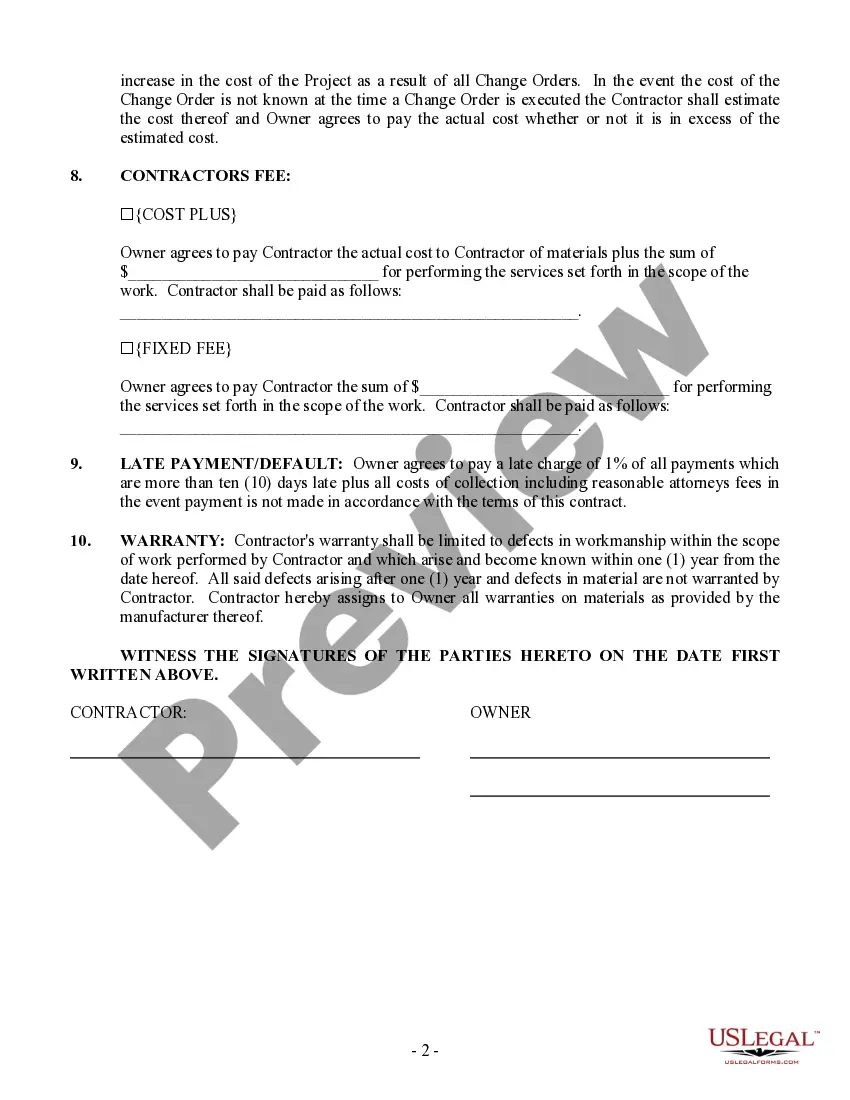
Get your form ready online
Our built-in tools help you complete, sign, share, and store your documents in one place.
Make edits, fill in missing information, and update formatting in US Legal Forms—just like you would in MS Word.
Download a copy, print it, send it by email, or mail it via USPS—whatever works best for your next step.
Sign and collect signatures with our SignNow integration. Send to multiple recipients, set reminders, and more. Go Premium to unlock E-Sign.
If this form requires notarization, complete it online through a secure video call—no need to meet a notary in person or wait for an appointment.
We protect your documents and personal data by following strict security and privacy standards.

Make edits, fill in missing information, and update formatting in US Legal Forms—just like you would in MS Word.

Download a copy, print it, send it by email, or mail it via USPS—whatever works best for your next step.

Sign and collect signatures with our SignNow integration. Send to multiple recipients, set reminders, and more. Go Premium to unlock E-Sign.

If this form requires notarization, complete it online through a secure video call—no need to meet a notary in person or wait for an appointment.

We protect your documents and personal data by following strict security and privacy standards.
Looking for another form?



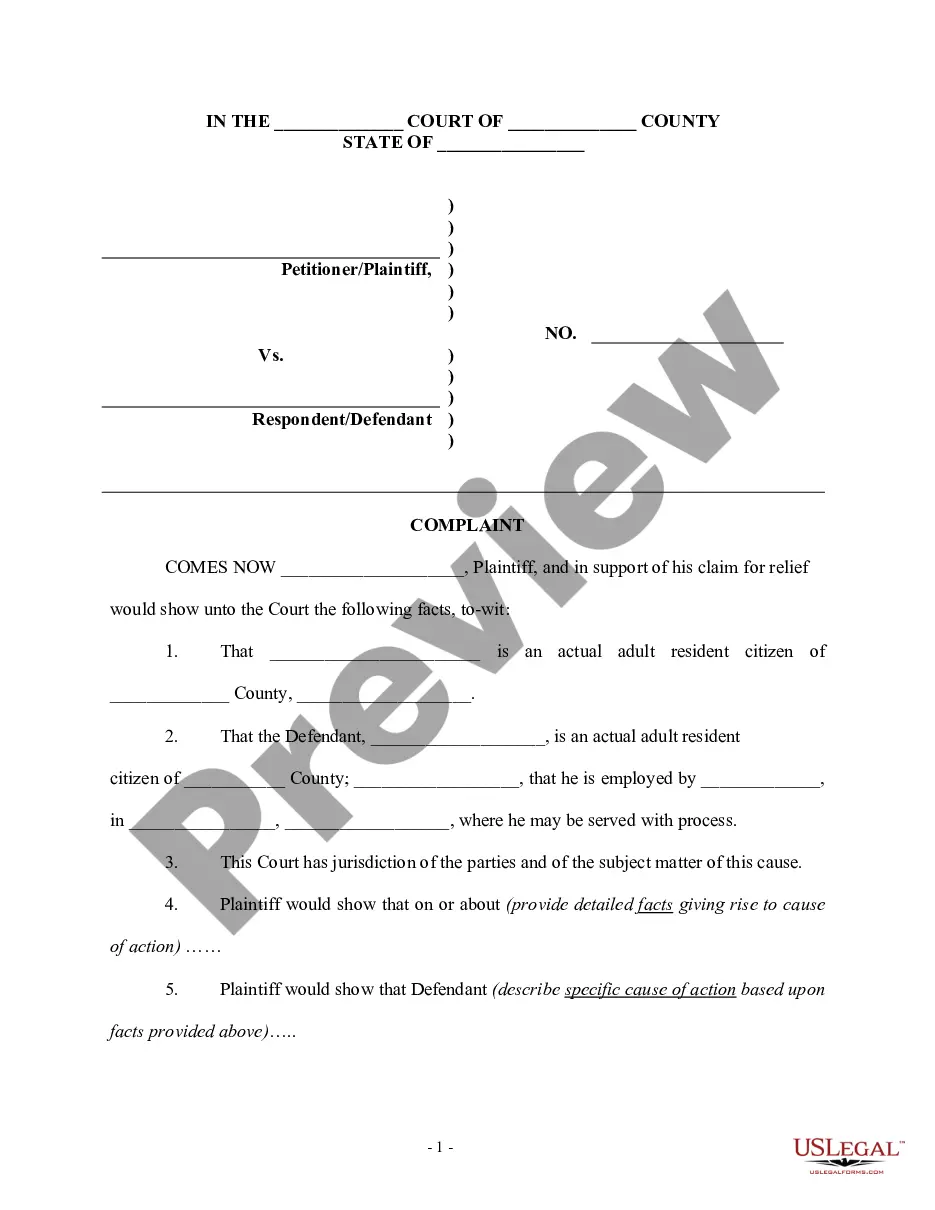
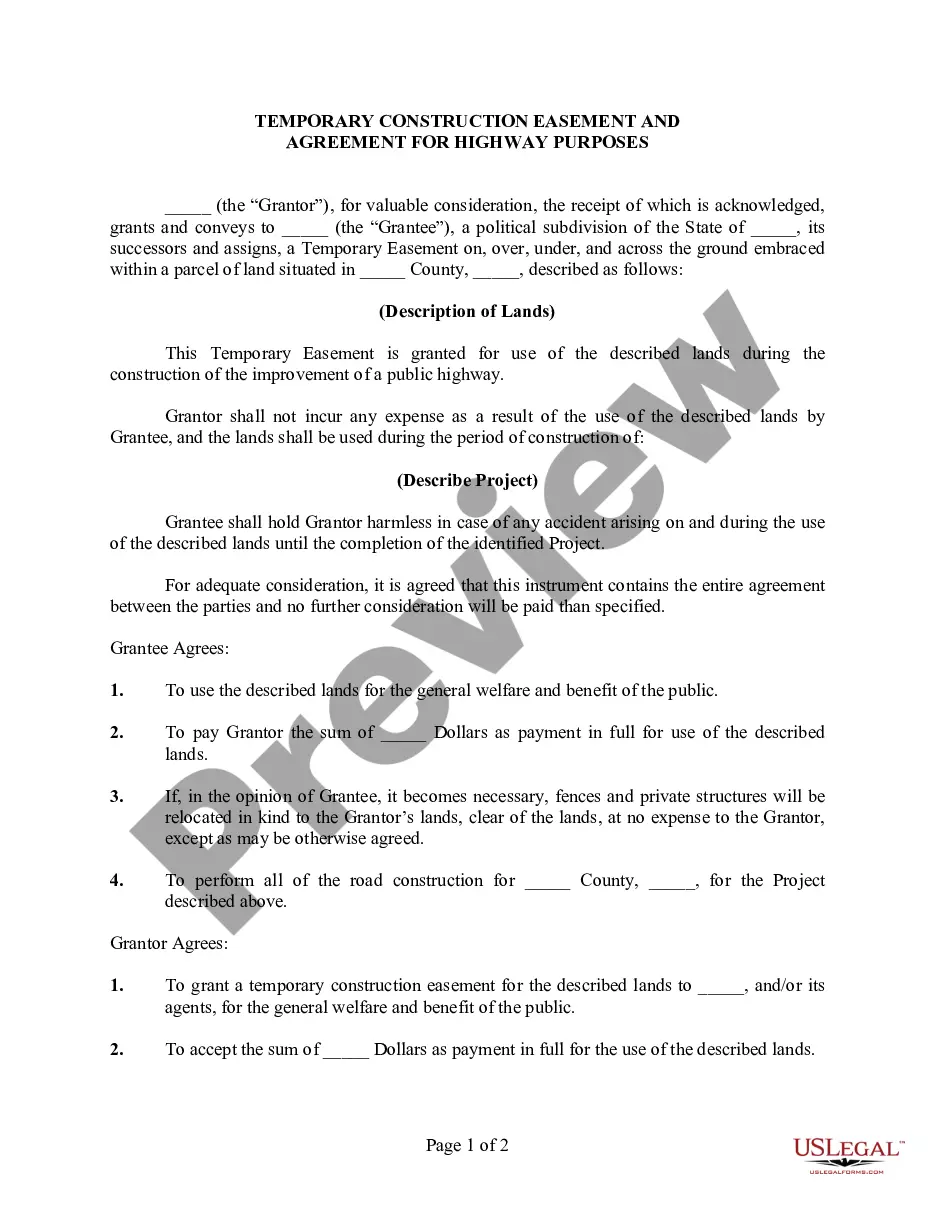
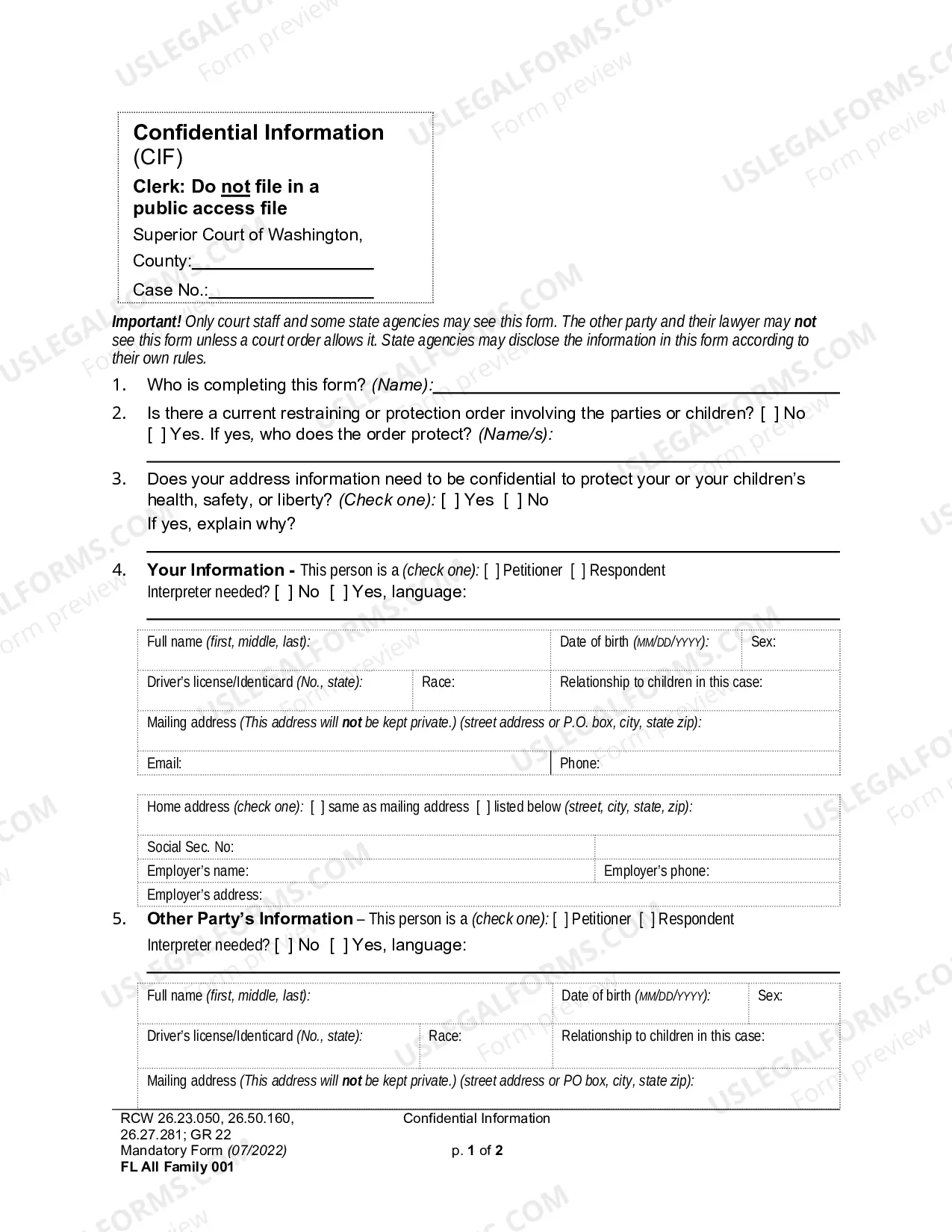
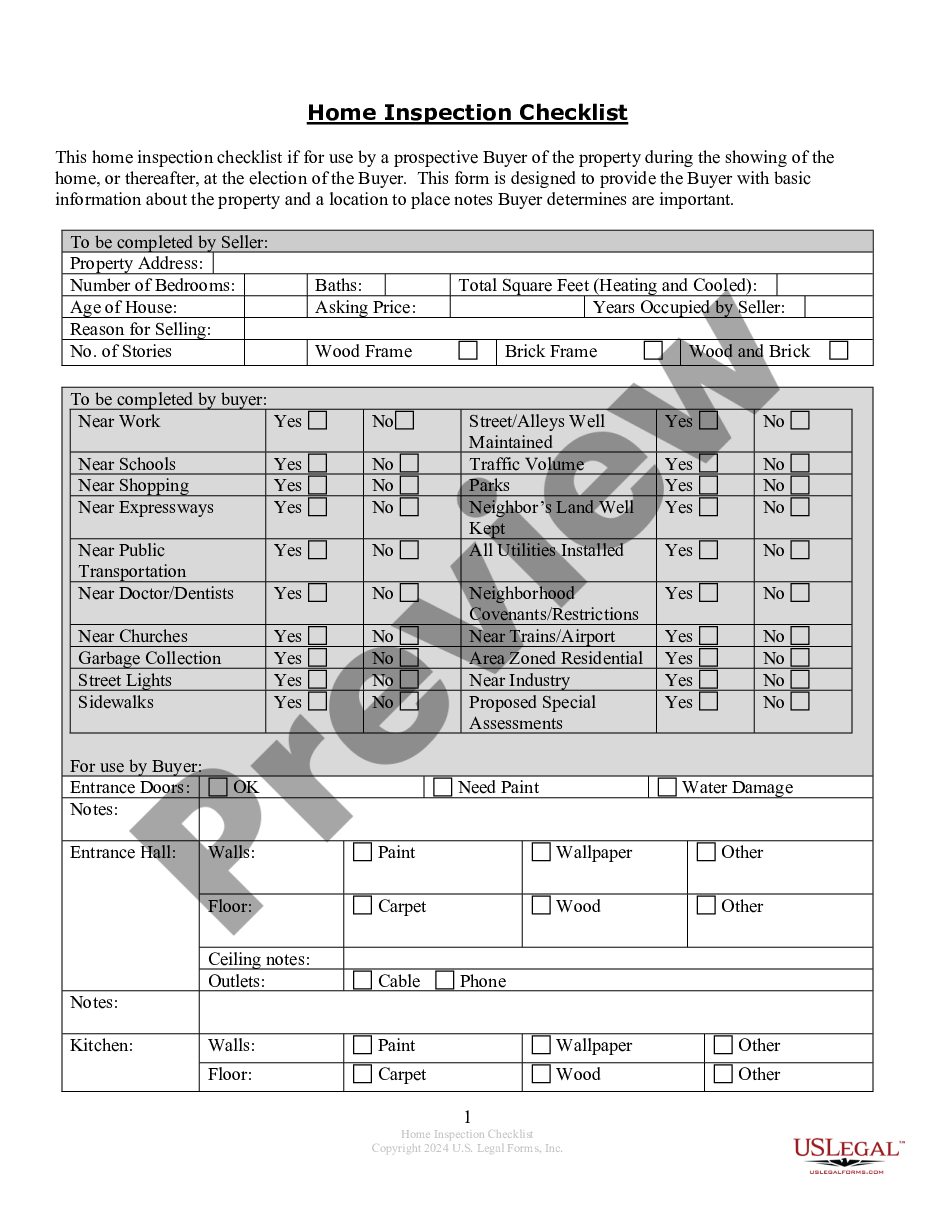
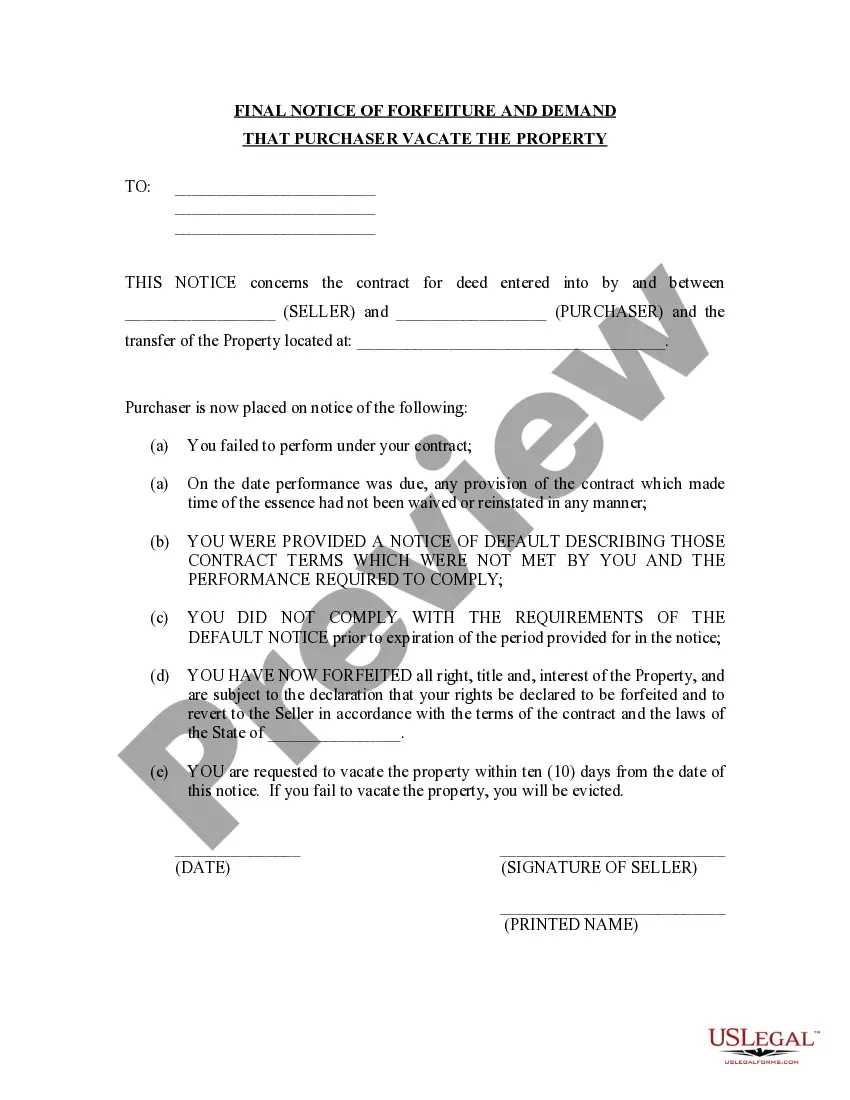

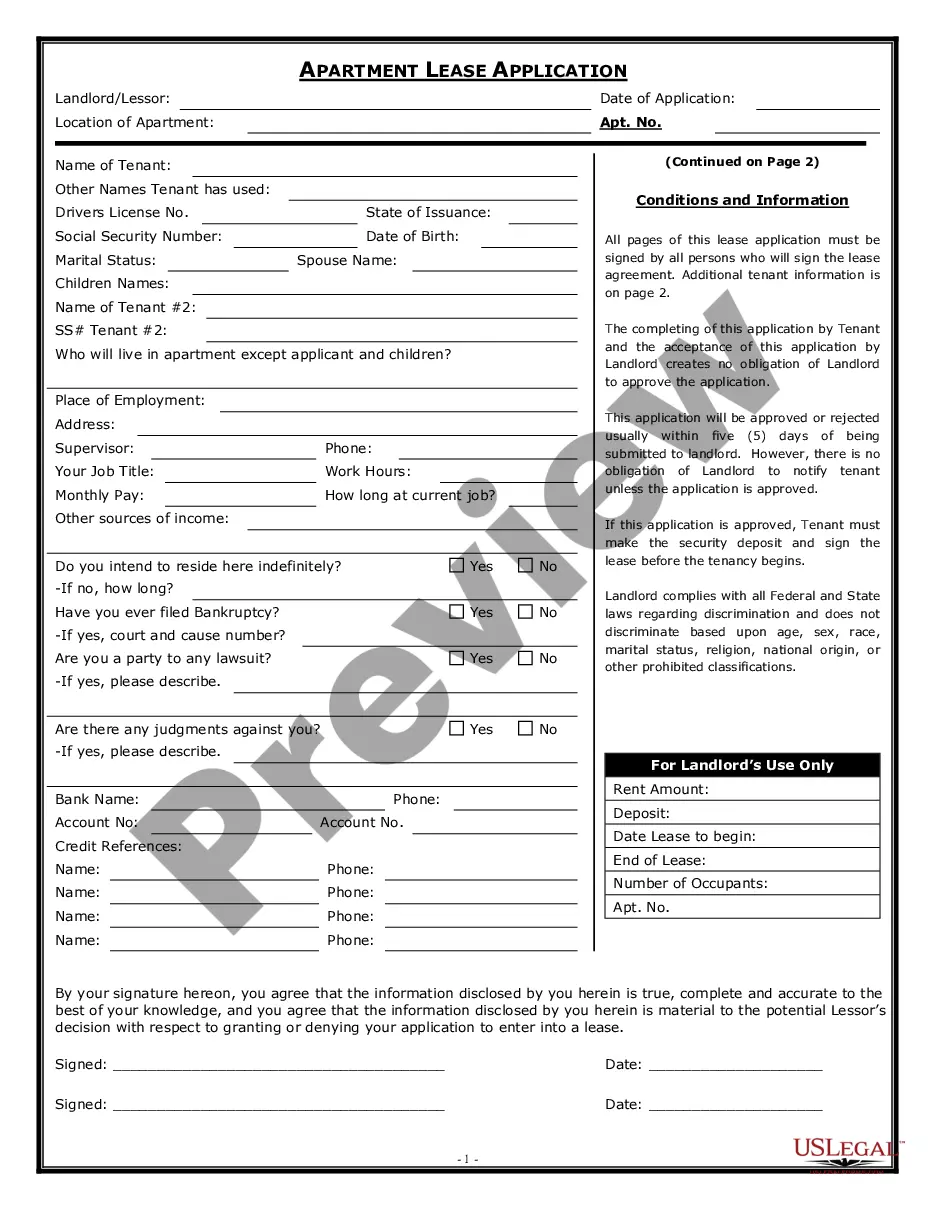
Form popularity
FAQ
Can I be my own Contractor? Pursuant to Utah State Code 55-55-305 a property owner is exempt from licensure and may engage in acts or practices included within the practice of construction trades subject to the stated circumstances and limitations within the Code.
Building Services | (801) 535-6000.
A Building Permit is required before you , construct, enlarge, alter, repair, move, improve, remove, convert, or demolish any building or structure in Grand County.
You can submit your application to the building department in person or electronically, following the instructions provided in the submittal requirements. Review: The County undertakes a review process of the submitted permit application and supporting documents.
Repairs Not Requiring Permits Building a deck or platform that is less than 30 inches above the adjoining ground. Building a detached accessory structure that is 200 square feet or less in floor area and only one story in height. Driveways and patios without roof coverings are exempt from permit requirements.
You are allowed to build only one (1) house in a calendar year. You are limited to build only three (3) houses in five years. You must actually live in the house for 'a reasonable amount of time'
How To Write A Construction Contract With 7 Steps Step 1: Define the Parties Involved. Step 2: Outline the Scope of Work. Step 3: Establish the Timeline. Step 4: Determine the Payment Terms. Step 5: Include Necessary Legal Clauses. Step 6: Address Change Orders and Modifications. Step 7: Sign and Execute the Contract.
What should I include in a construction contract template? Name and contact information of the project owner. Name and contact information of the contractor. Legal description of the property being worked on. Detailed description of the work to be completed. Completion date and date of final payment.
How to draft a contract in 13 simple steps Start with a contract template. Understand the purpose and requirements. Identify all parties involved. Outline key terms and conditions. Define deliverables and milestones. Establish payment terms. Add termination conditions. Incorporate dispute resolution.
If your project has a well-defined scope of work, a lump sum contract is a straightforward solution since contractors should be able to accurately estimate costs. If the project scope is unclear, contractors can bid with time and materials contracts to mitigate risk.
