S Corporation With Two Shareholders In Sacramento
Description

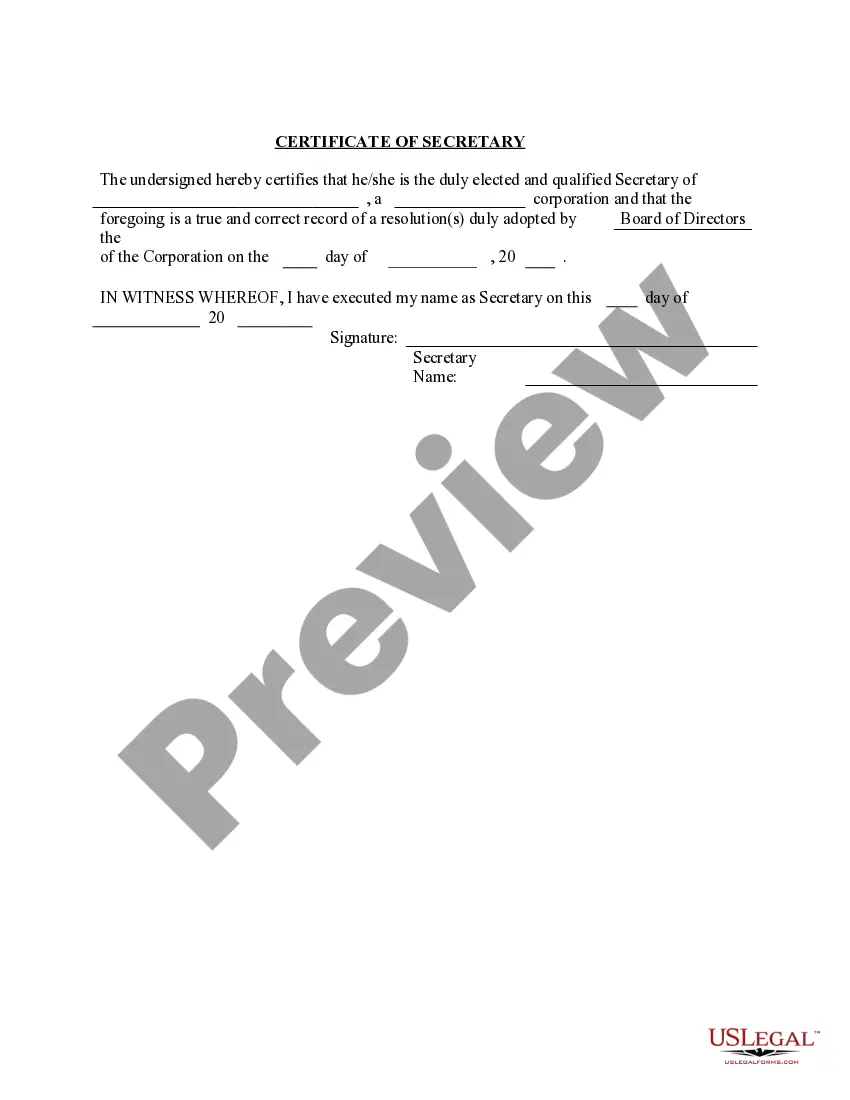

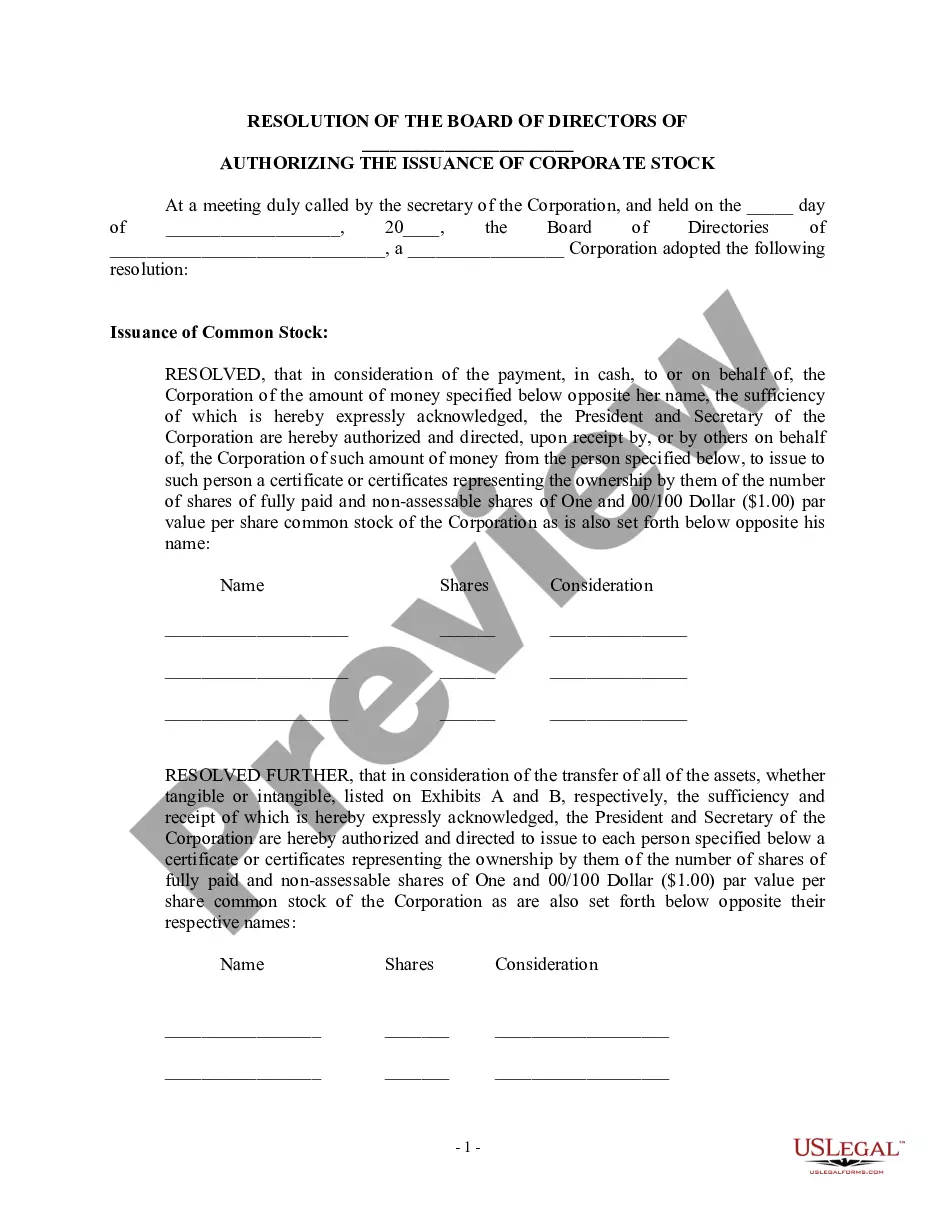
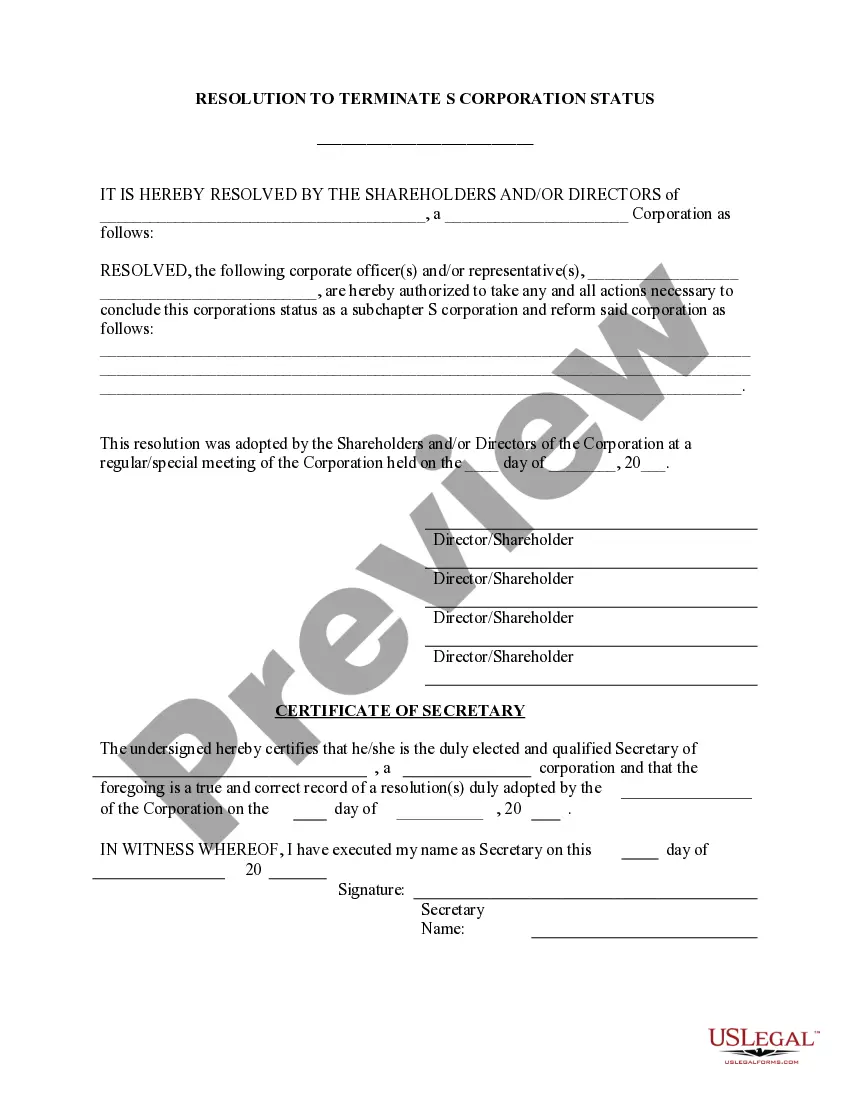
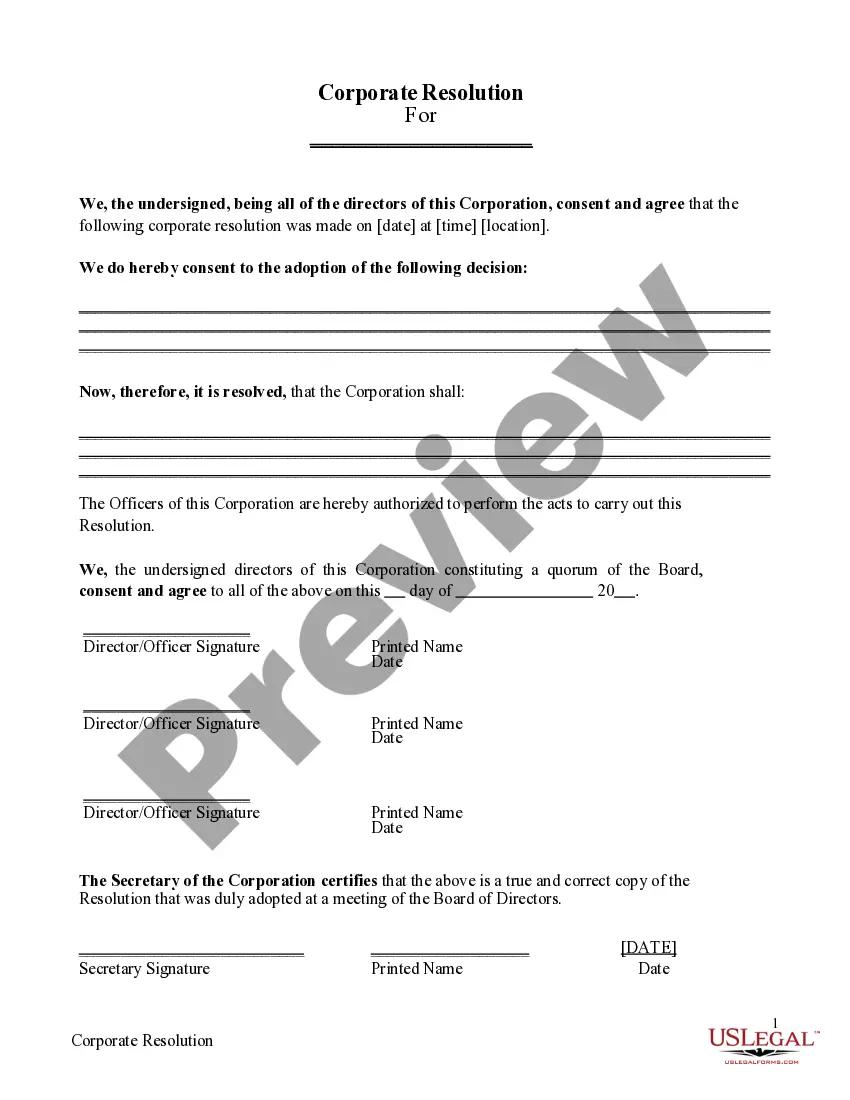
Get your form ready online
Our built-in tools help you complete, sign, share, and store your documents in one place.
Make edits, fill in missing information, and update formatting in US Legal Forms—just like you would in MS Word.
Download a copy, print it, send it by email, or mail it via USPS—whatever works best for your next step.
Sign and collect signatures with our SignNow integration. Send to multiple recipients, set reminders, and more. Go Premium to unlock E-Sign.
If this form requires notarization, complete it online through a secure video call—no need to meet a notary in person or wait for an appointment.
We protect your documents and personal data by following strict security and privacy standards.
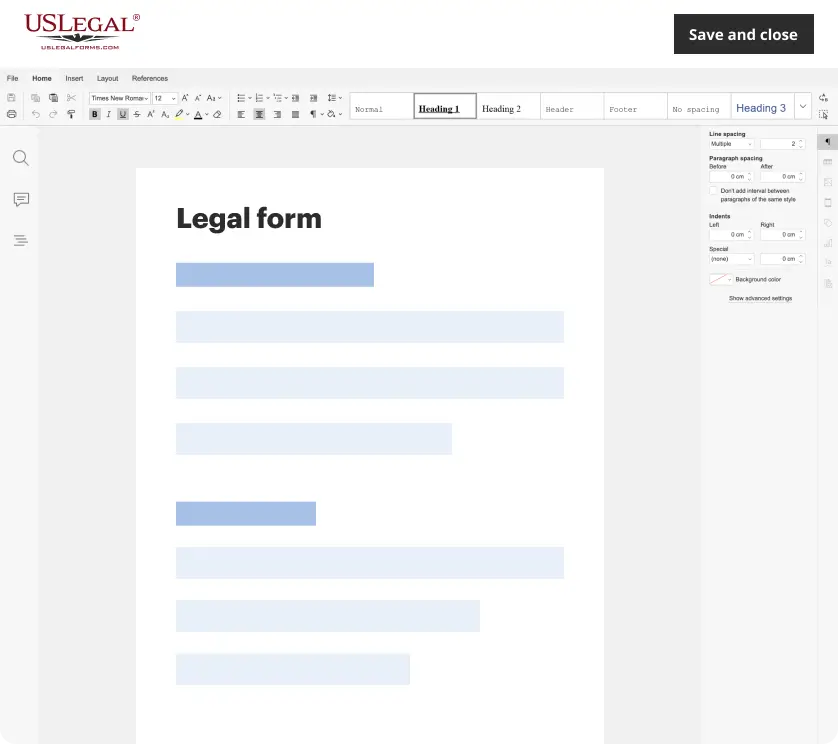
Make edits, fill in missing information, and update formatting in US Legal Forms—just like you would in MS Word.

Download a copy, print it, send it by email, or mail it via USPS—whatever works best for your next step.

Sign and collect signatures with our SignNow integration. Send to multiple recipients, set reminders, and more. Go Premium to unlock E-Sign.

If this form requires notarization, complete it online through a secure video call—no need to meet a notary in person or wait for an appointment.

We protect your documents and personal data by following strict security and privacy standards.
Looking for another form?


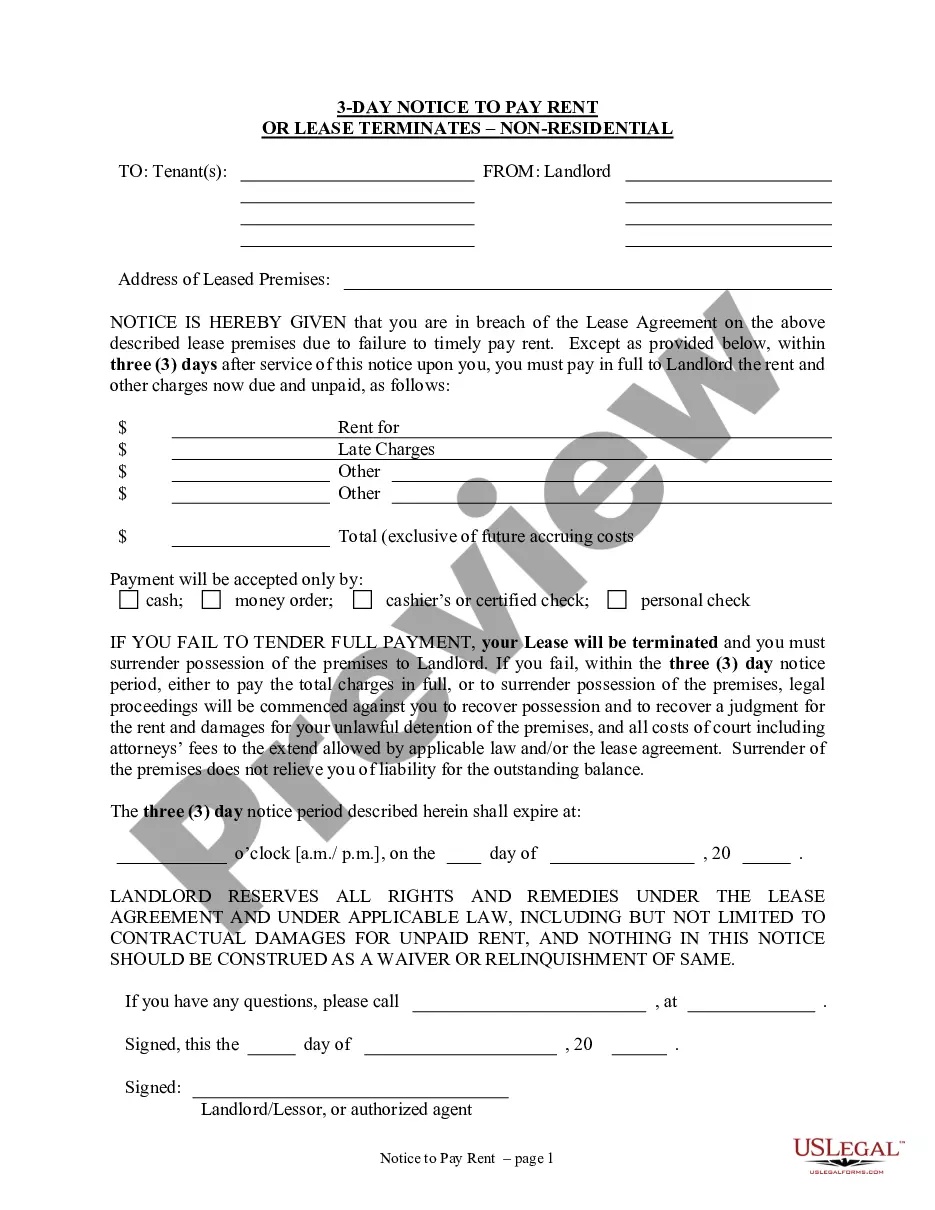





Form popularity
FAQ
Shareholder restrictions: S corps are restricted to no more than 100 shareholders, and shareholders must be US citizens/residents.
But the Internal Revenue Code does place several restrictions on who can be shareholders in order for the corporation to qualify to be an S corp. Shareholder restrictions: S corps are restricted to no more than 100 shareholders, and shareholders must be US citizens/residents.
(A 2-percent shareholder is someone who owns more than 2 percent of the outstanding stock of the corporation or stock possessing more than 2 percent of the total combined voting power of all stock of the corporation.)
Spouses can co-own shares of a business, and, in fact, there may be legal and tax benefits for doing so. However, in the typical case of one spouse being involved with the business while the other is not, it usually does not make sense for the spouses to co-own the shares.
LLCs can have an unlimited number of members; S corps can have no more than 100 shareholders (owners). Non-U.S. citizens/residents can be members of LLCs; S corps may not have non-U.S. citizens/residents as shareholders. S corporations cannot be owned by corporations, LLCs, partnerships or many trusts.
LLCs can have an unlimited number of members; S corps can have no more than 100 shareholders (owners).
LLCs can have an unlimited number of members; S corps can have no more than 100 shareholders (owners).
Limited number of shareholders: An S corp cannot have more than 100 shareholders, meaning it can't go public and limiting its ability to raise capital from new investors.
An S corporation can have only one class of stock, although it can have both voting and non-voting shares. Therefore, there can't be different classes of investors who are entitled to different dividends or distribution rights. Also, there cannot be more than 100 shareholders.
