S Corp Status For Llc In North Carolina
Description

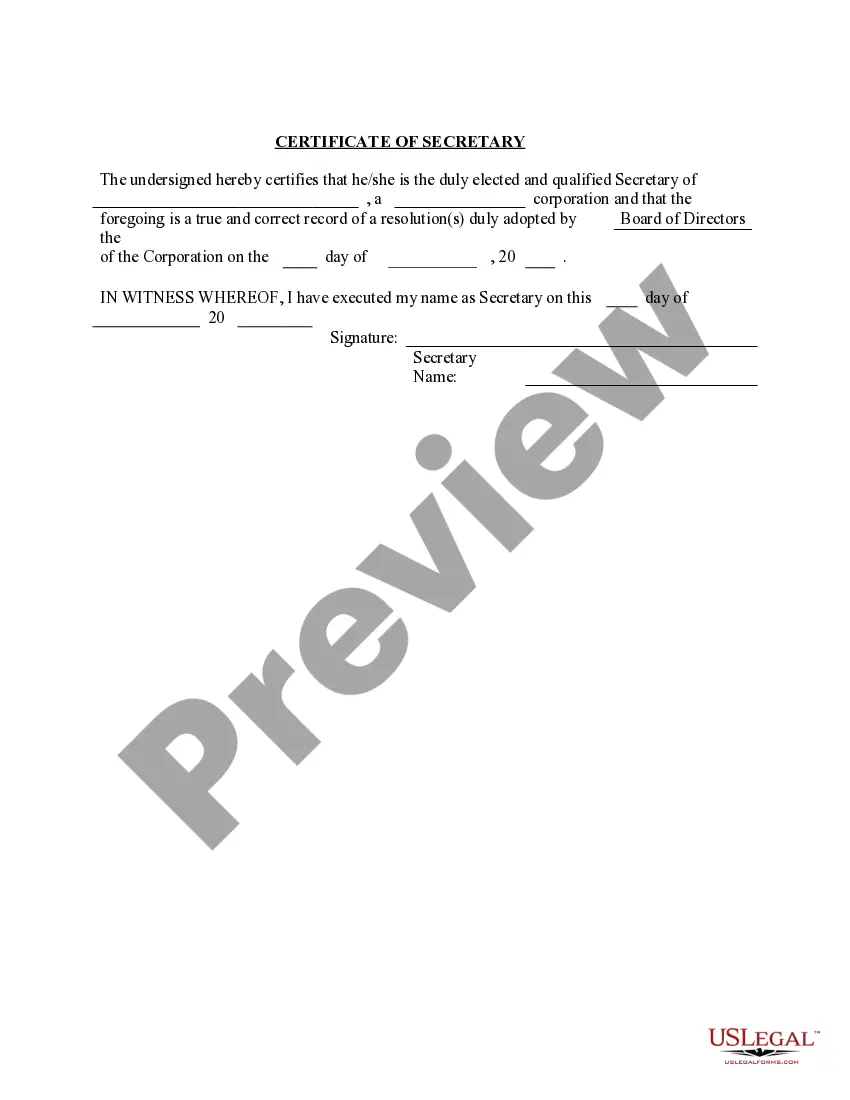

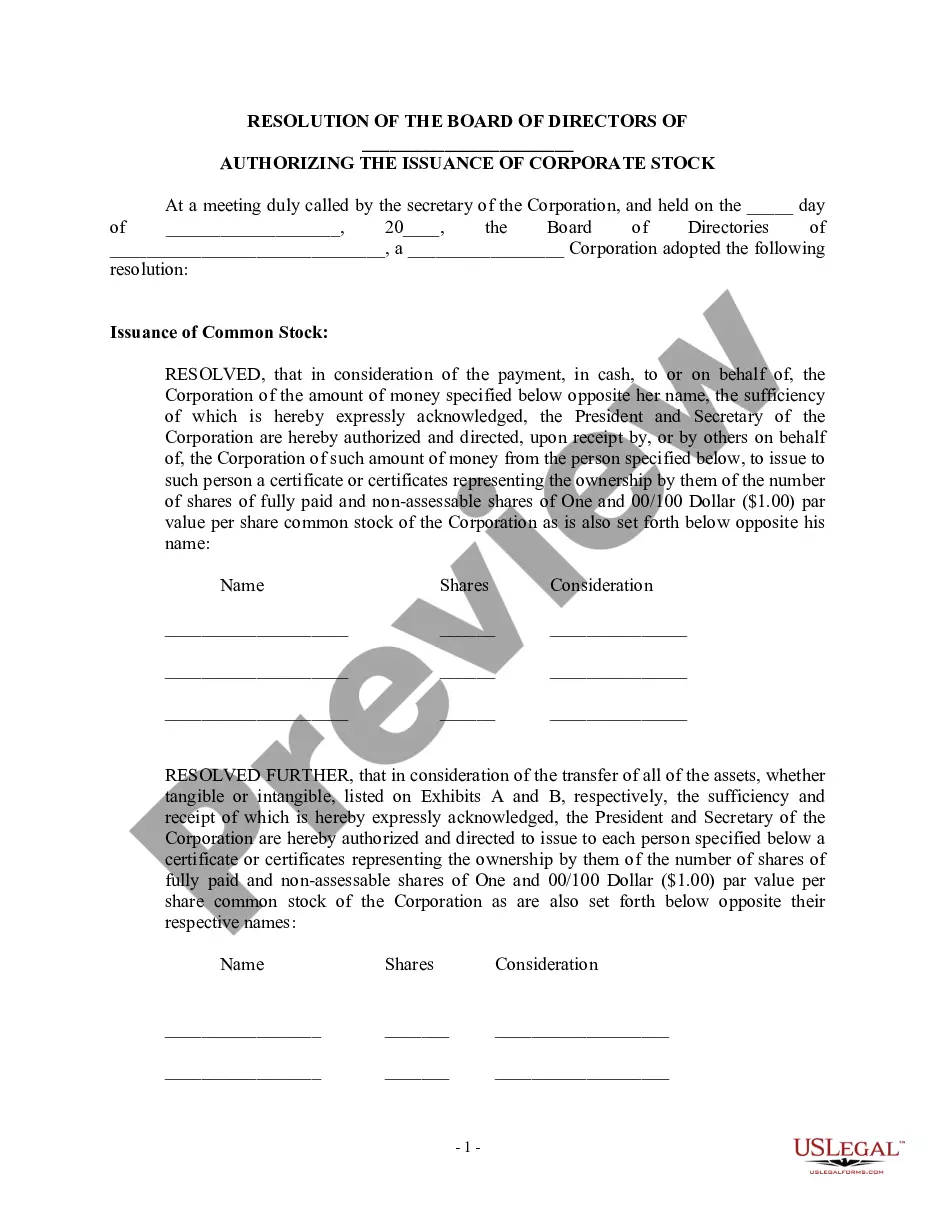
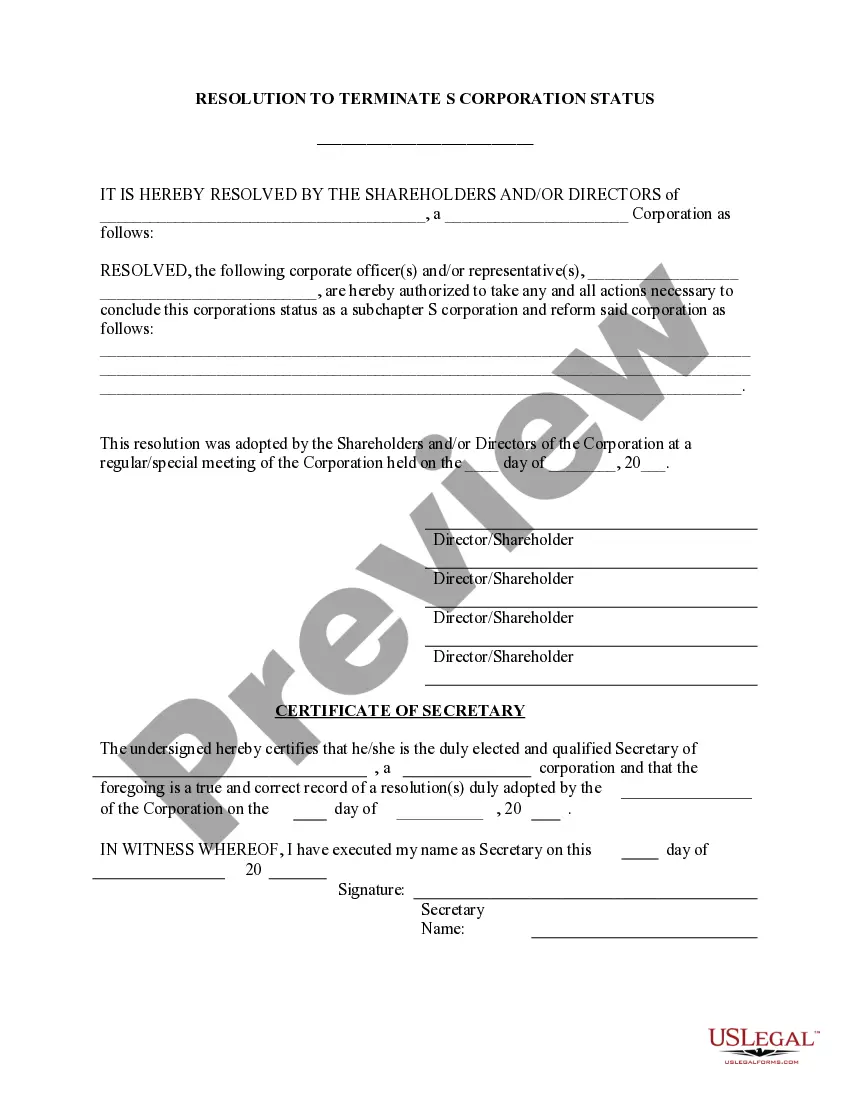
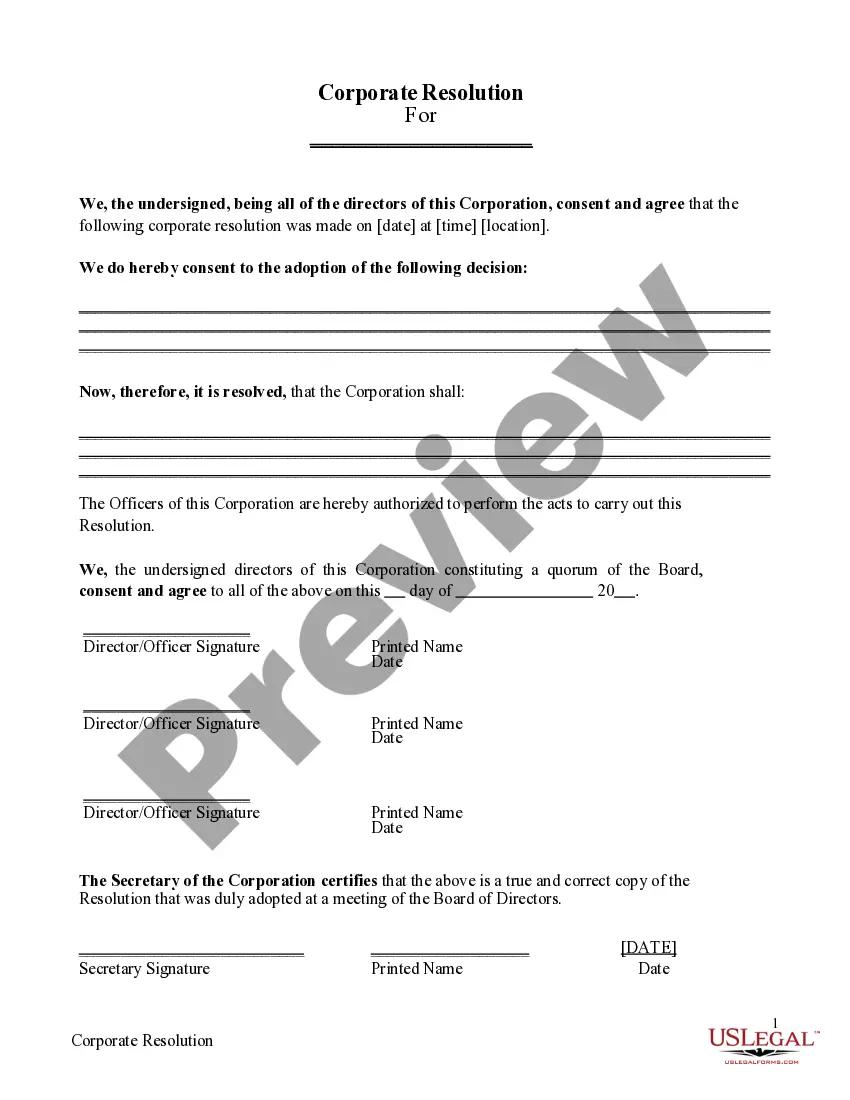
Get your form ready online
Our built-in tools help you complete, sign, share, and store your documents in one place.
Make edits, fill in missing information, and update formatting in US Legal Forms—just like you would in MS Word.
Download a copy, print it, send it by email, or mail it via USPS—whatever works best for your next step.
Sign and collect signatures with our SignNow integration. Send to multiple recipients, set reminders, and more. Go Premium to unlock E-Sign.
If this form requires notarization, complete it online through a secure video call—no need to meet a notary in person or wait for an appointment.
We protect your documents and personal data by following strict security and privacy standards.

Make edits, fill in missing information, and update formatting in US Legal Forms—just like you would in MS Word.

Download a copy, print it, send it by email, or mail it via USPS—whatever works best for your next step.

Sign and collect signatures with our SignNow integration. Send to multiple recipients, set reminders, and more. Go Premium to unlock E-Sign.

If this form requires notarization, complete it online through a secure video call—no need to meet a notary in person or wait for an appointment.

We protect your documents and personal data by following strict security and privacy standards.
Looking for another form?

Form popularity
FAQ
Corp Election teps for LLCs tep 1 Choose a name. tep 2 Designate a North Carolina registered agent. tep 3 File North Carolina Articles of Organization. tep 4 Create an operating agreement. tep 5 Apply for an EIN. tep 6 Apply for Corp status with IR Form 2553.
FL, SD and WY are typically the best for no personal/business taxes. Nexus rules still apply to other states.
An LLC is a type of business structure that gives the benefits of both a corporation and partnership. Specifically, an LLC provides the owner(s) of a business limited liability. Under many circumstances, the owners of the business aren't personally liable for the debts and liabilities of the business.
S Corporations excel in tax efficiency and asset protection, making them ideal for those focused on minimizing tax liabilities. On the other hand, LLCs offer flexibility and fewer formalities, appealing to business owners who prefer a more hands-on approach.
An S Corporation is a type of corporation that meets specific Internal Revenue Code requirements. In North Carolina, it allows for pass-through taxation, meaning income is taxed at the shareholder level instead of the corporate level. This helps avoid double taxation.
Because of the one-class-of-stock restriction, an S corporation cannot allocate losses or income to specific shareholders. Allocation of income and loss is governed by stock ownership, unlike partnerships or LLCs taxed as partnerships where the allocation can be set in the partnership agreement or operating agreement.
S corp. An S corporation, sometimes called an S corp, is a special type of corporation that's designed to avoid the double taxation drawback of regular C corps. S corps allow profits, and some losses, to be passed through directly to owners' personal income without ever being subject to corporate tax rates.
