S Corporation Form In Nevada
Description

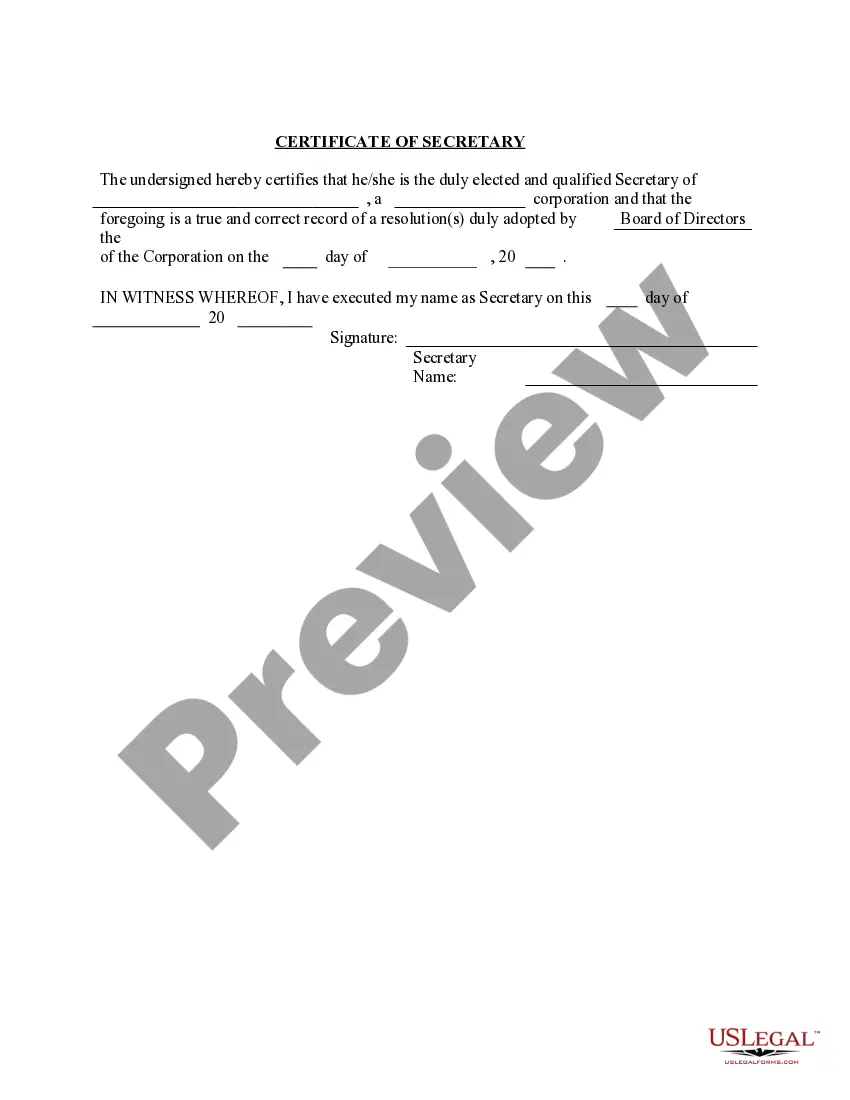

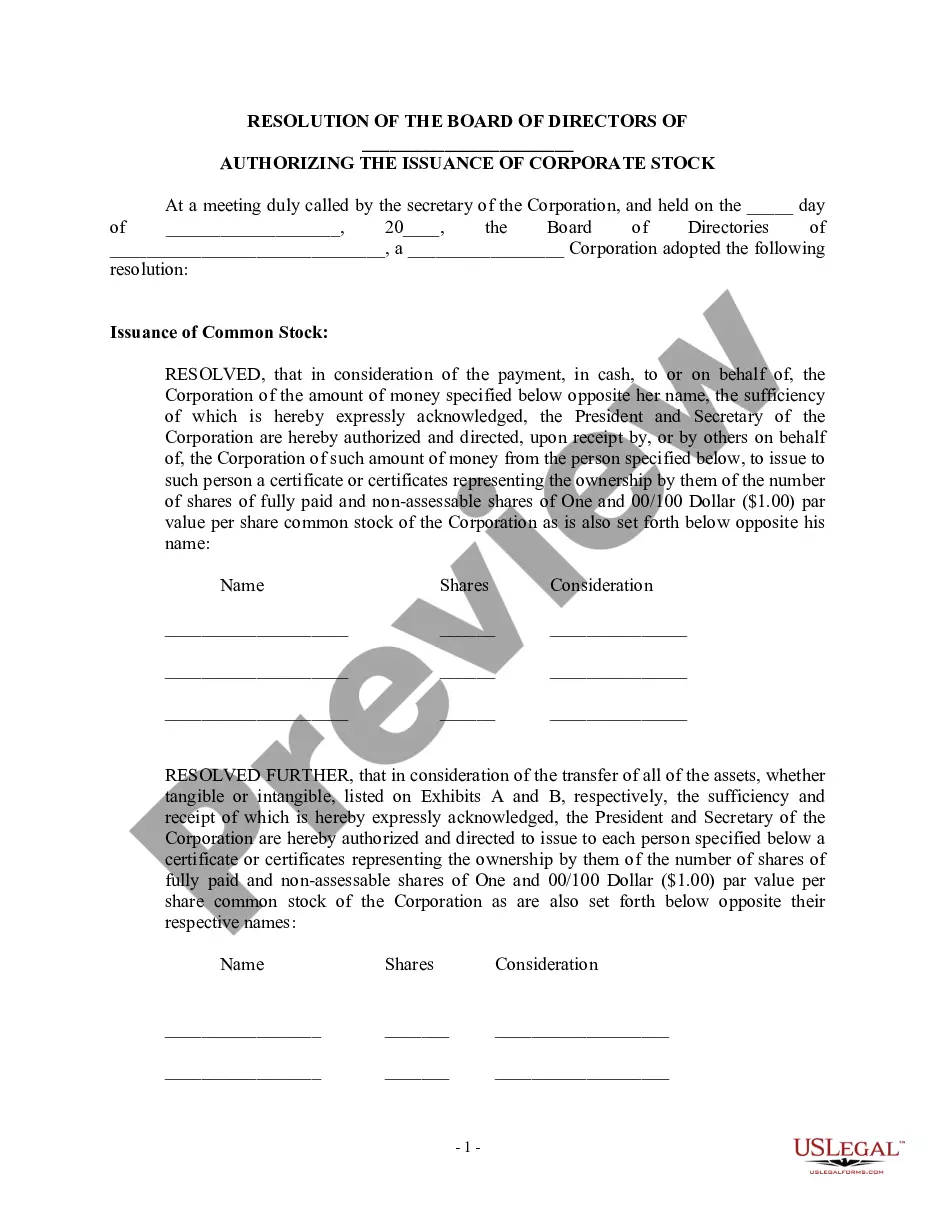
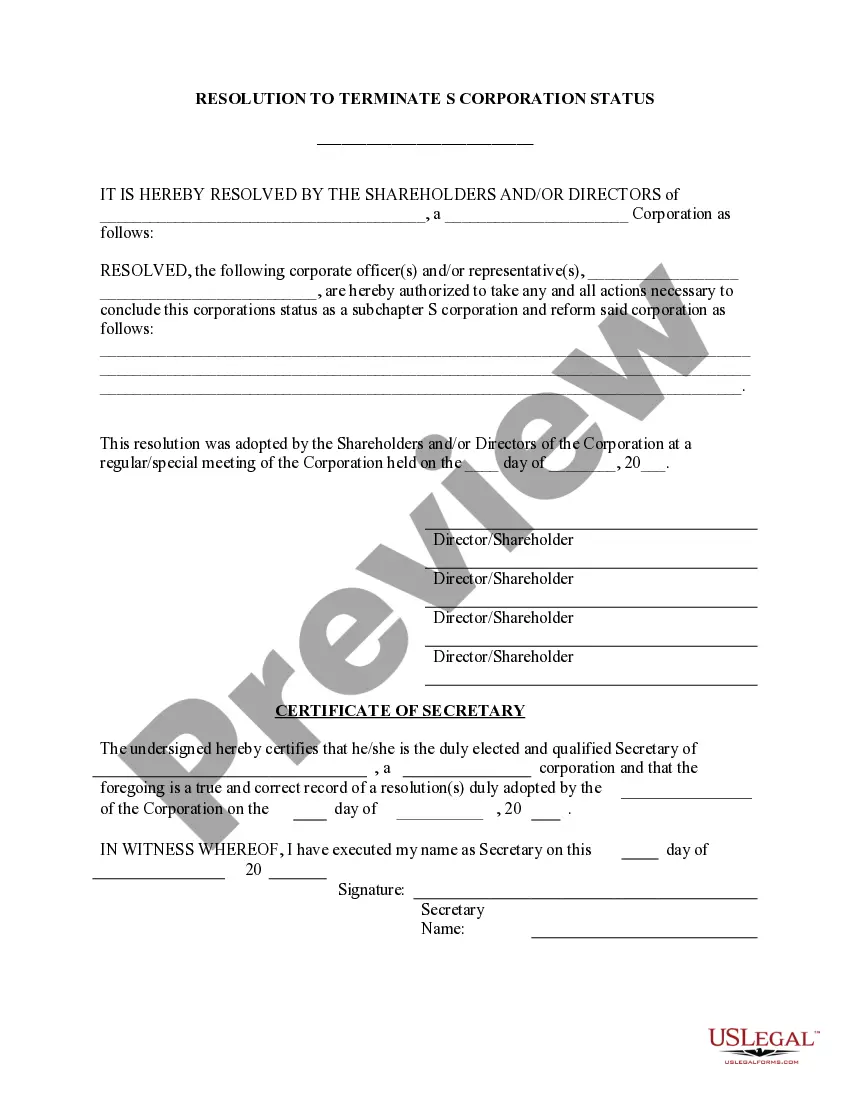
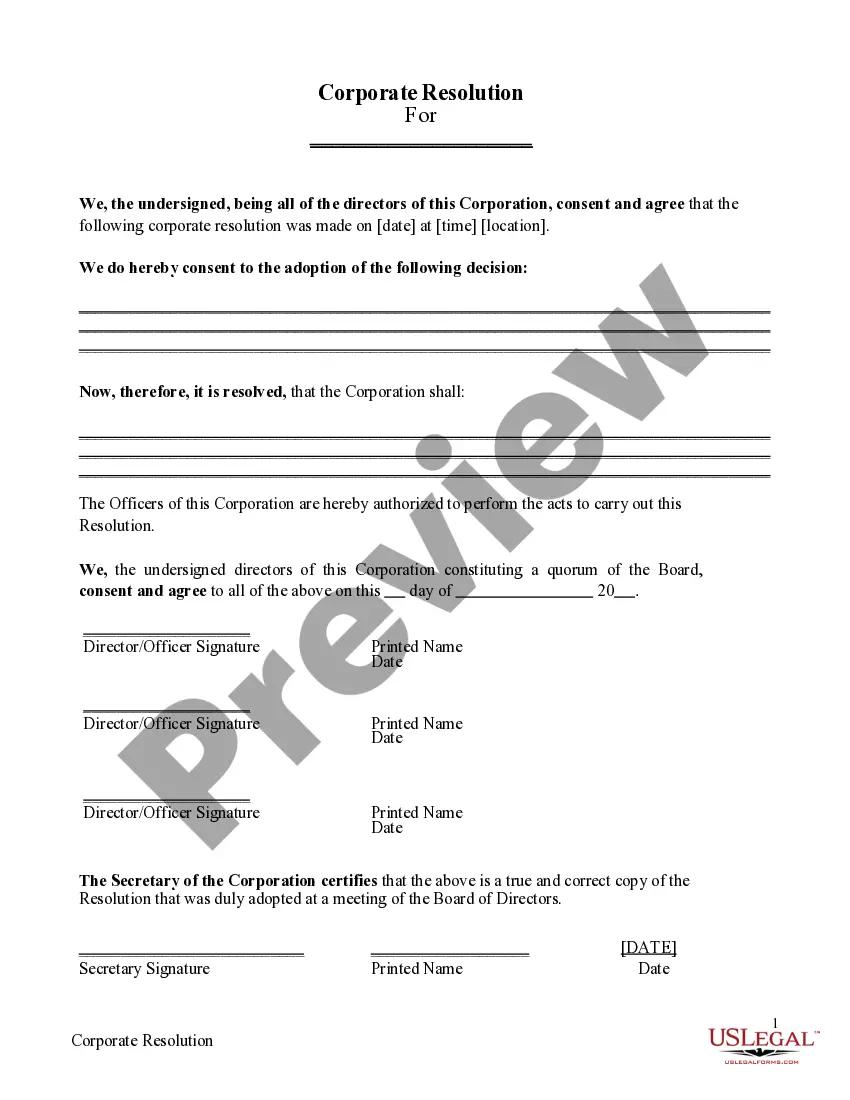
Get your form ready online
Our built-in tools help you complete, sign, share, and store your documents in one place.
Make edits, fill in missing information, and update formatting in US Legal Forms—just like you would in MS Word.
Download a copy, print it, send it by email, or mail it via USPS—whatever works best for your next step.
Sign and collect signatures with our SignNow integration. Send to multiple recipients, set reminders, and more. Go Premium to unlock E-Sign.
If this form requires notarization, complete it online through a secure video call—no need to meet a notary in person or wait for an appointment.
We protect your documents and personal data by following strict security and privacy standards.

Make edits, fill in missing information, and update formatting in US Legal Forms—just like you would in MS Word.

Download a copy, print it, send it by email, or mail it via USPS—whatever works best for your next step.

Sign and collect signatures with our SignNow integration. Send to multiple recipients, set reminders, and more. Go Premium to unlock E-Sign.

If this form requires notarization, complete it online through a secure video call—no need to meet a notary in person or wait for an appointment.

We protect your documents and personal data by following strict security and privacy standards.
Looking for another form?


Form popularity
FAQ
Pass-Through Taxation: Unlike C corporations, where the business itself is subject to taxation on its profits and shareholders are taxed again on dividends, S corps can avoid double taxation. Profits and losses “pass-through” to the individual shareholders, who report them on their personal income tax returns.
Choose a business name for your S corp. File articles of incorporation. Issue stock for your S corp. Elect a board of directors and appoint officers. Meet other S corp eligibility requirements. Obtain an employer identification number. Elect S corp status. Apply for state and local S corp business licenses.
Some of the disadvantages are slightly higher filing and business license fees than other states, and the commerce tax for business with over $4 million of Nevada gross revenue.
Deciding between C-Corp and S-Corp taxation for your LLC can significantly impact your financial future. C-Corps are ideal for attracting investors and retaining profits at lower tax rates, while S-Corps offer relief from double taxation and self-employment taxes, provided you can draw a reasonable salary. Dive into ou.
Pass-Through Taxation: Unlike C corporations, where the business itself is subject to taxation on its profits and shareholders are taxed again on dividends, S corps can avoid double taxation. Profits and losses “pass-through” to the individual shareholders, who report them on their personal income tax returns.
In order to become an S corporation, the corporation must submit Form 2553, Election by a Small Business Corporation signed by all the shareholders. See the Instructions for Form 2553 PDF for all required information and to determine where to file the form.
You must file California S Corporation Franchise or Income Tax Return (Form 100S) if the corporation is: Incorporated in California. Doing business in California.
C Corporation requesting a change to file as an S Corporation Timely file a paper copy of Form 2553 with the appropriate Service Center as directed in the Form 2553 instructions PDF. The corporation will receive an acknowledgment if the S corporation election is accepted and when it will take effect.
Because of the one-class-of-stock restriction, an S corporation cannot allocate losses or income to specific shareholders. Allocation of income and loss is governed by stock ownership, unlike partnerships or LLCs taxed as partnerships where the allocation can be set in the partnership agreement or operating agreement.
In Nevada, you must report the change to the Nevada Secretary of State. For more information on the required forms and fees, visit nvsos.
