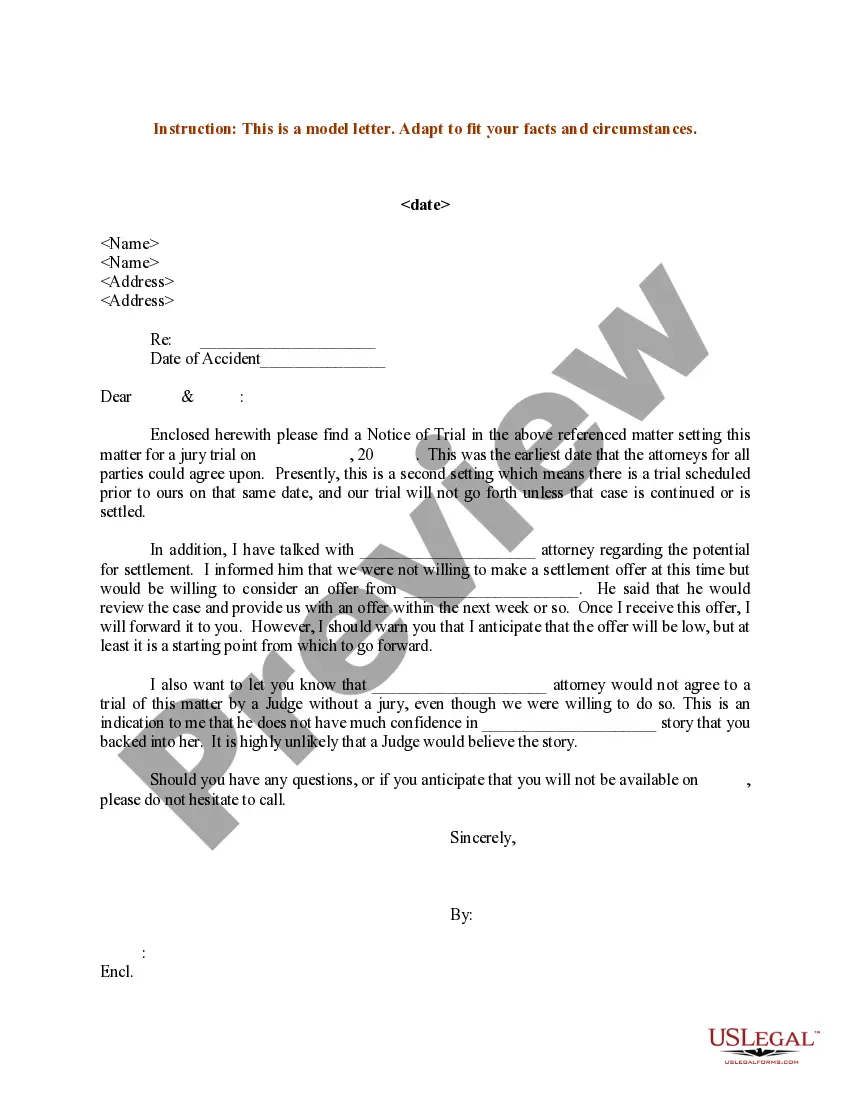
Trial Would Attorney Withdraw From A Custody Case In Fulton
Description
Get your form ready online
Our built-in tools help you complete, sign, share, and store your documents in one place.
Make edits, fill in missing information, and update formatting in US Legal Forms—just like you would in MS Word.
Download a copy, print it, send it by email, or mail it via USPS—whatever works best for your next step.
Sign and collect signatures with our SignNow integration. Send to multiple recipients, set reminders, and more. Go Premium to unlock E-Sign.
If this form requires notarization, complete it online through a secure video call—no need to meet a notary in person or wait for an appointment.
We protect your documents and personal data by following strict security and privacy standards.

Make edits, fill in missing information, and update formatting in US Legal Forms—just like you would in MS Word.

Download a copy, print it, send it by email, or mail it via USPS—whatever works best for your next step.

Sign and collect signatures with our SignNow integration. Send to multiple recipients, set reminders, and more. Go Premium to unlock E-Sign.

If this form requires notarization, complete it online through a secure video call—no need to meet a notary in person or wait for an appointment.

We protect your documents and personal data by following strict security and privacy standards.
Looking for another form?









Form popularity
FAQ
An unstable parent often exhibits mental health issues, substance abuse, erratic behavior, inability to meet children's basic needs, and financial or legal troubles, affecting their capacity to provide a stable environment for their child.
Custody Battle Blunders: Top 10 Mistakes To Avoid Negative Speech About The Other Parent. Seeking Sympathy From The Child. Poor Communication With The Other Parent. Unjustifiably Withholding Access With The Other Parent. Misrepresenting Substance Abuse. Separating Siblings In Blended Families.
One of the most effective ways to strengthen your case is to provide concrete evidence of your role as a caregiver. Document your involvement in your child's life by keeping detailed records of things like doctor's appointments, school activities, extracurricular engagements, and any other significant events.
Mothers historically have won more custody battles due to traditional roles and perceptions of mothers as the primary caregivers.
Personal records A proposed visitation schedule showing when you'd like to exchange the child. If you already have a schedule, a list of missed or denied parenting time. An expense report showing you contribute financially to your child's needs. Printouts of texts, emails and other messages with your co-parent.
Attorneys may refuse clients to avoid conflicts of interest, lack of competence, or if representation is ethically or legally problematic. Lawyers can reject cases beyond their expertise or when they cannot commit the necessary time to represent the client effectively.
Under the Rules, attorneys or persons reasonably believed by the client to be licensed to engage in the practice of law cannot, without clients' consent, testify or be examined as to any communication made by the client to them or as to their advice given on such a communication in the course of, or with a view to, ...
In the Philippines, the client has the absolute right to terminate the attorney-client relationship. This is based on the general principle that legal representation is consensual. A client may lose trust or confidence in their lawyer, or simply feel that the lawyer is no longer the best person to handle their case.
A lawyer may withdraw his services from his client only in the following instances: (a) when a client insists upon an unjust or immoral conduct of his case; (b) when the client insists that the lawyer pursue conduct violative of the Code of Professional Responsibility; (c) when the client has two or more retained ...
A lawyer may withdraw his services from his client only in the following instances: (a) when a client insists upon an unjust or immoral conduct of his case; (b) when the client insists that the lawyer pursue conduct violative of the Code of Professional Responsibility; (c) when the client has two or more retained ...