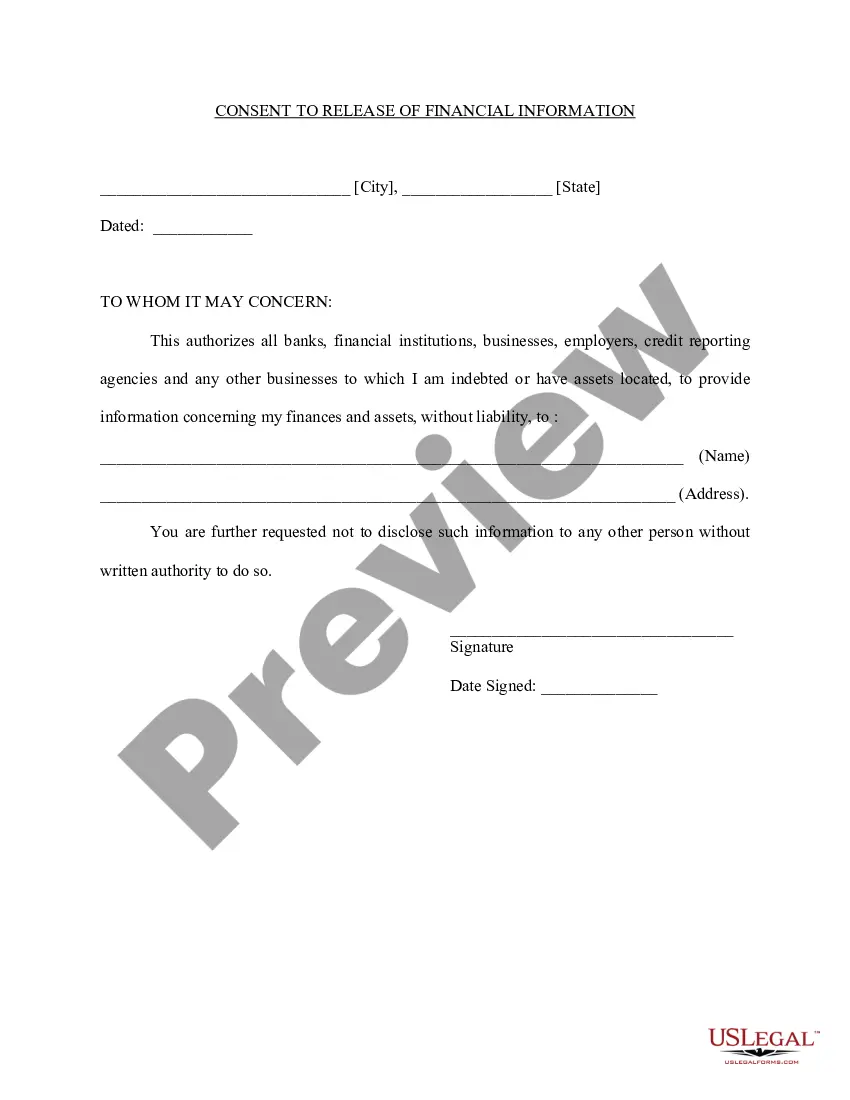
Medical Information Released Without Consent In Riverside
Description

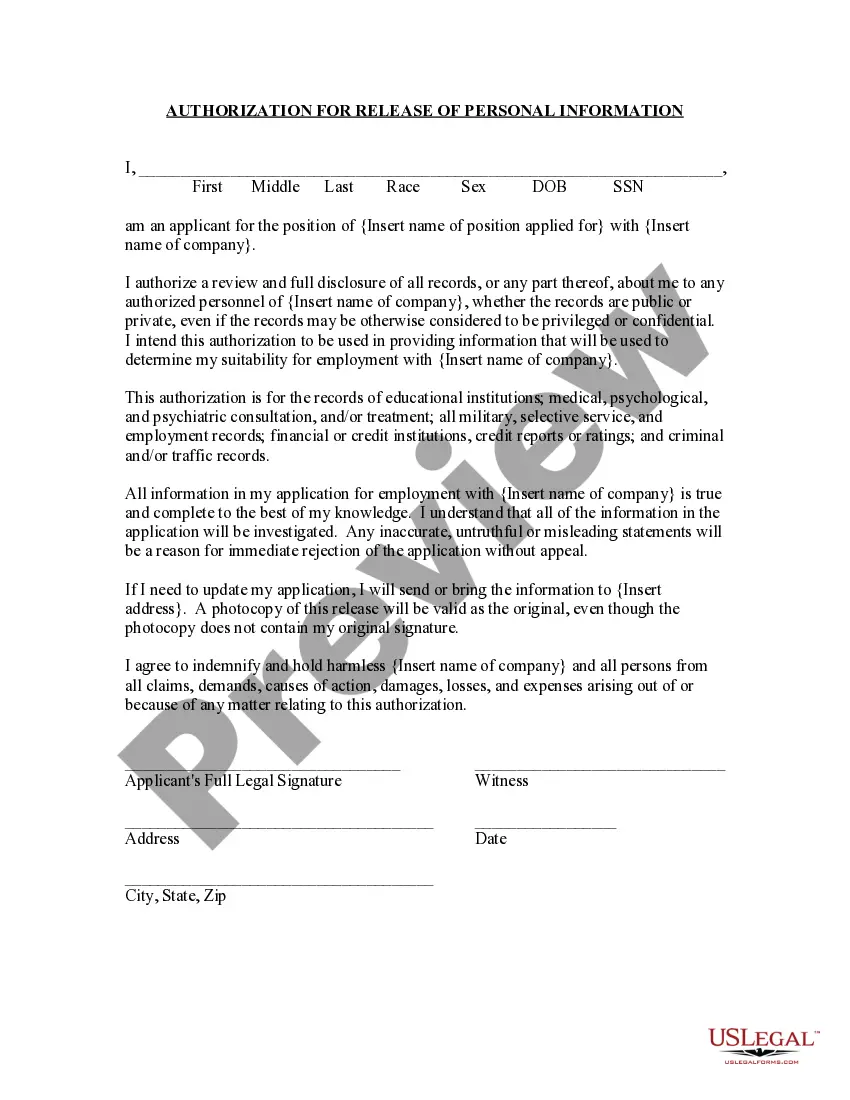
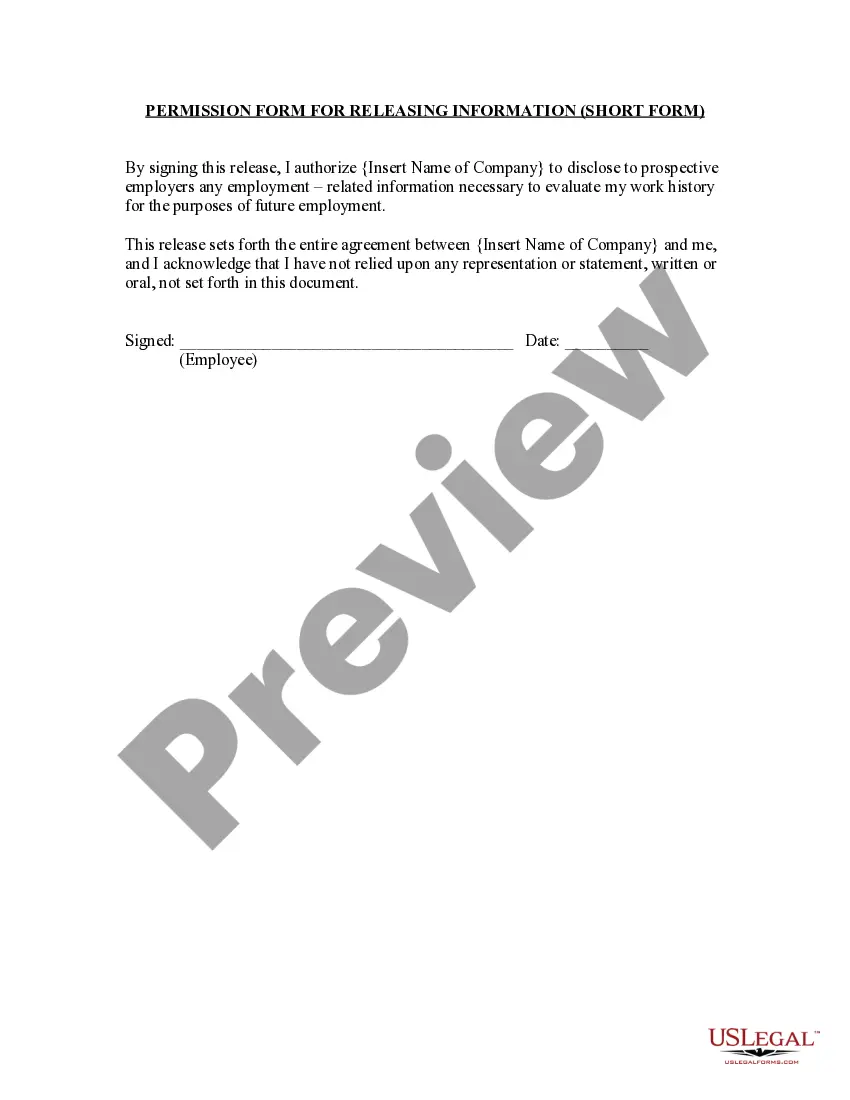
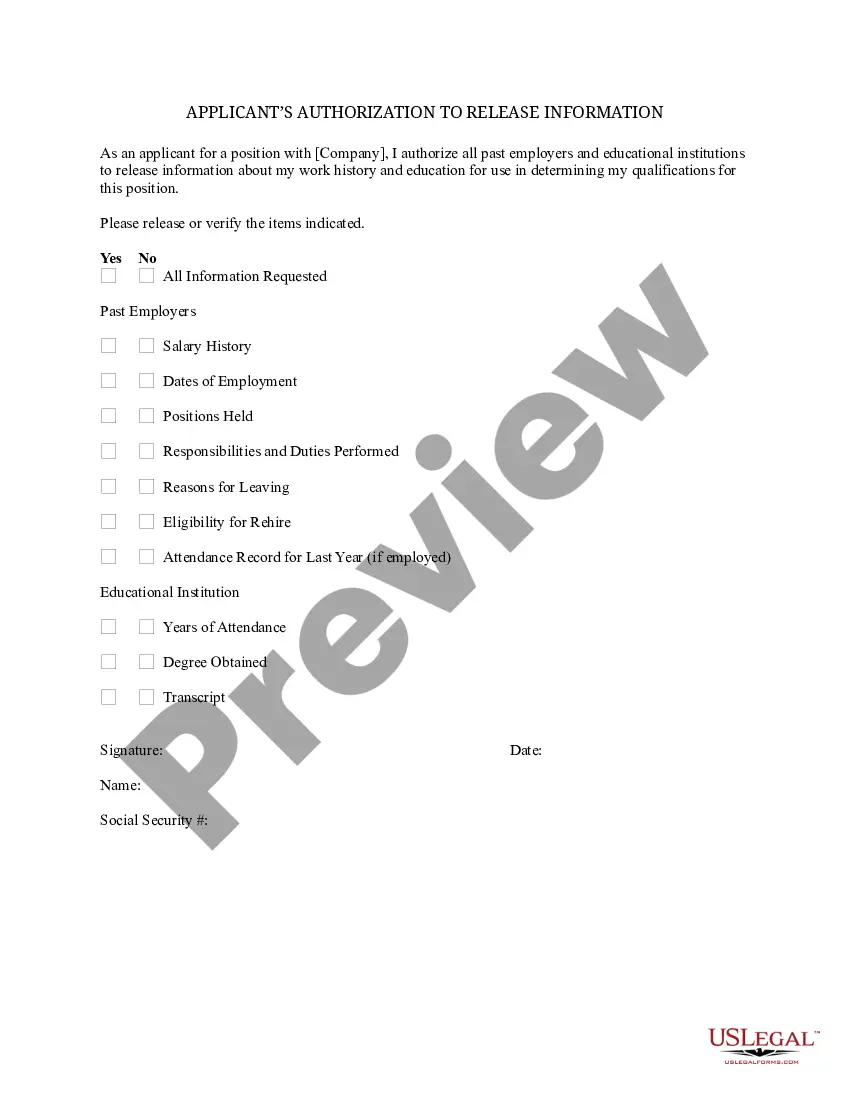
Get your form ready online
Our built-in tools help you complete, sign, share, and store your documents in one place.
Make edits, fill in missing information, and update formatting in US Legal Forms—just like you would in MS Word.
Download a copy, print it, send it by email, or mail it via USPS—whatever works best for your next step.
Sign and collect signatures with our SignNow integration. Send to multiple recipients, set reminders, and more. Go Premium to unlock E-Sign.
If this form requires notarization, complete it online through a secure video call—no need to meet a notary in person or wait for an appointment.
We protect your documents and personal data by following strict security and privacy standards.

Make edits, fill in missing information, and update formatting in US Legal Forms—just like you would in MS Word.

Download a copy, print it, send it by email, or mail it via USPS—whatever works best for your next step.

Sign and collect signatures with our SignNow integration. Send to multiple recipients, set reminders, and more. Go Premium to unlock E-Sign.

If this form requires notarization, complete it online through a secure video call—no need to meet a notary in person or wait for an appointment.

We protect your documents and personal data by following strict security and privacy standards.
Looking for another form?
Form popularity
FAQ
Why Email Will Not Suffice for sending Medical Records. Faxing is typically more secure than email because most email providers don't take extra security measures for the contents of their messages or attachments.
> EHRs must require a password to access the system. > EHRs should be able to support additional passwords or identifiers for each user. For example, a practice could use passwords and biometrics (e.g., fingerprint or retinal scans) to confirm the identity of people logging into EHRs.
Health and care records are confidential so a person can only access someone else's records if they are authorised to do so. To access someone else's health records, a person must: be acting on their behalf with their consent, or. have legal authority to make decisions on their behalf (i.e. power of attorney), or.
Sending medical records as an email attachment, say a password-protected file downloaded from an EMR, can be safer than sending the records in the body of an email. However, if the email is intercepted, or the email account receiving the file is compromised, an unauthorized party can easily access the file.
When mailing records, providers should use privacy protections like sealed envelopes, certified mail tracking, encrypted digital files, and shredding unneeded documents containing PHI. Healthcare providers must supply these within 30 days, either digitally or via secure physical mail.
Technically, traditional machine faxing can be HIPAA-compliant because it offers point-to-point data protection. The issue may arise when the fax prints out at the recipient's machine, though.
Why Email Will Not Suffice for sending Medical Records. Faxing is typically more secure than email because most email providers don't take extra security measures for the contents of their messages or attachments.
? Medical report request letter The letter typically includes the patient's name and date of birth, as well as the dates of service being requested. The letter may also include a release of information form, which the patient must sign in order to authorize the release of their medical records.
When mailing records, providers should use privacy protections like sealed envelopes, certified mail tracking, encrypted digital files, and shredding unneeded documents containing PHI. Healthcare providers must supply these within 30 days, either digitally or via secure physical mail.