Medical Information Released Without Consent In Houston
Description

Get your form ready online
Our built-in tools help you complete, sign, share, and store your documents in one place.
Make edits, fill in missing information, and update formatting in US Legal Forms—just like you would in MS Word.
Download a copy, print it, send it by email, or mail it via USPS—whatever works best for your next step.
Sign and collect signatures with our SignNow integration. Send to multiple recipients, set reminders, and more. Go Premium to unlock E-Sign.
If this form requires notarization, complete it online through a secure video call—no need to meet a notary in person or wait for an appointment.
We protect your documents and personal data by following strict security and privacy standards.

Make edits, fill in missing information, and update formatting in US Legal Forms—just like you would in MS Word.

Download a copy, print it, send it by email, or mail it via USPS—whatever works best for your next step.

Sign and collect signatures with our SignNow integration. Send to multiple recipients, set reminders, and more. Go Premium to unlock E-Sign.

If this form requires notarization, complete it online through a secure video call—no need to meet a notary in person or wait for an appointment.

We protect your documents and personal data by following strict security and privacy standards.
Looking for another form?

Form popularity
FAQ
Texas & Federal Laws This means that unless at least one of the parties to a conversation consents, both Texas and federal wiretapping laws make it a crime to record an audio conversation if the parties have a "reasonable expectation of privacy." This is true both in person and over the phone.
In Canada, patient privacy is highly regulated by provincial legislation, although patients themselves have little in the way of laws or regulations to observe. Patients taking video recordings of their own medical care does not currently fall under any of the provincial privacy laws.
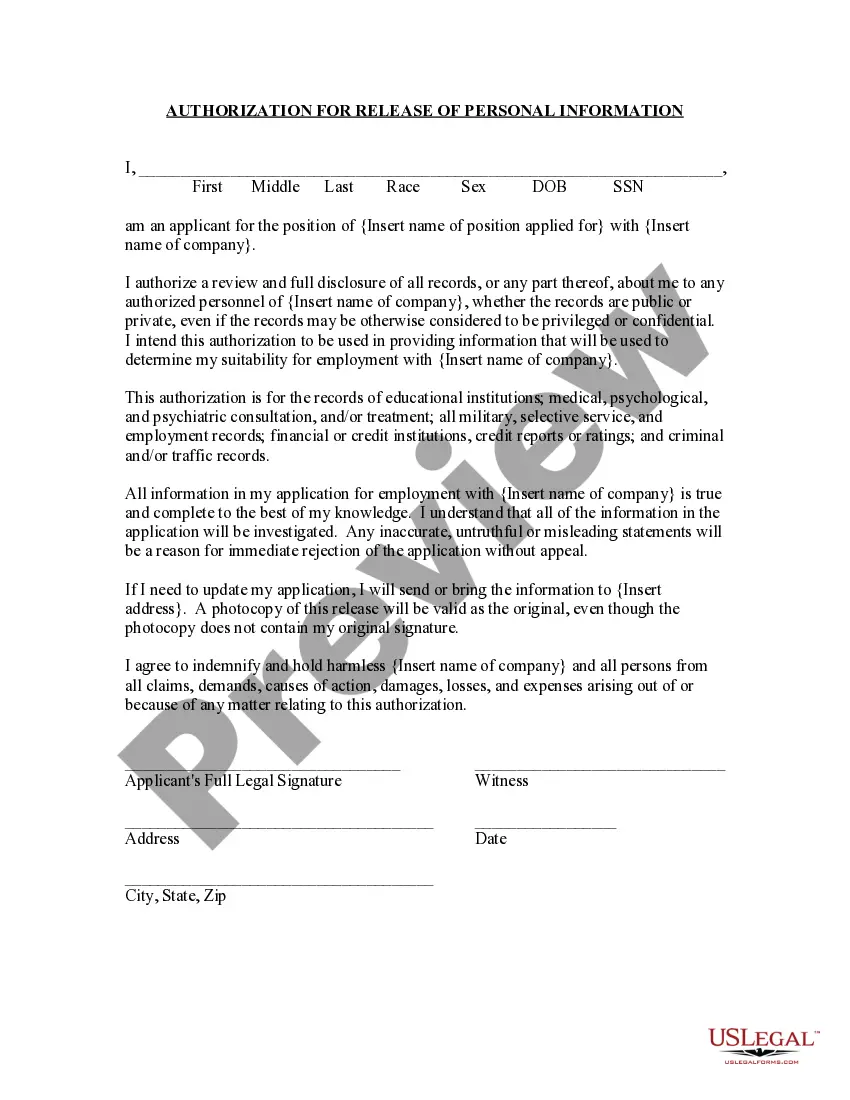
Release of Information Authorization Under the HIPAA Privacy Rule, when a release of information is intended for purposes other than medical treatment, healthcare operations, or payment, you'll need to sign an authorization for ROI.
Texas is what's known as a one-party consent state. In short, a person who is a party to a phone or in-person conversation can record it without telling anyone about it.
In Texas, if a court finds a violation of medical records privacy laws to be a frequent occurrence, the civil penalty can reach up to $1.5 million. This reflects the state's commitment to enforcing privacy standards.
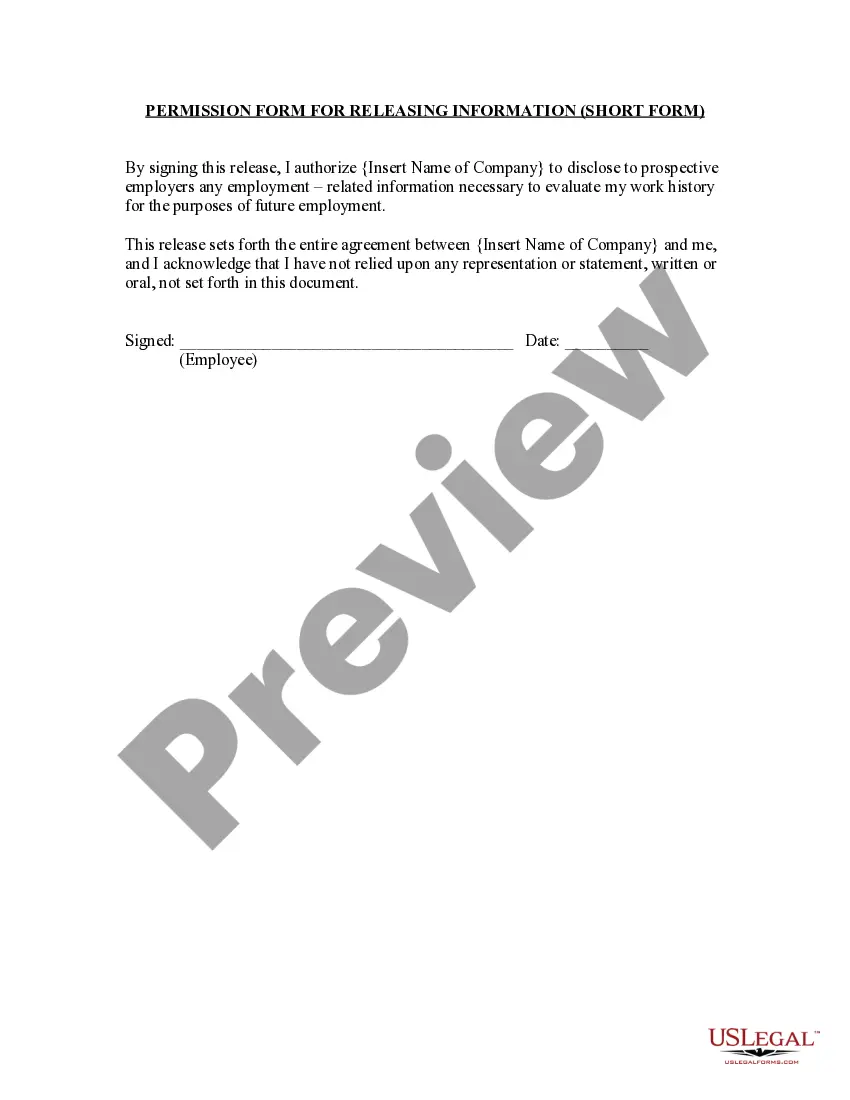
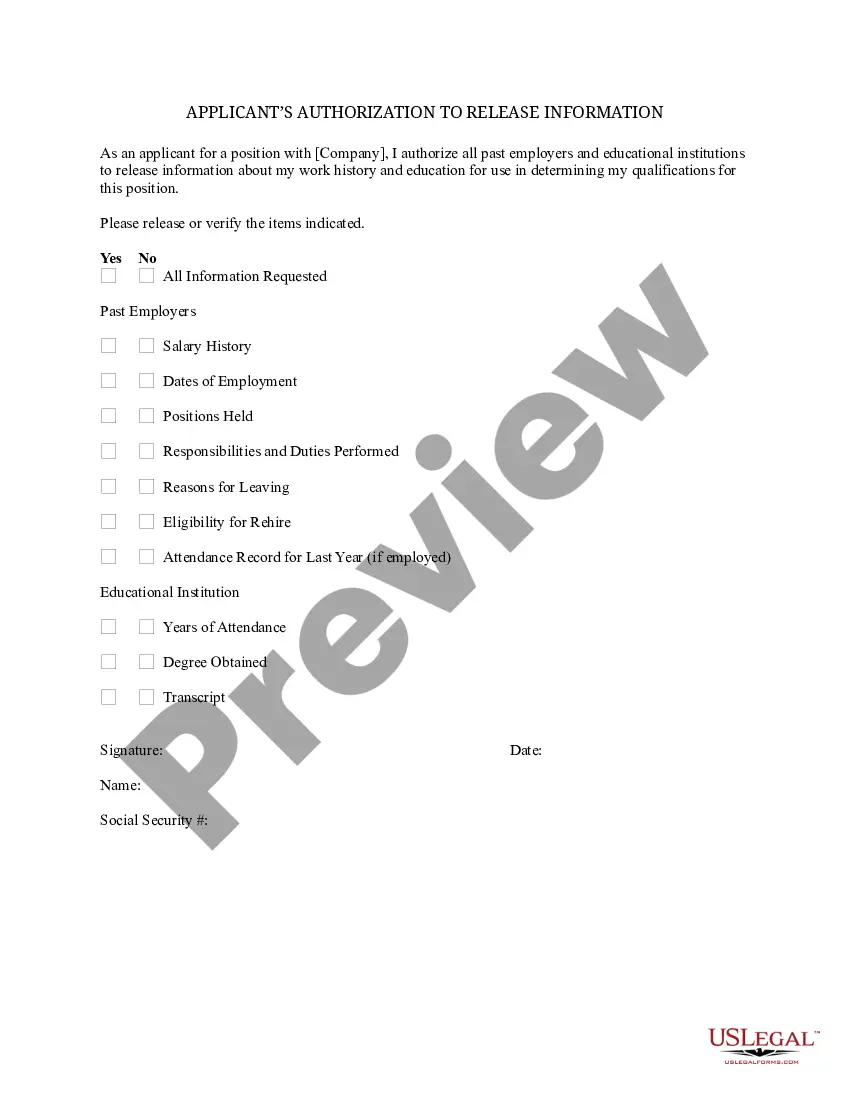
As required by the Medical Practice Act/Texas Occupations Code 159.006, a physician or health care entity shall provide copies of medical and/or billing records requested or, if the individual prefers, a summary or narrative of the records pursuant to a written release of the information as provided by the Medical ...
Section 21.17 prohibits observing another person without their consent in a place where they have a reasonable expectation of privacy. This includes using electronic methods. These types of laws are often called "peeping tom" laws.
Exceptions to the Rule While the law is strict, there are some exceptions: Law Enforcement: Officers may be exempt when on duty and with proper authorization. Public Capacity: Conversations in public places where there's no reasonable expectation of privacy may not require consent.

