Illinois Caregiver Application With Medicaid In Washington
Description

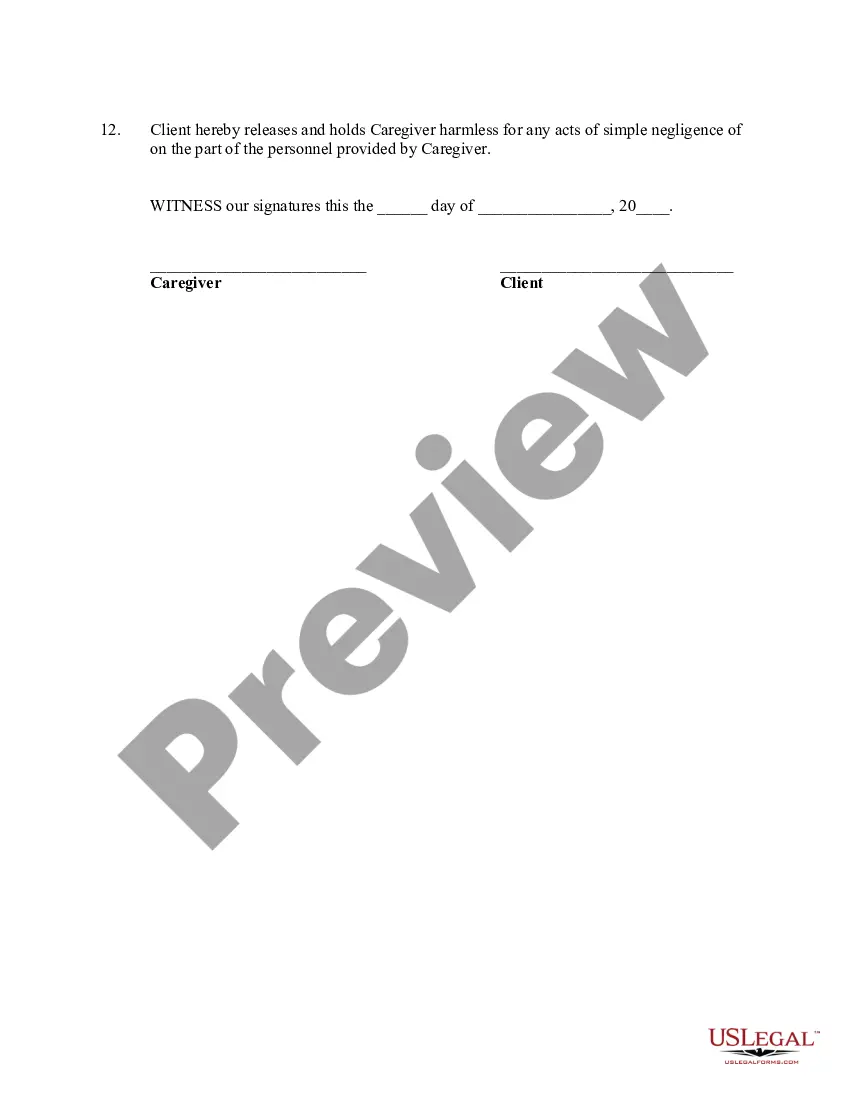

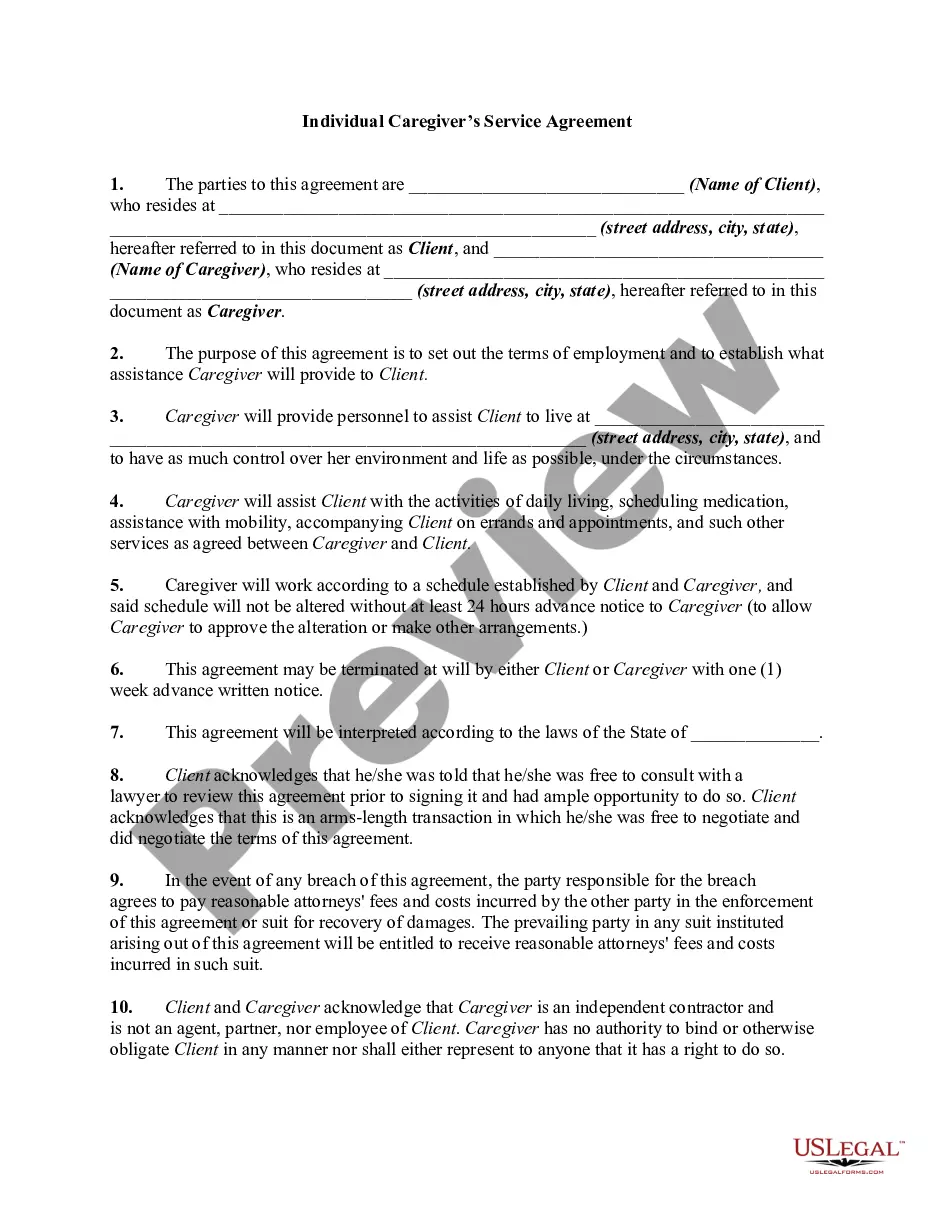
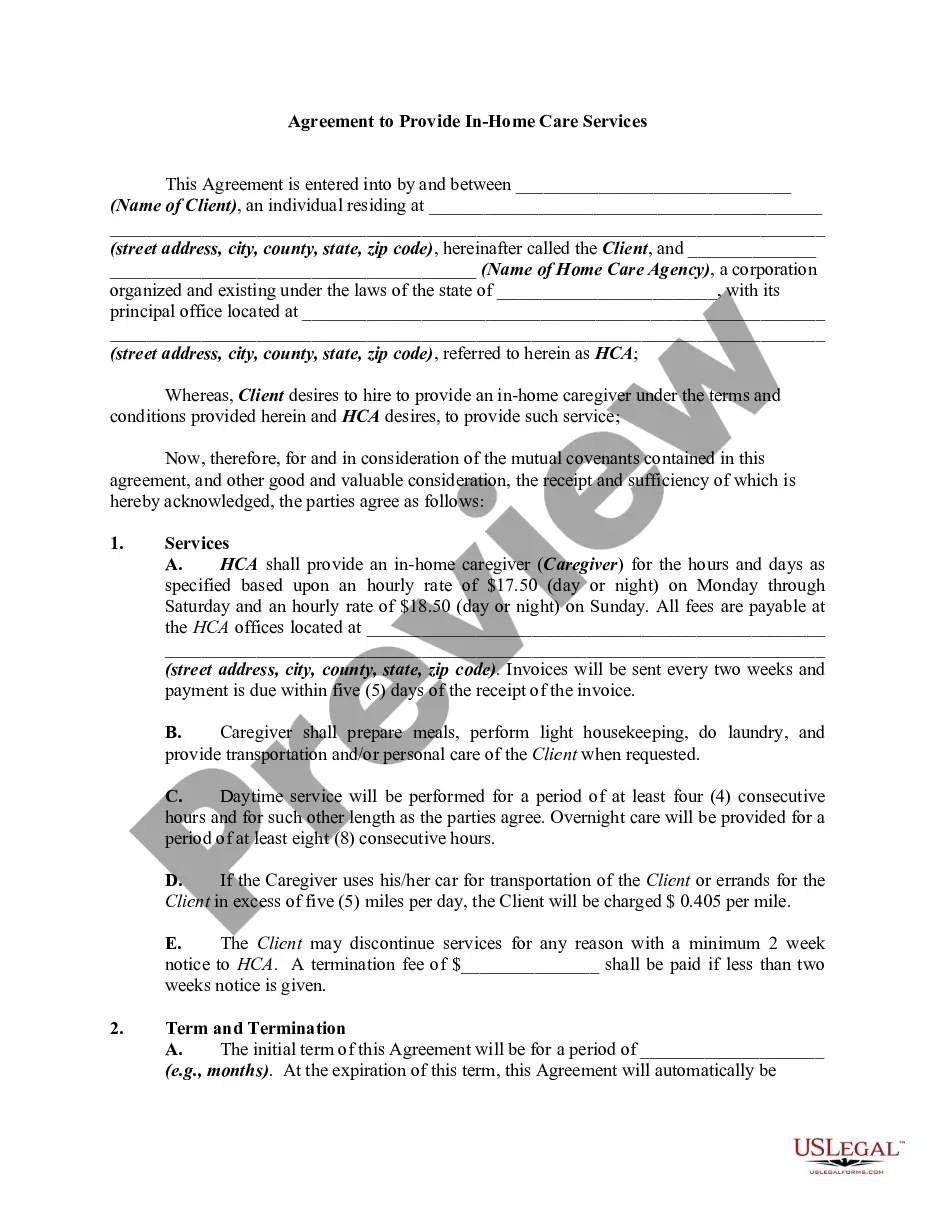
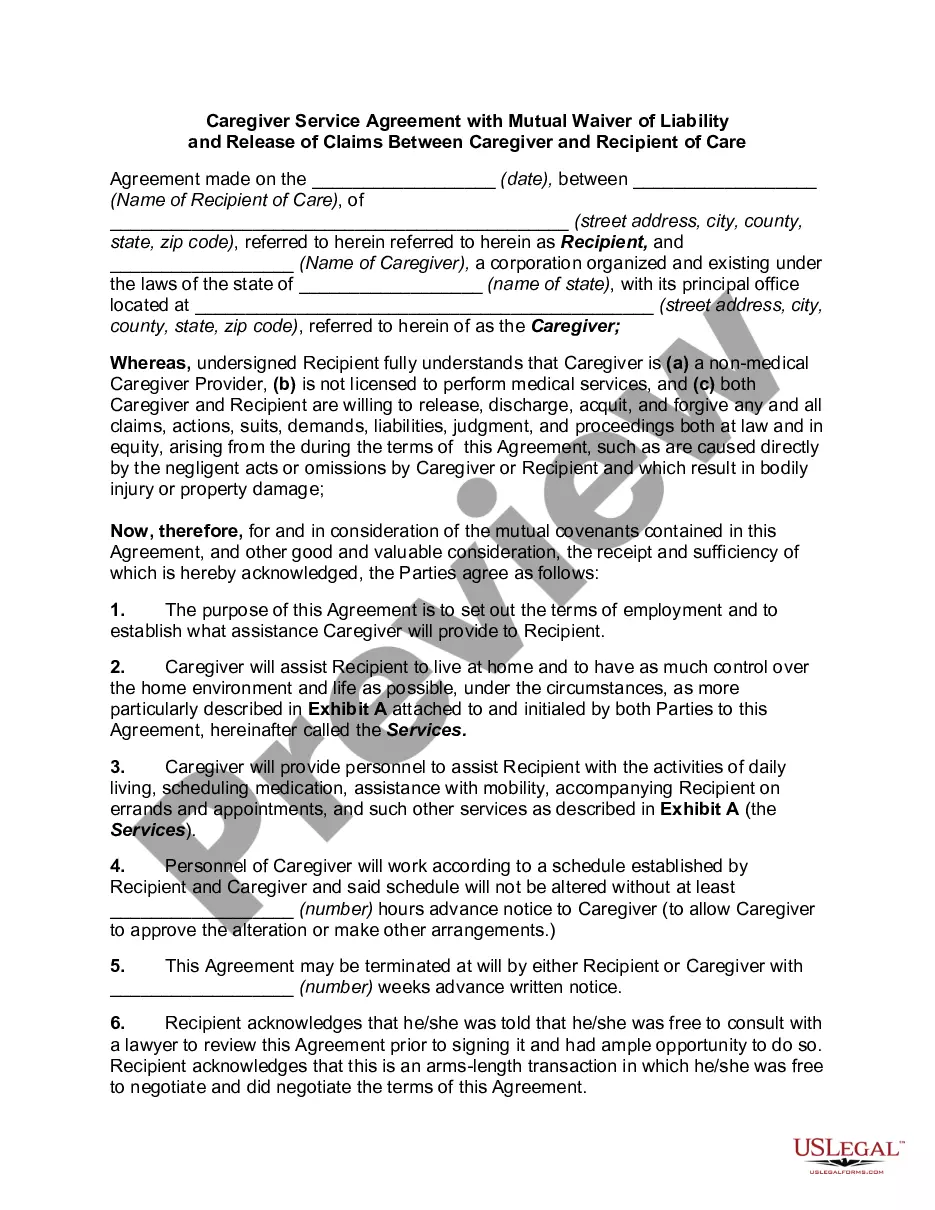
Get your form ready online
Our built-in tools help you complete, sign, share, and store your documents in one place.
Make edits, fill in missing information, and update formatting in US Legal Forms—just like you would in MS Word.
Download a copy, print it, send it by email, or mail it via USPS—whatever works best for your next step.
Sign and collect signatures with our SignNow integration. Send to multiple recipients, set reminders, and more. Go Premium to unlock E-Sign.
If this form requires notarization, complete it online through a secure video call—no need to meet a notary in person or wait for an appointment.
We protect your documents and personal data by following strict security and privacy standards.

Make edits, fill in missing information, and update formatting in US Legal Forms—just like you would in MS Word.

Download a copy, print it, send it by email, or mail it via USPS—whatever works best for your next step.

Sign and collect signatures with our SignNow integration. Send to multiple recipients, set reminders, and more. Go Premium to unlock E-Sign.

If this form requires notarization, complete it online through a secure video call—no need to meet a notary in person or wait for an appointment.

We protect your documents and personal data by following strict security and privacy standards.
Looking for another form?


Form popularity
FAQ
One cannot transfer their Medicaid benefits from one state to another state, nor can they receive Medicaid benefits simultaneously in two states. Instead, one must close their Medicaid case, and hence their benefits, in their original state, and then reapply for Medicaid in the state to which they are relocating.
In order to qualify for the full range of benefits offered under Medicaid, individuals must be citizens or nationals of the United States or qualified aliens. U.S. nationals are individuals born in certain U.S. territorial possessions.
One cannot transfer their Medicaid benefits from one state to another state, nor can they receive Medicaid benefits simultaneously in two states. Instead, one must close their Medicaid case, and hence their benefits, in their original state, and then reapply for Medicaid in the state to which they are relocating.
You can apply over the phone by calling the DHS Help Line at 1-800-843-6154. A representative will take your information. Make sure to request the case number when you have completed the application. You should write this number down and keep it in a safe place.
SOLQ clearance showing an Illinois address. AWVS clearance showing an Illinois address. Current vehicle registration. Current public or private school enrollment records (of applicant or family member who lives with them)
Be a resident - The applicant must be considered a resident of the state of Illinois. There is no minimum length of time for the person to have lived in Illinois. Be a citizen or an eligible non-citizen - The applicant must be a citizen of the United States or an immigrant legally admitted for permanent residence.
Illinois offers Medicaid coverage for people with disabilities with income up to 100% of the federal poverty level (monthly income of $1,012 for an individual) and non-exempt resources (assets) of no more than $2,000 (for one person).
The COPES program pays for long-term care in your home or in a community setting, like assisted living or an adult family home. COPES care can include help from a trained caregiver to shower, dress, eat, use the toilet, walk, change position in bed, and manage your medications.
How do you become a professional caregiver in Illinois? 8-Hour Caregiver Certification course with the basic skills for caregiving, including Elder Abuse Identification and Reporting and HIPAA (Health Insurance Portability and Accountability Act) topics.
Most people who enroll are covered for comprehensive services, including, but not limited to; doctor visits and dental care, well-child care, immunizations for children, mental health and substance abuse services, hospital care, emergency services, prescription drugs and medical equipment and supplies.
