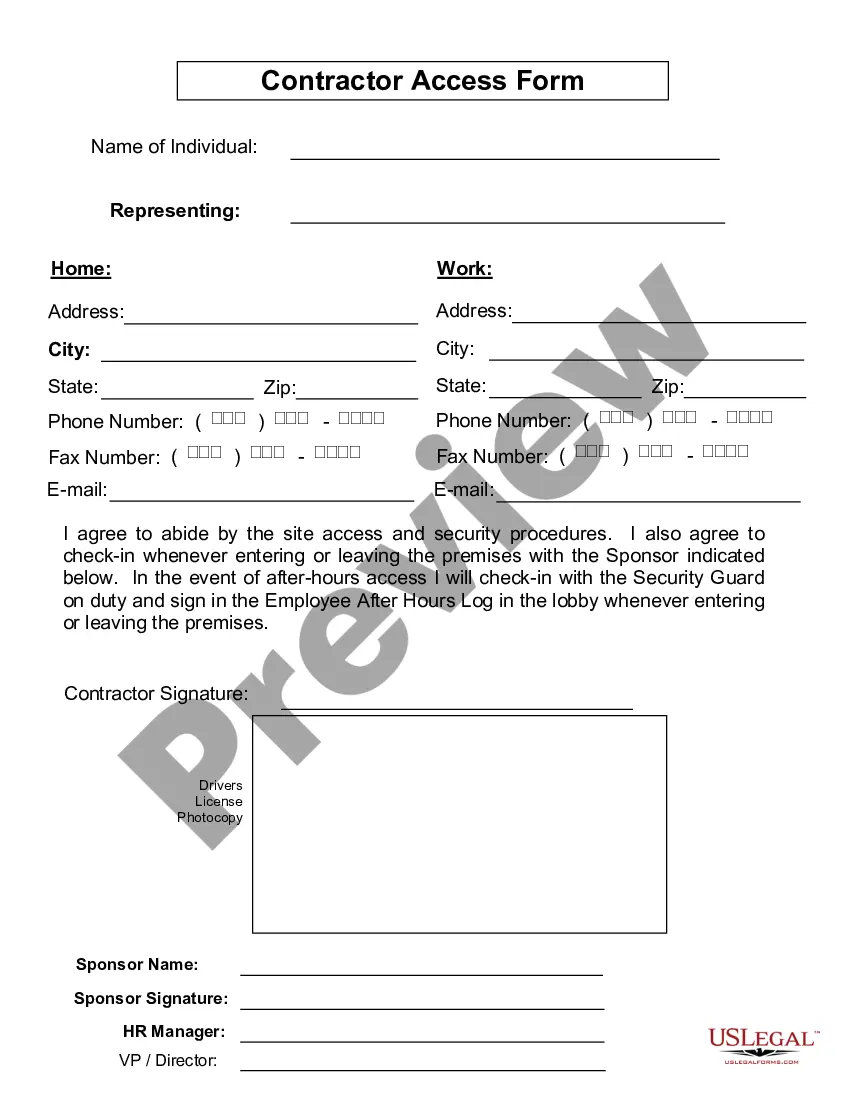
Caregiver Form Sample Format In Queens
Description









Form popularity
FAQ
The skills employers typically look for include: Strong leadership. Decision making. Communication. Focus under pressure. Willingness to collaborate. Ability to train other nurses. Clinical skills. Organisation.
Tips for writing a nurse band 6 personal statement Make your introduction about a core memory. Transition into the body paragraphs about how that core memory has guided you. Mention a bit about your academics, clubs, and extracurriculars.
Example answer: 'My career goal is to improve my leadership skills to manage larger teams and be better qualified for advanced managerial positions. I only have leadership experience in my previous role and hope that after a few years in a Band 7 role, I might be better positioned to handle more responsibilities.
JOB PURPOSE The post holder will: ➢ be responsible as the Care Coordinator for the assessment, planning, implementation and care coordination of evidence based care to people affected by mental ill health.
I am a caring, compassionate person with the want to help people by supporting those I have personal relationships with, who suffer from various mental health conditions; this has given me a foundation to build upon my knowledge and skills in a professional manner as a healthcare assistant.
I have good organisation abilities and can prioritise tasks, ensuring work is completed to the correct standards and a set deadline. What sets me apart from other candidates is that I have an excellent knowledge of the NHS Values, and I already apply these in my current position as they match my working values.
Compassion – The ability to translate empathic feelings into action (desire to alleviate suffering). Optimism – Expect a favourable or positive outcome. Confidence – Sure of one's self and one's abilities. Organization – Methodical and efficient in arrangement or function.
Family caregiving is the act of providing at-home care for a relative, friend, or other loved one with a physical or mental health problem. As life expectancies increase, medical treatments advance, and more people live with chronic illnesses and disabilities, many of us find ourselves caring for a loved one at home.
Experienced caregivers explain that they are able to stay strong by searching inside themselves and relying on their strength of character to keep them going during difficult days. Some examples of these strengths include patience, love, faith, core values, integrity, and compassion.
Given the nature of their job, truly great caregivers are naturally dependable, compassionate, and trustworthy. They should be able to empathize with the needs of their patients and identify them even before their families do.
