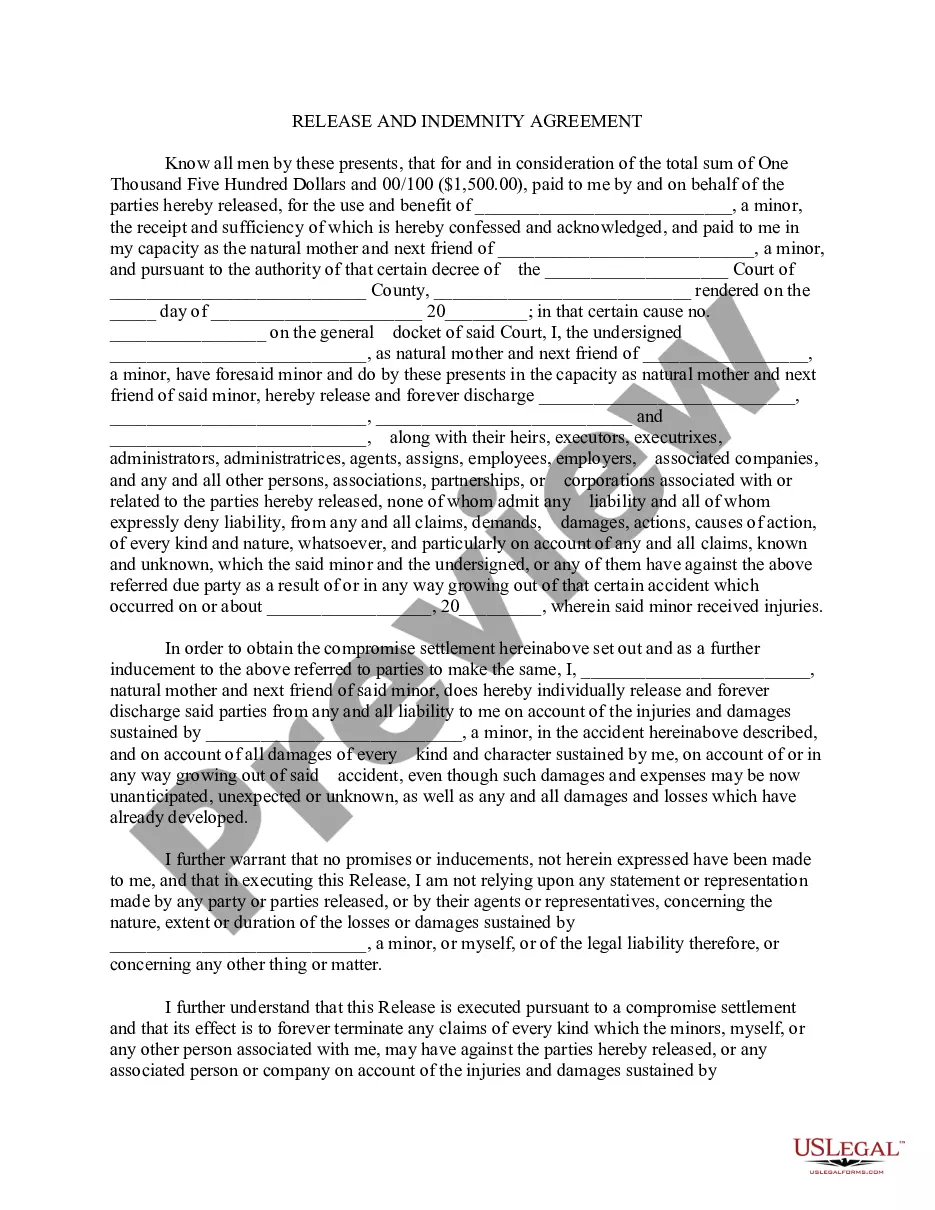
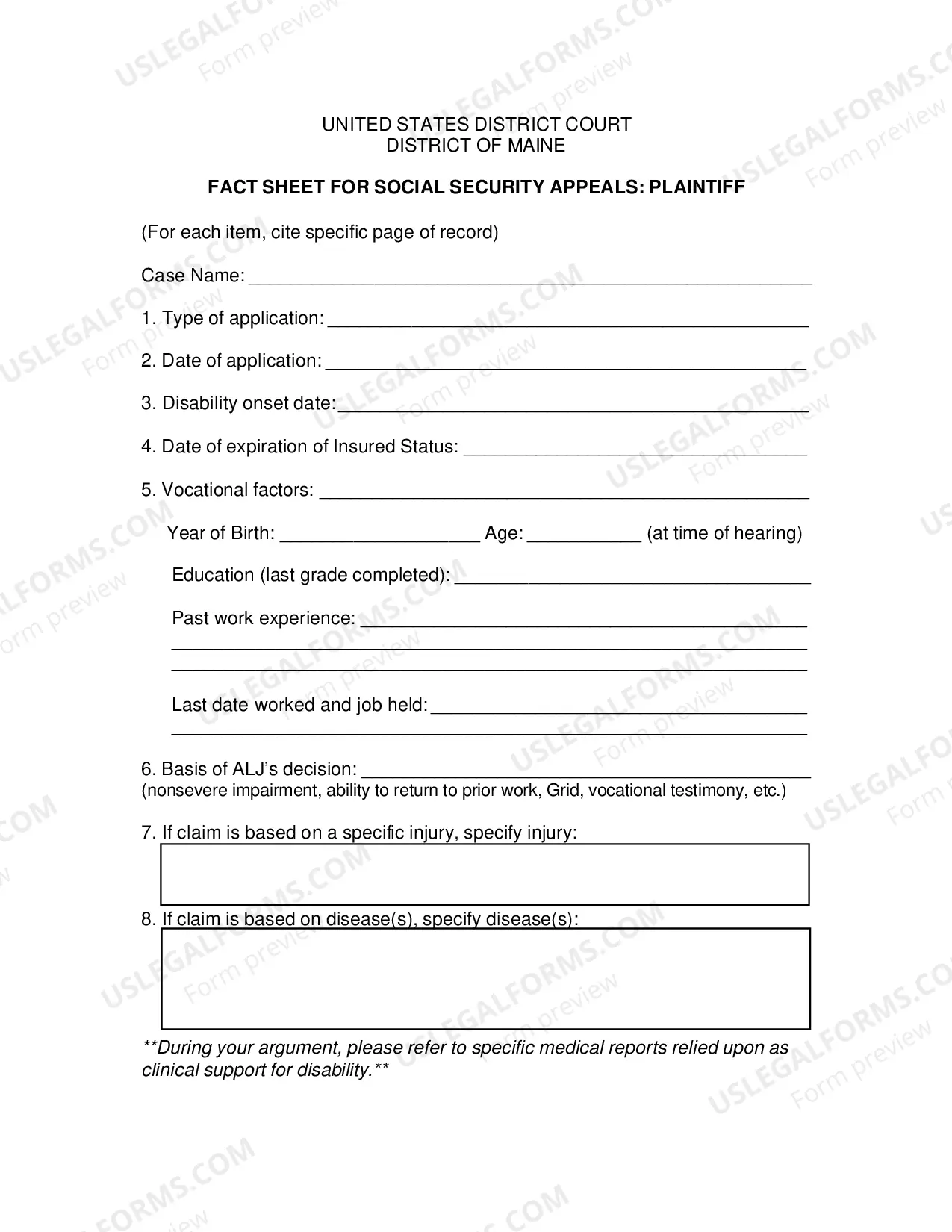
Care Caregiver Form With 2 Points In Nassau
Description






Get your form ready online
Our built-in tools help you complete, sign, share, and store your documents in one place.
Make edits, fill in missing information, and update formatting in US Legal Forms—just like you would in MS Word.
Download a copy, print it, send it by email, or mail it via USPS—whatever works best for your next step.
Sign and collect signatures with our SignNow integration. Send to multiple recipients, set reminders, and more. Go Premium to unlock E-Sign.
If this form requires notarization, complete it online through a secure video call—no need to meet a notary in person or wait for an appointment.
We protect your documents and personal data by following strict security and privacy standards.

Make edits, fill in missing information, and update formatting in US Legal Forms—just like you would in MS Word.

Download a copy, print it, send it by email, or mail it via USPS—whatever works best for your next step.

Sign and collect signatures with our SignNow integration. Send to multiple recipients, set reminders, and more. Go Premium to unlock E-Sign.

If this form requires notarization, complete it online through a secure video call—no need to meet a notary in person or wait for an appointment.

We protect your documents and personal data by following strict security and privacy standards.
Looking for another form?
Form popularity
FAQ
4 legal documents every family caregiver needs A Will. A will is one of the most important legal documents that family caregivers should have. Advance Health Care Plan. Durable Power of Attorney for Health Care. Durable Power of Attorney for Finances.
NOW LET'S DISCUSS SOME OF THE REWARDS OF CAREGIVING: Caring for someone brings you closer to that person, creating a special bond. You will make a material difference in a loved one's life. It will likely change your perspective on life and your own humanness.
Eligibility requirements for the Veteran The Veteran has a VA disability rating (individual or combined) of 70% or higher, and. The Veteran was discharged from the U.S. military or has a date of medical discharge, and. The Veteran needs at least 6 months of continuous, in-person personal care services, and.
In conclusion, there are 4 types of caregivers: family caregivers, professional caregivers, volunteer caregivers, and informal caregivers. Each caregiver faces unique challenges, including physical and emotional exhaustion, financial strain, and balancing personal and caregiving responsibilities.
Emphasis on Role: “Caregiver” and “carer” emphasize the act of giving care, with a focus on the practical and emotional work involved. “Caretaker” suggests a more functional or managerial role, often with a broader focus on property or task management.
These five principles are safety, dignity, independence, privacy, and communication. Nurse assistants keep these five principles in mind as they perform all of their duties and actions for the patients in their care.
Key responsibilities include: Personal care: Assist clients with daily living activities such as bathing, dressing, grooming, and toileting. Medication management: Administer prescribed medications and monitor for side effects, ensuring compliance with care plans.
What is meant by 'DDC'? Within the health professions many people are believed to be “double duty caregivers” (DDCs) – those individuals who provide care both at home and at work.
The Home Care Association of America proudly sponsors the annual Caregiver of the Year Award, a national program that recognizes the top caregivers across the country who provide care and services at home, such as assistance with bathing, dressing, and medication reminders, to seniors and people with disabilities.
