Consent With Work In San Bernardino
Description
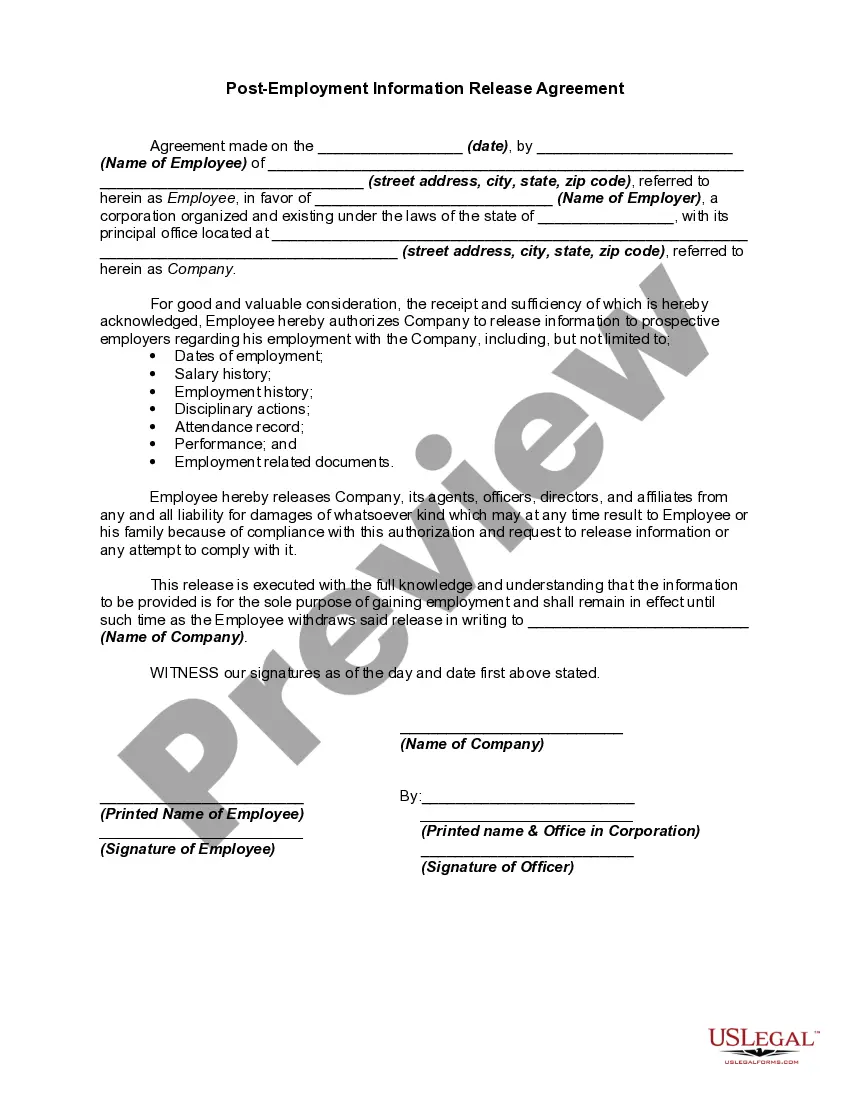
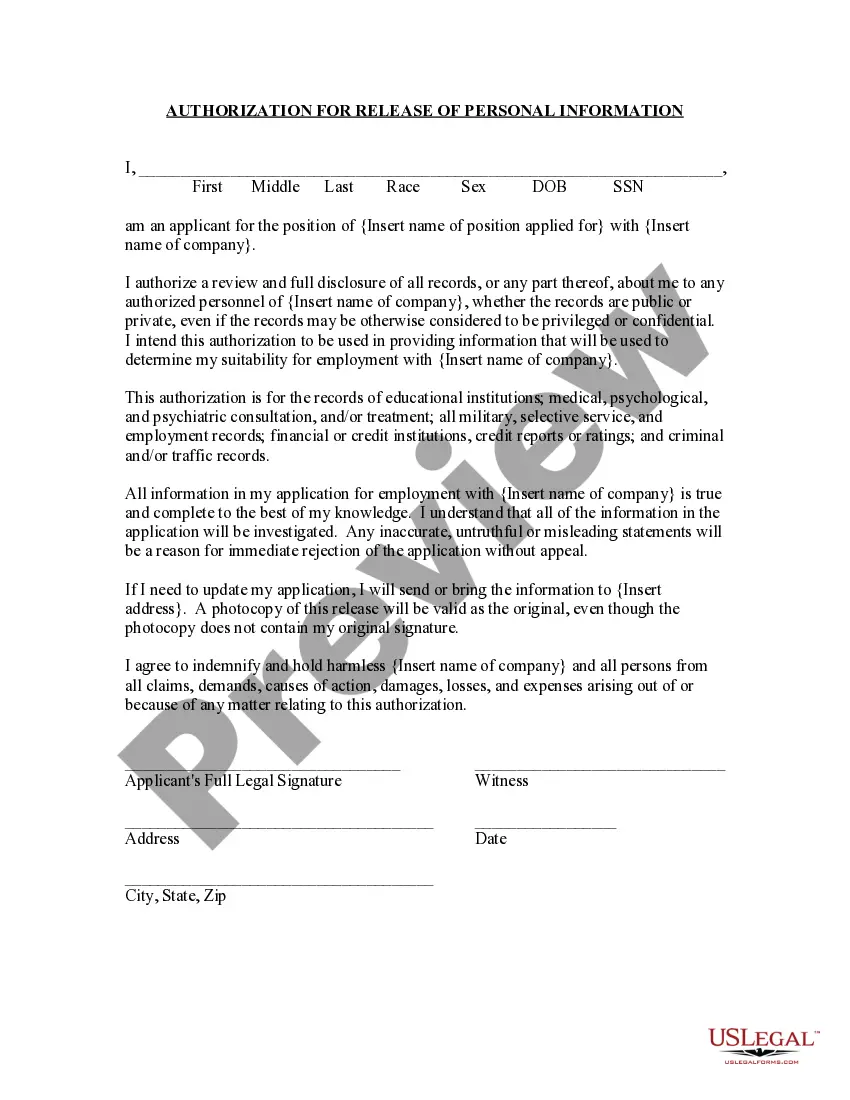
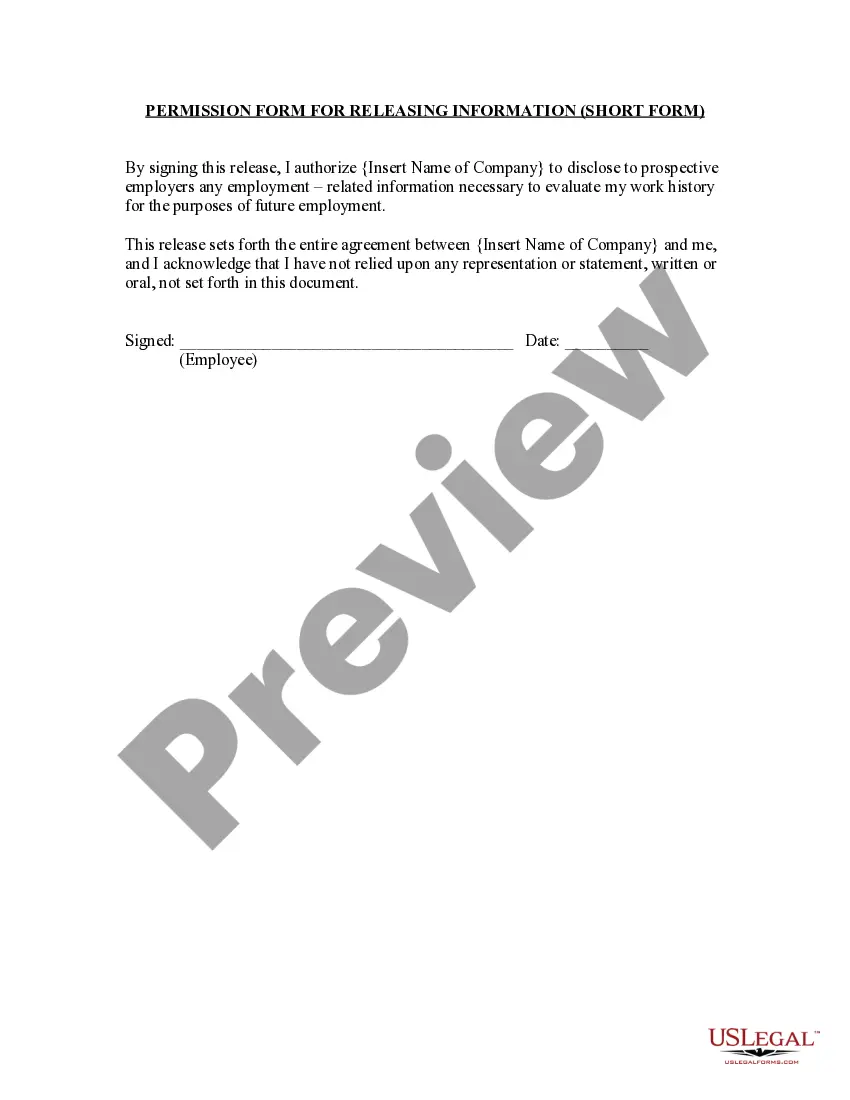
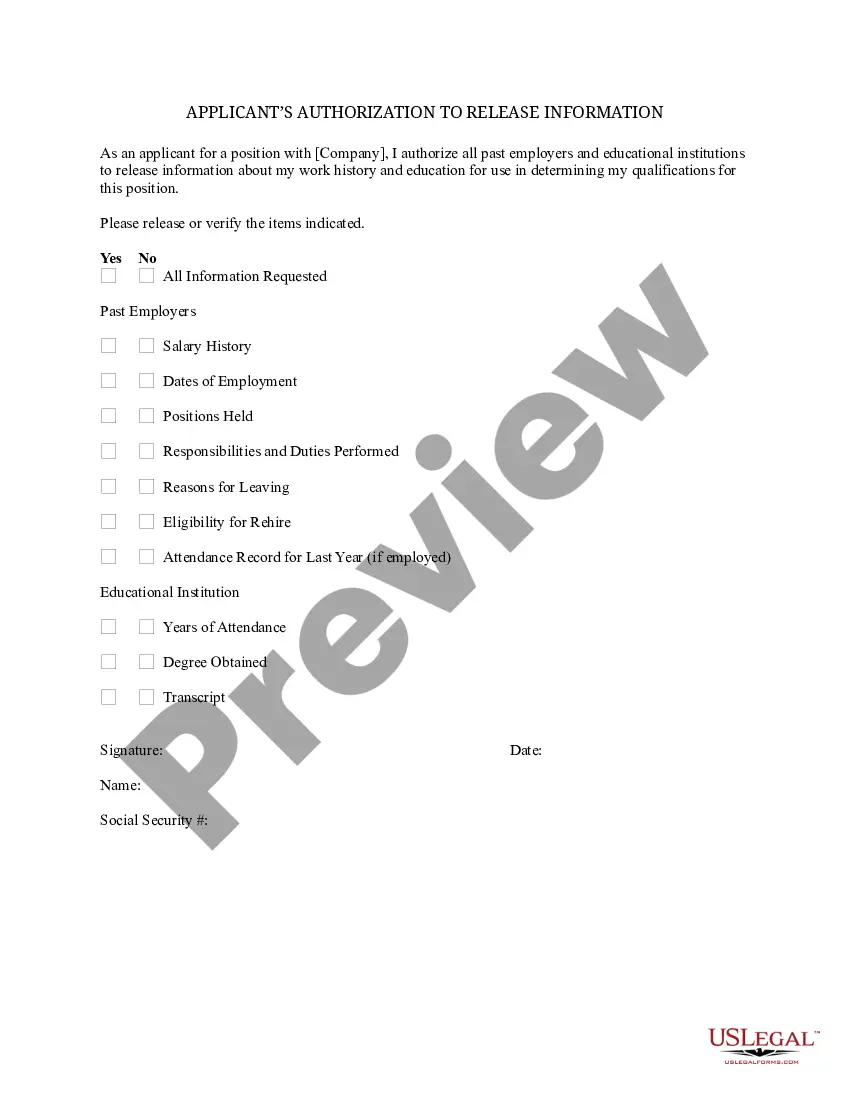
Get your form ready online
Our built-in tools help you complete, sign, share, and store your documents in one place.
Make edits, fill in missing information, and update formatting in US Legal Forms—just like you would in MS Word.
Download a copy, print it, send it by email, or mail it via USPS—whatever works best for your next step.
Sign and collect signatures with our SignNow integration. Send to multiple recipients, set reminders, and more. Go Premium to unlock E-Sign.
If this form requires notarization, complete it online through a secure video call—no need to meet a notary in person or wait for an appointment.
We protect your documents and personal data by following strict security and privacy standards.

Make edits, fill in missing information, and update formatting in US Legal Forms—just like you would in MS Word.

Download a copy, print it, send it by email, or mail it via USPS—whatever works best for your next step.

Sign and collect signatures with our SignNow integration. Send to multiple recipients, set reminders, and more. Go Premium to unlock E-Sign.

If this form requires notarization, complete it online through a secure video call—no need to meet a notary in person or wait for an appointment.

We protect your documents and personal data by following strict security and privacy standards.
Looking for another form?




Form popularity
FAQ
Submit a report online. Contact the Office of Compliance and Ethics directly via the EthicsLine at 909.387. 4500. E-mail the Office of Compliance and Ethics at EthicsLine@cao.sbcounty.
In most cases it is a two-step process, the minor along with the parent/guardian and employer fill out the B1-1 form and submit to the school local to the minor's address. The school district reviews the B1-1 form and issues the B1-4 (Work Permit).
No, applicants must not have been convicted of a felony in order to be eligible for this position.
MYTH: People with criminal records are automatically barred from employment. FACT: An arrest or conviction record will NOT automatically bar individuals from employment.
Under the California Labor Code, "minor" is defined as any person under the age of 18 years required to attend school under the provisions of the Education Code, and any person under age six.
Under California law, consent must be affirmative, conscious, and voluntary to validate sexual activity between adults. Any sexual act that occurs without mutual agreement is considered non-consensual. Engaging in non-consensual sexual activity can result in criminal charges, ranging from sexual battery to .
You may have grounds to sue someone or a company for recording you without your permission under certain circumstances. California's law, specifically Penal Code 632, prohibits the recording of confidential communications without the consent of all parties involved.
The legal age of consent in California is 18 years old. The age of consent refers to the age at which a person can legally marry and/or engage in sexual acts.
History of Age of Consent in California California's age of consent has been 18 for many decades. While the original intent was to protect unmarried women, subsequent modifications eliminated gender-specific language, making the age of consent 18 for all individuals.
California's wiretapping law is a "two-party consent" law. California makes it a crime to record or eavesdrop on any confidential communication, including a private conversation or telephone call, without the consent of all parties to the conversation. See Cal. Penal Code § 632.

