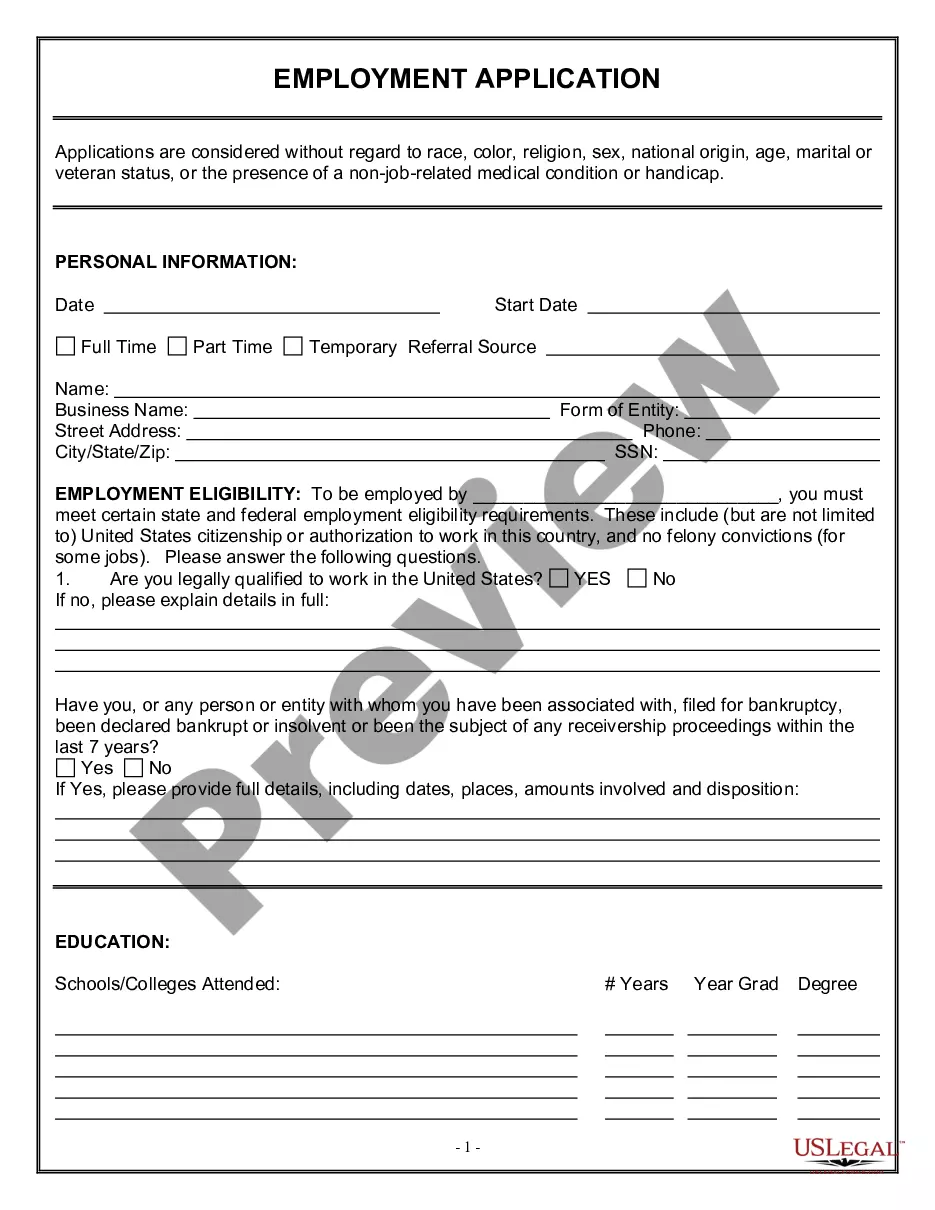
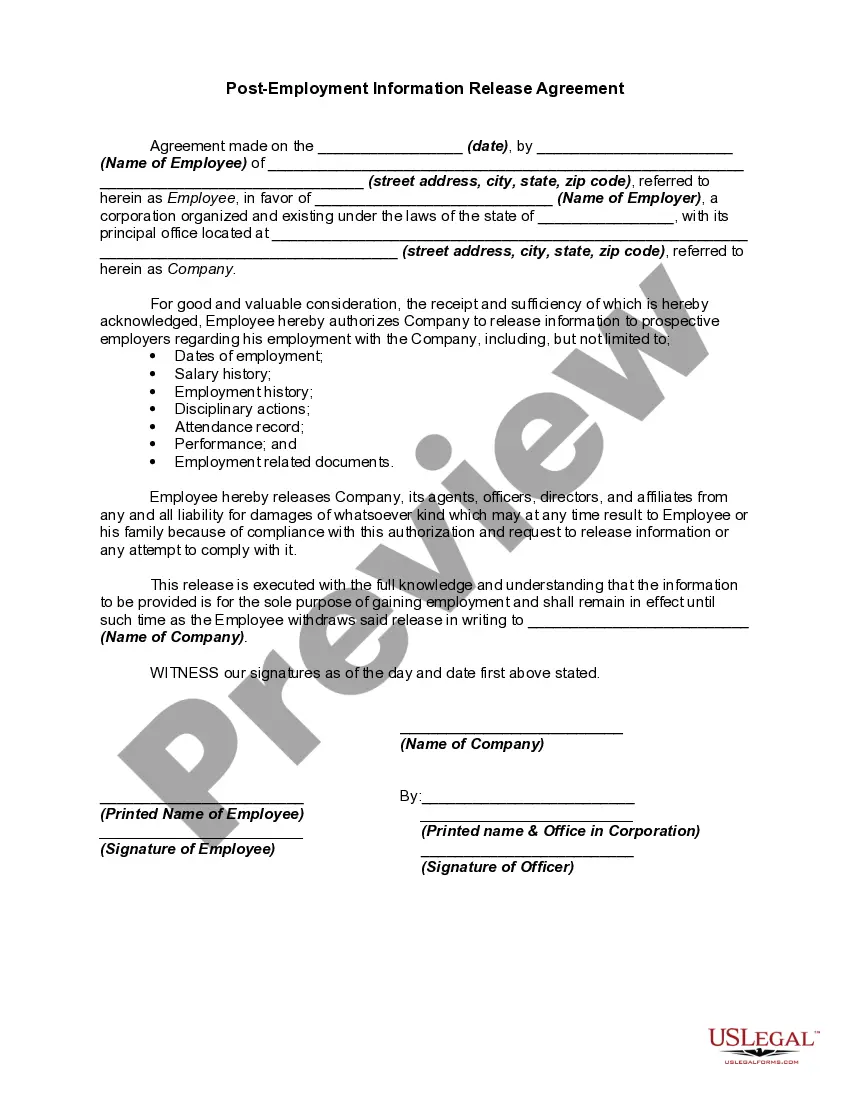
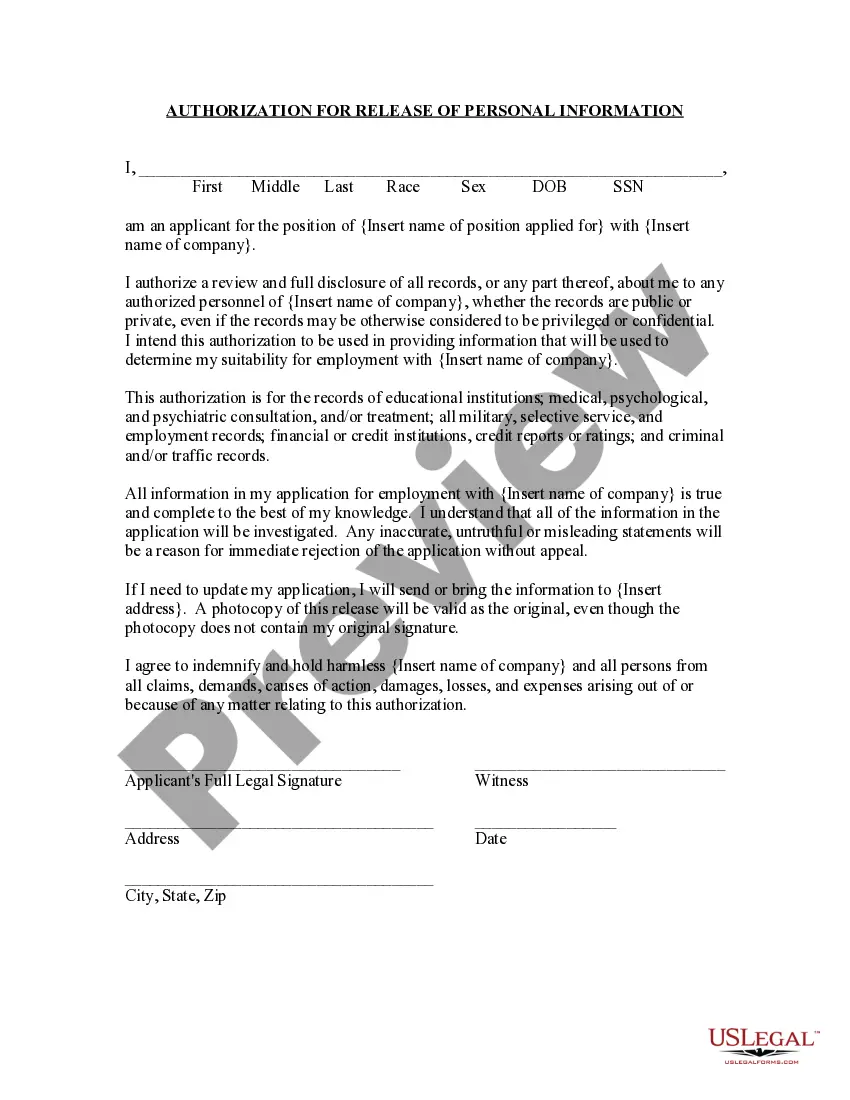
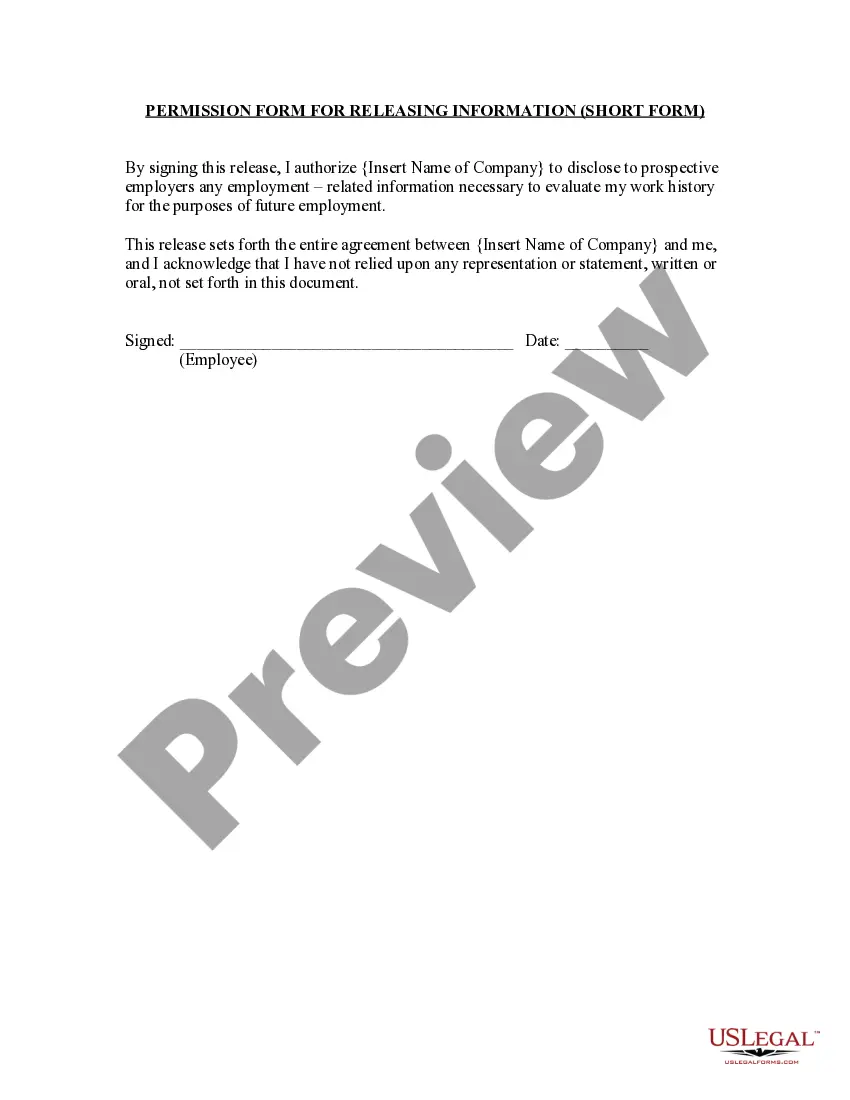
Employee Consent Form Template In Salt Lake
Description
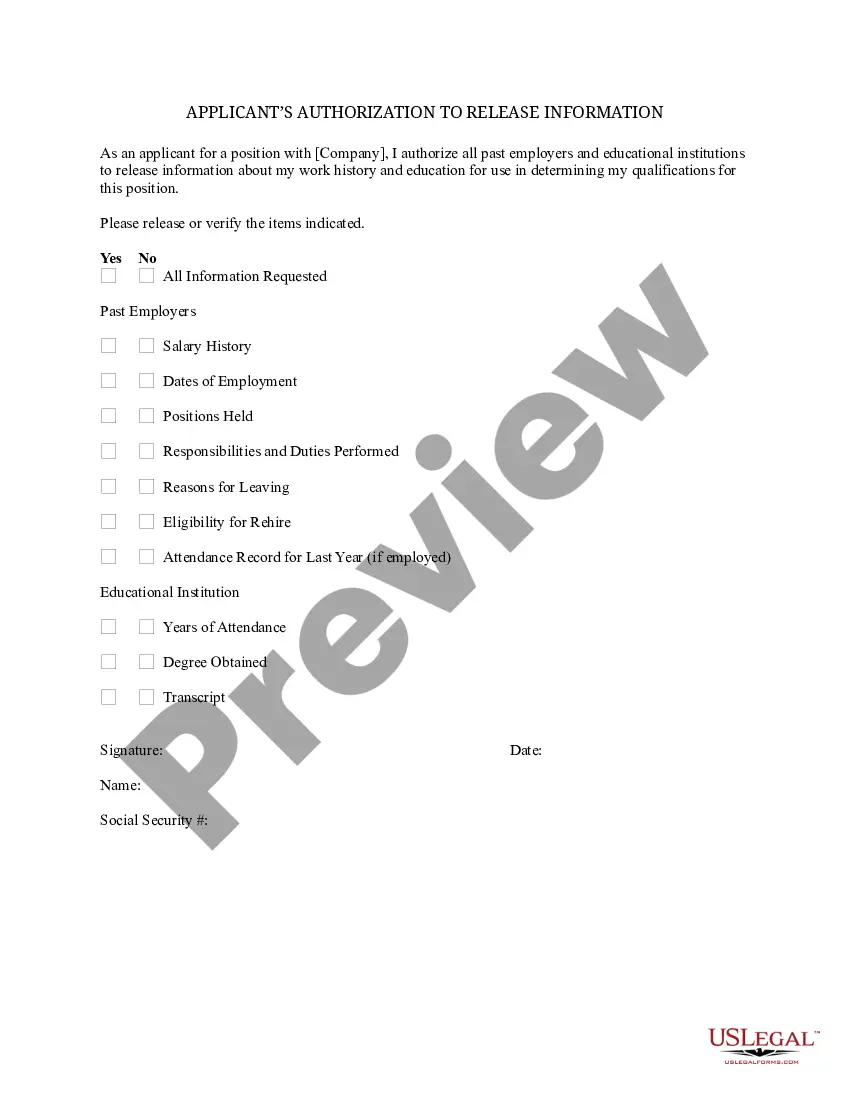
Get your form ready online
Our built-in tools help you complete, sign, share, and store your documents in one place.
Make edits, fill in missing information, and update formatting in US Legal Forms—just like you would in MS Word.
Download a copy, print it, send it by email, or mail it via USPS—whatever works best for your next step.
Sign and collect signatures with our SignNow integration. Send to multiple recipients, set reminders, and more. Go Premium to unlock E-Sign.
If this form requires notarization, complete it online through a secure video call—no need to meet a notary in person or wait for an appointment.
We protect your documents and personal data by following strict security and privacy standards.

Make edits, fill in missing information, and update formatting in US Legal Forms—just like you would in MS Word.

Download a copy, print it, send it by email, or mail it via USPS—whatever works best for your next step.

Sign and collect signatures with our SignNow integration. Send to multiple recipients, set reminders, and more. Go Premium to unlock E-Sign.

If this form requires notarization, complete it online through a secure video call—no need to meet a notary in person or wait for an appointment.

We protect your documents and personal data by following strict security and privacy standards.
Looking for another form?
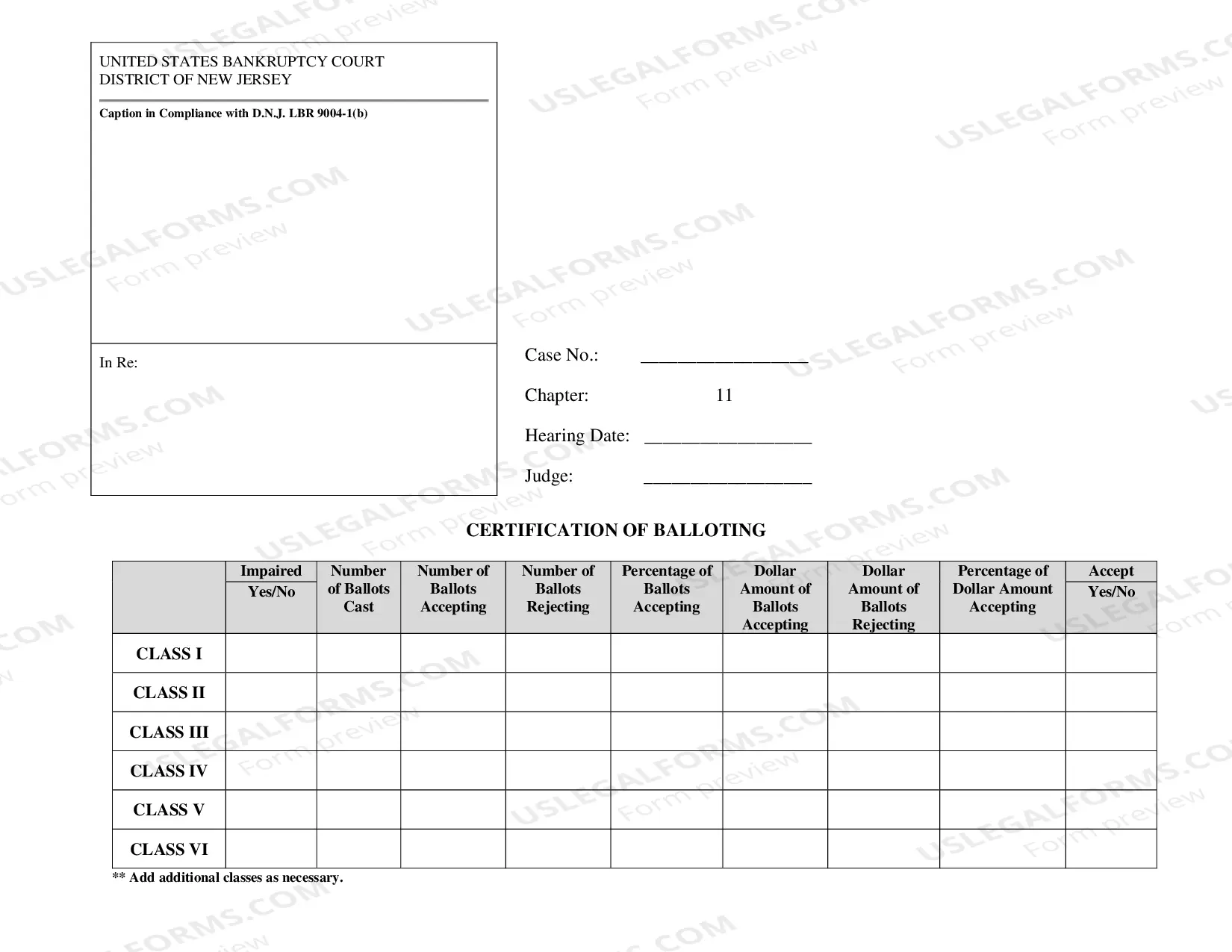
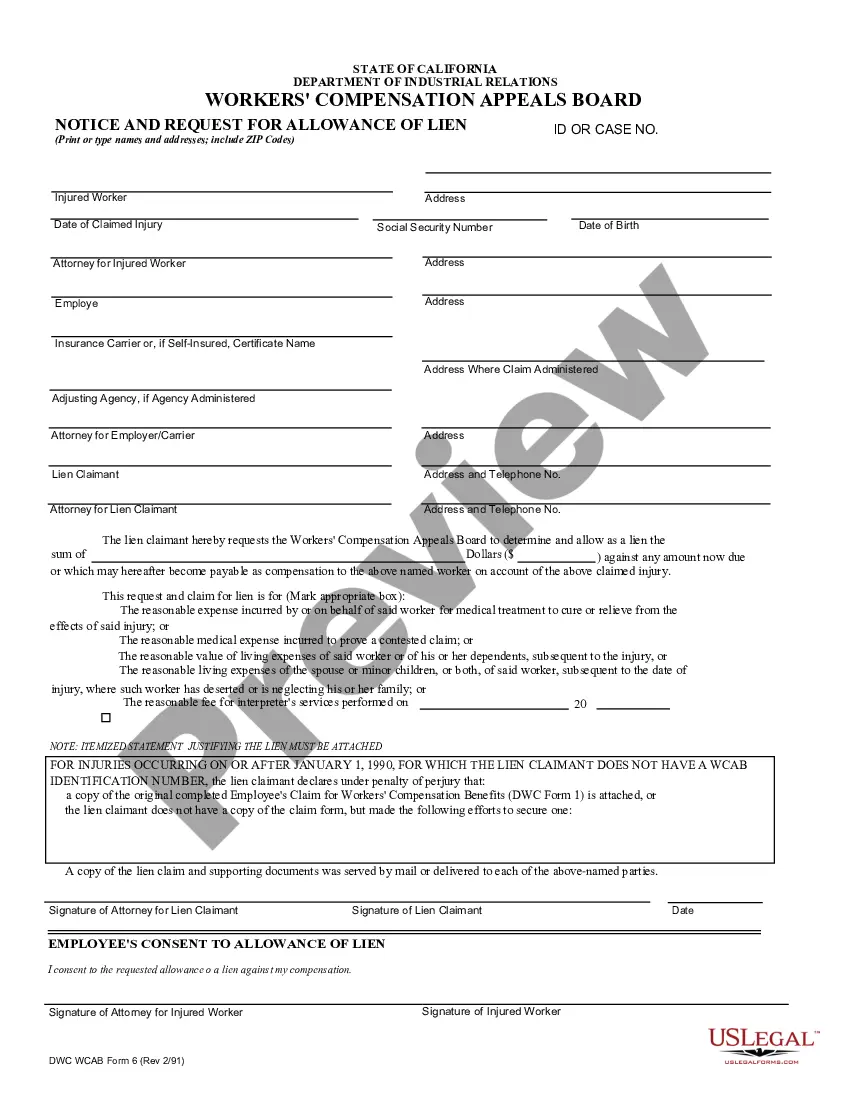
Form popularity
FAQ
Documenting informed consent occurs after explaining the research and assessing participant comprehension. At minimum, it involves obtaining the signature of the participant (or the legally-authorized representative or parent(s), when approved) as well as the person obtaining consent.
Instructions: The consent letter must contain original signature(s), and cannot contain any restrictions, conditions, or stipulations. Any restrictions or conditions must be kept separately between the parties involved. The consent letter must simply state that consent is given to a person to use the similar name.
Instructions for Developing an Informed Consent Document General Information. Describe the purpose(s) of this research study in lay terms. Purpose of the Study. Procedures. Risks. Benefits. Compensation, Costs and Reimbursement. Withdrawal or Termination from Study. Confidentiality.
How to Write a Consent Letter Title the Letter: Start with a clear title, such as "Consent Letter" or "Permission Letter." Include Your Contact Information: At the top of the letter, include your name, address, phone number, and email address. Date the Letter: Write the date the letter is being written.
I consent to participate in the research project and the following has been explained to me: the research may not be of direct benefit to me. my participation is completely voluntary. my right to withdraw from the study at any time without any implications to me.
If you prefer to write your own consent document, you may do so, but be sure to include all required elements of informed consent.
All sections of the consent form, except the "Consent" section, should be written in second person ("You are invited..."). Headers should include “Informed Consent” followed by the title of the study (e.g., the header in this document). Footers should include page numbers.
General instructions Write in a conversational tone. Who is your audience? ... Directly address the participant. Avoid legalistic language (e.g. you hereby agree, you certify that, etc.) Use bullet point lists to increase readability. Use a readable font such as Arial, Courier, or Verdana.
The five key elements of consent are: the individual gives consent voluntarily. the individual is adequately informed before giving consent. the consent is specific. the consent is current. the individual has the capacity to understand and communicate their consent.
How to write a consent form: A step-by-step guide Step 1: Title and introduction. Step 2: Description of the activity. Step 3: Risks and benefits. Step 4: Confidentiality and data handling. Step 5: Voluntary participation and withdrawal. Step 6: Consent statement. Step 7: Signature and date. Step 8: Contact information.