Release Of Information Example In Dallas
Description
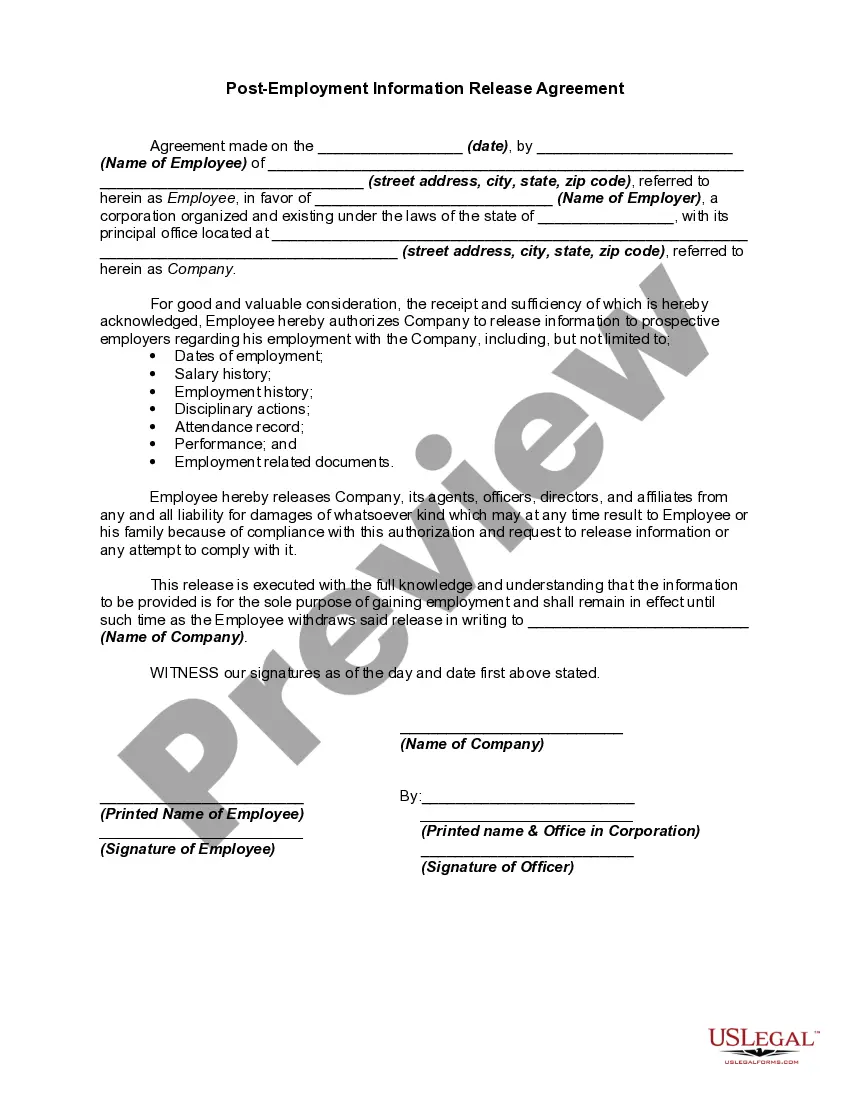
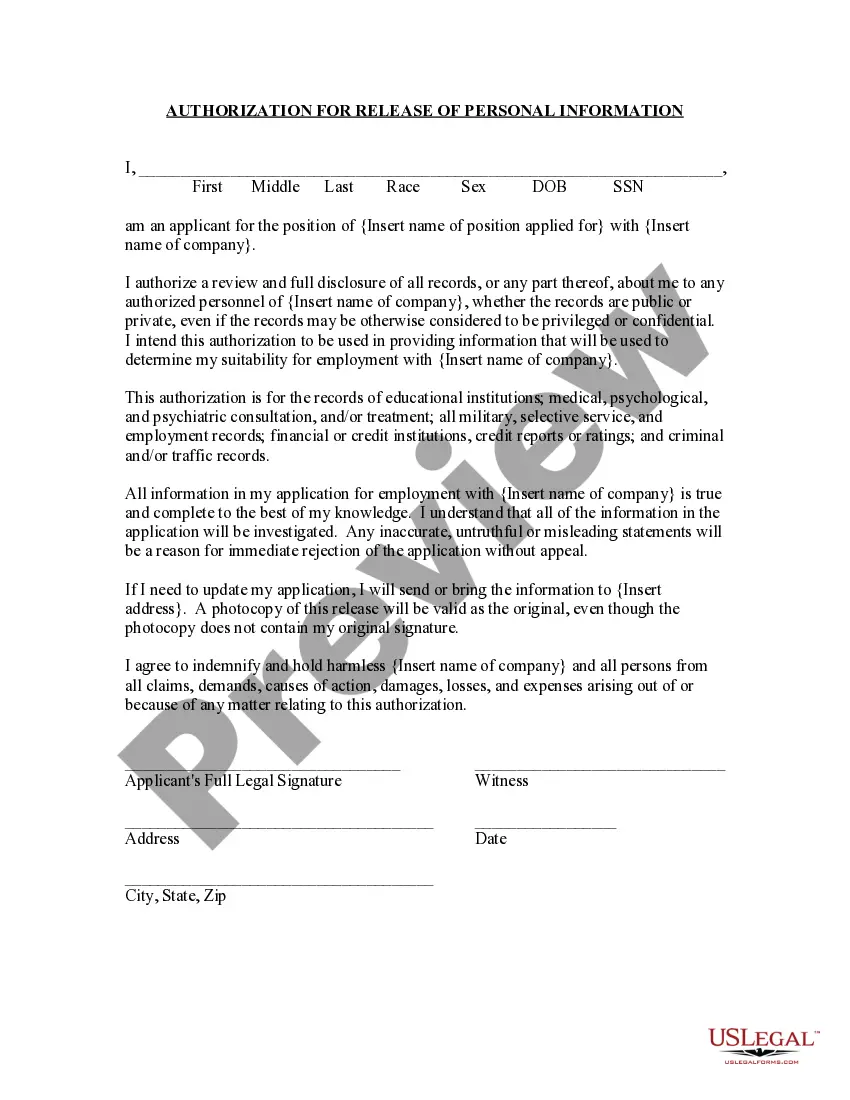
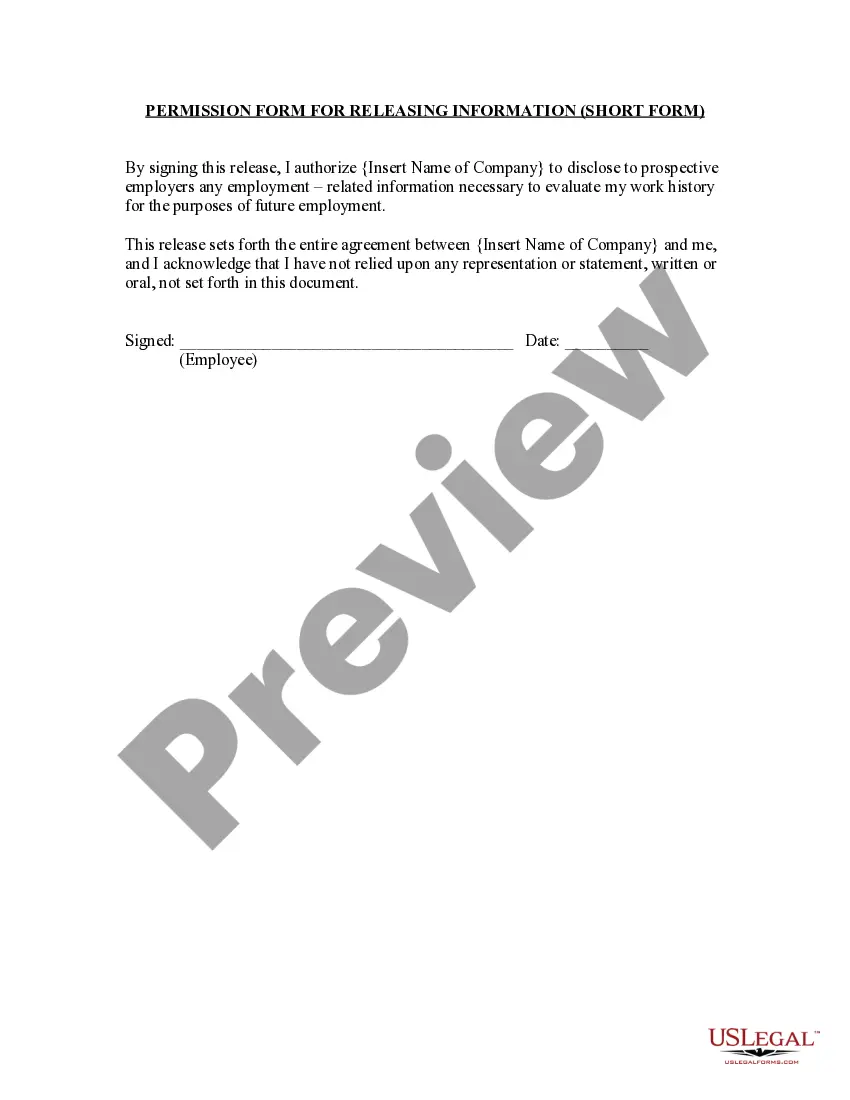
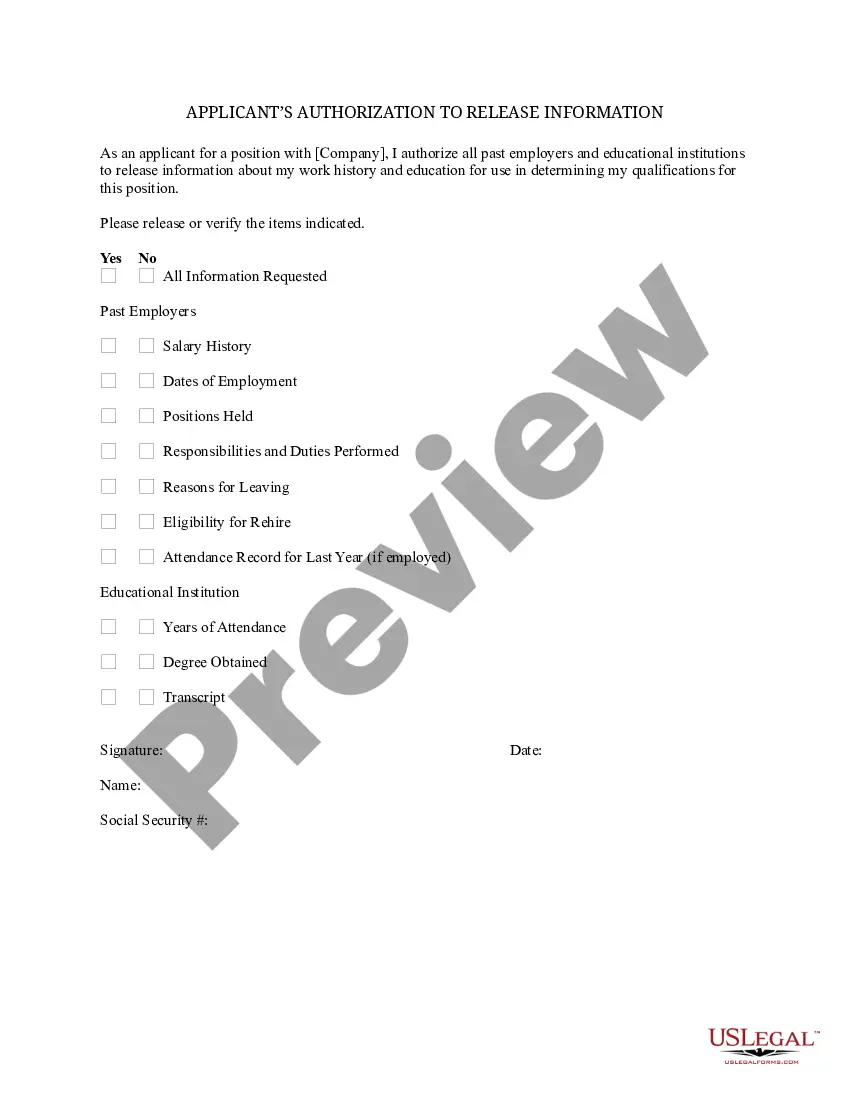
Get your form ready online
Our built-in tools help you complete, sign, share, and store your documents in one place.
Make edits, fill in missing information, and update formatting in US Legal Forms—just like you would in MS Word.
Download a copy, print it, send it by email, or mail it via USPS—whatever works best for your next step.
Sign and collect signatures with our SignNow integration. Send to multiple recipients, set reminders, and more. Go Premium to unlock E-Sign.
If this form requires notarization, complete it online through a secure video call—no need to meet a notary in person or wait for an appointment.
We protect your documents and personal data by following strict security and privacy standards.

Make edits, fill in missing information, and update formatting in US Legal Forms—just like you would in MS Word.

Download a copy, print it, send it by email, or mail it via USPS—whatever works best for your next step.

Sign and collect signatures with our SignNow integration. Send to multiple recipients, set reminders, and more. Go Premium to unlock E-Sign.

If this form requires notarization, complete it online through a secure video call—no need to meet a notary in person or wait for an appointment.

We protect your documents and personal data by following strict security and privacy standards.
Looking for another form?



Form popularity
FAQ
Contact Us - Records Information Office Records RequestsPhoneE-mail Felony Records Inquiry (214) 653-5950 dcrecordscriminal@dallascounty Civil and Family Records Inquiry (214) 653-6076 dcrecords@dallascounty Juvenile Courts Record Clerk (214) 698-4903 Online Document Access Issues dcinquiry@dallascounty
To submit a Public Records Request for the Ada County offices and departments listed below, fill out a General Request Form, being as specific as possible, and submit it online. For questions or assistance, contact the Ada County Prosecutor's Office at 208 287-7700.
The Texas Public Information Act, Chapter 552 of the Texas Government Code (the “PIA”), gives the public the right to access government records that are collected, assembled, and maintained by governmental bodies.
Release of information (ROI) in healthcare is critical to the quality of the continuity of care provided to the patient. It also plays an important role in billing, reporting, research, and other functions.
By signing an authorization to release information, a party is consenting to provide another party with access to otherwise confidential information or records about an individual. However, signing a release doesn't mean the complete loss of confidentiality because most authorization forms are subject to limitations.
Verifies that a record complies with mandatory field and unique index definitions. It clears the record from the buffer and unites it to the database if it has been changed.
Some common synonyms of disclose are betray, divulge, reveal, and tell. While all these words mean "to make known what has been or should be concealed," disclose may imply a discovering but more often an imparting of information previously kept secret.
The primary purpose of a release of information form is to protect the patient's privacy and ensure that their medical information is only shared with their consent. It empowers patients to control who has access to their personal health data and under what circumstances.
Here's what happens when a patient requests their medical records: Recording, Tracking and Verifying the Request. Retrieving Patient's PHI. Safeguarding Patient's Sensitive Information. Releasing Patient's PHI. Completing the Request and Preparing an Invoice.
Release of information (ROI) allows patients to release information from their medical records to authorized individuals or organizations.

