Speaker Engagement Speaking For Business 4th Edition In Maricopa
Description
Get your form ready online
Our built-in tools help you complete, sign, share, and store your documents in one place.
Make edits, fill in missing information, and update formatting in US Legal Forms—just like you would in MS Word.
Download a copy, print it, send it by email, or mail it via USPS—whatever works best for your next step.
Sign and collect signatures with our SignNow integration. Send to multiple recipients, set reminders, and more. Go Premium to unlock E-Sign.
If this form requires notarization, complete it online through a secure video call—no need to meet a notary in person or wait for an appointment.
We protect your documents and personal data by following strict security and privacy standards.

Make edits, fill in missing information, and update formatting in US Legal Forms—just like you would in MS Word.

Download a copy, print it, send it by email, or mail it via USPS—whatever works best for your next step.

Sign and collect signatures with our SignNow integration. Send to multiple recipients, set reminders, and more. Go Premium to unlock E-Sign.

If this form requires notarization, complete it online through a secure video call—no need to meet a notary in person or wait for an appointment.

We protect your documents and personal data by following strict security and privacy standards.
Looking for another form?


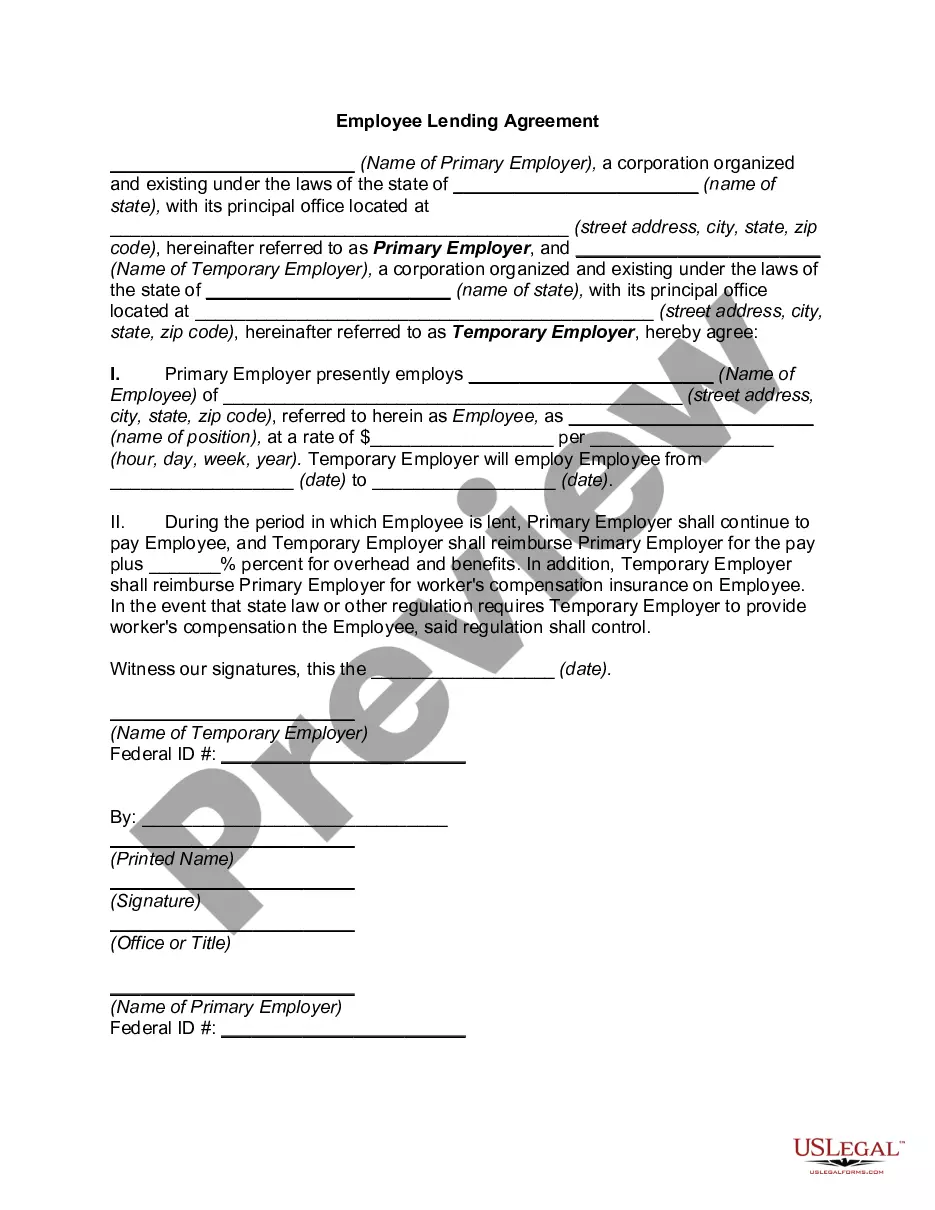


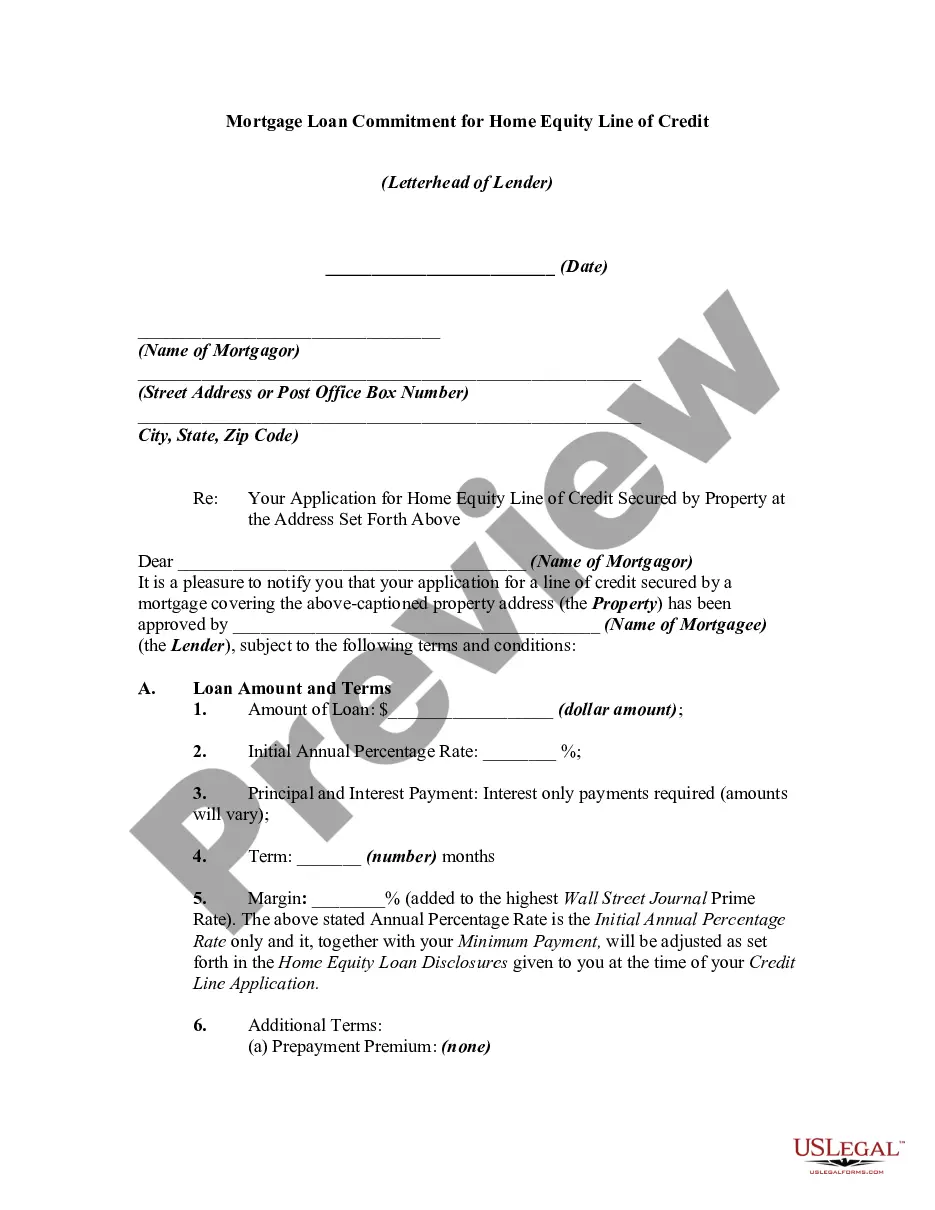

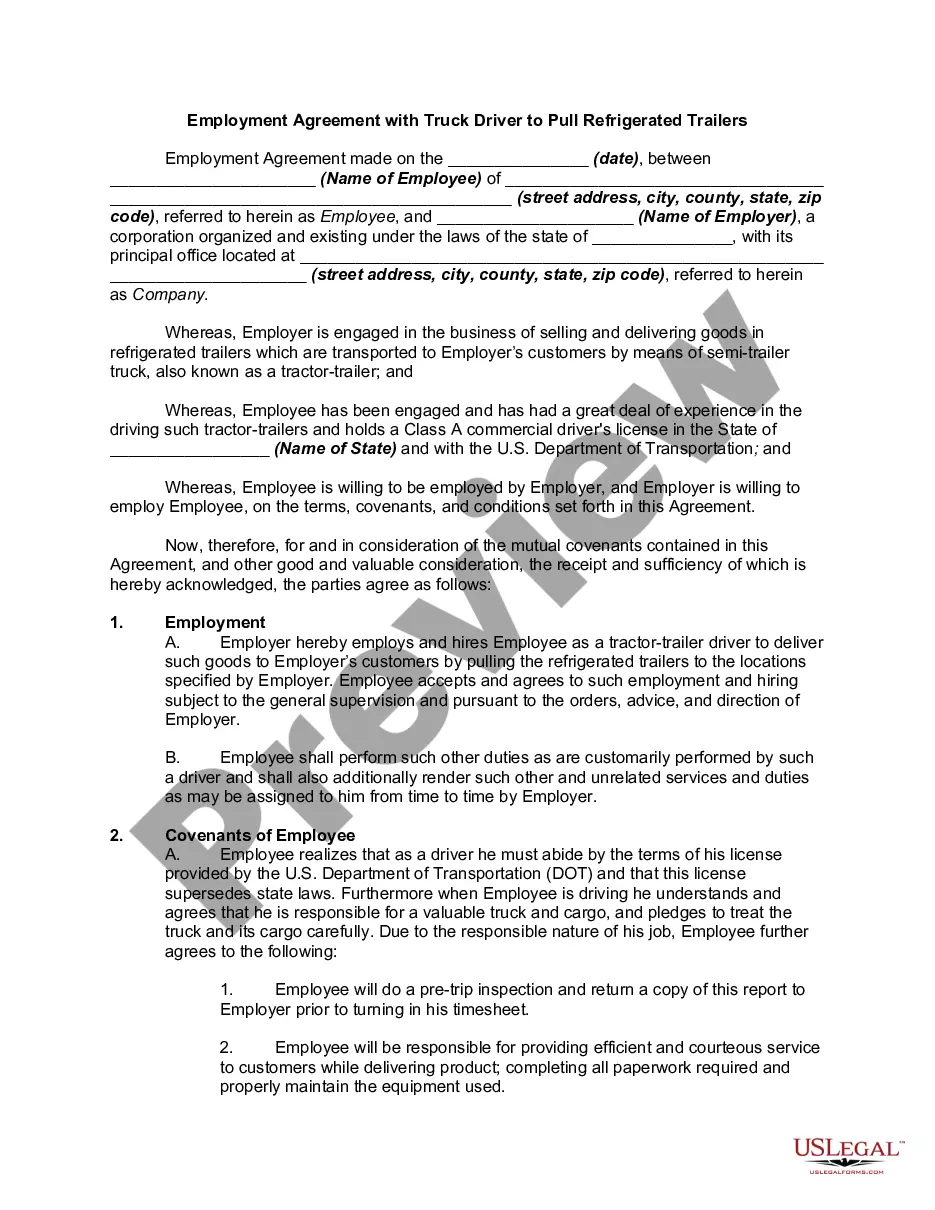


Form popularity
FAQ
Logical fallacies make an argument weak by using mistaken beliefs/ideas, invalid arguments, illogical arguments, and/or deceptiveness. If you are arguing, avoid fallacies of thought because they create weaknesses in an argument.
1 Ad hominem An ad hominem fallacy is one that attempts to invalidate an opponent's position based on a personal trait or fact about the opponent rather than through logic. Example: Katherine is a bad choice for mayor because she didn't grow up in this town.
A fallacy is an illogical step in the formulation of an argument. An argument in academic writing is essentially a conclusion or claim, with assumptions or reasons to support that claim. For example, "Blue is a bad color because it is linked to sadness" is an argument because it makes a claim and offers support for it.
Example: “People have been trying for centuries to prove that God exists. But no one has yet been able to prove it. Therefore, God does not exist.” Here's an opposing argument that commits the same fallacy: “People have been trying for years to prove that God does not exist. But no one has yet been able to prove it.
FALLACIES THAT MISUSE APPEALS TO LOGOS Begging the question: circular argument because the premise is the same as the claim that you are trying to prove. Example: “This legislation is sinful because it is the wrong thing to do.” Example: “Either we pass this ordinance or there will be rioting in the streets.”
The figure-of-speech fallacy is the special case arising from confusion between the ordinary sense of a word and its metaphorical, figurative, or technical employment (example: “For the past week Joan has been living on the heights of ecstasy.” “And what is her address there?”).
Noun. a fallacy in logical argumentation.
Logical fallacies make an argument weak by using mistaken beliefs/ideas, invalid arguments, illogical arguments, and/or deceptiveness. If you are arguing, avoid fallacies of thought because they create weaknesses in an argument. Here are some of the most common fallacies to be aware of.
It's a key aspect of critical thinking , and it can help you to avoid falling prey to news . If you're taken in by a logical fallacy, false conclusions might cause you to make decisions that you later regret. And using a logical fallacy in your own arguments can make you look gullible or uninformed.

