Suing An Estate Executor For Child Support In Mecklenburg
Description


Get your form ready online
Our built-in tools help you complete, sign, share, and store your documents in one place.
Make edits, fill in missing information, and update formatting in US Legal Forms—just like you would in MS Word.
Download a copy, print it, send it by email, or mail it via USPS—whatever works best for your next step.
Sign and collect signatures with our SignNow integration. Send to multiple recipients, set reminders, and more. Go Premium to unlock E-Sign.
If this form requires notarization, complete it online through a secure video call—no need to meet a notary in person or wait for an appointment.
We protect your documents and personal data by following strict security and privacy standards.
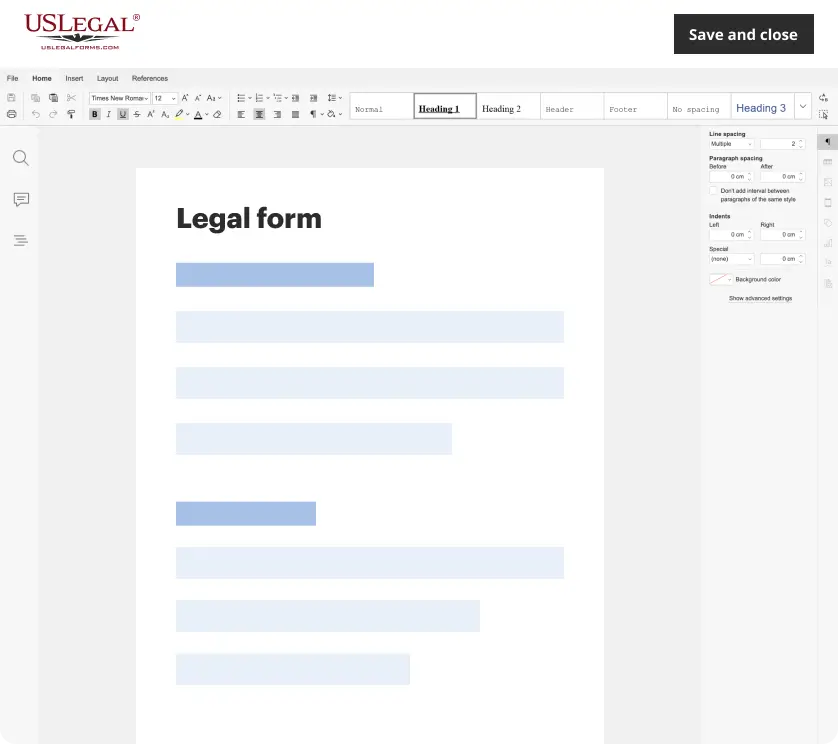
Make edits, fill in missing information, and update formatting in US Legal Forms—just like you would in MS Word.
Download a copy, print it, send it by email, or mail it via USPS—whatever works best for your next step.
Sign and collect signatures with our SignNow integration. Send to multiple recipients, set reminders, and more. Go Premium to unlock E-Sign.

If this form requires notarization, complete it online through a secure video call—no need to meet a notary in person or wait for an appointment.

We protect your documents and personal data by following strict security and privacy standards.
Looking for another form?
Form popularity
FAQ
An estate beneficiary has a right to sue the executor or administrator if they are not competently doing their job or are engaged in fiduciary misconduct.
If an executor in California commits misconduct while handling the estate of a deceased person, the heirs and beneficiaries may be able to get their rightful assets back by filing a lawsuit against the executor.
If the executor fails to meet their legal obligations, a beneficiary can sue them for breach of fiduciary duty. If there are multiple beneficiaries, all must agree on whether to sue an executor.
If an executor does not do their job the right way, the beneficiaries of the Will can potentially sue for “breach of fiduciary duty”. In that instance, the executor can be held personally liable to all of the beneficiaries under the Will.
An heir or beneficiary who thinks the executor is not doing as the will directs or is not acting in the interest of the estate has the right to appeal to the probate court.
The Executor is responsible for many decisions throughout the Estate administration process and has a duty, and is liable, to ensure that they act in the best interests of the Estate; and not their own.
If an executor in California commits misconduct while handling the estate of a deceased person, the heirs and beneficiaries may be able to get their rightful assets back by filing a lawsuit against the executor.
Do All Estates Have to Go Through Probate in North Carolina? Smaller estates with probate-qualified assets valued at less than $20,000 can avoid the formal probate proceeding.
If the responsibilities of the attorney are limited to assisting the executor with the estate administration process, then the North Carolina statutory law provides that the attorney's fees must be reasonable and not exceed 5% of the estate. Furthermore, the fees will offset the executor's commission.
The probate process for a regular estate in North Carolina typically takes six to 12 months. However, this timeline can vary depending on the complexity of the estate. For example, if there are many properties, no will, or numerous heirs, the process may take longer, up to 18 months or more.

