Agreement Letter With Witness In Wayne
Description
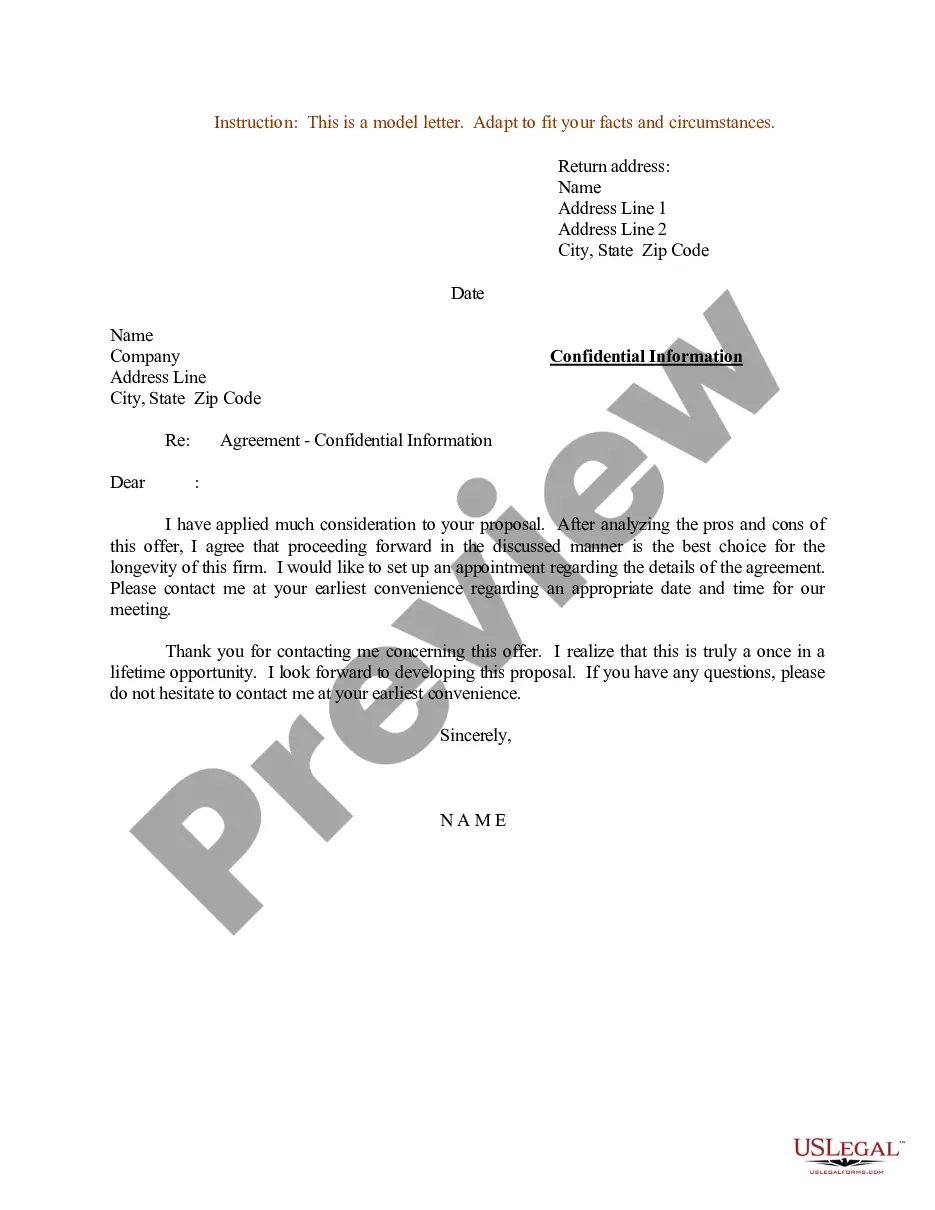
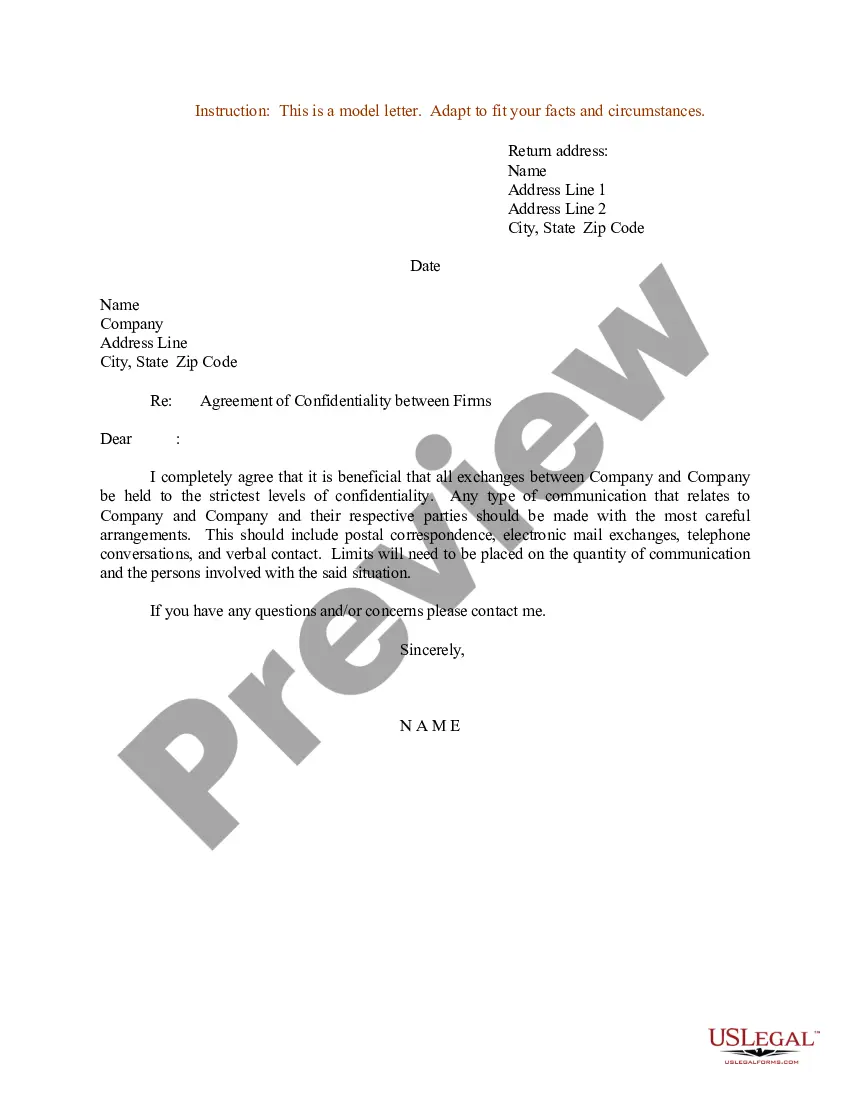
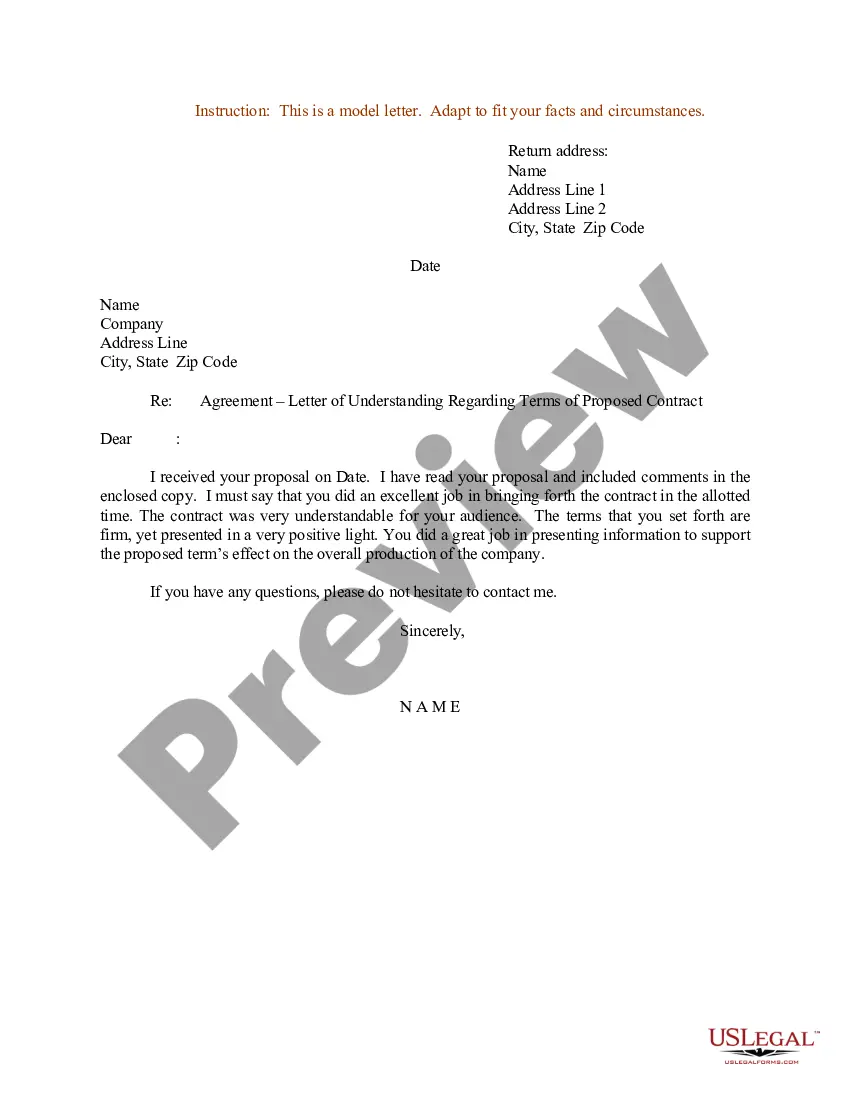
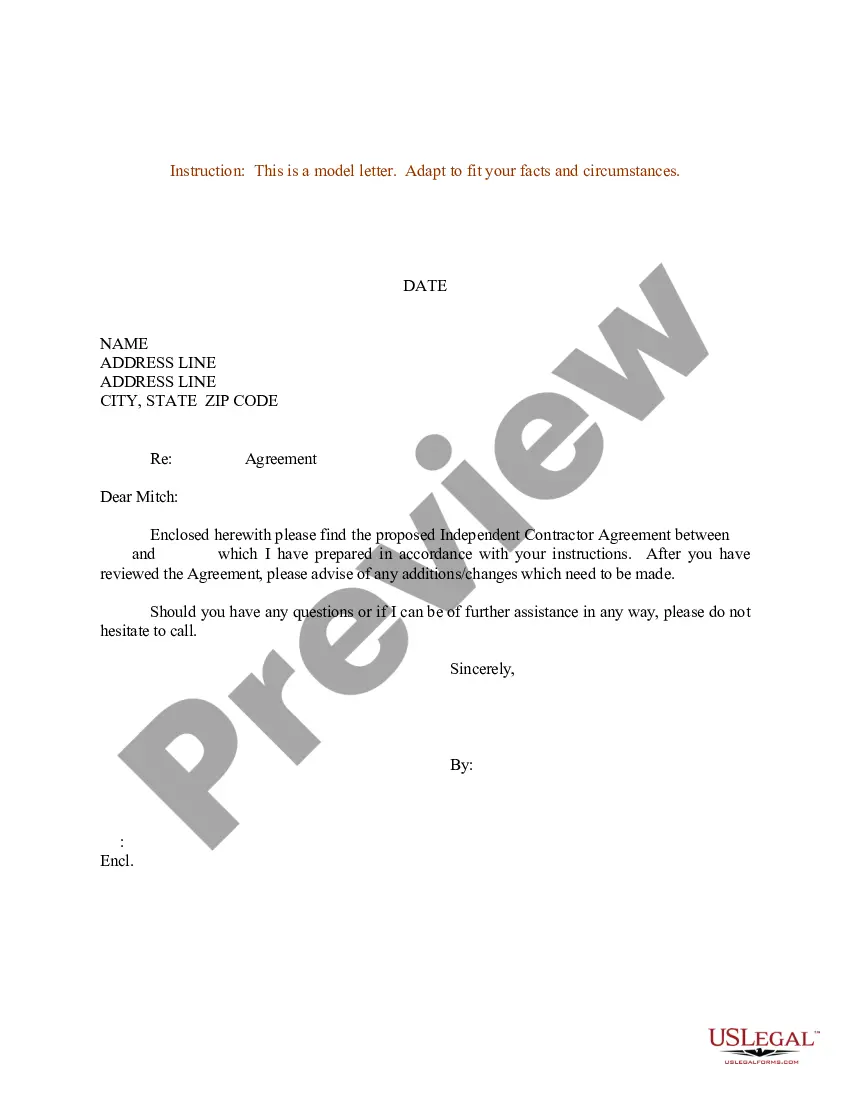
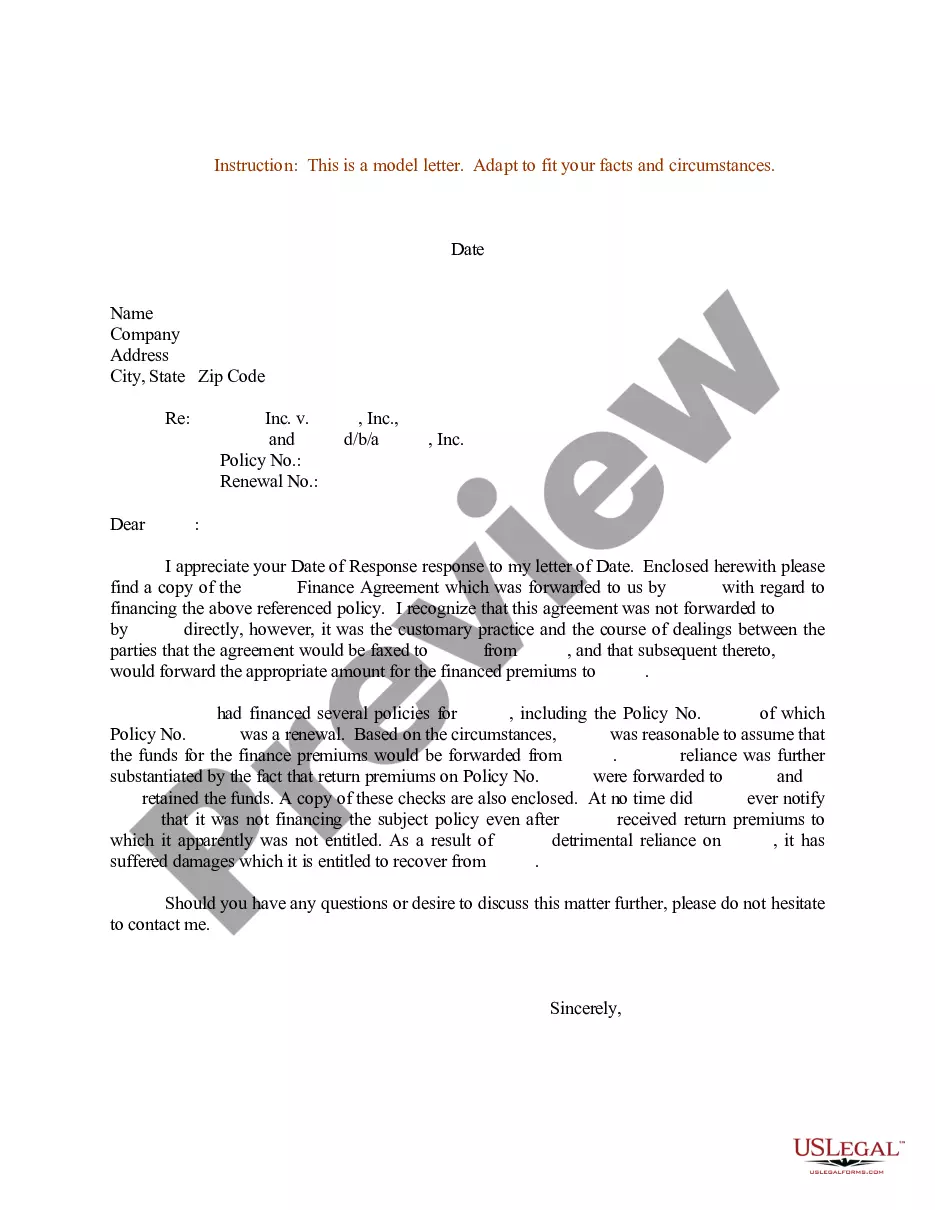
Get your form ready online
Our built-in tools help you complete, sign, share, and store your documents in one place.
Make edits, fill in missing information, and update formatting in US Legal Forms—just like you would in MS Word.
Download a copy, print it, send it by email, or mail it via USPS—whatever works best for your next step.
Sign and collect signatures with our SignNow integration. Send to multiple recipients, set reminders, and more. Go Premium to unlock E-Sign.
If this form requires notarization, complete it online through a secure video call—no need to meet a notary in person or wait for an appointment.
We protect your documents and personal data by following strict security and privacy standards.

Make edits, fill in missing information, and update formatting in US Legal Forms—just like you would in MS Word.

Download a copy, print it, send it by email, or mail it via USPS—whatever works best for your next step.

Sign and collect signatures with our SignNow integration. Send to multiple recipients, set reminders, and more. Go Premium to unlock E-Sign.

If this form requires notarization, complete it online through a secure video call—no need to meet a notary in person or wait for an appointment.

We protect your documents and personal data by following strict security and privacy standards.
Looking for another form?





Form popularity
FAQ
Any witness to the execution of a dealing or other instrument must be a person who: is at least 18 years of age. is not a party to the dealing or instrument and. was present at the signing of the dealing or instrument.
Not all contracts need a witness. For example, a simple agreement between two parties likely will not need a witness, although it is in your best interest to have one. However, certain contracts will need a witness. For example, a deed or a will both need witnesses.
A contract that has been signed but not witnessed is valid unless it can be proven in court that the signature was forged.
Two independent witnesses are typically required, one each from the buyer and seller side.
Where you need a witness, you must be over 18 years of age and not stand to benefit from the business deal. Witnessing requirements are in place to limit future disputes over whether you actually signed the document.
A witness can be anyone over 18 with no personal interest in the signed document and is competent to testify in court. The purpose of signature witnessing is to prevent fraud and ensure that the signatory is fully aware of the legal consequences of the document they are signing.
Generally speaking, a witness can be anyone who's not a party to the deal or with an interest in the deal. This CAN be a spouse or family member and in practice oftentimes it is.
Typically, an ordinary witness is acceptable – a person who is over the age of 18, possesses the capacity to understand the process, and can verify the identity of the signatory. Certain documents, however, may require a witness with specific qualifications.
To begin your character witness letter, start with your contact information. This includes your full name, your company, and/or title, address, email, phone number, and date you are writing the letter on. This belongs on the left hand side of your document.
Under Article 1318 of the Civil Code, the following are the essential requisites of a valid contract: 1) the consent of the contracting parties, 2) the object certain which is the subject matter of the contract, and 3) the cause of the obligation which is established.

