Agreement Letter For Utang In Santa Clara
Description
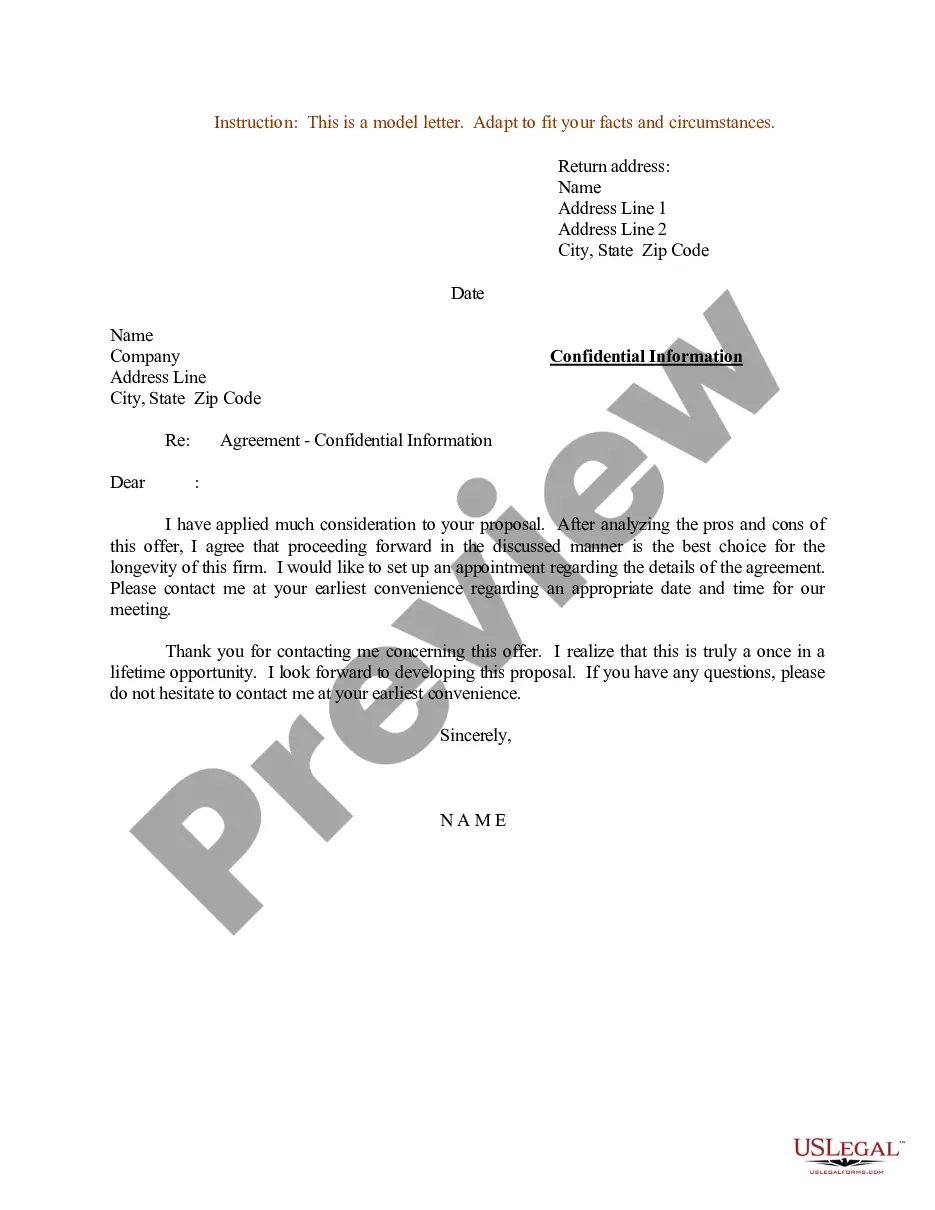
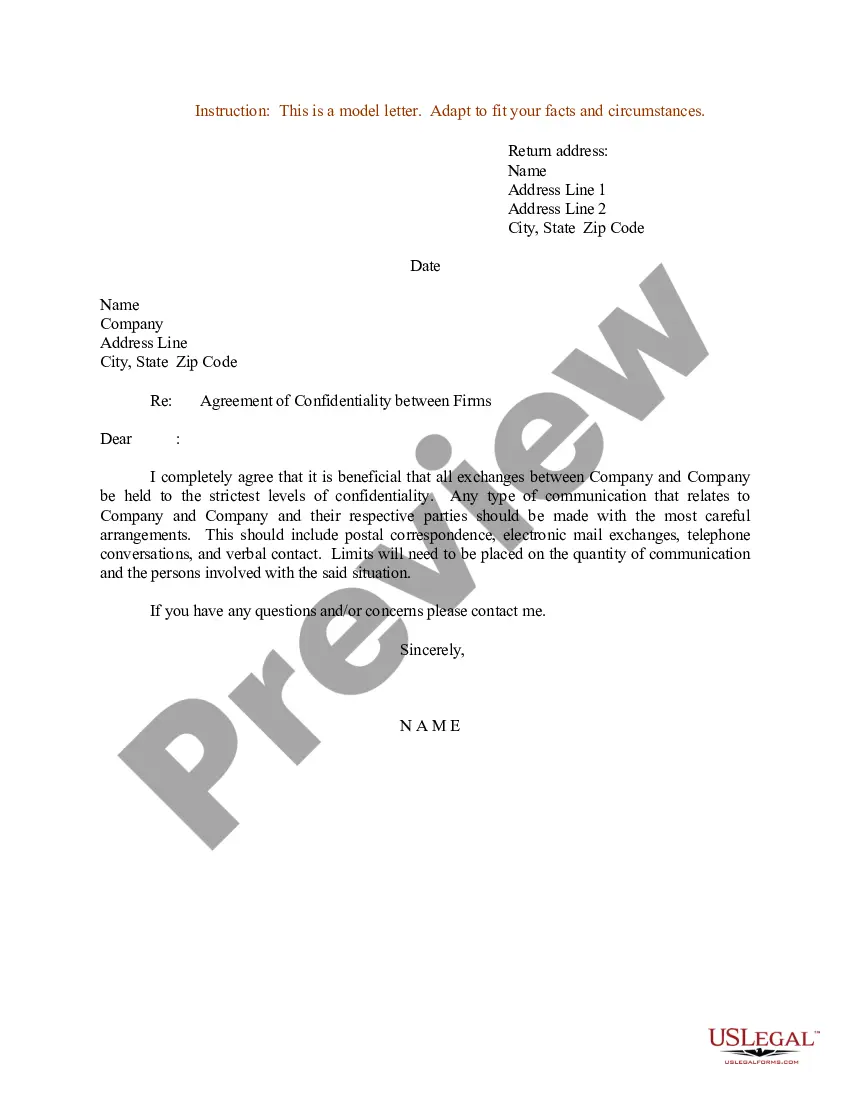
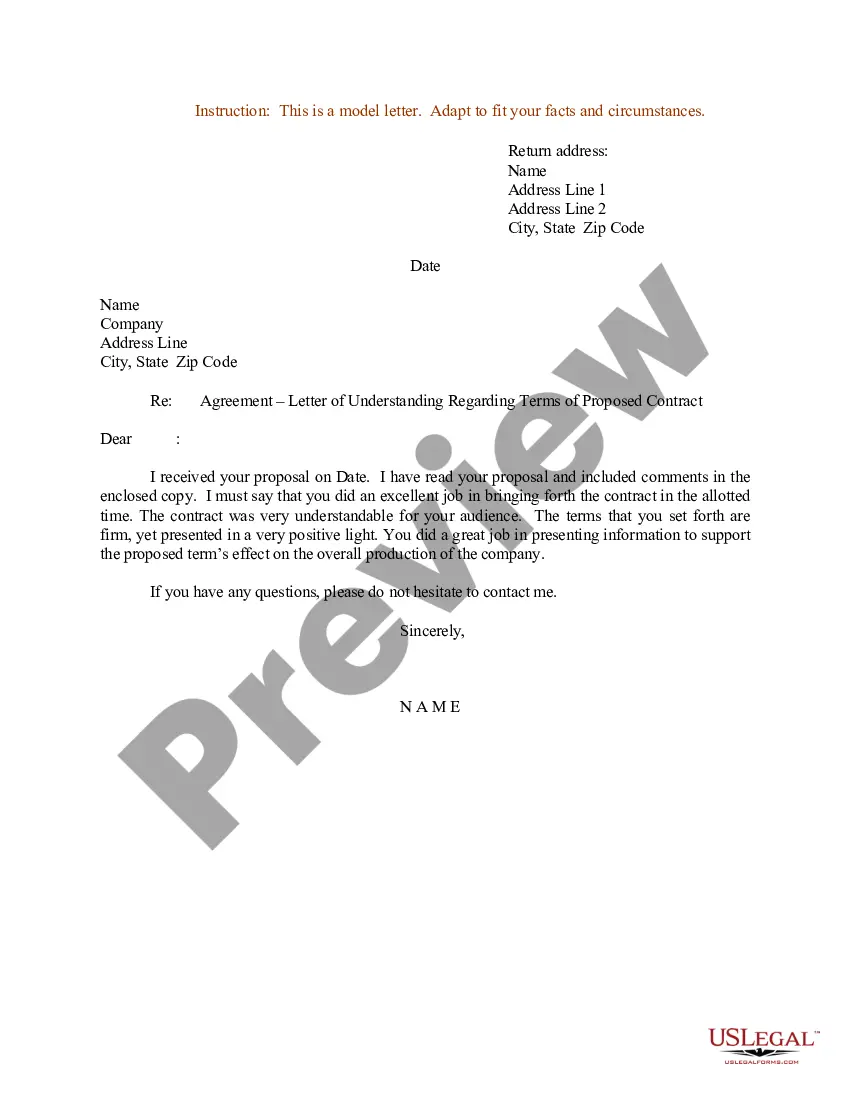
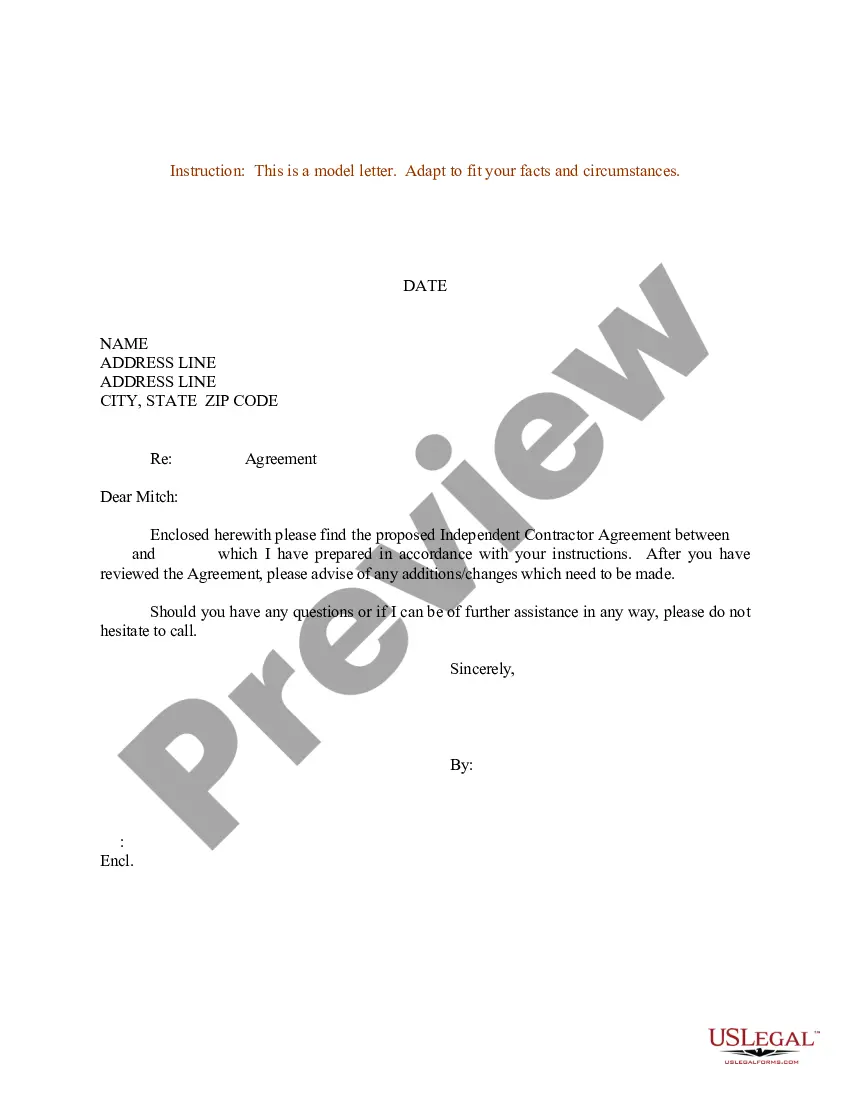
Get your form ready online
Our built-in tools help you complete, sign, share, and store your documents in one place.
Make edits, fill in missing information, and update formatting in US Legal Forms—just like you would in MS Word.
Download a copy, print it, send it by email, or mail it via USPS—whatever works best for your next step.
Sign and collect signatures with our SignNow integration. Send to multiple recipients, set reminders, and more. Go Premium to unlock E-Sign.
If this form requires notarization, complete it online through a secure video call—no need to meet a notary in person or wait for an appointment.
We protect your documents and personal data by following strict security and privacy standards.

Make edits, fill in missing information, and update formatting in US Legal Forms—just like you would in MS Word.

Download a copy, print it, send it by email, or mail it via USPS—whatever works best for your next step.

Sign and collect signatures with our SignNow integration. Send to multiple recipients, set reminders, and more. Go Premium to unlock E-Sign.

If this form requires notarization, complete it online through a secure video call—no need to meet a notary in person or wait for an appointment.

We protect your documents and personal data by following strict security and privacy standards.
Looking for another form?




Form popularity
FAQ
A default occurs when a defendant served with a complaint fails to file the appropriate responsive paper within the time specified in the summons. (Code Civ. Proc., §§ 585–586.) The plaintiff must generally request entry of default within 10 days of defendant's default.
Default judgments happen when you don't respond to a lawsuit — often from a debt collector — and a judge resolves the case without hearing your side. In effect, you're found guilty because you never entered a defense.
Most often, it is a judgment in favor of a plaintiff when the defendant has not responded to a summons or has failed to appear before a court of law. The failure to take action is the default. The default judgment is the relief requested in the party's original petition.
Tells the court that you had legal papers in a civil case - other than a summons - delivered to (served on) the other party. Lists the papers that were served and tells who they were served on, where, when, and how they were served, and who served them.
If the plaintiff's request is granted and default is entered, the plaintiff may apply to obtain a default judgment by clerk or by court. The plaintiff has 45 days to obtain a default judgment against the defaulting defendant unless the court has granted an extension of time.
A default judgment (also known as judgment by default ) is a ruling granted by a judge or court in favor of a plaintiff in the event that the defendant in a legal case fails to respond to a court summons or does not appear in court.
Obtain copies of divorce records 201 North First Street. San Jose, CA 95113. (408) 882-2926. santaclaraurts.ca.
Memoranda of Understanding (MOUs) are collective bargaining agreements between the County of Monterey and the unions/ associations that represent County employees.
A memorandum of agreement (MOA) to be signed by an employer and union to extend the terms of an expiring collective bargaining agreement (CBA) for a specified period while the parties continue negotiations for a new CBA.
Since MOUs typically aren't legally binding, signing one won't make it enforceable in court. But a memorandum of understanding still needs to be signed by all relevant parties and each signer should be officially authorized to sign for the party they're representing.

