Agreement Letter For House Rent In Collin
Description
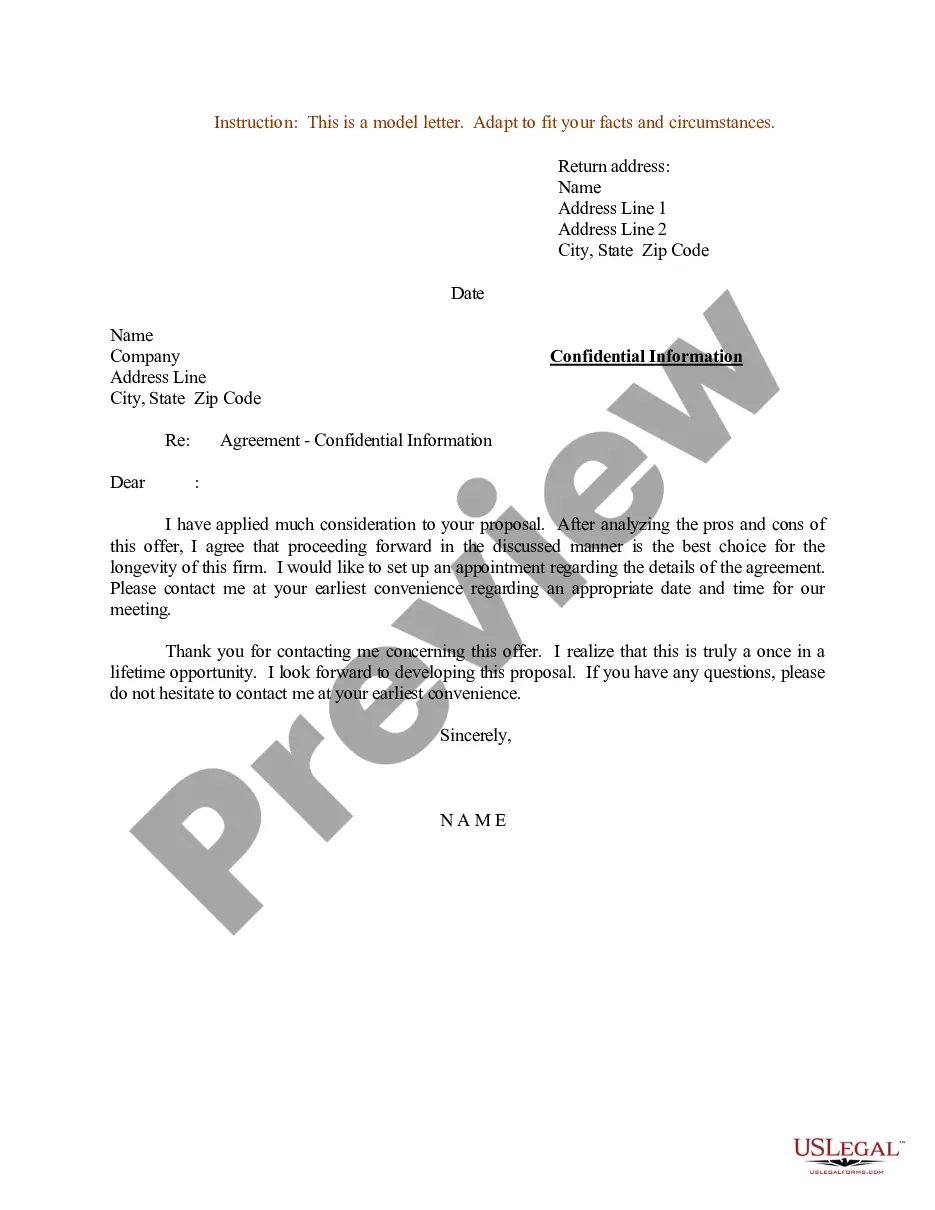
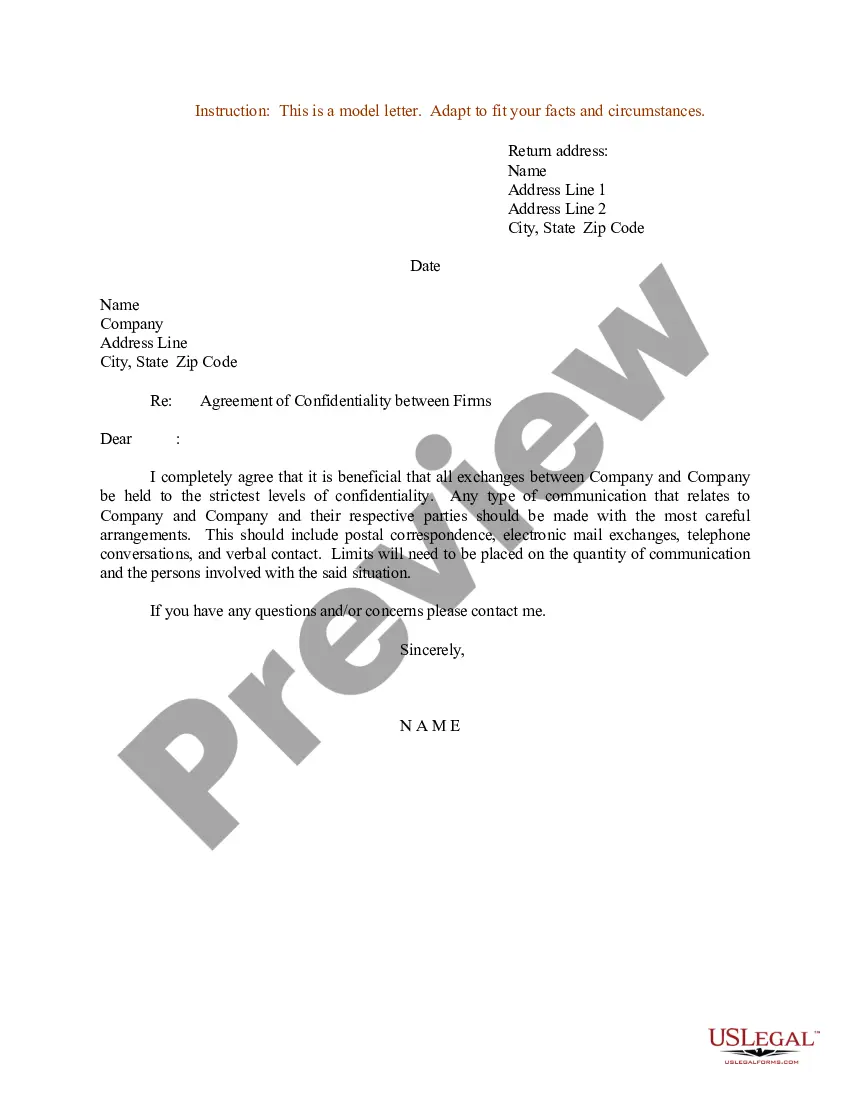
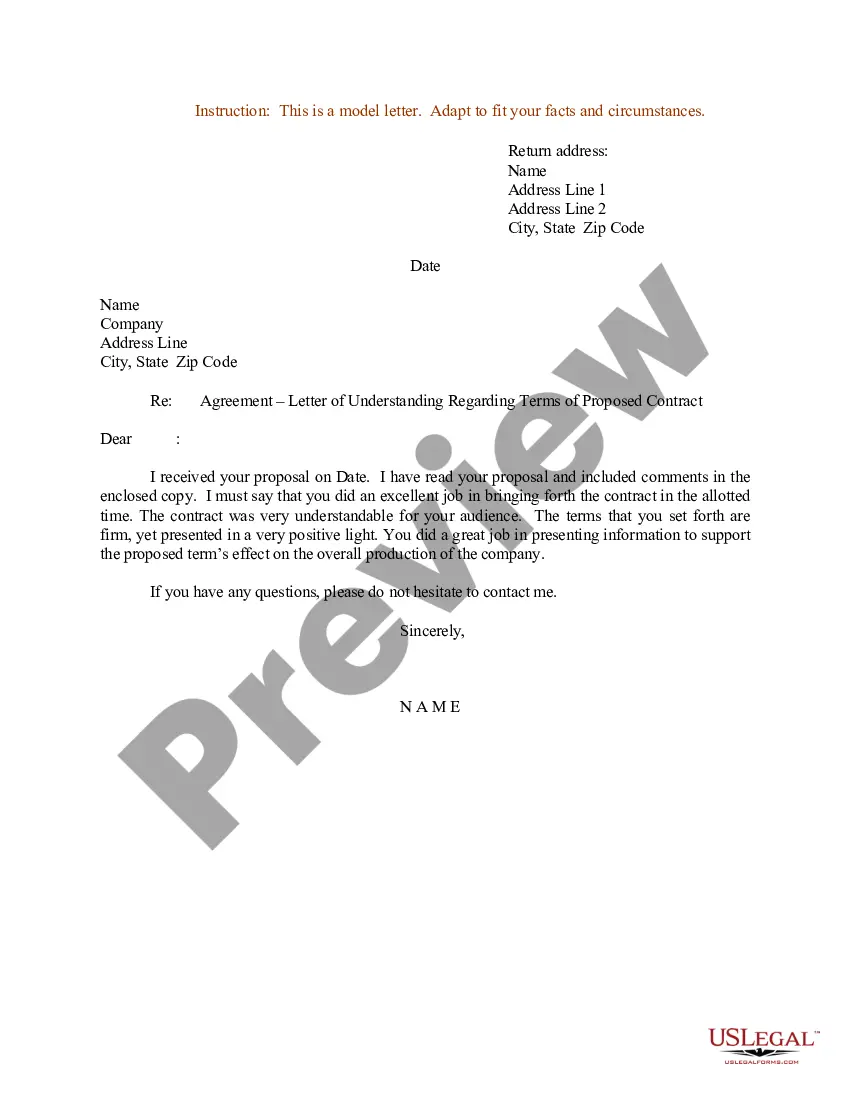
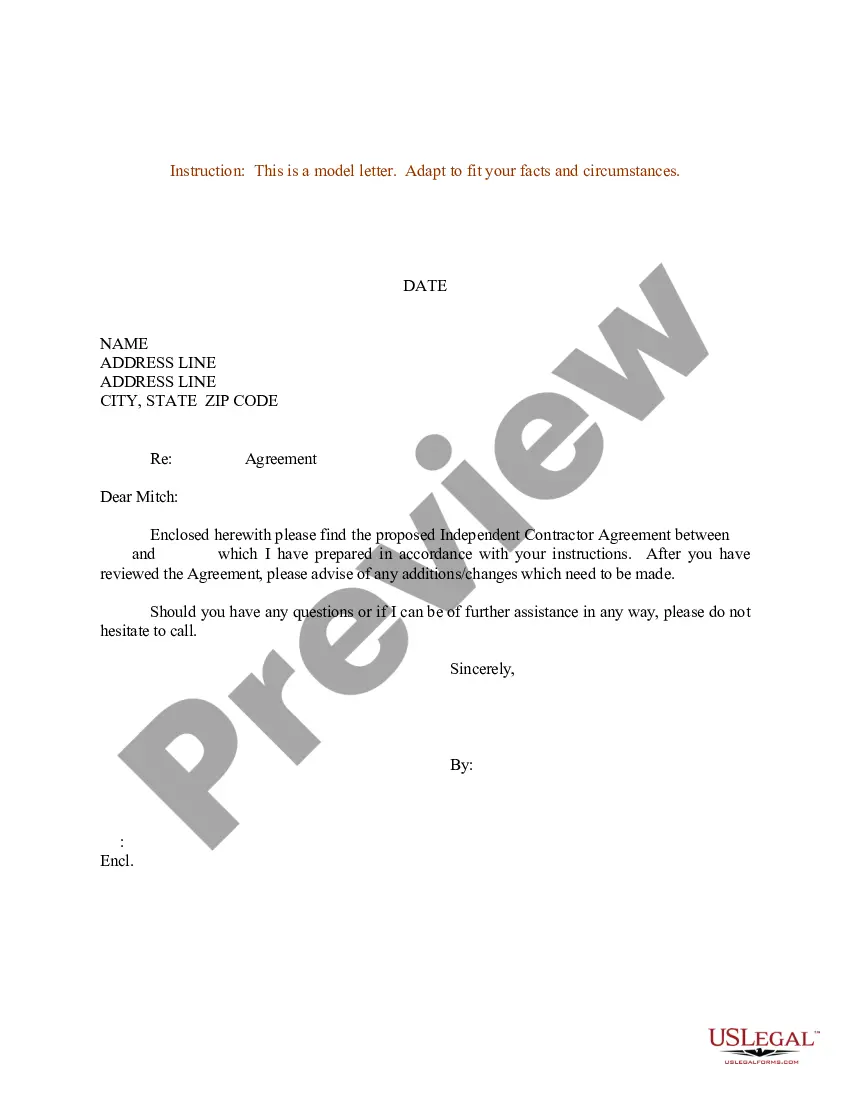
Get your form ready online
Our built-in tools help you complete, sign, share, and store your documents in one place.
Make edits, fill in missing information, and update formatting in US Legal Forms—just like you would in MS Word.
Download a copy, print it, send it by email, or mail it via USPS—whatever works best for your next step.
Sign and collect signatures with our SignNow integration. Send to multiple recipients, set reminders, and more. Go Premium to unlock E-Sign.
If this form requires notarization, complete it online through a secure video call—no need to meet a notary in person or wait for an appointment.
We protect your documents and personal data by following strict security and privacy standards.

Make edits, fill in missing information, and update formatting in US Legal Forms—just like you would in MS Word.

Download a copy, print it, send it by email, or mail it via USPS—whatever works best for your next step.

Sign and collect signatures with our SignNow integration. Send to multiple recipients, set reminders, and more. Go Premium to unlock E-Sign.

If this form requires notarization, complete it online through a secure video call—no need to meet a notary in person or wait for an appointment.

We protect your documents and personal data by following strict security and privacy standards.
Looking for another form?

Form popularity
FAQ
Letters of confirmation are issued by e-mail or post, depending on the preferred method of communication chosen by the landlord/agent. Confirmation letters for tenants are typically issued via post, unless the RTB receives a request by the tenant to issue confirmation letters via email.
Letters of confirmation are issued by e-mail or post, depending on the preferred method of communication chosen by the landlord/agent. Confirmation letters for tenants are typically issued via post, unless the RTB receives a request by the tenant to issue confirmation letters via email.
When writing a letter to your landlord, be sure to include the following elements: Your full name and rental address. The date of the letter. A clear and concise subject line. A polite and professional tone throughout the letter. Specific details about your request or concern. A proposed solution or timeline, if applicable.
Getting a landlord reference letter can be straightforward if you follow the right steps. Once you decide to move, inform your current landlord and ask for a reference letter. Giving them enough time to prepare the letter will likely result in a more positive and in-depth reference.
Opening Paragraph: State the purpose of the letter and confirm the tenant's residency. Middle Paragraph: Provide details about the lease term, move-in date, and monthly rent amount. Closing Paragraph: Confirm the tenant's payment history and offer your contact information for further inquiries.
What needs to be included in a tenancy agreement? The landlord's name and address. The tenant's name and address. The address of the property which is being let. The date the tenancy began (or will begin) Who else is allowed to use the property. If you allow pets or animals.
Notice to Vacate Letter: How to Write One (Templates & Tips) Tenant Information. Landlord or Property Manager Information. Date of the Letter. Intended Move-Out Date. Reason for Leaving (Optional) Request for a Move-Out Inspection. Forwarding Address (Optional) Signature.
Use a professional tone when writing a letter to request repairs. State clearly what needs repair, why it's needed, and include a deadline for completing it. Also, consider including a reminder that repairs may need to be completed for the tenant to remain compliant with their lease agreement.
Make your points clearly, with specific detail, as briefly as possible. Be polite and respectful in your letter. Presume that your landlord will do the right thing, operate in good faith, and behave like a professional. Set a good example for your landlord to follow.

