Agreement Letter For Teacher In California
Description


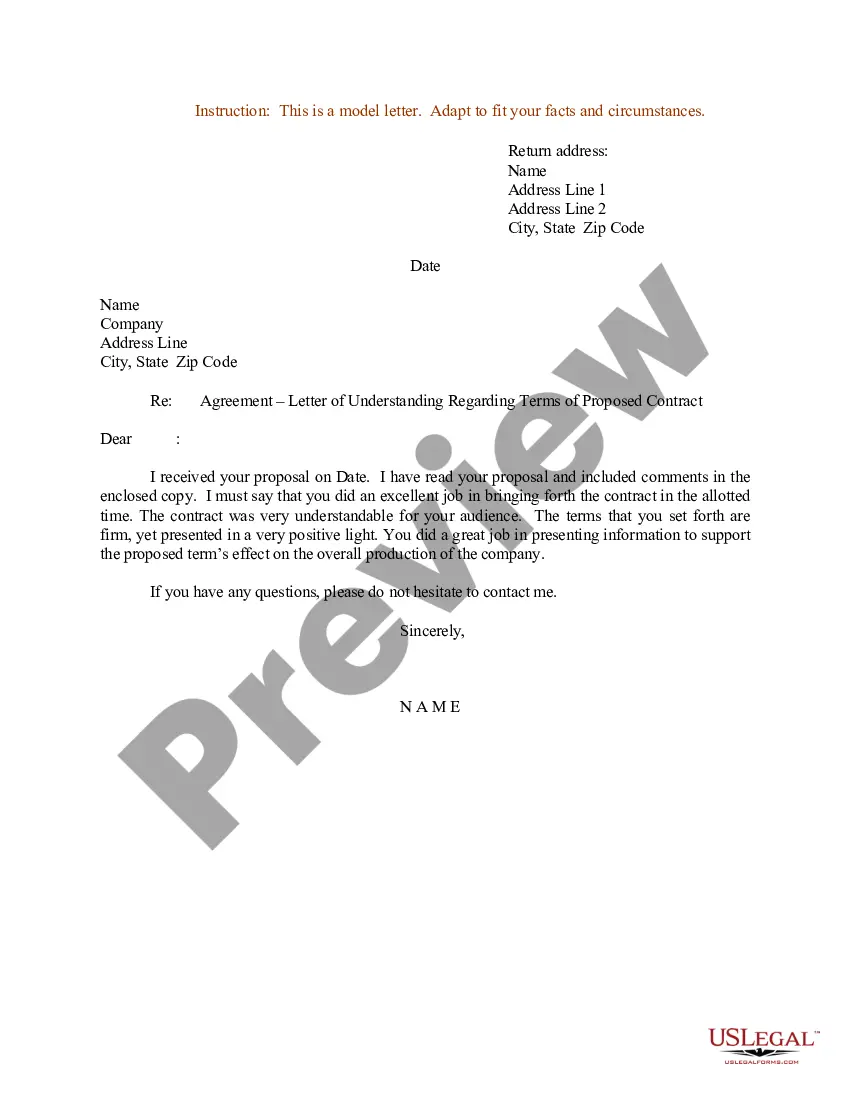
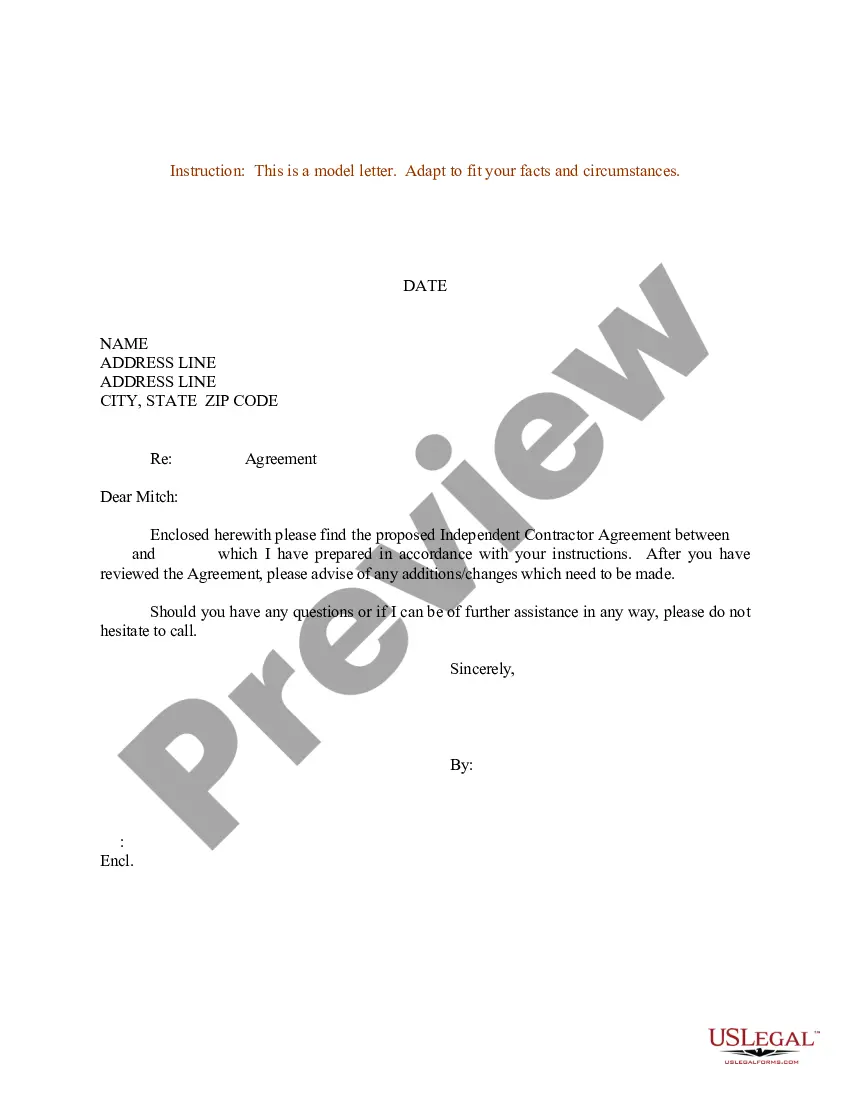
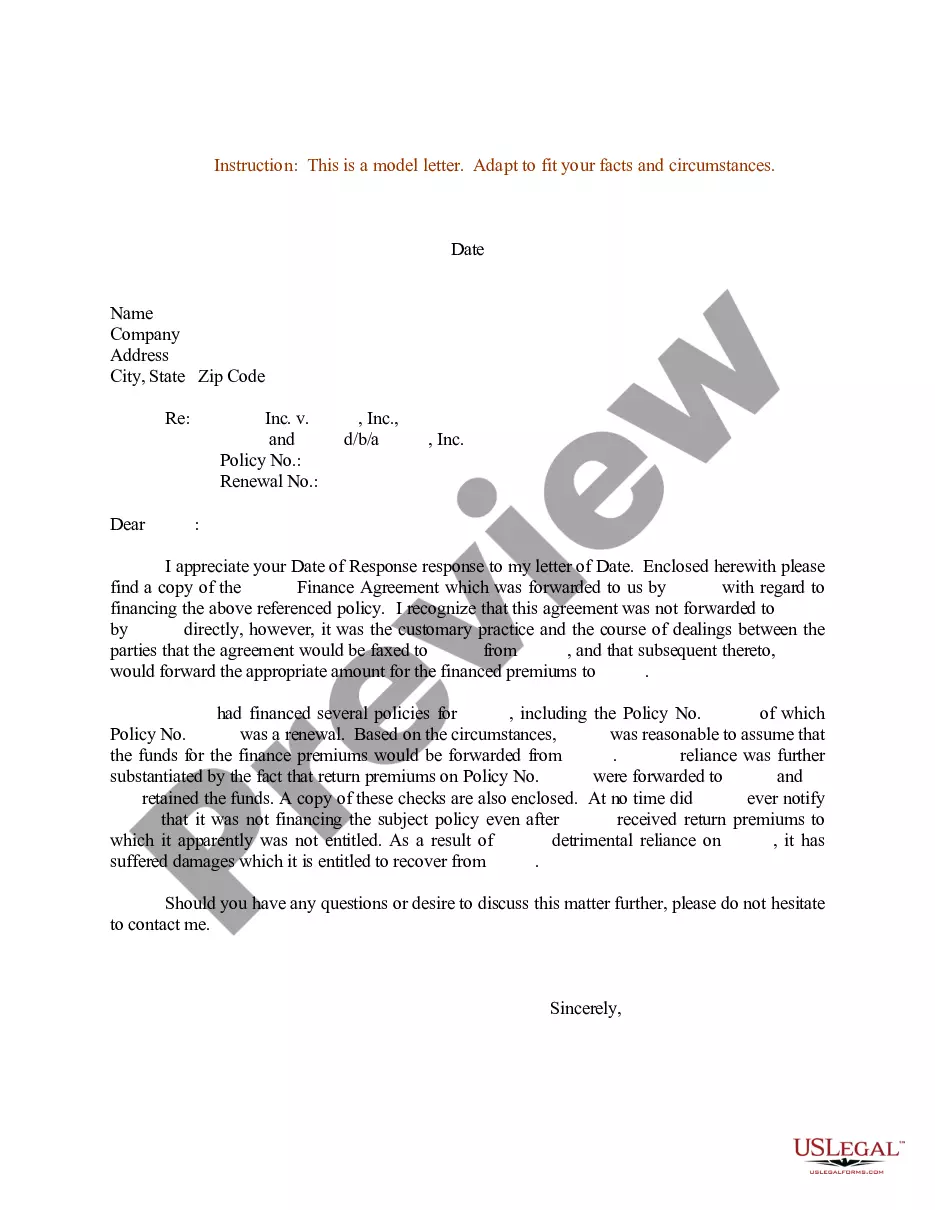
Get your form ready online
Our built-in tools help you complete, sign, share, and store your documents in one place.
Make edits, fill in missing information, and update formatting in US Legal Forms—just like you would in MS Word.
Download a copy, print it, send it by email, or mail it via USPS—whatever works best for your next step.
Sign and collect signatures with our SignNow integration. Send to multiple recipients, set reminders, and more. Go Premium to unlock E-Sign.
If this form requires notarization, complete it online through a secure video call—no need to meet a notary in person or wait for an appointment.
We protect your documents and personal data by following strict security and privacy standards.

Make edits, fill in missing information, and update formatting in US Legal Forms—just like you would in MS Word.

Download a copy, print it, send it by email, or mail it via USPS—whatever works best for your next step.

Sign and collect signatures with our SignNow integration. Send to multiple recipients, set reminders, and more. Go Premium to unlock E-Sign.

If this form requires notarization, complete it online through a secure video call—no need to meet a notary in person or wait for an appointment.

We protect your documents and personal data by following strict security and privacy standards.
Looking for another form?

Form popularity
FAQ
It's not complicated. You need to enroll in a year-long credential program at a university, half of which will involve an unpaid student teaching internship, and pass several state tests. THEN you can apply to districts while your credential is in pending status.
Can I Teach Without a Degree? Standards for teachers are higher than ever. All states require teachers to have a license to teach in the public school systems. A bachelor's degree is also considered a minimum requirement for full-time teachers in K-12 schools across the country.
Salutation: Start with a polite greeting. - Example: ``Dear (Teacher's Name),'' Introduction: Introduce yourself if necessary and state the purpose of your letter. - Example: ``I hope this letter finds you well. Body: Share your thoughts, experiences, or compliments.
How to Become a Teacher in California Get a Bachelor's Degree. To become a teacher in California, you need to complete an undergraduate degree program from an accredited college or university. Complete 600 Hours of Student Teaching. Pass a Background Check. Take the Required Exams. Obtain Your Teaching License.
To teach in California, you will need to earn a credential by completing a Commission-approved teacher preparation program. There are several pathways to choose from. While each has benefits, certain pathways provide particularly strong clinical practice (field experience) to prospective teachers.
A teacher's employment contract is a legally binding agreement. This agreement is between a teacher and a public school or school system. It's important to review your contract when you accept a new teaching position.
In general, however, teachers in California are required to complete five years of postsecondary education and training. Traditionally, many aspiring teachers have satisfied this requirement by earning a bachelor's degree, then obtaining credentials and, potentially, a master's or doctorate degree.
Emergency 30-Day Substitute Teaching Permit This is the permit type used by most substitutes throughout the state. It authorizes the holder to serve as a day-to-day substitute teacher in any classroom in California, including preschool, kindergarten, and grades 1-12, or in classes organized primarily for adults.
To earn a preliminary teaching credential, a teacher must have: A bachelor's degree. Completed an accredited teacher preparation program. Completed 600 hours of student teaching. Been fingerprinted and passed a background check. Taken required tests or completed university-approved coursework.

