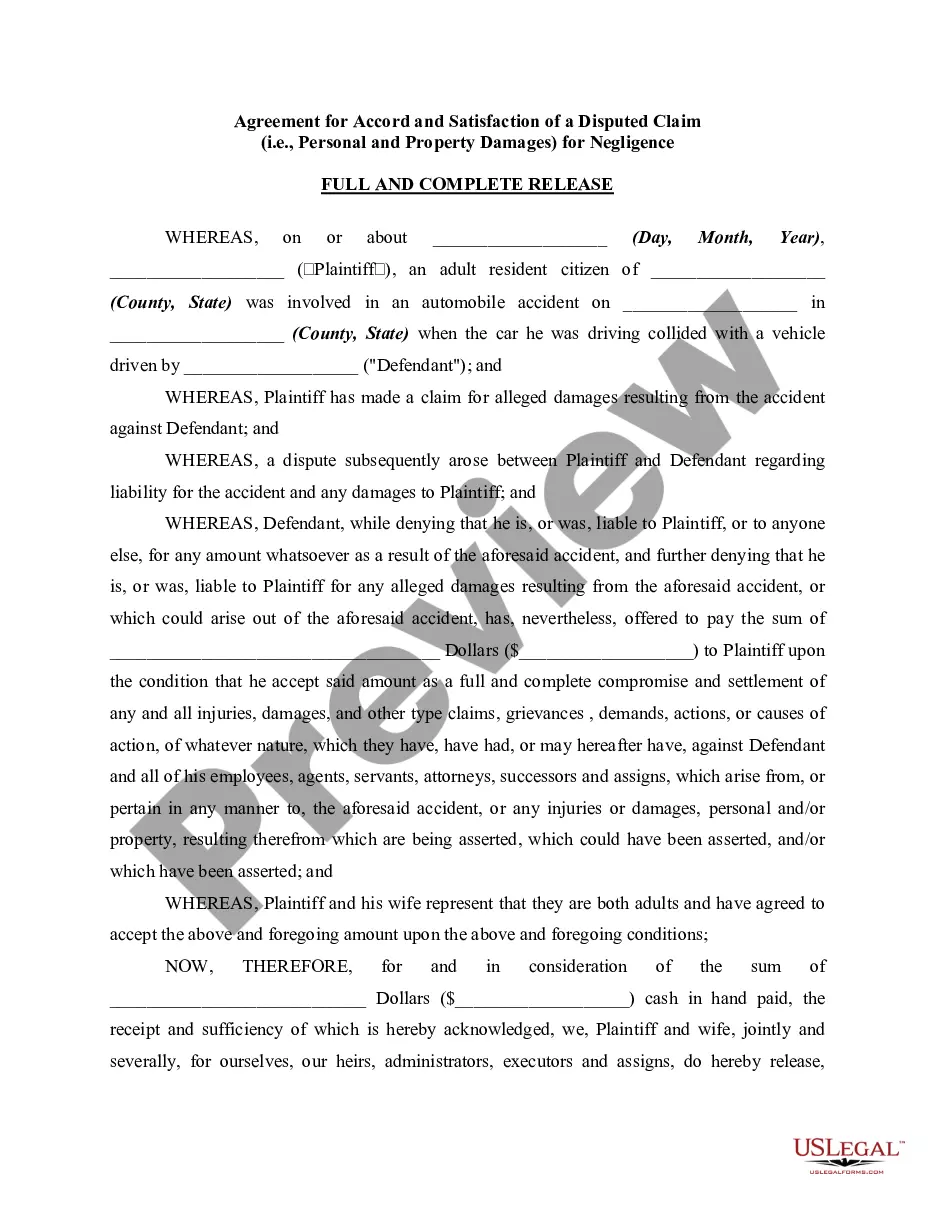
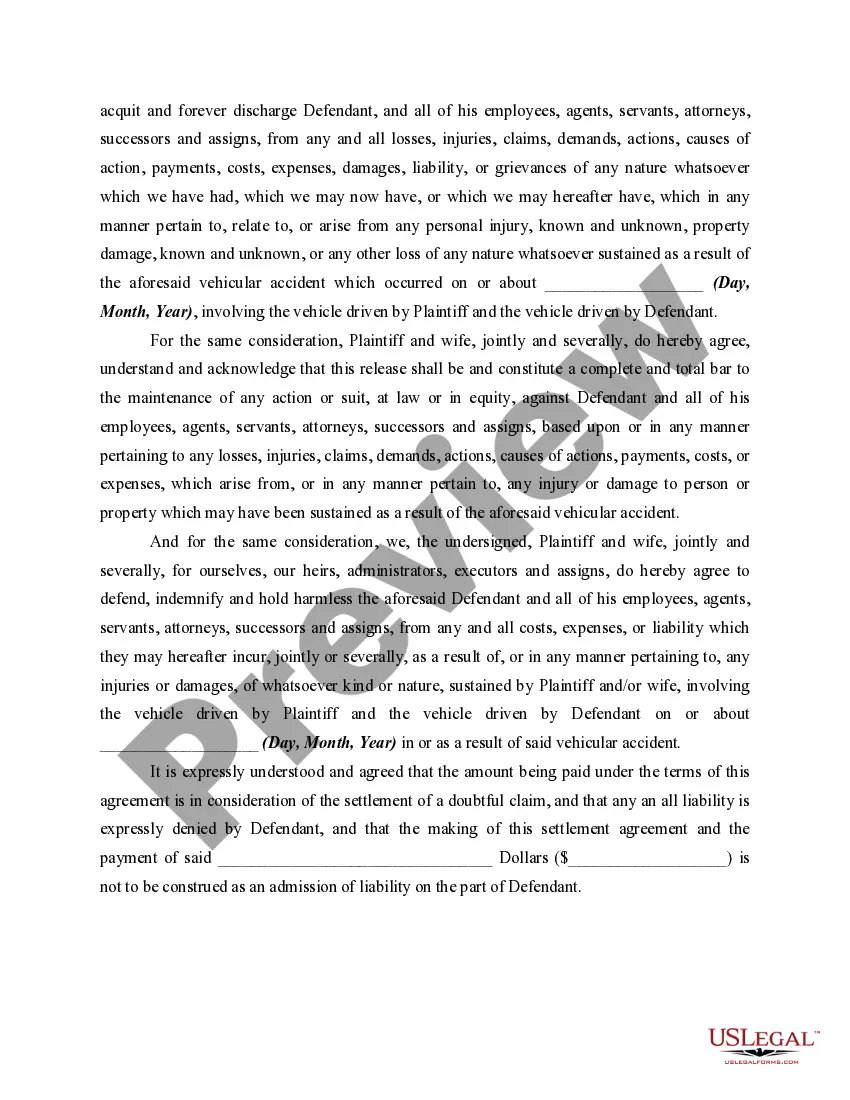
Personal Property Damages For Rent In Orange
Description

Get your form ready online
Our built-in tools help you complete, sign, share, and store your documents in one place.
Make edits, fill in missing information, and update formatting in US Legal Forms—just like you would in MS Word.
Download a copy, print it, send it by email, or mail it via USPS—whatever works best for your next step.
Sign and collect signatures with our SignNow integration. Send to multiple recipients, set reminders, and more. Go Premium to unlock E-Sign.
If this form requires notarization, complete it online through a secure video call—no need to meet a notary in person or wait for an appointment.
We protect your documents and personal data by following strict security and privacy standards.

Make edits, fill in missing information, and update formatting in US Legal Forms—just like you would in MS Word.

Download a copy, print it, send it by email, or mail it via USPS—whatever works best for your next step.

Sign and collect signatures with our SignNow integration. Send to multiple recipients, set reminders, and more. Go Premium to unlock E-Sign.

If this form requires notarization, complete it online through a secure video call—no need to meet a notary in person or wait for an appointment.

We protect your documents and personal data by following strict security and privacy standards.
Looking for another form?
Form popularity
FAQ
Unlike wear and tear, accidental damage is often more immediate and noticeable. Examples of accidental damage include: Broken windows or glass. Holes in walls or doors.
Let's establish what property damage is. Property damage happens when the tenant destroys or damages the unit or community areas. This type of damage can decrease the property's value and negatively impact its functionality. Examples include large holes in the wall, ripped-up carpet, or broken windows.
Landlords in New Jersey cannot violate the implied warranty of habitability, discriminate against tenants, unjustly withhold security deposits, evict tenants without proper notice or due process, raise rent without giving proper notice, enter a tenant's dwelling without reasonable notice except in emergencies, or ...
Either party can change their mind. Both people need to agree in writing. The resident can also say I am still moving out as well.
As of August 2023, the maximum allowable annual rent increase in the Los Angeles Area is restricted to 8.8% (5% + CPI of 3.8%).
Can a California Landlord Sue the Tenant Causing Damages Greater than Security Deposit? Yes, if you discover damages caused by the tenant costing more than the security deposit. If your tenant refuses to compensate you, you must file a lawsuit.
Rent increases in California If a property is not covered under rent control, a landlord can increase your rent by any amount. Starting August 2024, the maximum rent increase for both L.A. and Orange counties is 8.9%, a slight increase from last year's 8.8%.
Yes, a landlord can raise rent after a lease expires. In Orange County, they can increase the rent by 5% plus CPI or 10%—whichever is lower. Once the lease has expired, landlords must get a new, updated lease, or they may incur a variety of restrictions and enter a month-to-month tenancy.
Can a California Landlord Sue the Tenant Causing Damages Greater than Security Deposit? Yes, if you discover damages caused by the tenant costing more than the security deposit. If your tenant refuses to compensate you, you must file a lawsuit.
