Denied Claim Agreement With Mexico In Orange
Description
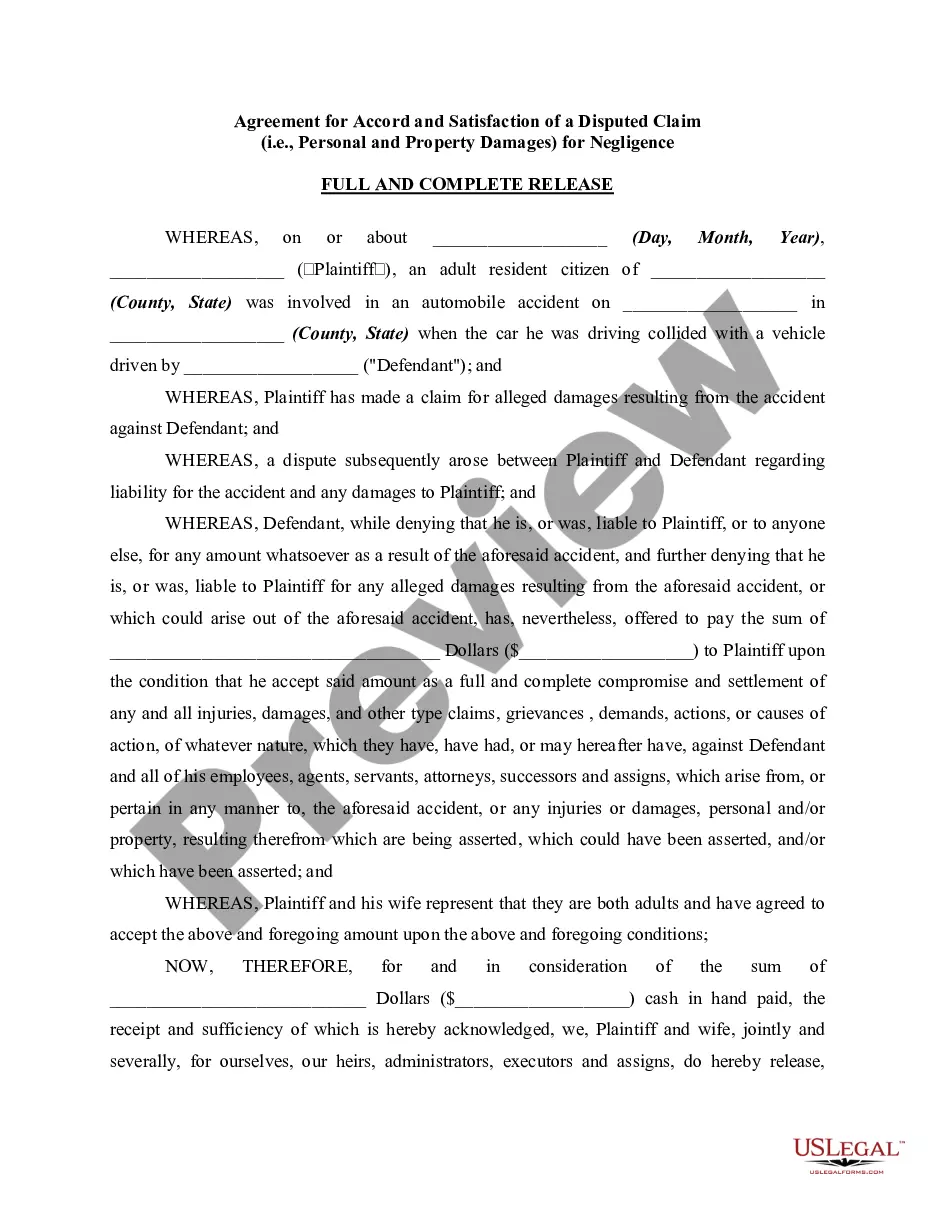
Get your form ready online
Our built-in tools help you complete, sign, share, and store your documents in one place.
Make edits, fill in missing information, and update formatting in US Legal Forms—just like you would in MS Word.
Download a copy, print it, send it by email, or mail it via USPS—whatever works best for your next step.
Sign and collect signatures with our SignNow integration. Send to multiple recipients, set reminders, and more. Go Premium to unlock E-Sign.
If this form requires notarization, complete it online through a secure video call—no need to meet a notary in person or wait for an appointment.
We protect your documents and personal data by following strict security and privacy standards.
Make edits, fill in missing information, and update formatting in US Legal Forms—just like you would in MS Word.
Download a copy, print it, send it by email, or mail it via USPS—whatever works best for your next step.
Sign and collect signatures with our SignNow integration. Send to multiple recipients, set reminders, and more. Go Premium to unlock E-Sign.

If this form requires notarization, complete it online through a secure video call—no need to meet a notary in person or wait for an appointment.
We protect your documents and personal data by following strict security and privacy standards.
Looking for another form?




Form popularity
FAQ
The U.S. – Mexico – Canada Agreement (USMCA) is a trade agreement between the named parties that entered into force on July 1, 2020. To help coordinate the implementation of the USMCA, and provide comprehensive guidance to stakeholders, CBP stood up the USMCA Center in March 2020.
The United States-Mexico-Canada Agreement (USMCA) entered into force on July 1, 2020. The USMCA supports mutually beneficial trade leading to freer markets, fairer trade, and robust economic growth in North America.
The United States-Mexico-Canada Agreement (USMCA) entered into force on July 1, 2020. The USMCA supports mutually beneficial trade leading to freer markets, fairer trade, and robust economic growth in North America.
Mexico ceded nearly all the territory now included in the U.S. states of New Mexico, Utah, Nevada, Arizona, California, Texas, and western Colorado for $15 million and U.S. assumption of its citizens' claims against Mexico.
Some of the major changes that were ushered in with the USMCA include open trade between the U.S. and Canadian dairy markets, enhancements to labor laws (when lower wages helped push jobs to Mexico under NAFTA), and increasing the percentage of motor vehicle parts required to be produced in the region.
Originating passenger motor vehicle and light and heavy truck producers must certify that 70 percent of their purchases by value of corporate steel and aluminum purchases are sourced from North America (i.e., the parties to the USMCA);
SPI “S” is used for the vast majority of claims for USMCA preferential tariff treatment. SPI “S+” is used for certain agricultural goods, as well as for non-originating textile and apparel goods that are entered pursuant to tariff preference level (TPL) provisions.
In Canada the agreement is known as “CUSMA”; in the US it is referred to as “USMCA” and in Mexico, it goes by “T-MEC”, so although a different name, please note they are all referring to North America's new agreement. Before we dive in again, below is a quick recap of the series so far.
The good must fall into one of the following four “origin criteria”, which are designed to ensure that the value added from production in North America is significant: Goods Wholly Obtained or Produced (Article 4.2(a) of the Agreement); Goods Produced Exclusively from Originating Materials (Article 4.2(c));

