Denied Claim Agreement For Disability In Minnesota
Description
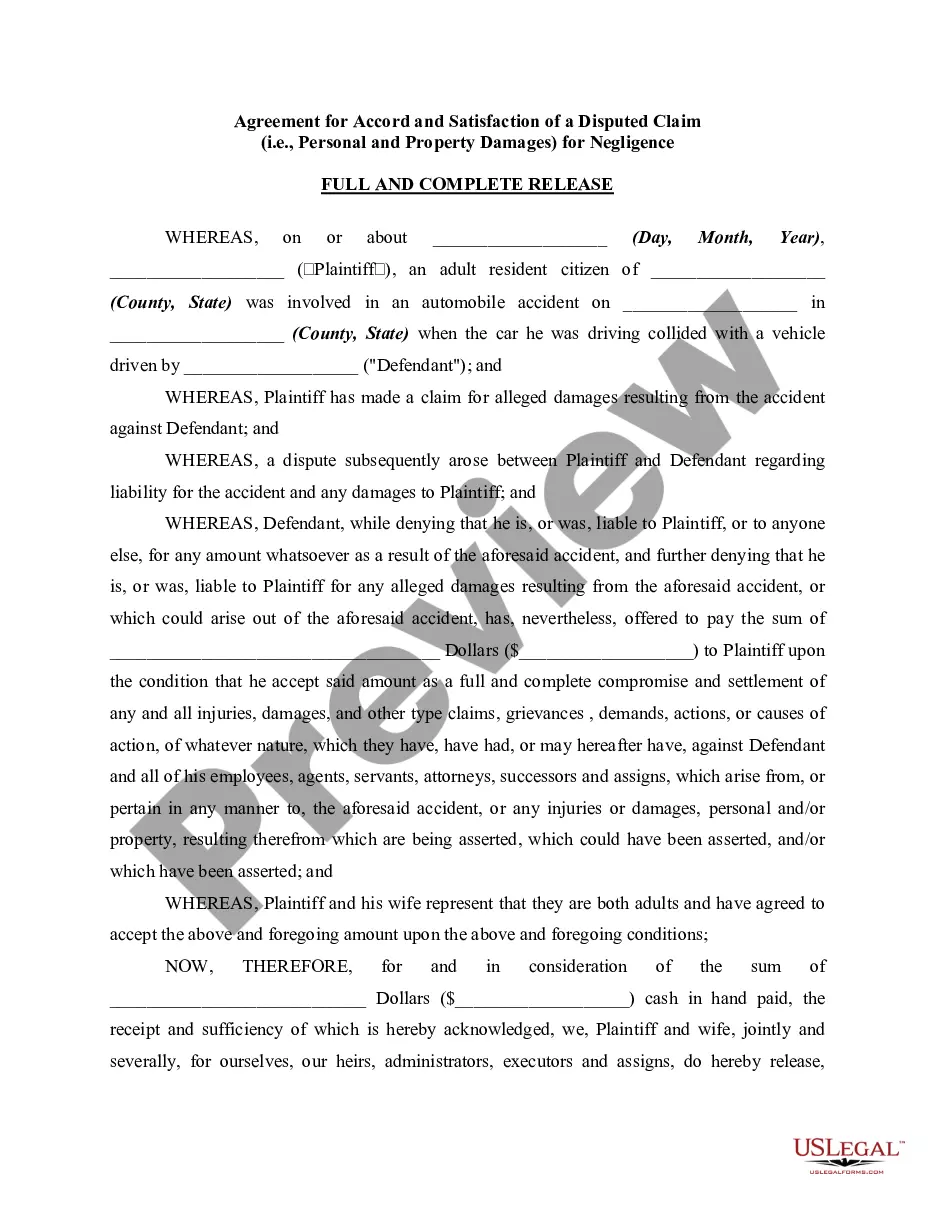
Get your form ready online
Our built-in tools help you complete, sign, share, and store your documents in one place.
Make edits, fill in missing information, and update formatting in US Legal Forms—just like you would in MS Word.
Download a copy, print it, send it by email, or mail it via USPS—whatever works best for your next step.
Sign and collect signatures with our SignNow integration. Send to multiple recipients, set reminders, and more. Go Premium to unlock E-Sign.
If this form requires notarization, complete it online through a secure video call—no need to meet a notary in person or wait for an appointment.
We protect your documents and personal data by following strict security and privacy standards.

Make edits, fill in missing information, and update formatting in US Legal Forms—just like you would in MS Word.

Download a copy, print it, send it by email, or mail it via USPS—whatever works best for your next step.

Sign and collect signatures with our SignNow integration. Send to multiple recipients, set reminders, and more. Go Premium to unlock E-Sign.

If this form requires notarization, complete it online through a secure video call—no need to meet a notary in person or wait for an appointment.

We protect your documents and personal data by following strict security and privacy standards.
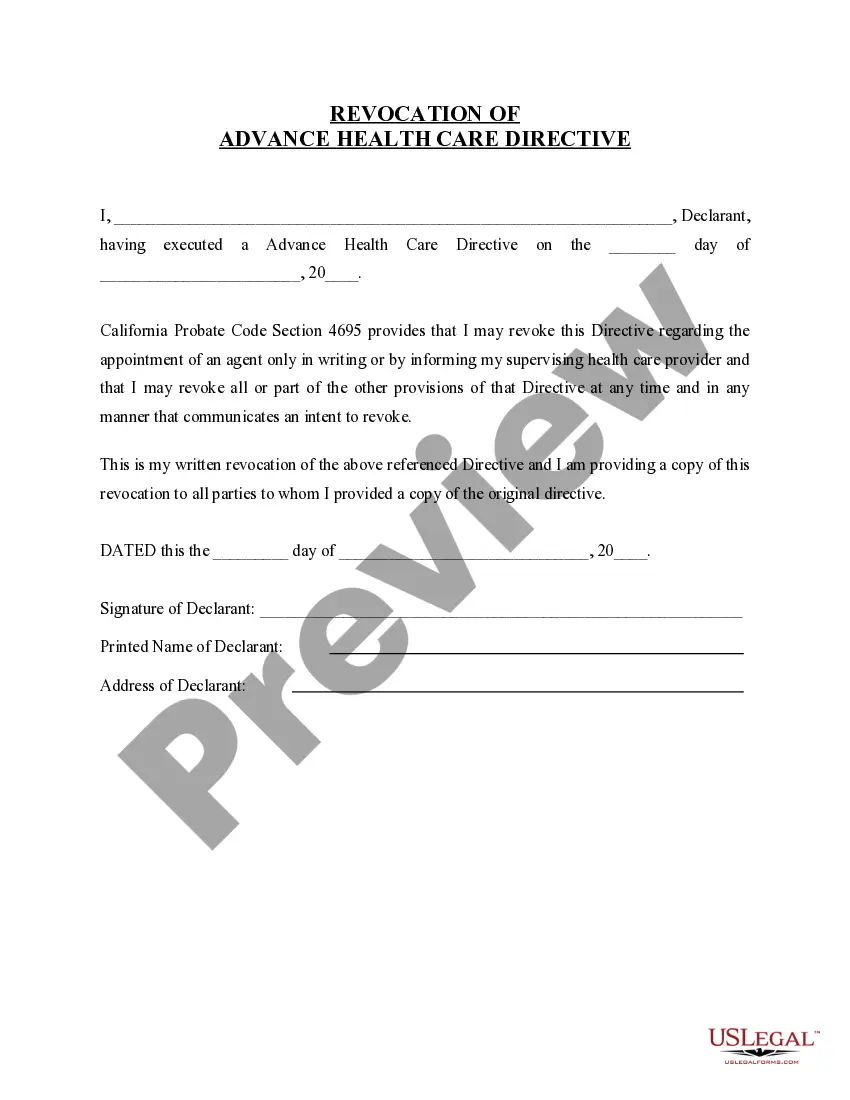
Looking for another form?

Form popularity
FAQ
Your condition must significantly limit your ability to do basic work-related activities, such as lifting, standing, walking, sitting, or remembering – for at least 12 consecutive months. If it does not, we will find that you do not have a qualifying disability.
Short term disability insurance pays you a portion of your salary if you cannot work because of a disabling illness, injury, or pregnancy. Benefits are payable for up to 26 weeks as long as you remain totally disabled.
What Is the Most Approved Disability? Arthritis and other musculoskeletal system disabilities make up the most commonly approved conditions for social security disability benefits. This is because arthritis is so common. In the United States, over 58 million people suffer from arthritis.
You must be Totally Disabled for benefits to begin. Total Disability means you are prevented from performing the essential duties of your occupation due to accidental bodily injury, sickness, mental illness, substance abuse, or pregnancy.
In Minnesota, only 43.9% of initial SSDI applications get approved. The remaining 56.1% of applicants have to appeal in order to win their claim. If you are not approved, the first step is to request a reconsideration. At this stage, another DDS employee will review your application.
SSDI payments range on average between $800 and $1,800 per month. The maximum benefit you could receive in 2025 is $4,018 per month. Be sure to check out our calculator on our website that will give you an estimate of what your benefits would be.
What Is the Most Approved Disability? Arthritis and other musculoskeletal system disabilities make up the most commonly approved conditions for social security disability benefits. This is because arthritis is so common. In the United States, over 58 million people suffer from arthritis.
Ultimately, it is the agency's choice what type(s) of documentation will be acceptable: Statements or letters on a physician's/medical professional's letterhead stationary. Statements, records or letters from a Federal Government agency that issues or provides disability benefits.
The evaluation must show the official letterhead of the professional describing the disability with the name, title and professional credentials of the evaluator. The report must be dated and signed by the evaluator. The report should include all documentation for multiple disabilities disclosed.
