Dispute Claim Form Without Attorney In Michigan
Description
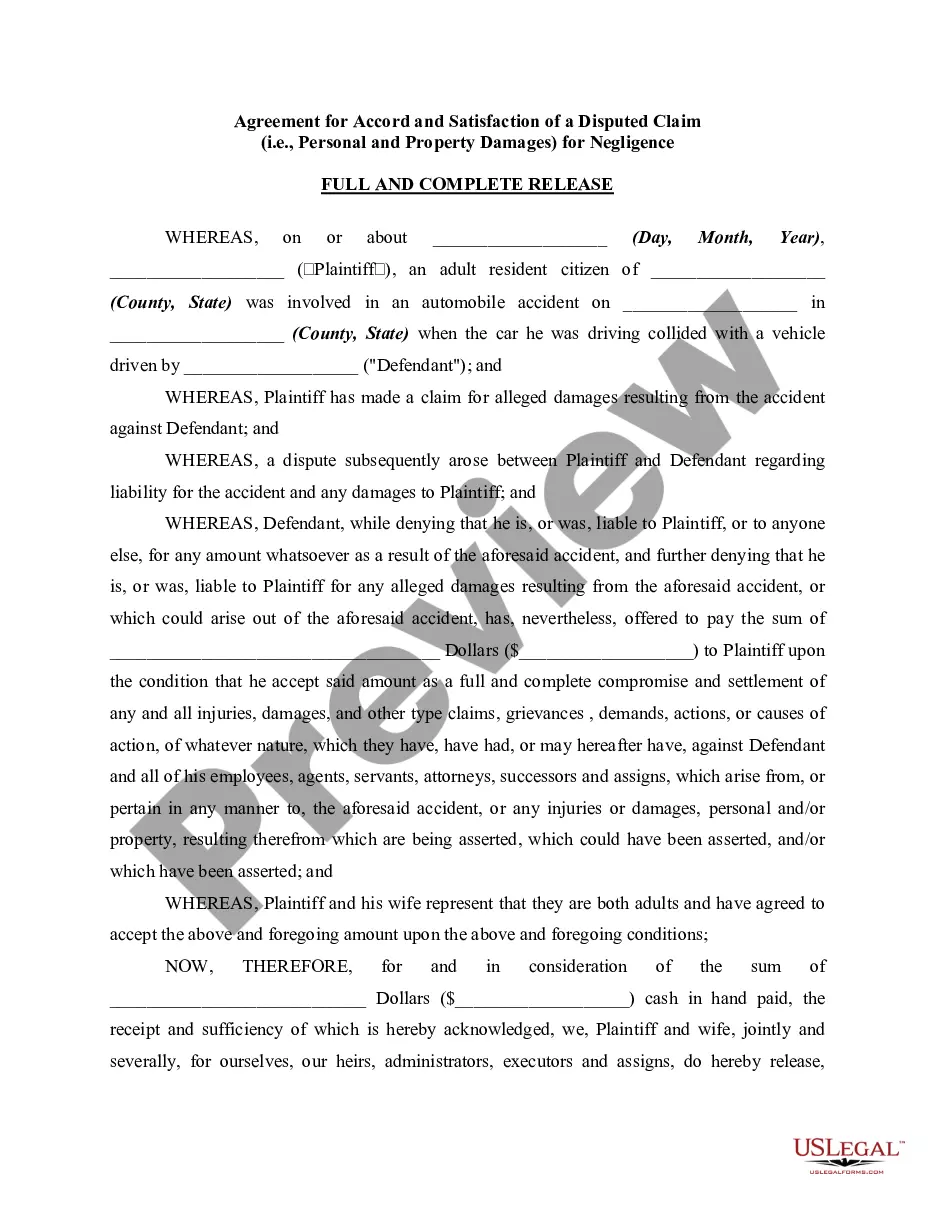
Get your form ready online
Our built-in tools help you complete, sign, share, and store your documents in one place.
Make edits, fill in missing information, and update formatting in US Legal Forms—just like you would in MS Word.
Download a copy, print it, send it by email, or mail it via USPS—whatever works best for your next step.
Sign and collect signatures with our SignNow integration. Send to multiple recipients, set reminders, and more. Go Premium to unlock E-Sign.
If this form requires notarization, complete it online through a secure video call—no need to meet a notary in person or wait for an appointment.
We protect your documents and personal data by following strict security and privacy standards.

Make edits, fill in missing information, and update formatting in US Legal Forms—just like you would in MS Word.

Download a copy, print it, send it by email, or mail it via USPS—whatever works best for your next step.

Sign and collect signatures with our SignNow integration. Send to multiple recipients, set reminders, and more. Go Premium to unlock E-Sign.

If this form requires notarization, complete it online through a secure video call—no need to meet a notary in person or wait for an appointment.

We protect your documents and personal data by following strict security and privacy standards.
Looking for another form?

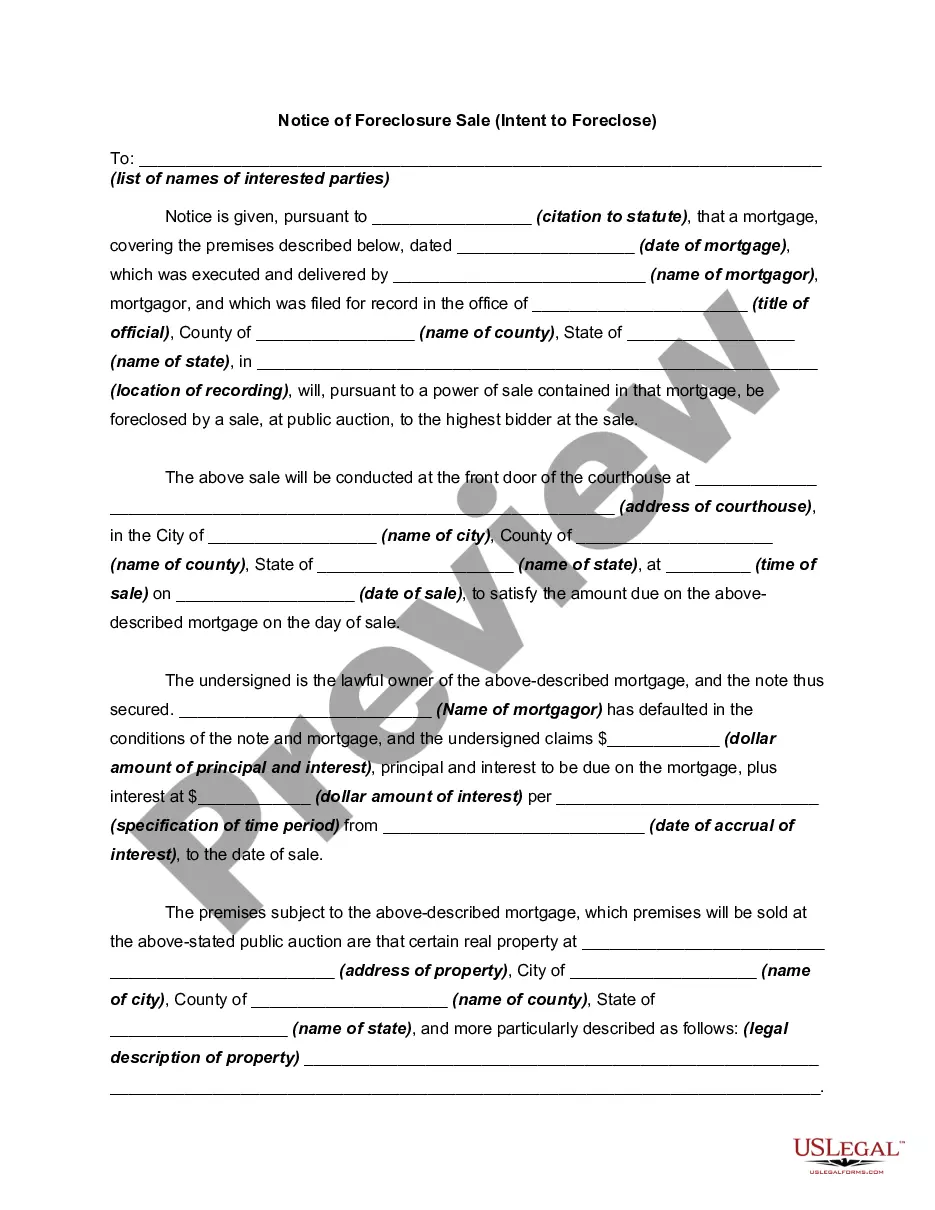
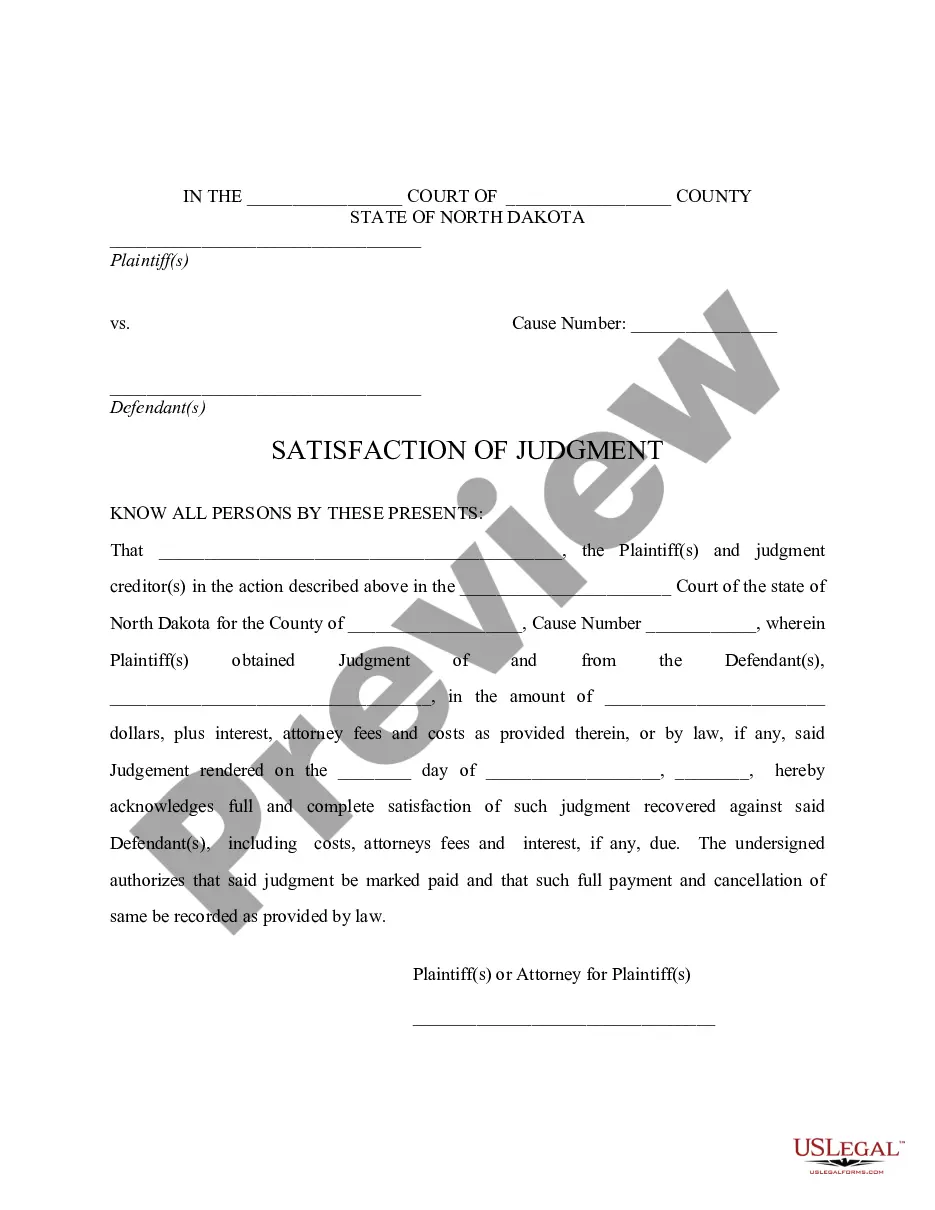
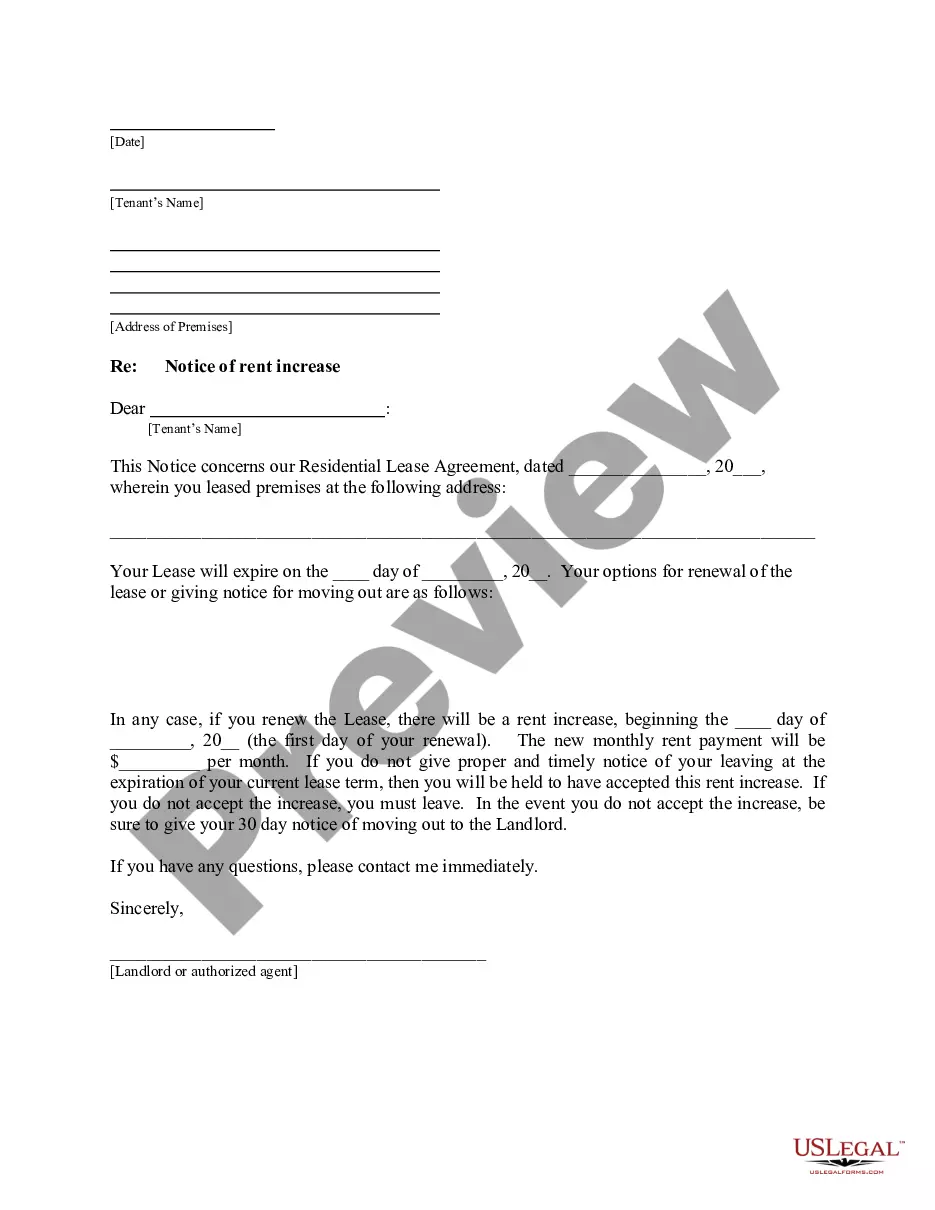

Form popularity
FAQ
Yes. You can sue someone ``Pro Se'' this means you are doing it without a lawyer. You just fill out the lawsuit paperwork and file it with the clerk of court and you will get a court date after you make sure the party you are suing is aware of it. You have to have them served. All the instructions a...
Fill out form MC 03 (Answer, Civil) on the website or get a paper copy from the court to fill out. Write in the court number, case number, the court address, the court telephone number, and the names, addresses, and telephone numbers of the plaintiff and the defendant exactly as they are on your court papers.
The prosecutor, the attorney general, and any other parties involved in your case. The deadline for filing notice/application varies depending on whether it is an appeal by right or an appeal by leave, but generally it ranges from 21 days to 6 months after entry of judgment/sentence.
You must wait 21 days after your small claims judgment was signed before you can get a garnishment. There are three types of garnishment: 1) periodic, 2) nonperiodic, and 3) income tax intercept. Use the appropriate form MC 12, MC 13 or MC 52, Request and Writ for Garnishment, to start the garnishment process.
The summons must be served upon a defendant by delivering a copy to the defendant personally, by leaving it at the defendant's dwelling house or usual place of abode with some person of suitable age and discretion residing at that place, or by mailing it to the defendant's last known address.
While you can technically refuse to be served with legal papers, doing so will only delay proceedings and could lead to a default judgment against you.

