Denied Claim Agreement With Canada In Georgia
Description
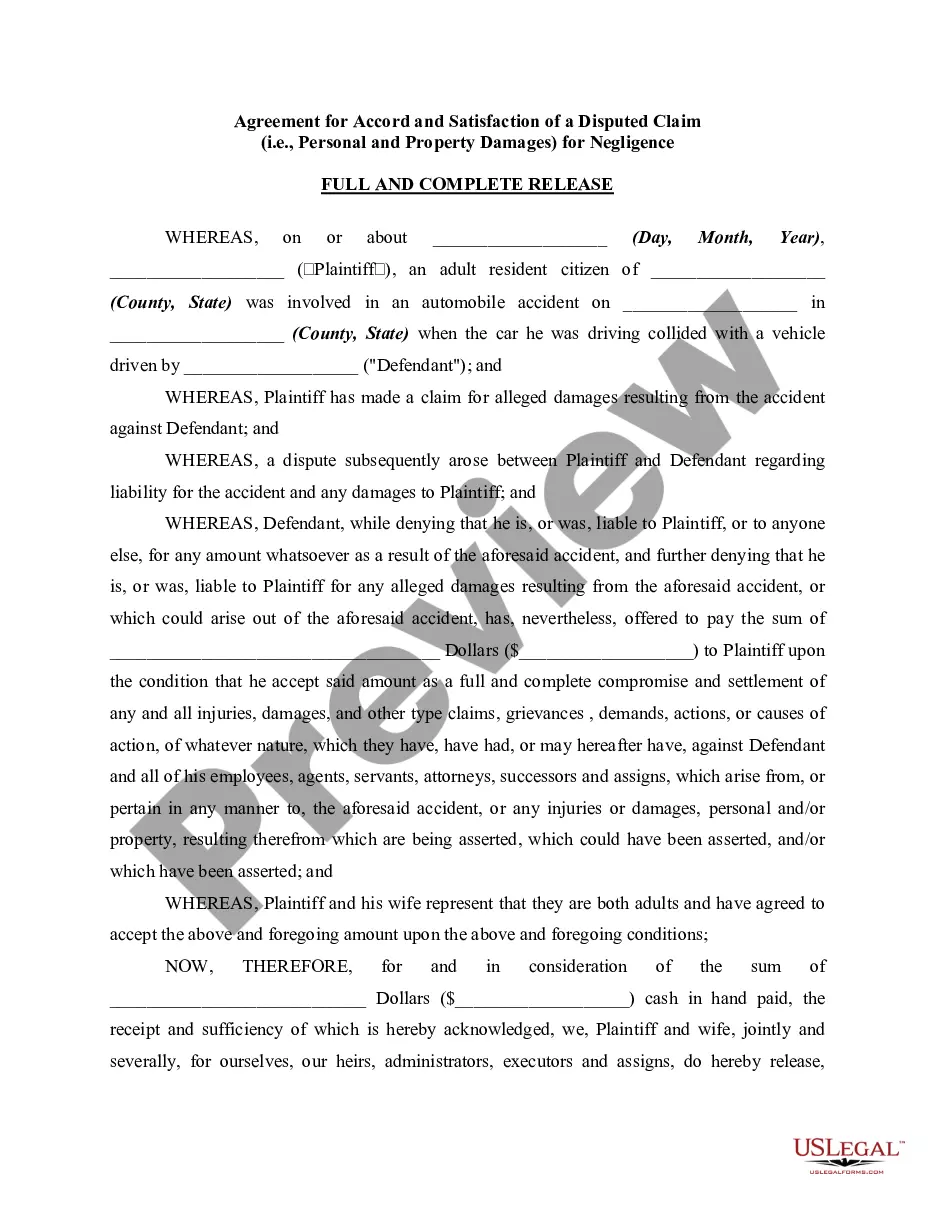
Get your form ready online
Our built-in tools help you complete, sign, share, and store your documents in one place.
Make edits, fill in missing information, and update formatting in US Legal Forms—just like you would in MS Word.
Download a copy, print it, send it by email, or mail it via USPS—whatever works best for your next step.
Sign and collect signatures with our SignNow integration. Send to multiple recipients, set reminders, and more. Go Premium to unlock E-Sign.
If this form requires notarization, complete it online through a secure video call—no need to meet a notary in person or wait for an appointment.
We protect your documents and personal data by following strict security and privacy standards.

Make edits, fill in missing information, and update formatting in US Legal Forms—just like you would in MS Word.

Download a copy, print it, send it by email, or mail it via USPS—whatever works best for your next step.

Sign and collect signatures with our SignNow integration. Send to multiple recipients, set reminders, and more. Go Premium to unlock E-Sign.

If this form requires notarization, complete it online through a secure video call—no need to meet a notary in person or wait for an appointment.

We protect your documents and personal data by following strict security and privacy standards.
Looking for another form?
Form popularity
FAQ
Filing an Appeal 13 (1) To file an appeal of a decision, a person must provide to the Division a notice of appeal together with. (a) in the case of a sponsorship appeal, the officer's decision and the written reasons, if any, for the refusal; ... Other information. Notice provided to Immigration Division.
Withdrawing: If you decide not to continue with your refugee protection claim, you must tell the Refugee Protection Division (RPD) in writing that you are withdrawing your claim. If you withdraw your claim, you will not be permitted to make another claim for refugee protection in Canada.
Key Parts of an Appeal Letter Introduction: Address the letter to the relevant authority (e.g., the consulate or embassy). State the purpose of the letter. Body: Address each refusal reason clearly. Conclusion: Reaffirm your request for reconsideration. Signature: End with a polite sign-off and your contact details.
The recognition rate, which is determined by the number of accepted refugee claims divided by the total number of claims that have been decided by the Immigration and Refugee Board on merit, also increased to 82 per cent in the first nine months of 2024, from 64 per cent in 2018.
If the Refugee Board rejects your claim, you might be able to appeal that decision at the Refugee Appeal Division (RAD). If you're eligible to appeal, you must show that: the Refugee Board made one or more mistakes in its decision, or there is new evidence that would have made a difference in the outcome of your claim.
How to apply for a reconsideration request? Draft a submission package addressed to the relevant immigration IRCC authority, asking them to reconsider their decision. The request should clearly outline the reasons for the reconsideration and be accompanied by any documentary evidence that supports your argument.
You may file an appeal with the BIA using Form EOIR-29, Notice of Appeal to the Board of Immigration Appeals.
You have the option to initiate a judicial review in the Federal Court. This legal proceeding allows you to argue that IRCC made a mistake or that the decision is unreasonable.
A claim must be founded on certain things: contractual entitlement, legal entitlement, and factual evidence. Before embarking on a full-scale major investigation of any claim, it is advisable to carryout a preliminary assessment of the matter.

