Denied Claim Agreement With Canada In Franklin
Description
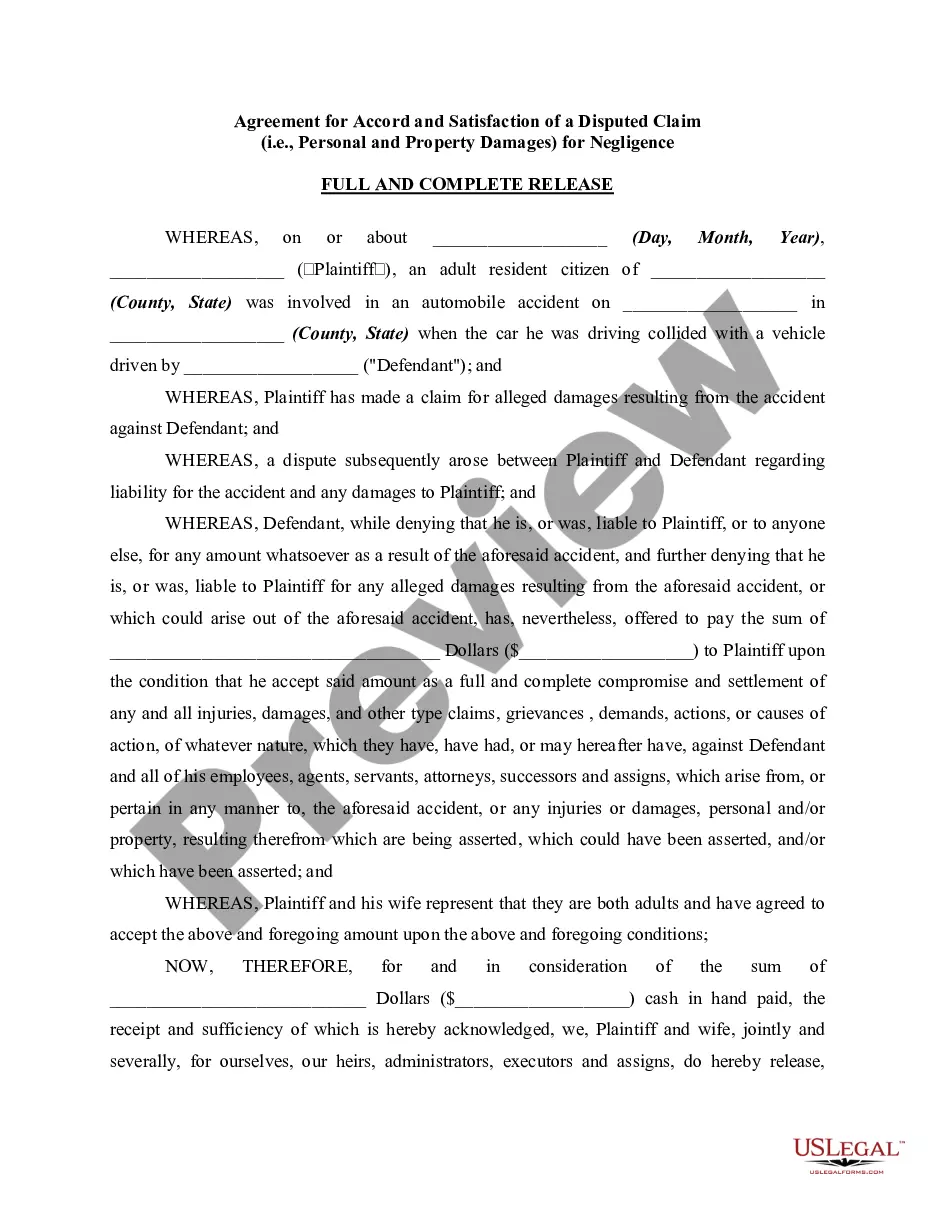
Get your form ready online
Our built-in tools help you complete, sign, share, and store your documents in one place.
Make edits, fill in missing information, and update formatting in US Legal Forms—just like you would in MS Word.
Download a copy, print it, send it by email, or mail it via USPS—whatever works best for your next step.
Sign and collect signatures with our SignNow integration. Send to multiple recipients, set reminders, and more. Go Premium to unlock E-Sign.
If this form requires notarization, complete it online through a secure video call—no need to meet a notary in person or wait for an appointment.
We protect your documents and personal data by following strict security and privacy standards.

Make edits, fill in missing information, and update formatting in US Legal Forms—just like you would in MS Word.

Download a copy, print it, send it by email, or mail it via USPS—whatever works best for your next step.

Sign and collect signatures with our SignNow integration. Send to multiple recipients, set reminders, and more. Go Premium to unlock E-Sign.

If this form requires notarization, complete it online through a secure video call—no need to meet a notary in person or wait for an appointment.

We protect your documents and personal data by following strict security and privacy standards.
Looking for another form?
Form popularity
FAQ
The Nunavut Land Claims Agreement that led to the creation of Nunavut is by far the largest of the land claims settlements in the modern land claims era. The territory is vast, covering one-fifth of Canada, extending from the 60th parallel to the waters off the northern coast of Ellesmere Island.
The Indian Residential Schools Settlement Agreement (IRSSA) was approved by all parties on , making it the largest class-action settlement in Canadian history.
The Agreement protects Inuit rights to hunt, fish and trap. The Agreement is intended to ensure more contracts, jobs and training for Inuit. Inuit will also benefit from income and other opportunities from mineral, oil and gas resources in Nunavut. These might come from Inuit Owned Lands or from Crown lands.
The specific claims process commences when a First Nation claimant presents a claim to the Minister of Crown-Indigenous Relations, for a determination on whether the claim will be accepted for negotiation. The claim is reviewed by the Specific Claims Branch of the Ministry.
Hundreds of specific claims remain outstanding. This includes about 250 accepted for negotiation, 71 claims before the Specific Claims Tribunal and about 160 specific claims are currently under review or assessment.
Section 37 of the Exchequer Court Act provides that any claim against the Crown may be prosecuted by petition of right, or may be referred to the Court by the head of the department in connection with the administration of which the claim arises, and, if any such claim is so referred, no fiat shall be given on any ...
For example, if someone built a fence on their neighbor's land without permission, the neighbor could file a claim of right to recover their land and remove the fence.
If you insert a cup of sugar into the gas tank of your gasoline-driven car this afternoon, its engine will become gummed up. This is a specific causal claim. More generally, if you put sugar into any engine's gas tank, the engine will get gummed up.
Claims are statements about what is true or good or about what should be done or believed. Claims are potentially arguable. "A liberal arts education prepares students best" is a claim, while "I didn't like the book" is not.
If the Refugee Board rejects your claim, you might be able to appeal that decision at the Refugee Appeal Division (RAD). If you're eligible to appeal, you must show that: the Refugee Board made one or more mistakes in its decision, or there is new evidence that would have made a difference in the outcome of your claim.

