Dispute Claim Form With Bank In Collin
Description
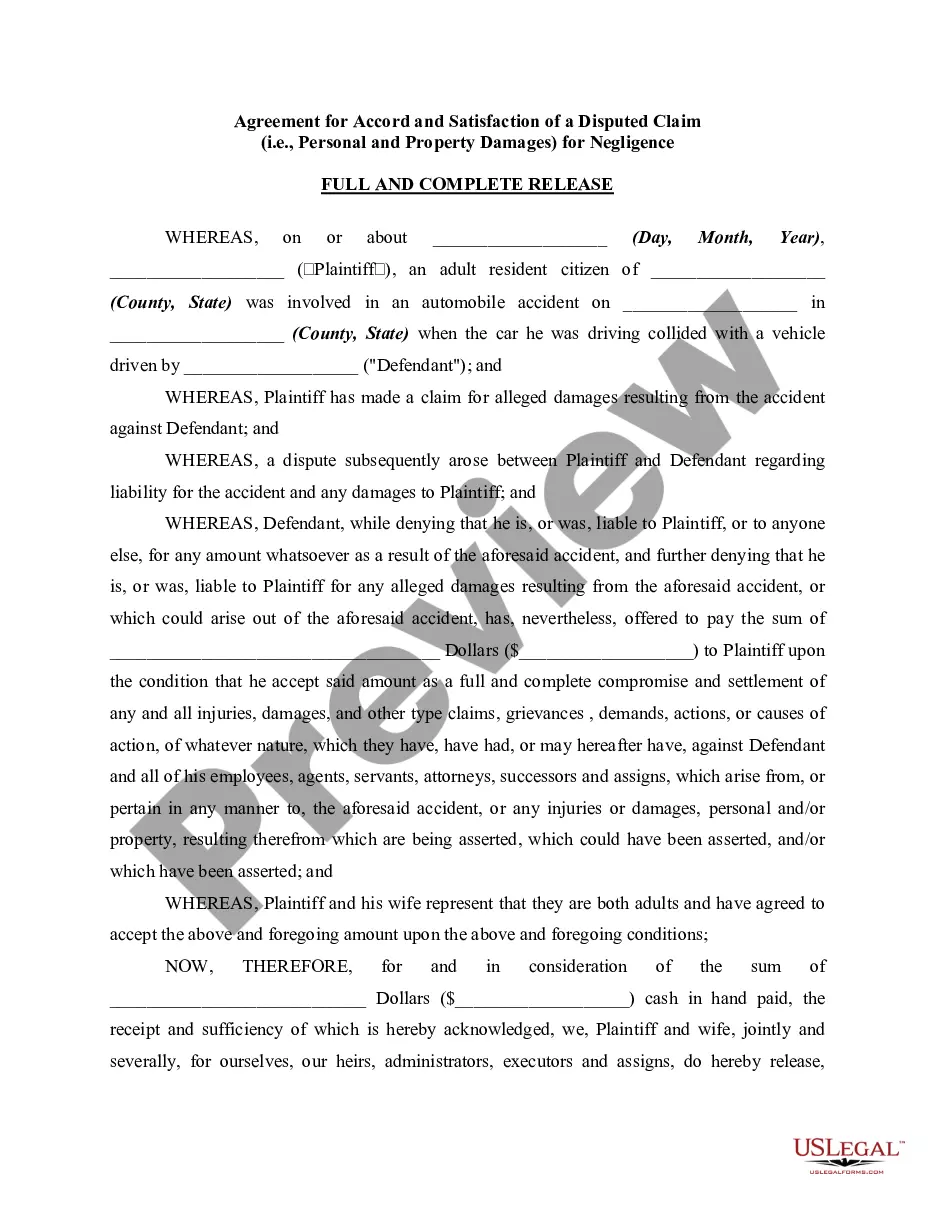
Get your form ready online
Our built-in tools help you complete, sign, share, and store your documents in one place.
Make edits, fill in missing information, and update formatting in US Legal Forms—just like you would in MS Word.
Download a copy, print it, send it by email, or mail it via USPS—whatever works best for your next step.
Sign and collect signatures with our SignNow integration. Send to multiple recipients, set reminders, and more. Go Premium to unlock E-Sign.
If this form requires notarization, complete it online through a secure video call—no need to meet a notary in person or wait for an appointment.
We protect your documents and personal data by following strict security and privacy standards.
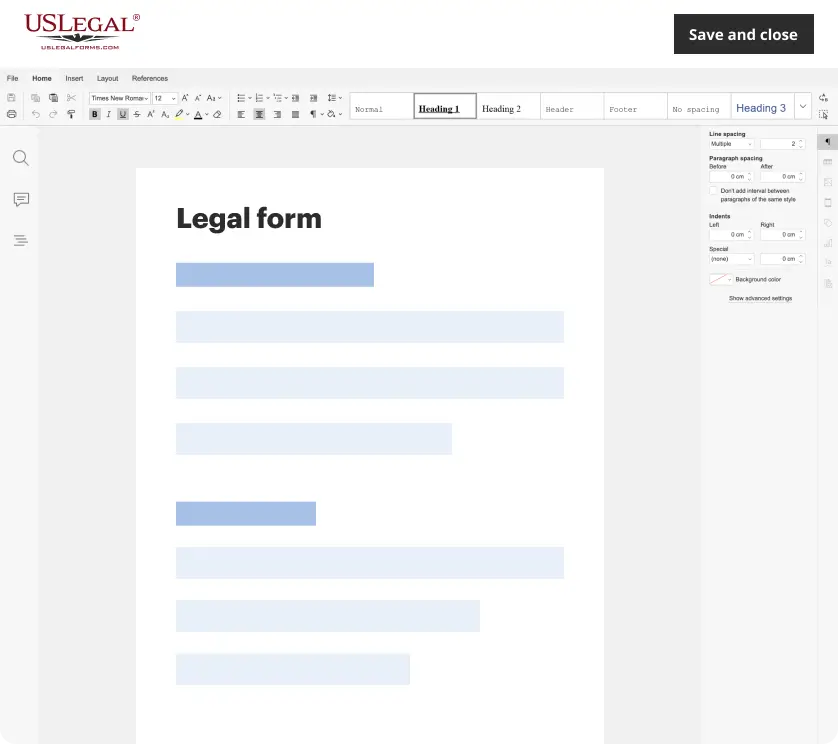
Make edits, fill in missing information, and update formatting in US Legal Forms—just like you would in MS Word.
Download a copy, print it, send it by email, or mail it via USPS—whatever works best for your next step.
Sign and collect signatures with our SignNow integration. Send to multiple recipients, set reminders, and more. Go Premium to unlock E-Sign.
If this form requires notarization, complete it online through a secure video call—no need to meet a notary in person or wait for an appointment.
We protect your documents and personal data by following strict security and privacy standards.
Looking for another form?





Form popularity
FAQ
Small Claims Cases in Texas The limit to the amount that a person can sue for in small claims cases is $20,000. Justice courts can also settle landlord/tenant disputes such as evictions and repairs.
In Texas civil cases, one way a case gets dismissed is with something called a "nonsuit." A nonsuit occurs when the plaintiff or petitioner files a notice with the court and other parties to the lawsuit that they no longer wish to pursue the case.
(1) by appearing in person before the Justice of the Peace or the clerk and filing a statement of the claim under oath; or, (2) by filing a sworn Small Claims Petition with the Justice of the Peace or clerk of the court.
Be a competent trial lawyer. Be on the right side. Devise a compelling case theory. Do your best to convince the jury of the truth of your case theory and the rightness of your cause. Convince the jury that you are a reliable guide through the morass of evidence.
Abstract of Judgment: If the defendant owns real property (land), you can get an abstract of judgment from the court that issued the judgment and file it with the county clerk in the county or counties where the defendant owns the property.
What is a dispute? A dispute is a disagreement between the card/account holder and the merchant with respect to a transaction. Disputable charges include double billings and charges to your account that belong to another account. Non-disputable charges include sales tax and shipping.
Customer Dispute Form means a form used to record details of a matter with a patron that cannot be immediately resolved.
A bank dispute is the process through which a cardholder rejects fraudulent or inaccurate charges on their credit card statement with their issuing bank. This is also known as a chargeback. Chargebacks are a means of protecting consumers against fraud.
What is the refund policy? To receive a 100 percent credit of tuition and fees, you must drop your class before the first day of the term or part-of-term for your class. As of the first day of the term or part-of-term, partial refund deadlines begin.
Contact the branch manager, the customer service hotline, or the institution's website. Use this sample complaint letter as a guide to help you explain the problem and how you want the bank to fix it. Provide copies of receipts, checks, or other proof of the transaction.

