Demand Forfeiture Bond In Florida
Description

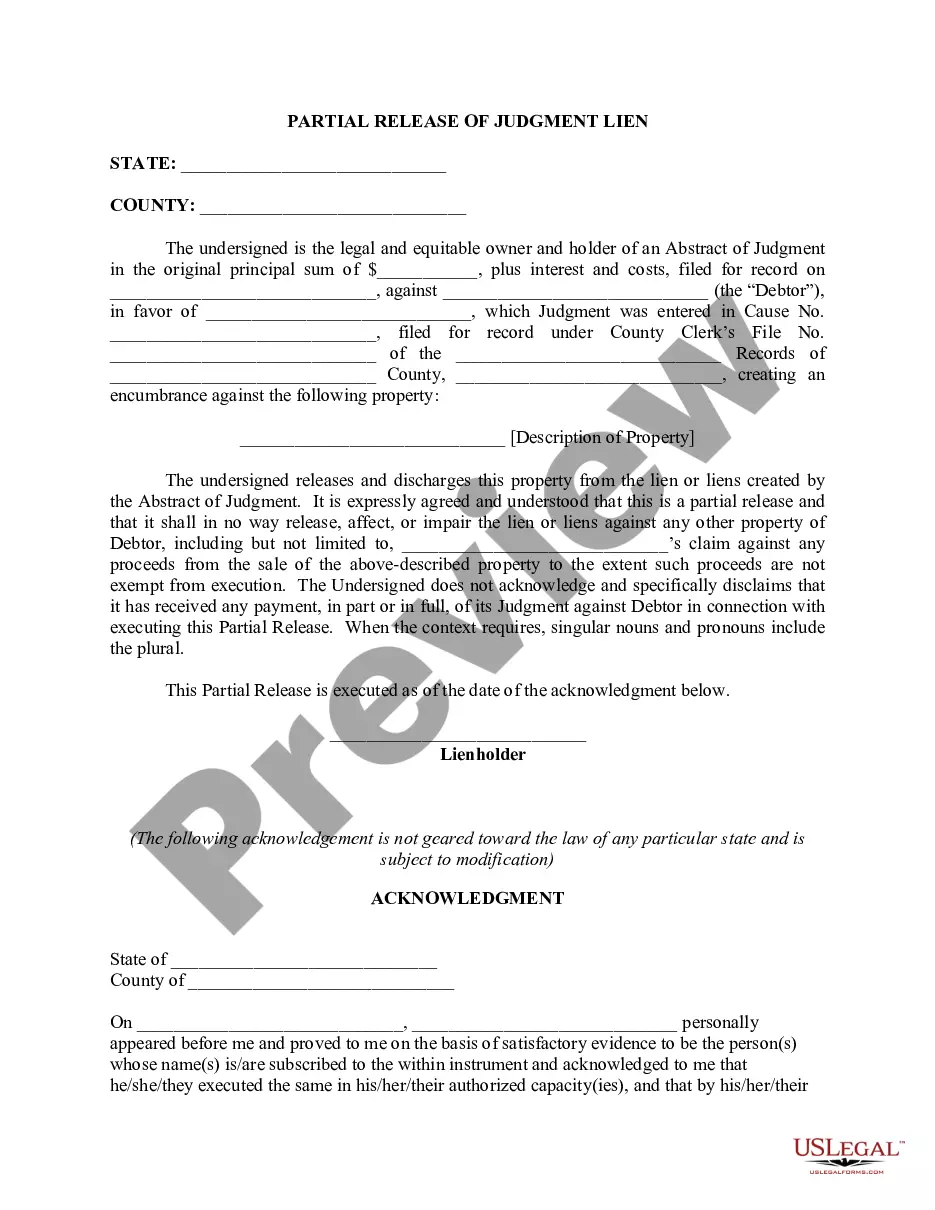
Get your form ready online
Our built-in tools help you complete, sign, share, and store your documents in one place.
Make edits, fill in missing information, and update formatting in US Legal Forms—just like you would in MS Word.
Download a copy, print it, send it by email, or mail it via USPS—whatever works best for your next step.
Sign and collect signatures with our SignNow integration. Send to multiple recipients, set reminders, and more. Go Premium to unlock E-Sign.
If this form requires notarization, complete it online through a secure video call—no need to meet a notary in person or wait for an appointment.
We protect your documents and personal data by following strict security and privacy standards.

Make edits, fill in missing information, and update formatting in US Legal Forms—just like you would in MS Word.

Download a copy, print it, send it by email, or mail it via USPS—whatever works best for your next step.

Sign and collect signatures with our SignNow integration. Send to multiple recipients, set reminders, and more. Go Premium to unlock E-Sign.

If this form requires notarization, complete it online through a secure video call—no need to meet a notary in person or wait for an appointment.

We protect your documents and personal data by following strict security and privacy standards.
Looking for another form?


Form popularity
FAQ
If the judge revokes bond and issues a pretrial detention order, the person will be detained in jail until the conclusion of the case and/or sentence.
If the amount posted is greater than the fees, costs, and penalties due, the balance will be refunded to the depositor by mail, generally within ten days of the close of each case. For more information about your bond, you may contact our office at 850-595-4150 for felony and misdemeanor cases, or visit us at the M.C.
Bond forfeiture means that the person loses the guarantee made by the bail bond company on their behalf. There are some circumstances in which the judge might excuse the accused for missing court and bail or bond can be reinstated.
Under Florida Rule of Criminal Procedure 3.134, state prosecutors generally have up to 30 days to file charges against someone following their arrest. If the defendant remains uncharged, the court must release them on their own recognizance by the 33rd day following their initial arrest.
A bail is forfeited when a defendant fails to appear, without sufficient excuse, for arraignment, trial, judgment, or any occasion prior to the pronouncement of judgment if the defendant's presence in court is legally required, or if the defendant fails to surrender in execution of the judgment after appeal.
Grounds for Revoking Bond in Criminal Action The court explained that while Florida law generally allows pretrial release unless there's strong evidence of guilt, Section 903.0471 permits courts to revoke pretrial release if there's probable cause that the defendant committed a new crime while on release.
The length of time someone can remain out on bond varies widely and depends on court schedules, case specifics, and compliance with bond conditions, lasting from weeks to over a year in some cases. Courts may revoke bonds if conditions are violated, resulting in immediate re-incarceration.
(4)(a) When a bond is forfeited, the clerk shall transmit the bond and any affidavits to the clerk of the circuit court in which the bond and affidavits are filed. The clerk of the circuit court shall record the forfeiture in the deed or official records book.
First, contact your bail bond agency to see if you can withdraw. Then, fill out the paperwork and make sure you meet all legal requirements. This will officially end the agreement.

