Rental Application Rejection Letter Without Notice In Pennsylvania
Description


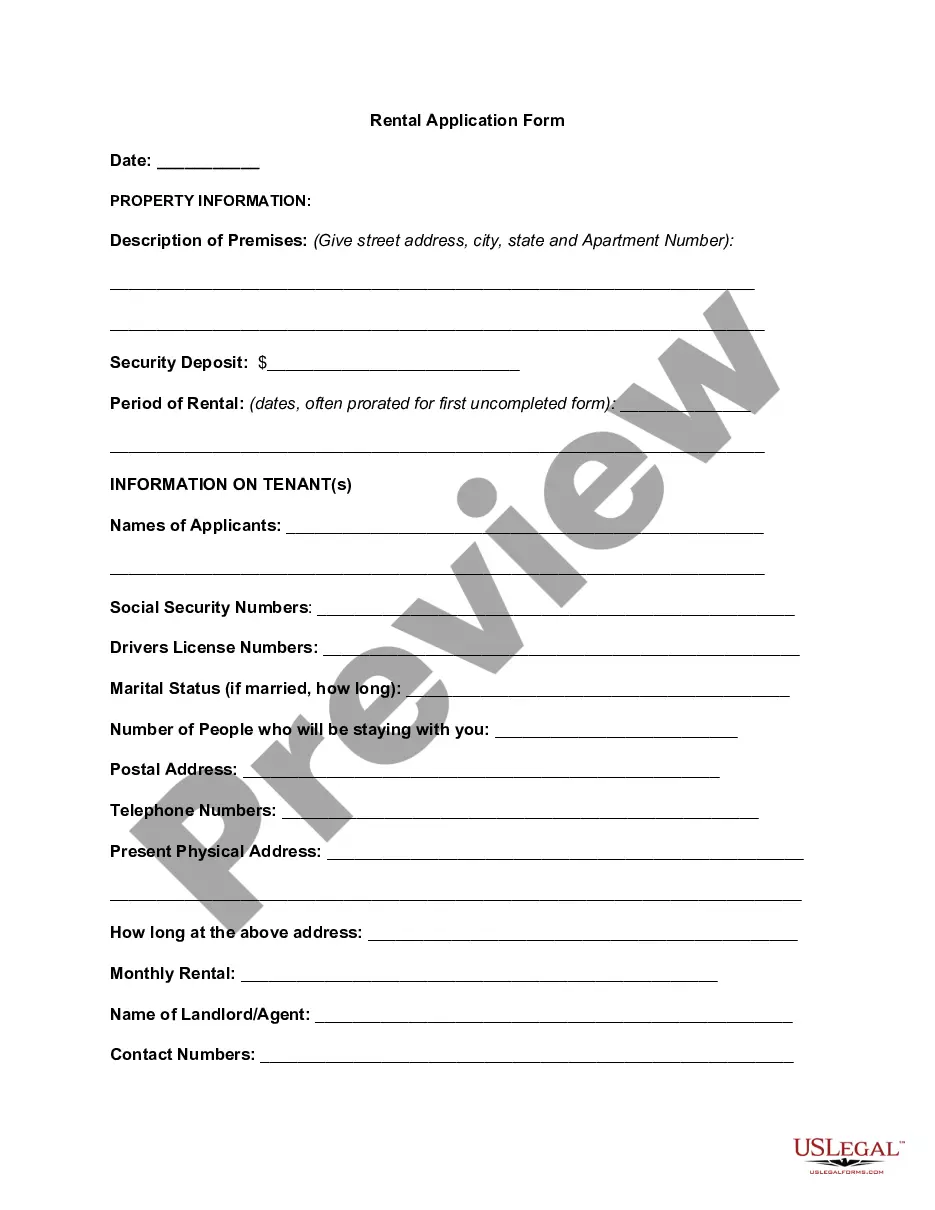
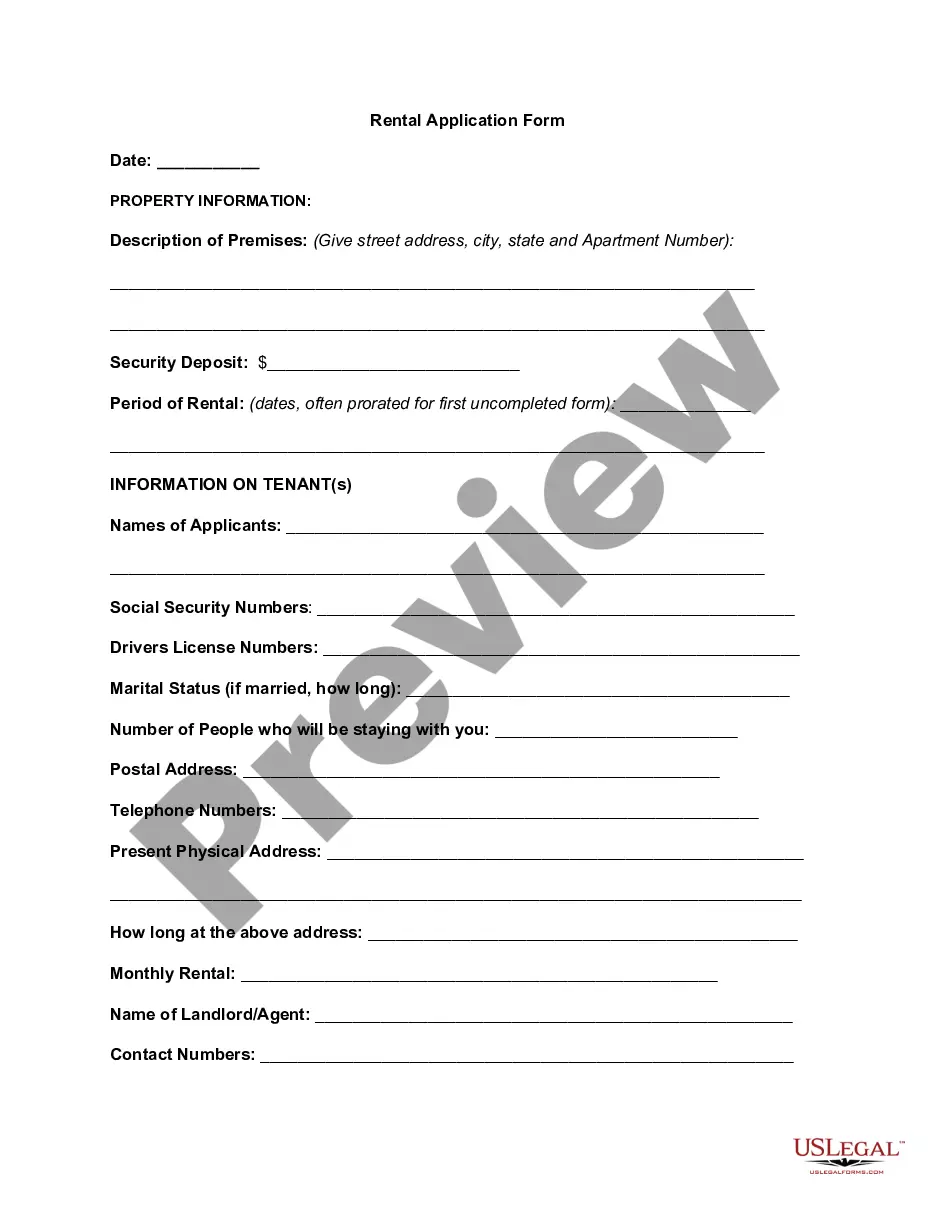
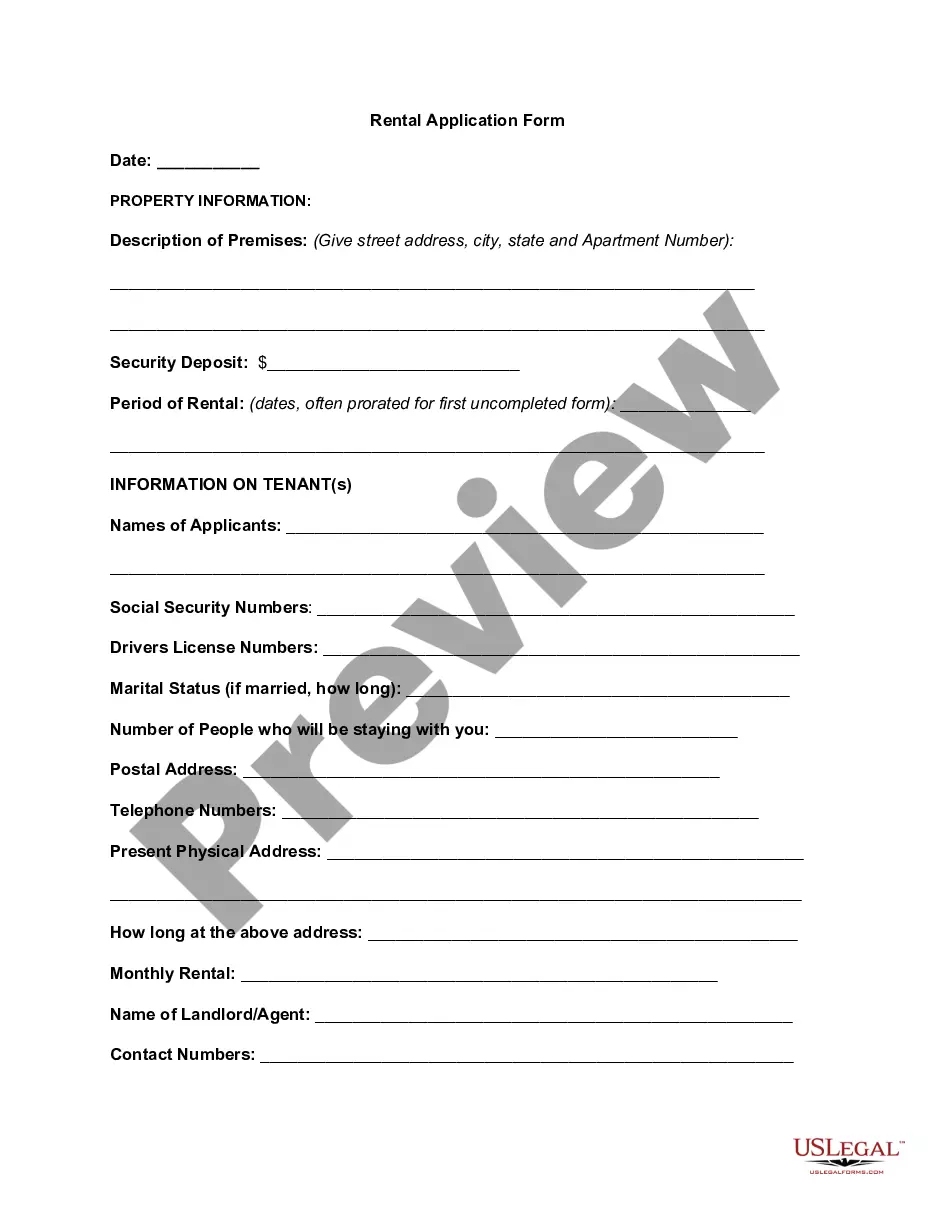
Get your form ready online
Our built-in tools help you complete, sign, share, and store your documents in one place.
Make edits, fill in missing information, and update formatting in US Legal Forms—just like you would in MS Word.
Download a copy, print it, send it by email, or mail it via USPS—whatever works best for your next step.
Sign and collect signatures with our SignNow integration. Send to multiple recipients, set reminders, and more. Go Premium to unlock E-Sign.
If this form requires notarization, complete it online through a secure video call—no need to meet a notary in person or wait for an appointment.
We protect your documents and personal data by following strict security and privacy standards.

Make edits, fill in missing information, and update formatting in US Legal Forms—just like you would in MS Word.

Download a copy, print it, send it by email, or mail it via USPS—whatever works best for your next step.

Sign and collect signatures with our SignNow integration. Send to multiple recipients, set reminders, and more. Go Premium to unlock E-Sign.

If this form requires notarization, complete it online through a secure video call—no need to meet a notary in person or wait for an appointment.

We protect your documents and personal data by following strict security and privacy standards.
Looking for another form?
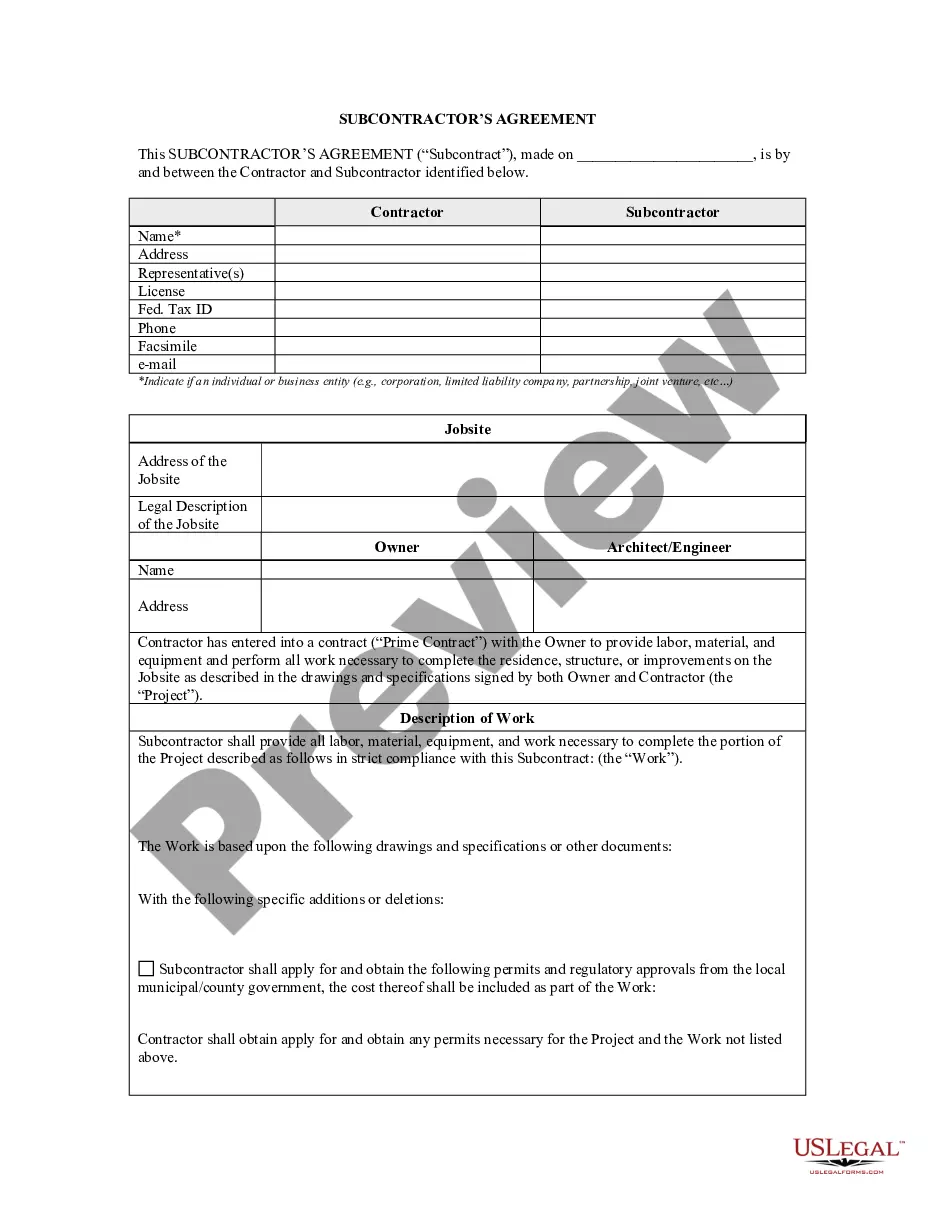
Form popularity
FAQ
Yes, even without a written lease, a landlord can evict a tenant in Pennsylvania as long as they follow the proper legal eviction process. This includes providing the required notice period and obtaining a court order for eviction from the local district court.
Renters are entitled to privacy, with landlords required to provide notice before entry, except in emergencies. Awareness of these rights is your first step toward a secure and comfortable rental experience.
First, the city can fine you $300 per day for every day your property has been rented without a license. For example, if the tenant has been living there for a year, you're looking at 365 days of fines – that's 365 times $300, which can add up very quickly.
In Pennsylvania, there is no statewide requirement for landlords to have a rental license.
Valid reasons to deny a rental application Insufficient income. Your tenant should earn a minimum of three times the monthly rent. Bad credit. This suggests they are not financially responsible. Relevant criminal history. Have evictions on record. Poor references from prior landlords.
No person, firm, or corporation managing, conducting, owning or operating a dwelling or dwelling unit shall rent, lease, let out or permit to be occupied or shall re-rent the same without first obtaining a certificate of occupancy from the Borough, as set forth by the same procedure as in §§ 101-2 and 101-7.
Retaliate against tenants: Landlords cannot increase rent, reduce services, or threaten eviction in response to a tenant exercising legal rights, such as reporting safety violations. Enter without proper notice: Except in emergencies, landlords must provide reasonable notice before entering a rental unit.
Tell your landlord, in writing, what the problem is and what you plan to do about it. For example, tell your landlord that you will withhold your rent if he/she does not make the requested repairs. Send a letter by certified mail. Keep a copy of the letter to prove that the landlord was notified.