Property Agreement For Unmarried Couples In Washington
Description

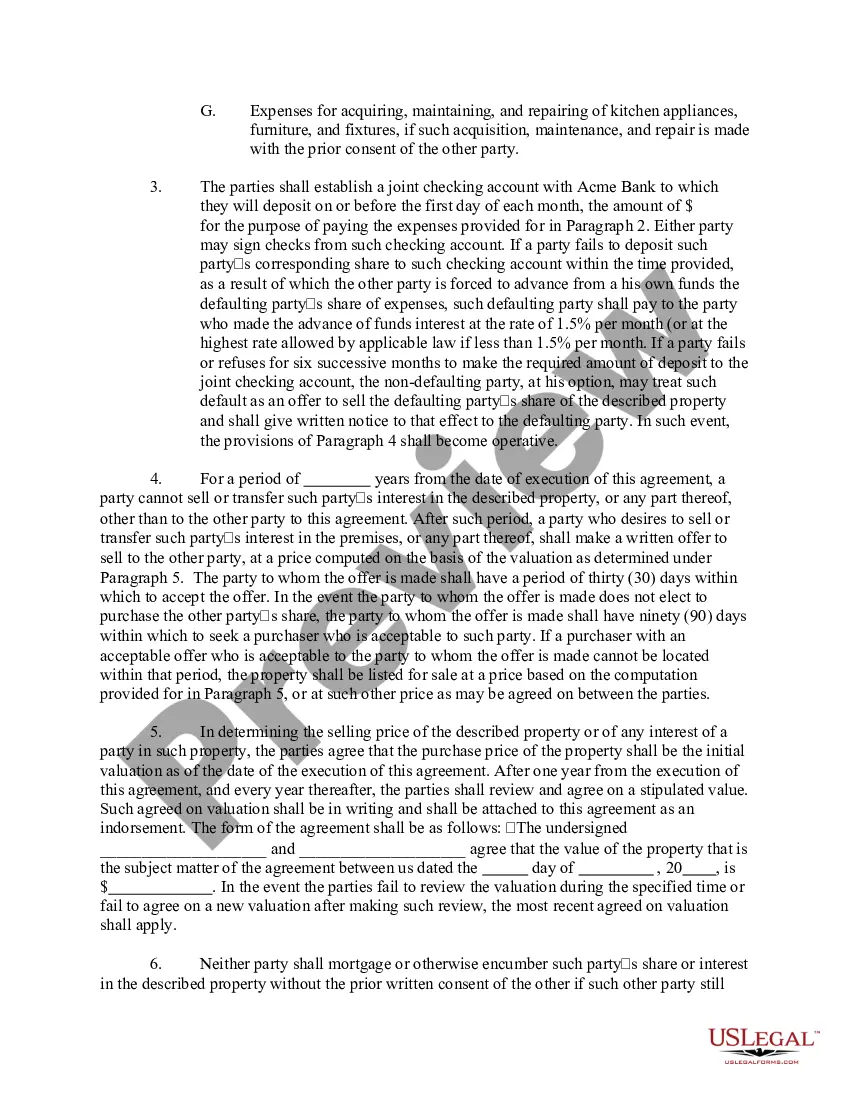
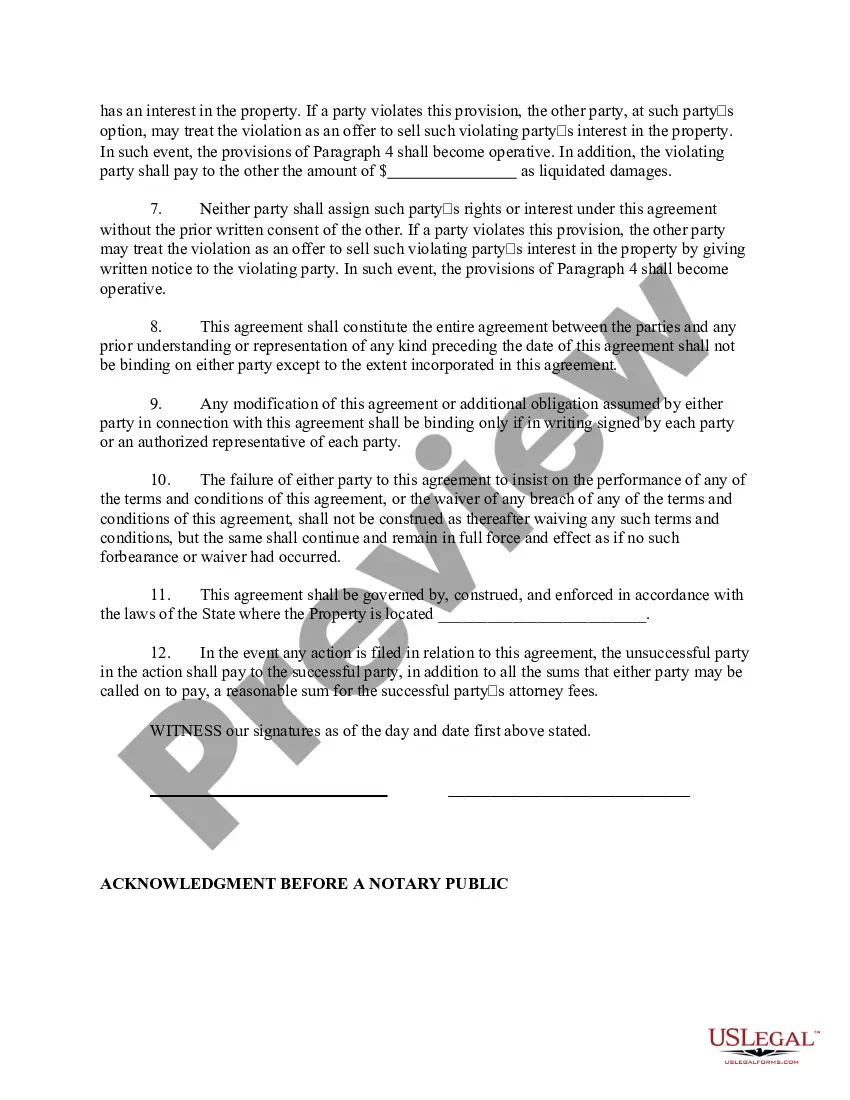
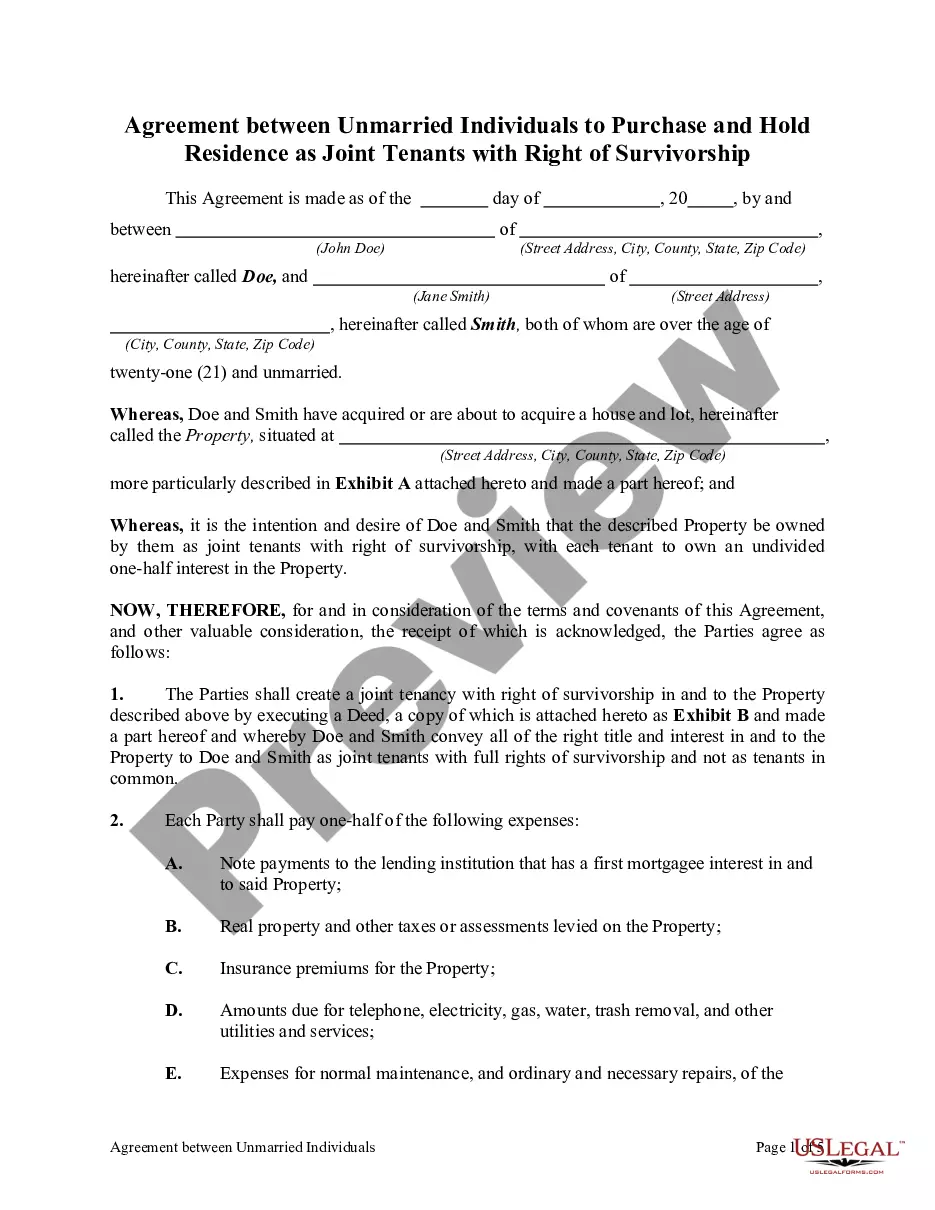
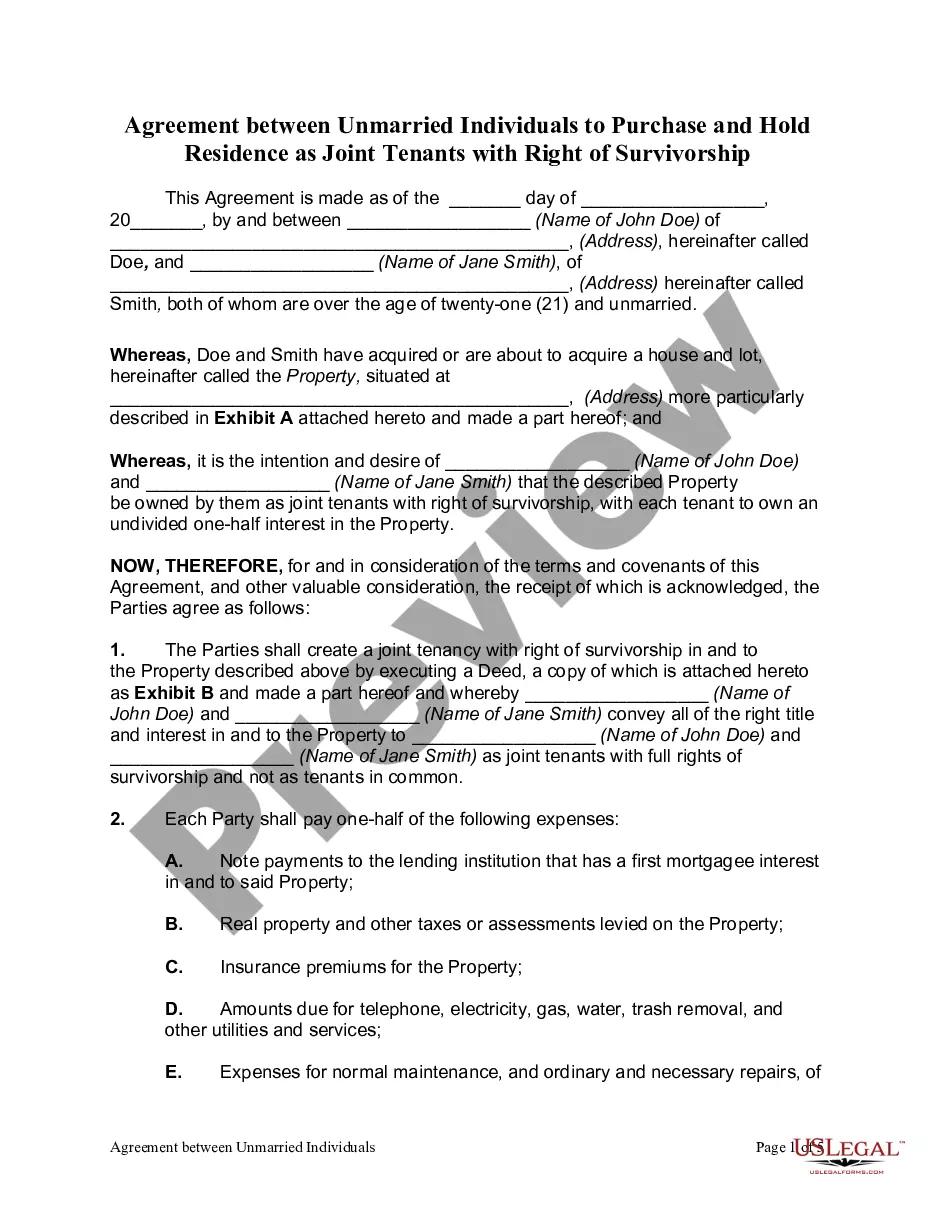
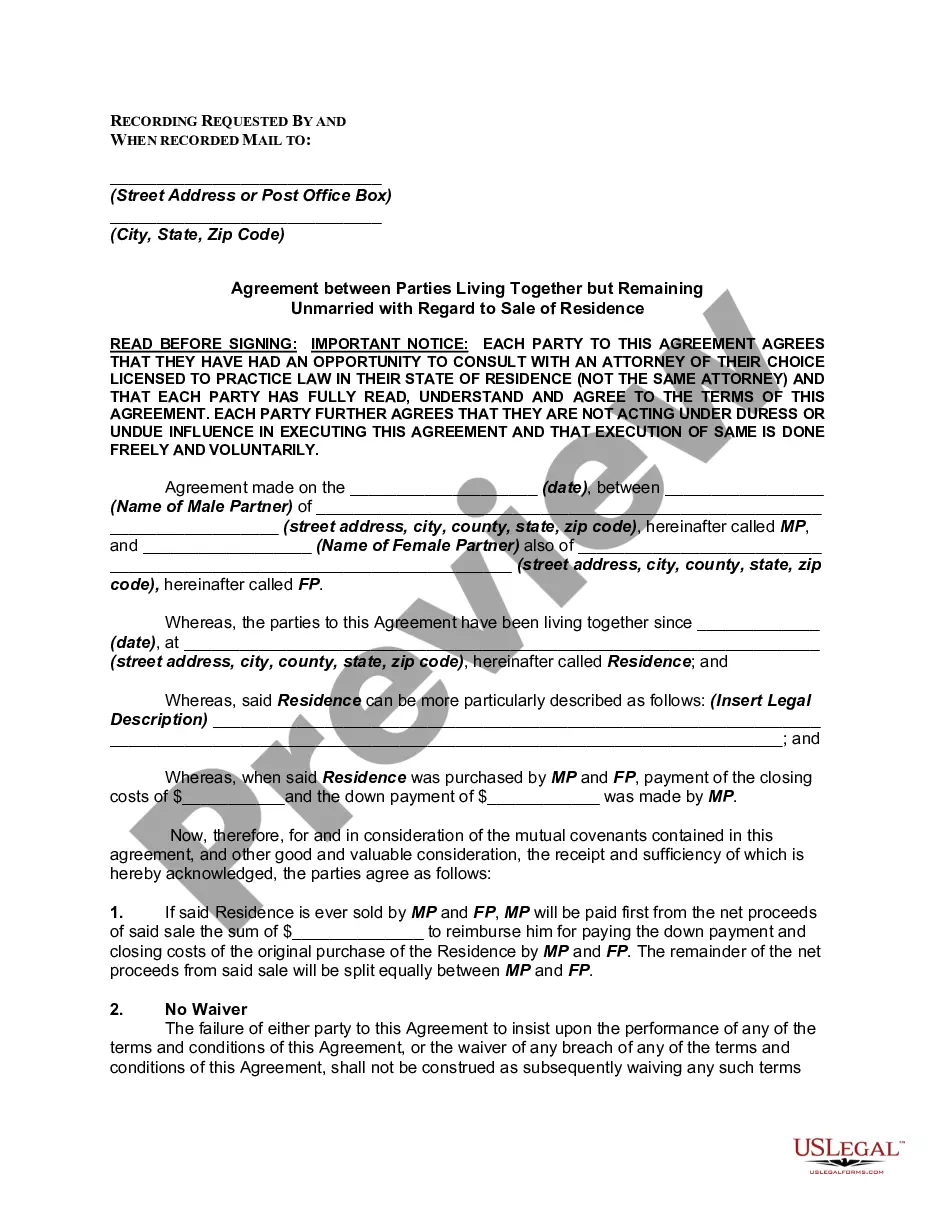
Get your form ready online
Our built-in tools help you complete, sign, share, and store your documents in one place.
Make edits, fill in missing information, and update formatting in US Legal Forms—just like you would in MS Word.
Download a copy, print it, send it by email, or mail it via USPS—whatever works best for your next step.
Sign and collect signatures with our SignNow integration. Send to multiple recipients, set reminders, and more. Go Premium to unlock E-Sign.
If this form requires notarization, complete it online through a secure video call—no need to meet a notary in person or wait for an appointment.
We protect your documents and personal data by following strict security and privacy standards.

Make edits, fill in missing information, and update formatting in US Legal Forms—just like you would in MS Word.

Download a copy, print it, send it by email, or mail it via USPS—whatever works best for your next step.

Sign and collect signatures with our SignNow integration. Send to multiple recipients, set reminders, and more. Go Premium to unlock E-Sign.

If this form requires notarization, complete it online through a secure video call—no need to meet a notary in person or wait for an appointment.

We protect your documents and personal data by following strict security and privacy standards.
Looking for another form?


Form popularity
FAQ
In the absence of an agreement to the contrary, typically it would be a 50-50 split. The other party would be forced to buy out your equity in the property and refinance the mortgage so that it is in her name, or the property would have to be sold and you'd split the proceeds.
Courts usually award each spouse his or her separate property and divide community property 50/50. Consequently, if the house is entirely one spouses' separate property, he or she almost always receives it unless the parties agree otherwise.
Washington does not recognize common-law marriages. Even if you have been living together for over ten years or several decades, you do not have the same rights as a legally married couple. Even having children, using identical surnames, and living together will not qualify for a common-law marriage.
In Washington, couples in a qualifying committed intimate relationship have some of the same rights and duties as married couples, including: the right to contract with each other. the duty to support their children (as is true for all parents, married or not)
Joint Tenancy. If you take title as joint tenants, you share equal ownership of the property and each of you has the right to use the entire property. If one joint tenant dies, the other automatically becomes the owner of the deceased person's share, even if there's a will to the contrary.
Dividing a House in Washington State: Community Property State: Washington State is a community property state, meaning both spouses own an undivided interest in the house. The court has discretion to divide the property fairly, which might not always be a 50/50 split. Determining The Equity: To divide the house, f.
Does Washington State have common law marriage? No. To have a valid marriage here, you must have a marriage license (state law says this at RCW 26.04.
To form a common law marriage in D.C., parties have to have an express, mutual agreement in words of the present tense, to be permanent partners with the same degree of commitment as the spouses in a ceremonial marriage followed by cohabitation.
