Joint Tenants Force Sale In Nassau
Description

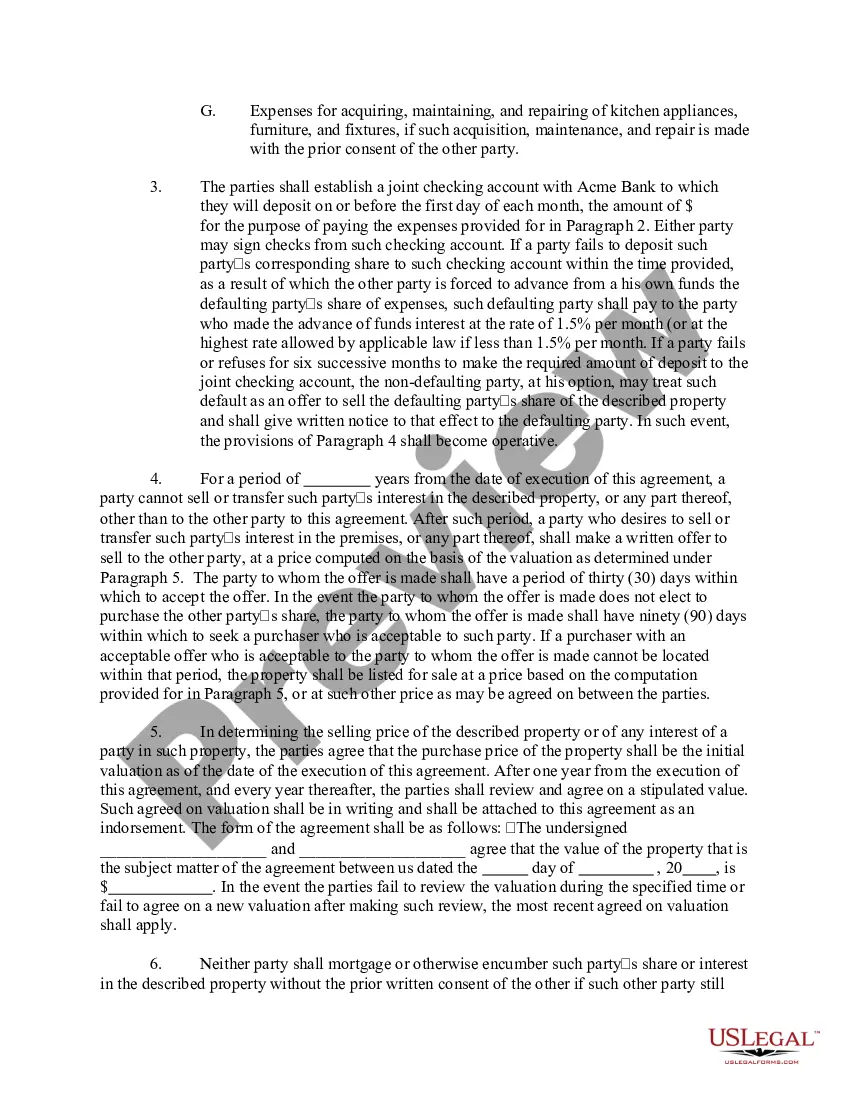
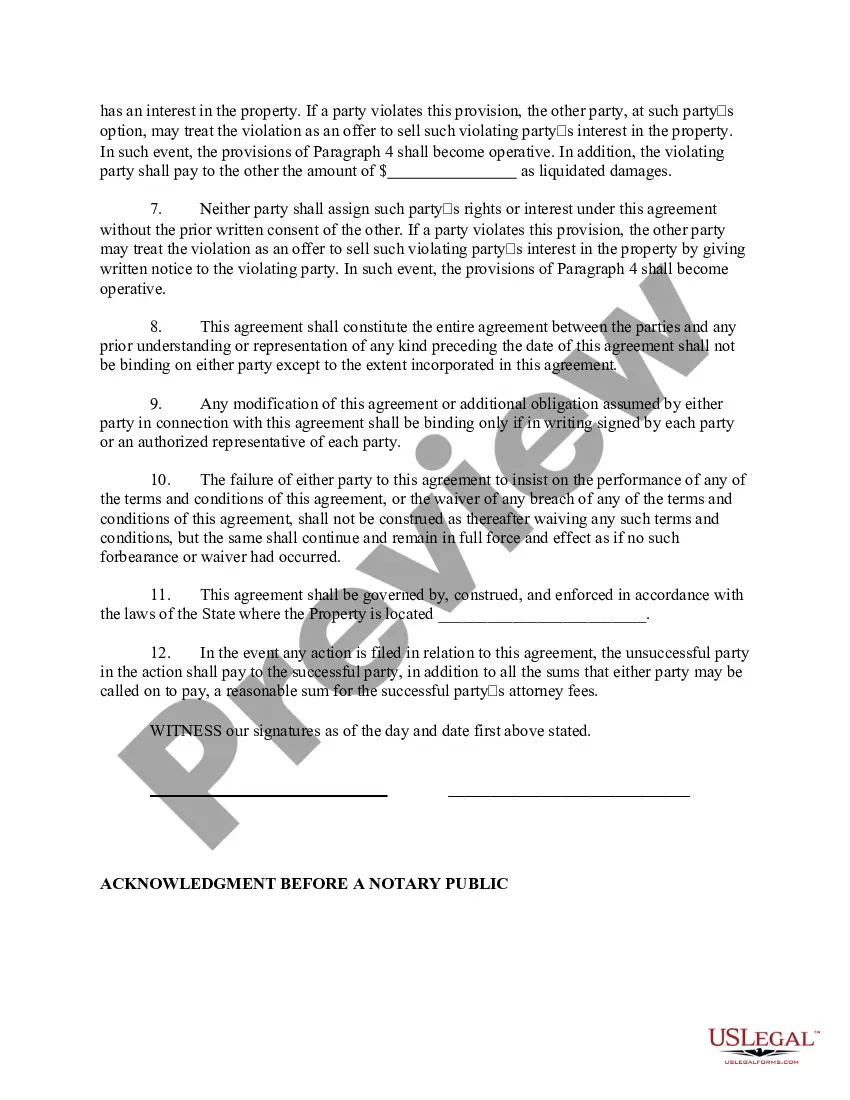
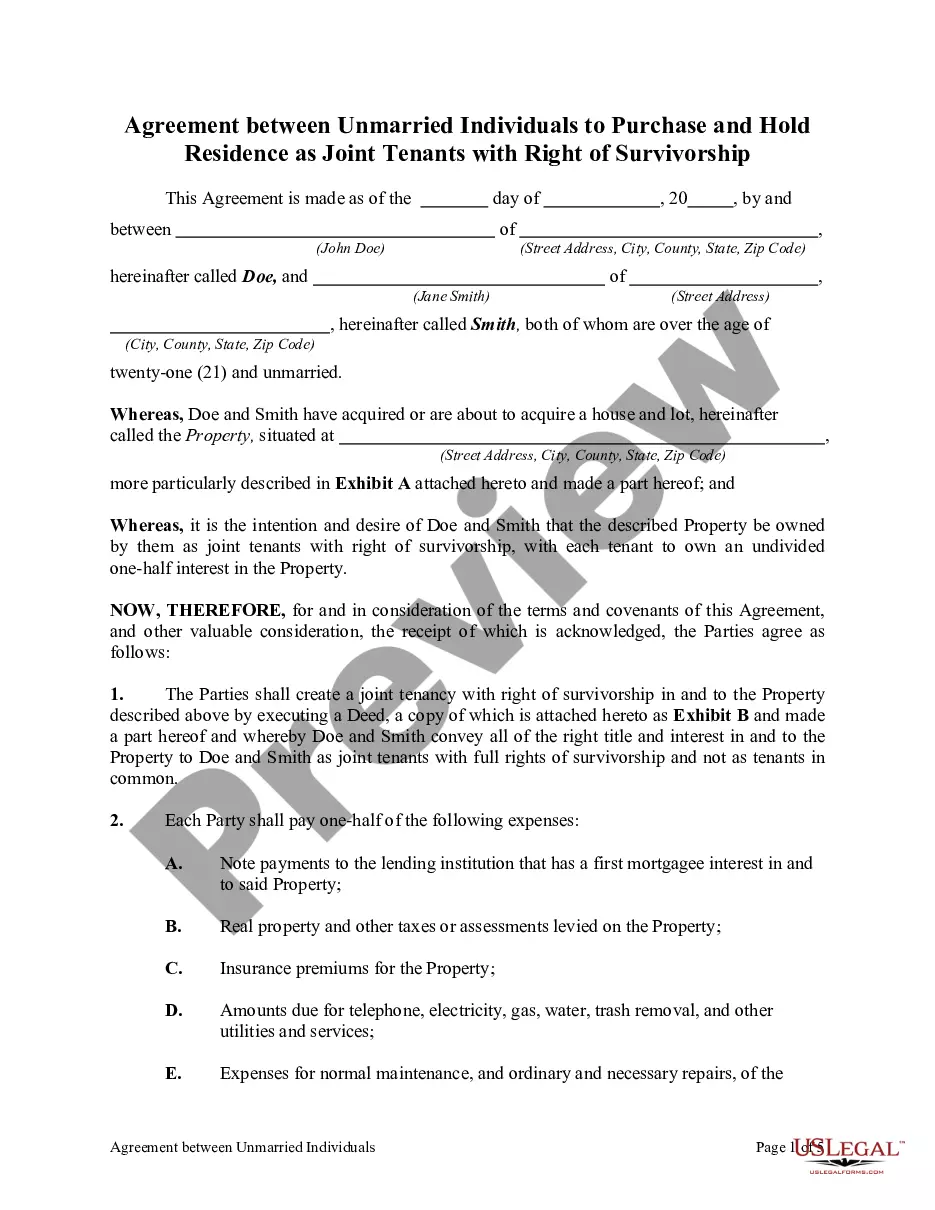
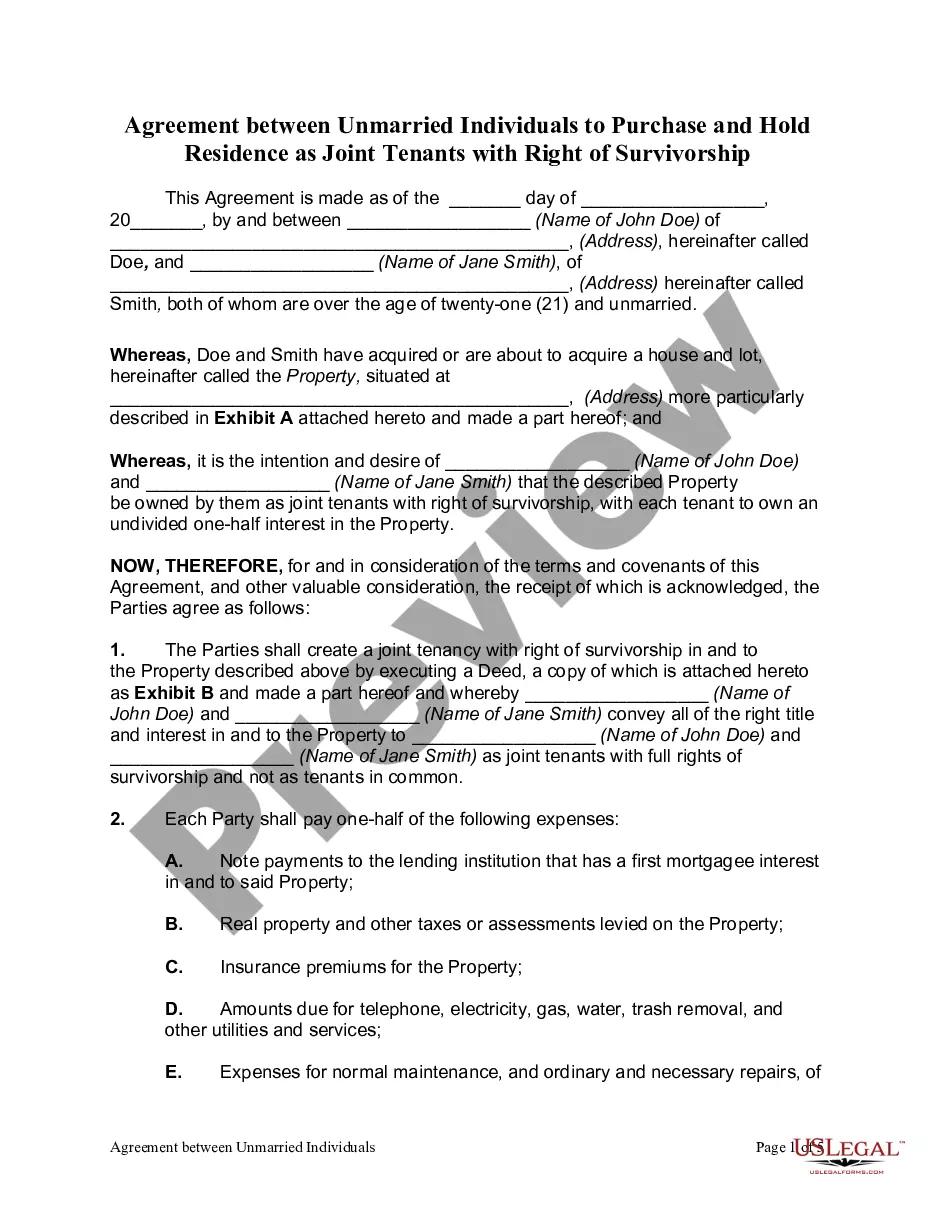
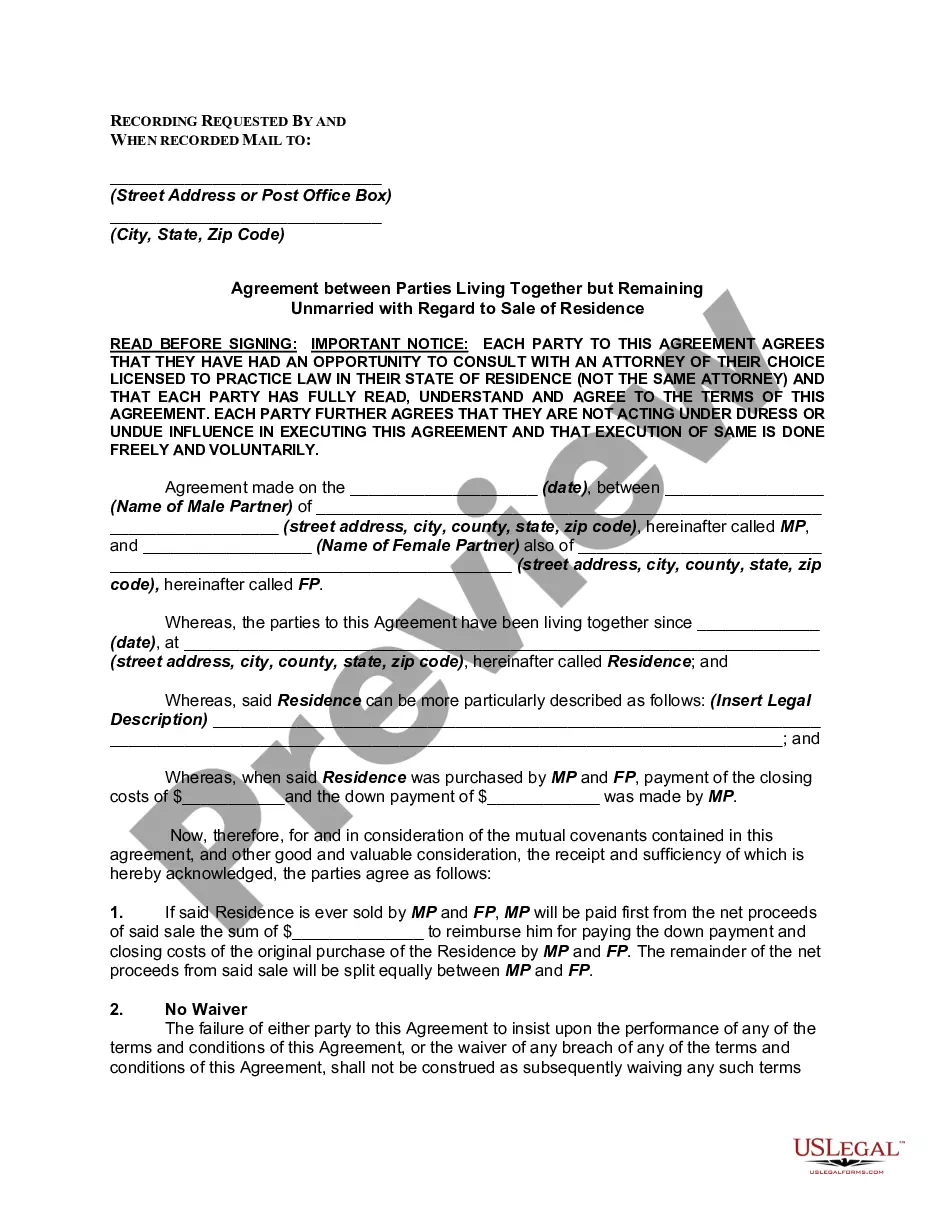
Get your form ready online
Our built-in tools help you complete, sign, share, and store your documents in one place.
Make edits, fill in missing information, and update formatting in US Legal Forms—just like you would in MS Word.
Download a copy, print it, send it by email, or mail it via USPS—whatever works best for your next step.
Sign and collect signatures with our SignNow integration. Send to multiple recipients, set reminders, and more. Go Premium to unlock E-Sign.
If this form requires notarization, complete it online through a secure video call—no need to meet a notary in person or wait for an appointment.
We protect your documents and personal data by following strict security and privacy standards.

Make edits, fill in missing information, and update formatting in US Legal Forms—just like you would in MS Word.

Download a copy, print it, send it by email, or mail it via USPS—whatever works best for your next step.

Sign and collect signatures with our SignNow integration. Send to multiple recipients, set reminders, and more. Go Premium to unlock E-Sign.

If this form requires notarization, complete it online through a secure video call—no need to meet a notary in person or wait for an appointment.

We protect your documents and personal data by following strict security and privacy standards.
Looking for another form?


Form popularity
FAQ
Joint tenants – each owner owns an undivided interest in the whole property, but if the interest is sold, the joint tenancy ends and the owners become tenants in common. If one of the joint tenants dies, the deceased person's interest automatically goes to the other joint tenant.
Yes, she can sell anything she owns. If the house is owned by both wife and husband then both have to consent to the sale. That's the way it works in NY.
If you co-own property such as a home, building or vacant land with someone in New York and have come to find this co-ownership situation unbearable, undesirable or unaffordable you can under New York State's RPAPL Article 9 Partition law bring a partition action and force your co-owner to either sell the property or ...
One owner can not force a sale of the entire property without the consent of all. A co-owner can apply to the court for an order a sale in lieu of partition. An application could be made to the court for a partition and/or sales. Courts have the discretion to refuse a sale.
Partition actions may be needed whenever co-owners (known as tenants in common) cannot agree on how an inherited property should be used. The majority of these actions involve selling the property and dividing the proceeds among the owners.
New has four requirements for joint tenancy with rights of survivorship: All owners must have own an equal percentage of the property. The property will be distributed equally among the remaining owners when one owner dies, so no one person can own a bigger share than another.
If There Is No Will When a person passes away without a will, the property is transferred ing to the laws of intestate succession. Under these circumstances, the probate court (known as the Surrogate's Court in New York) plays a pivotal role by appointing the person to administer your estate.