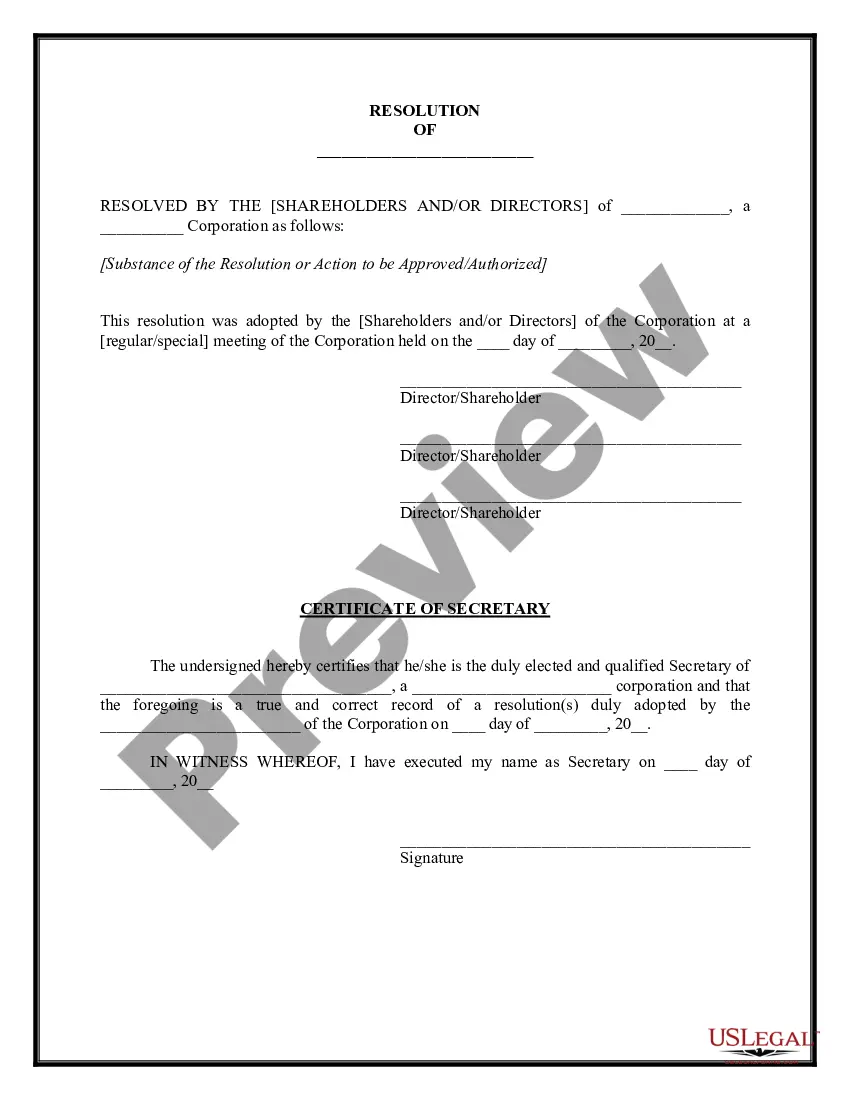
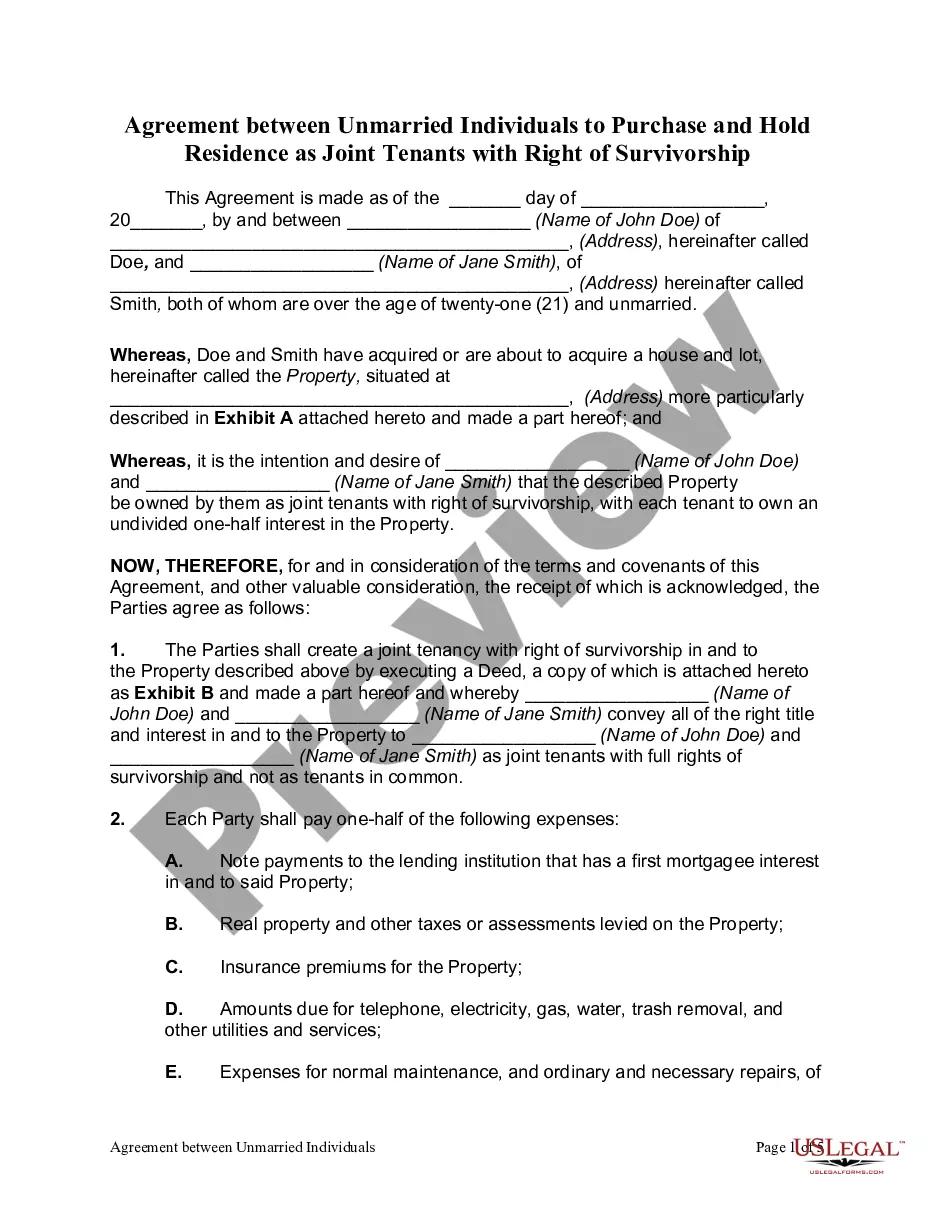
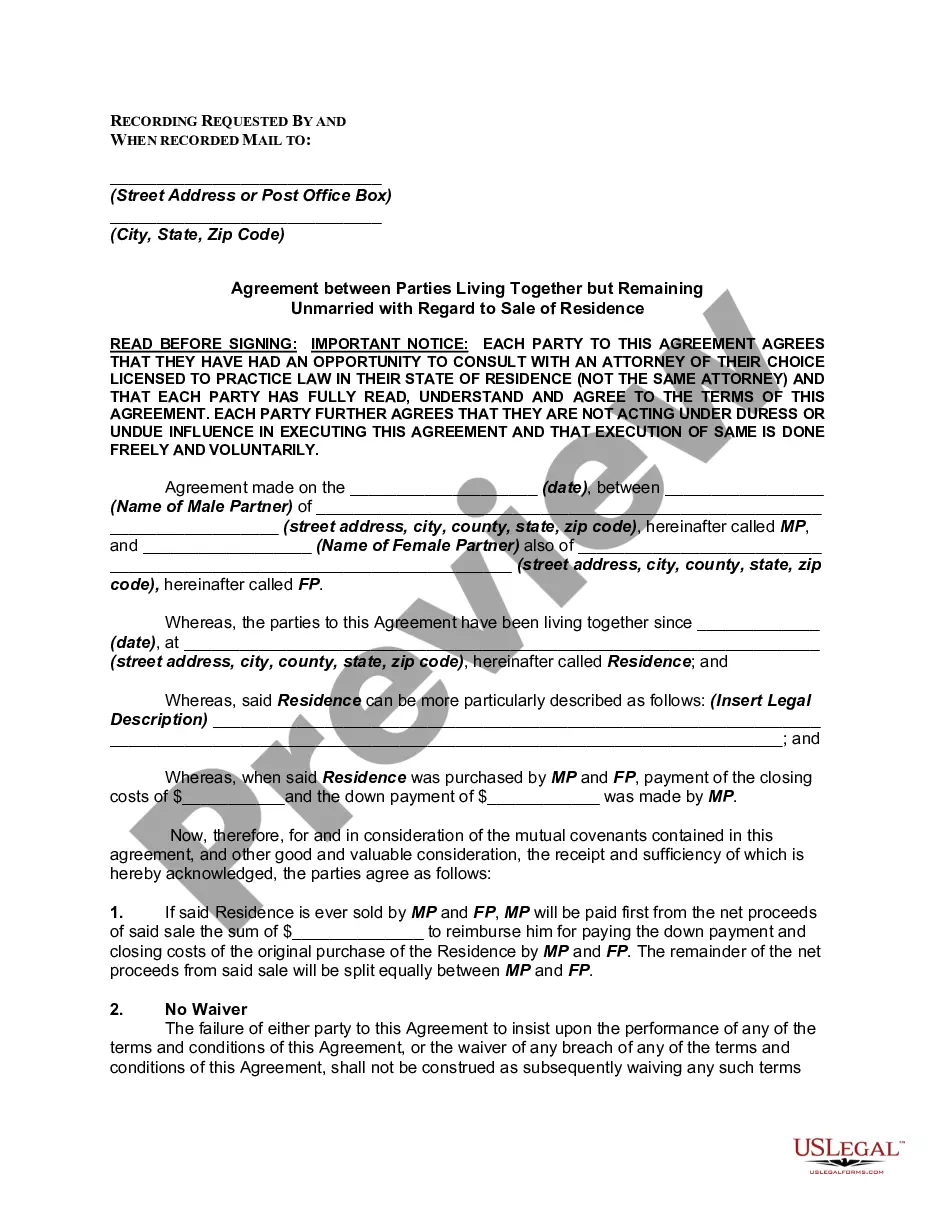
Agreement Unmarried With Spouse In Massachusetts
Description

Get your form ready online
Our built-in tools help you complete, sign, share, and store your documents in one place.
Make edits, fill in missing information, and update formatting in US Legal Forms—just like you would in MS Word.
Download a copy, print it, send it by email, or mail it via USPS—whatever works best for your next step.
Sign and collect signatures with our SignNow integration. Send to multiple recipients, set reminders, and more. Go Premium to unlock E-Sign.
If this form requires notarization, complete it online through a secure video call—no need to meet a notary in person or wait for an appointment.
We protect your documents and personal data by following strict security and privacy standards.

Make edits, fill in missing information, and update formatting in US Legal Forms—just like you would in MS Word.

Download a copy, print it, send it by email, or mail it via USPS—whatever works best for your next step.

Sign and collect signatures with our SignNow integration. Send to multiple recipients, set reminders, and more. Go Premium to unlock E-Sign.

If this form requires notarization, complete it online through a secure video call—no need to meet a notary in person or wait for an appointment.

We protect your documents and personal data by following strict security and privacy standards.
Looking for another form?
Form popularity
FAQ
Massachusetts does not allow the creation of a "common law" marriage, a relationship in which a couple lives together but have not participated in a lawful ceremony. Unlike some other states, in Massachusetts a couple cannot acquire marital rights and responsibilities by living together for a particular period of time.
In order to file for a domestic partnership in Massachusetts, you and your partner must meet certain requirements: You must be living together. You must share basic living expenses. Neither of you can be in a marriage or domestic partnership with another party.
Any person in a domestic partnership may voluntarily withdraw from the domestic partnership by filing a withdrawal statement. 1. Any person in a domestic partnership may voluntarily withdraw from the domestic partnership by filing with the City Clerk, by hand or by certified mail, a withdrawal statement.
No matter what reason causes the end of the relationship, Massachusetts does not recognize any rights for a couple who cohabit without marriage. This means there is no property division of separately owned property. No palimony (or alimony). No rights if your partner is hospitalized.
Massachusetts (which included Maine, 1652–1820) abolished common law marriage during the colonial period and before it was abolished in England and Wales.
In order to file for a domestic partnership in Massachusetts, you and your partner must meet certain requirements: You must be living together. You must share basic living expenses. Neither of you can be in a marriage or domestic partnership with another party.
Marriages outside of Massachusetts Ceremonies conducted in other states — as well as by designated people in foreign countries — are recognized as valid in the Bay State.
The Court held that "cohabitation in Massachusetts does not create the relationship of husband and wife in the absence of a formal solemnization of marriage." Common-law marriage is not recognized in Massachusetts.
No. Registered domestic partners may not file a federal return using a married filing separately or jointly filing status. Registered domestic partners are not married under state law. Therefore, these taxpayers are not married for federal tax purposes.