Joint Tenants Force Sale In Kings
Description

Get your form ready online
Our built-in tools help you complete, sign, share, and store your documents in one place.
Make edits, fill in missing information, and update formatting in US Legal Forms—just like you would in MS Word.
Download a copy, print it, send it by email, or mail it via USPS—whatever works best for your next step.
Sign and collect signatures with our SignNow integration. Send to multiple recipients, set reminders, and more. Go Premium to unlock E-Sign.
If this form requires notarization, complete it online through a secure video call—no need to meet a notary in person or wait for an appointment.
We protect your documents and personal data by following strict security and privacy standards.

Make edits, fill in missing information, and update formatting in US Legal Forms—just like you would in MS Word.

Download a copy, print it, send it by email, or mail it via USPS—whatever works best for your next step.

Sign and collect signatures with our SignNow integration. Send to multiple recipients, set reminders, and more. Go Premium to unlock E-Sign.

If this form requires notarization, complete it online through a secure video call—no need to meet a notary in person or wait for an appointment.

We protect your documents and personal data by following strict security and privacy standards.
Looking for another form?


Form popularity
FAQ
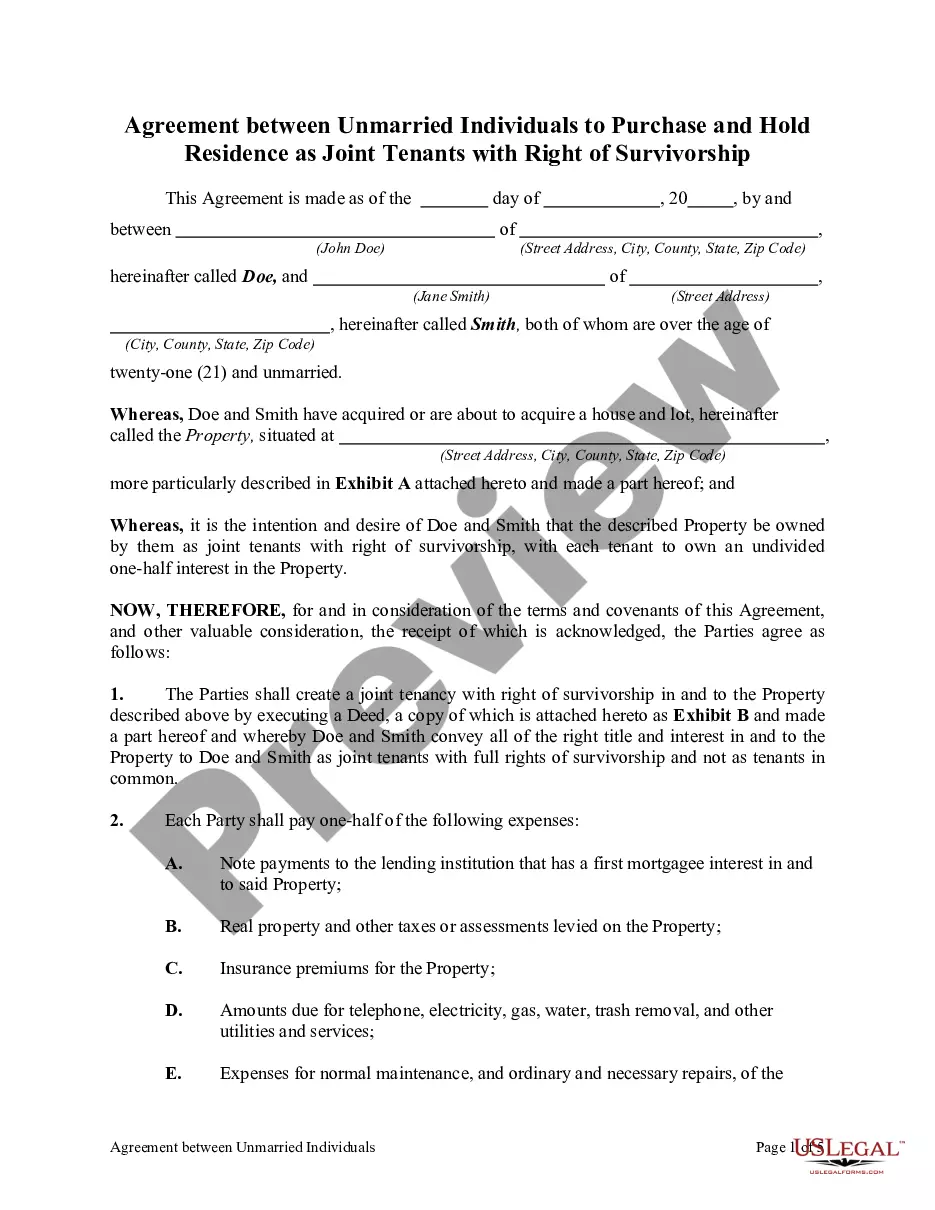
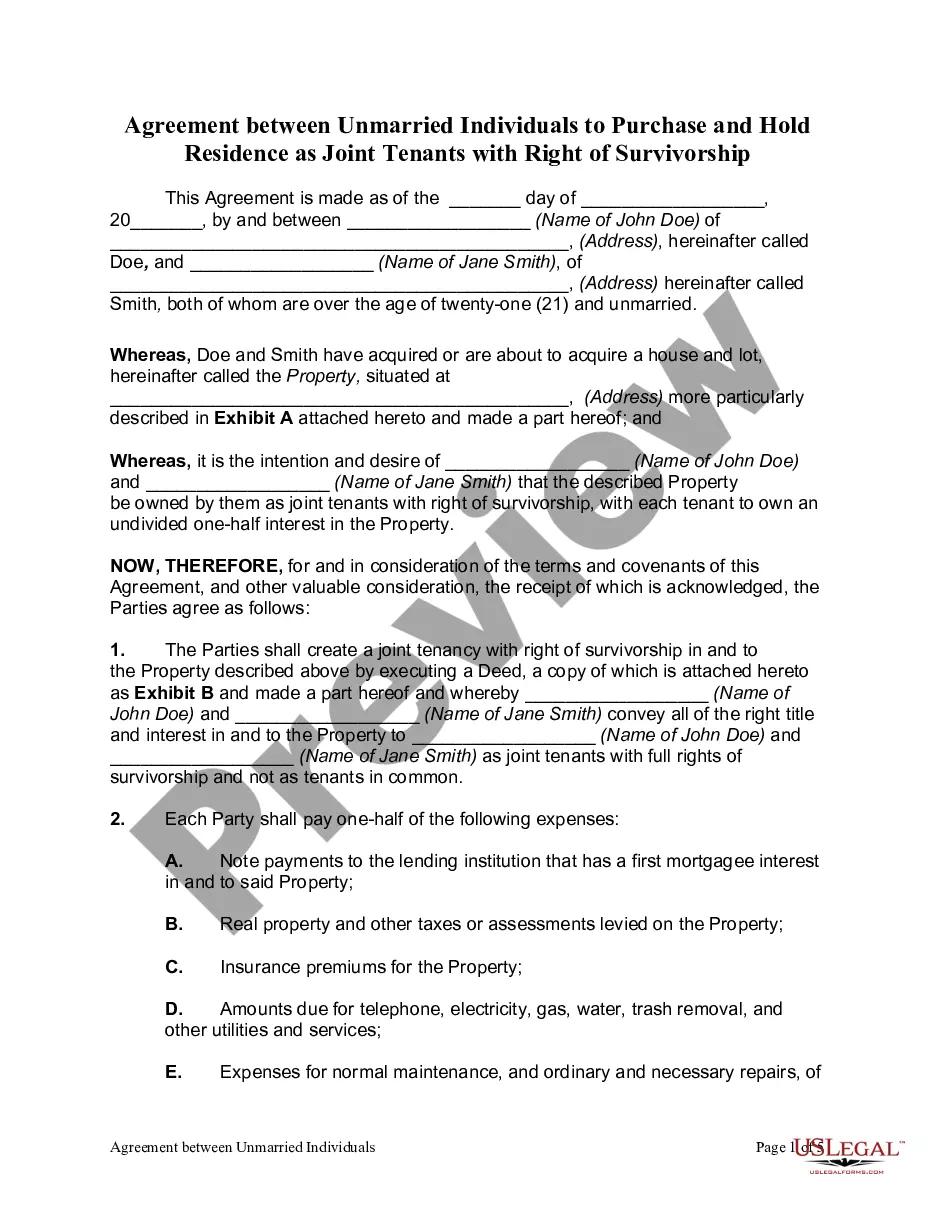
Joint tenancy provides an efficient and straightforward way for two or more people to co-own property, particularly real estate. It ensures that when one tenant dies, their share is passed on to the surviving tenants without the hassle of probate.
A revocable trust allows you to maintain control of your property during your life, and decide how the property is distributed after death, without needing to go through probate court. Your trust can include your home and any other assets you have, making it a comprehensive solution for your entire estate.
Joint tenancy should be used with extreme caution. It can subject a co- owner to unnecessary taxes and liabili- ty for the other co-owner's debts. It can also deprive heirs of bequeathed prop- erty and, in California, leave the joint tenant without right of survivorship.
Joint tenants you have equal rights to the whole property. the property automatically goes to the other owners if you die. you cannot pass on your ownership of the property in your will.
Despite the many advantages, there are also potential drawbacks to consider with Co-Ownership. a) Limited Usage. b) Potential Main Residence. c) Reduced Control over Management. d) Need for Coordination among Co-Owners. e) Longer-Term Commitment.
The primary pitfalls are the need for agreement, the potential for assets to be frozen, and loss of control over the distribution of assets after death. Tenancy in common is an alternative to joint tenancy that avoids some of its drawbacks.
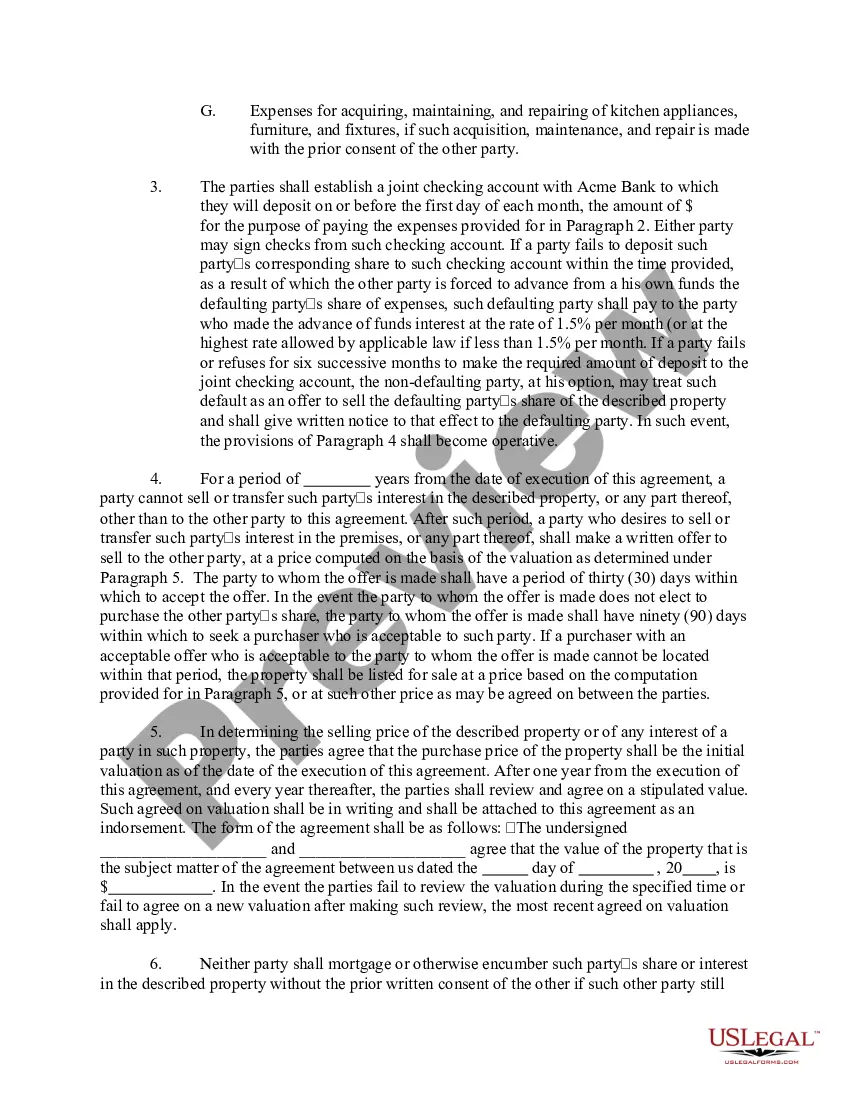
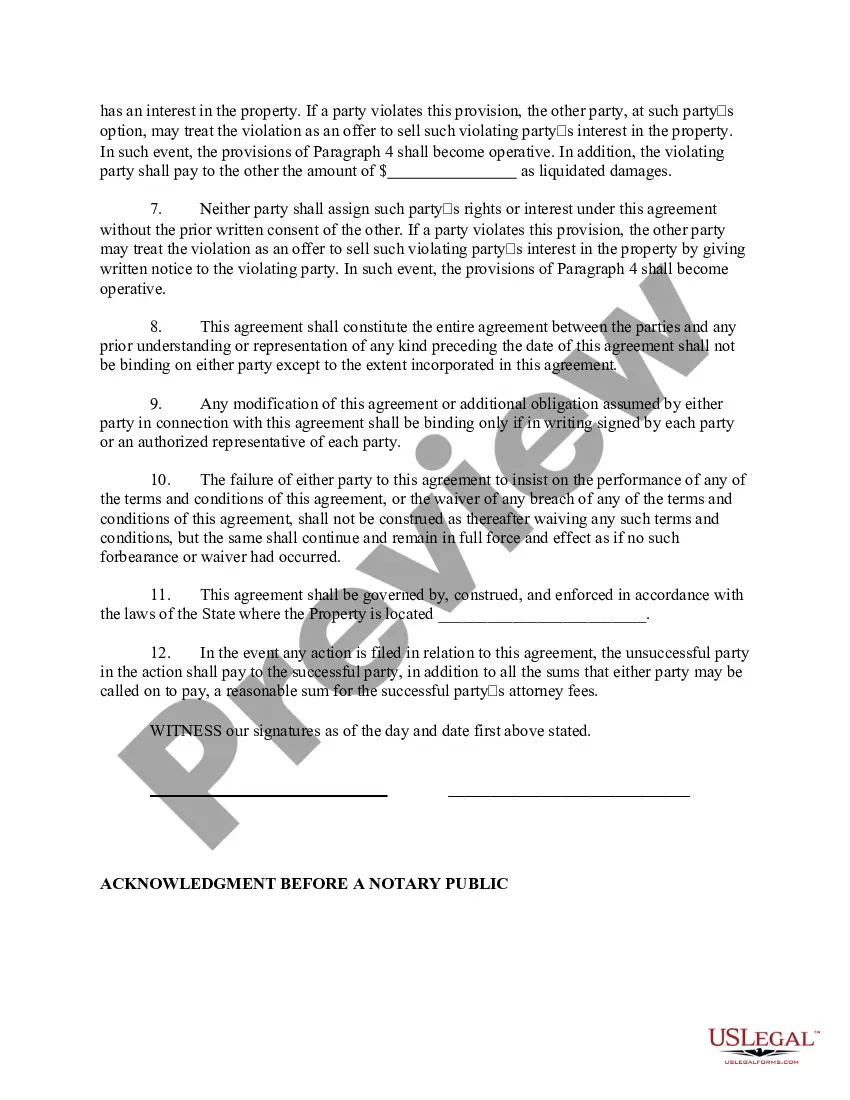
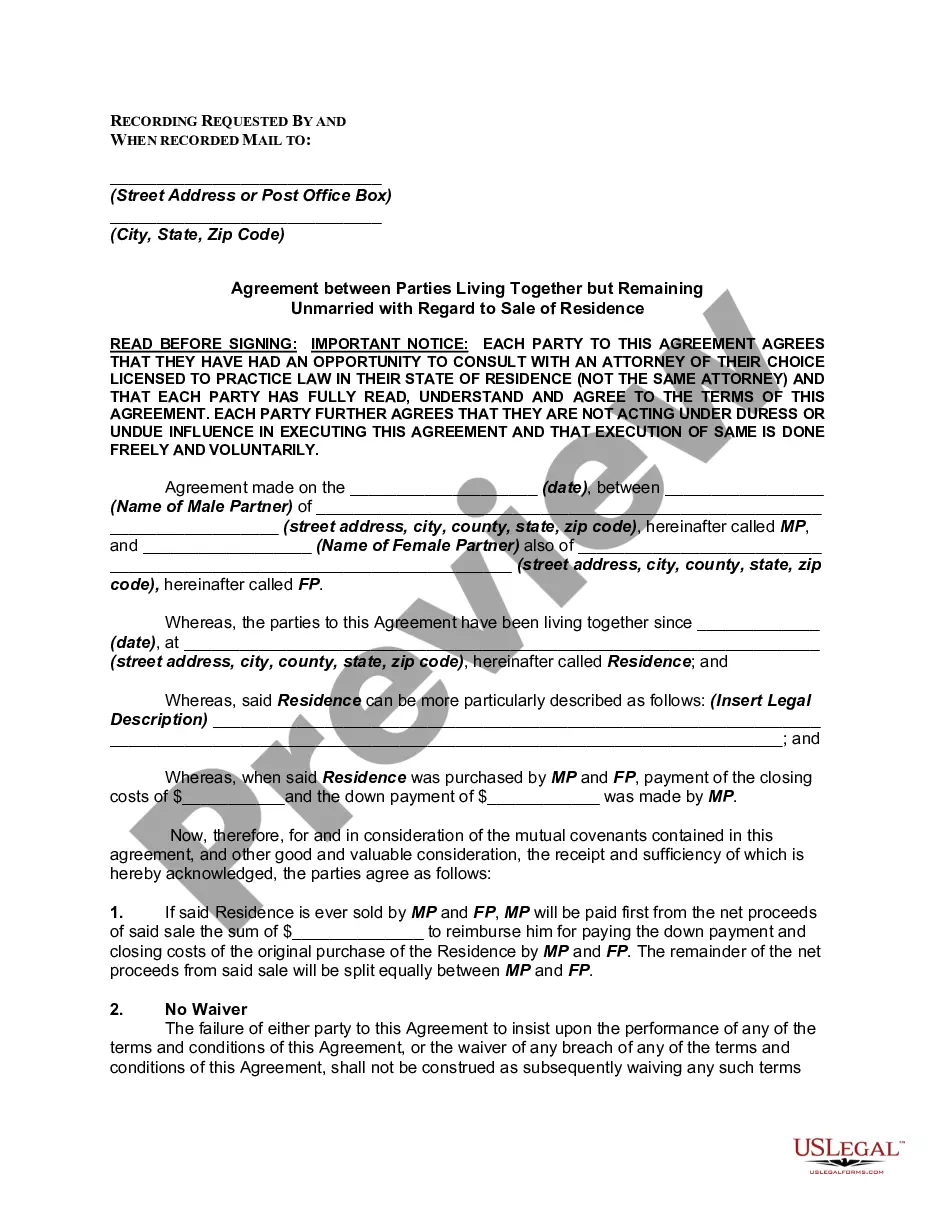
A joint owner wanting to sell should attempt to make an agreement with the other joint owner or owners before hiring an attorney for a partition action. If the joint owners will not sell, a partition action asks the court to force the sale and divide the proceeds equally.
If your partner is not willing to sell the business, you may have to take legal action. You could sue her for breach of contract or for damages. However, this is a complex process and it's important to speak to an attorney before taking any legal action.
Can I force a sale of a jointly owned property in California? Yes, you can file a partition action to force a sale of a jointly-owned property if you can't reach an agreement with the other joint property owners.
The primary pitfalls are the need for agreement, the potential for assets to be frozen, and loss of control over the distribution of assets after death. Tenancy in common is an alternative to joint tenancy that avoids some of its drawbacks.