Agreement Division Property With Landlord In Wake
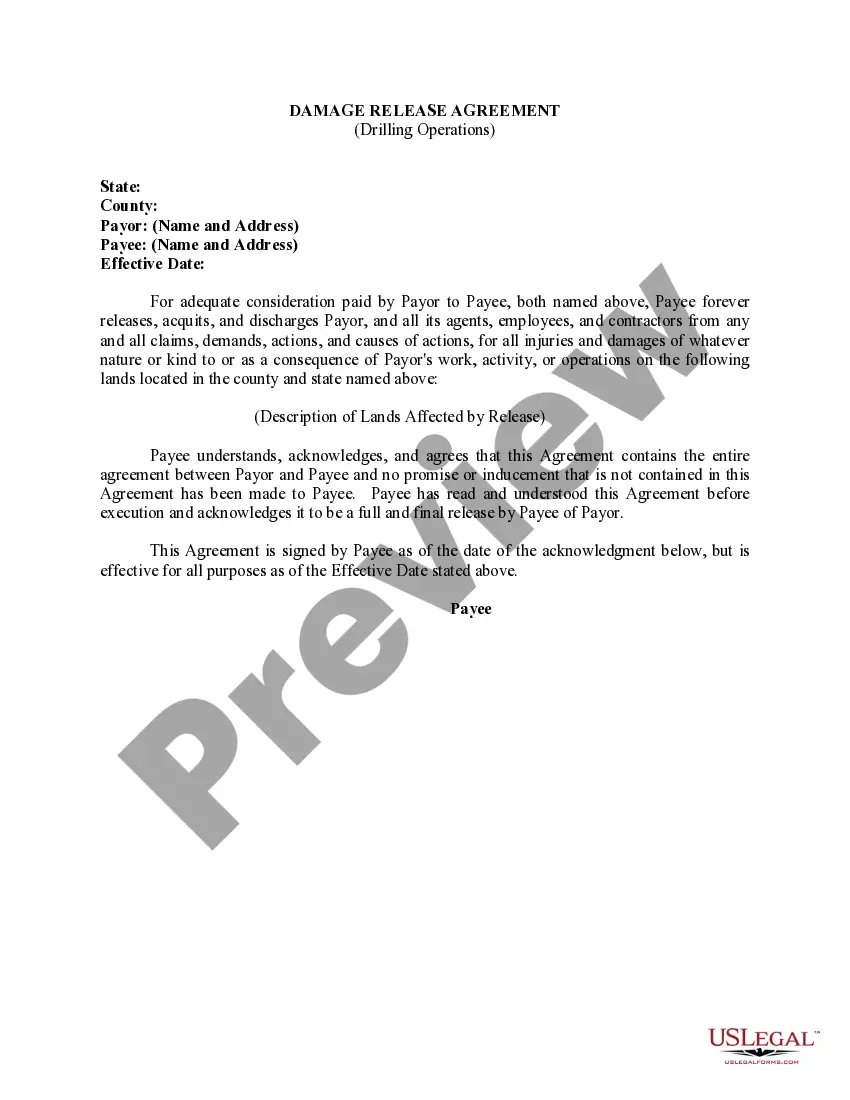
Description

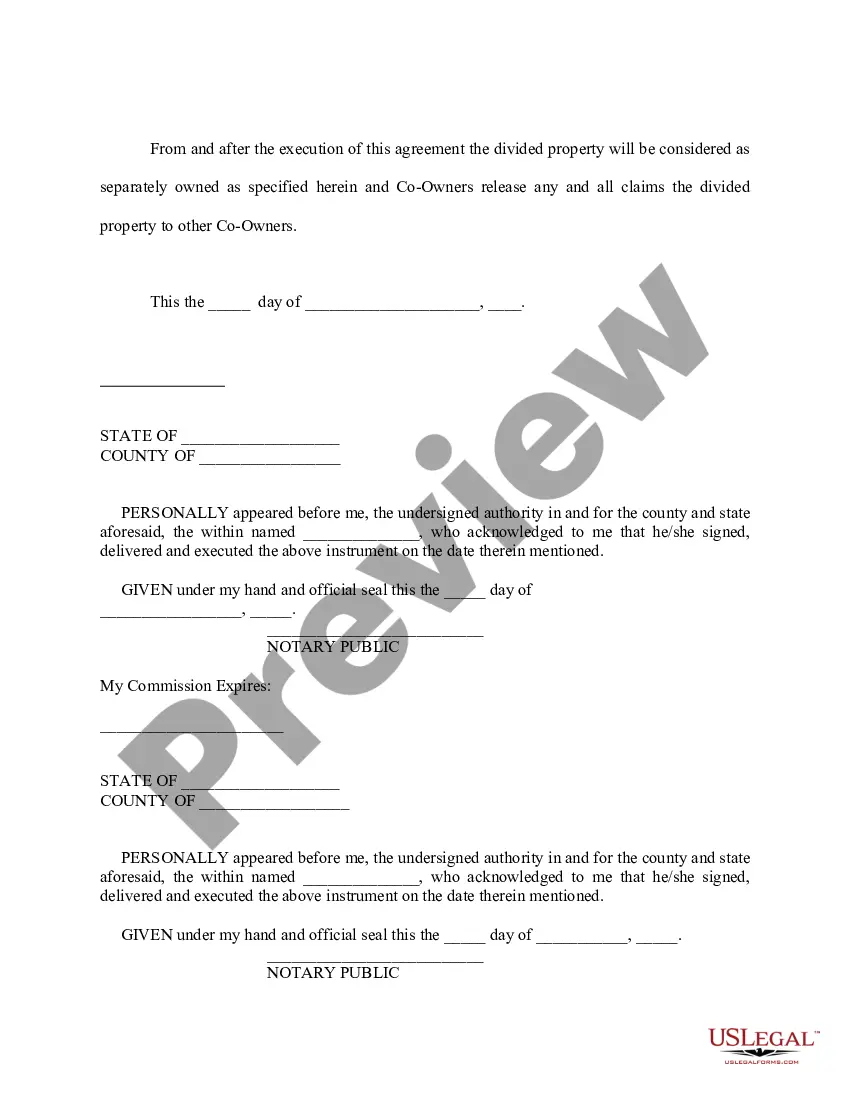
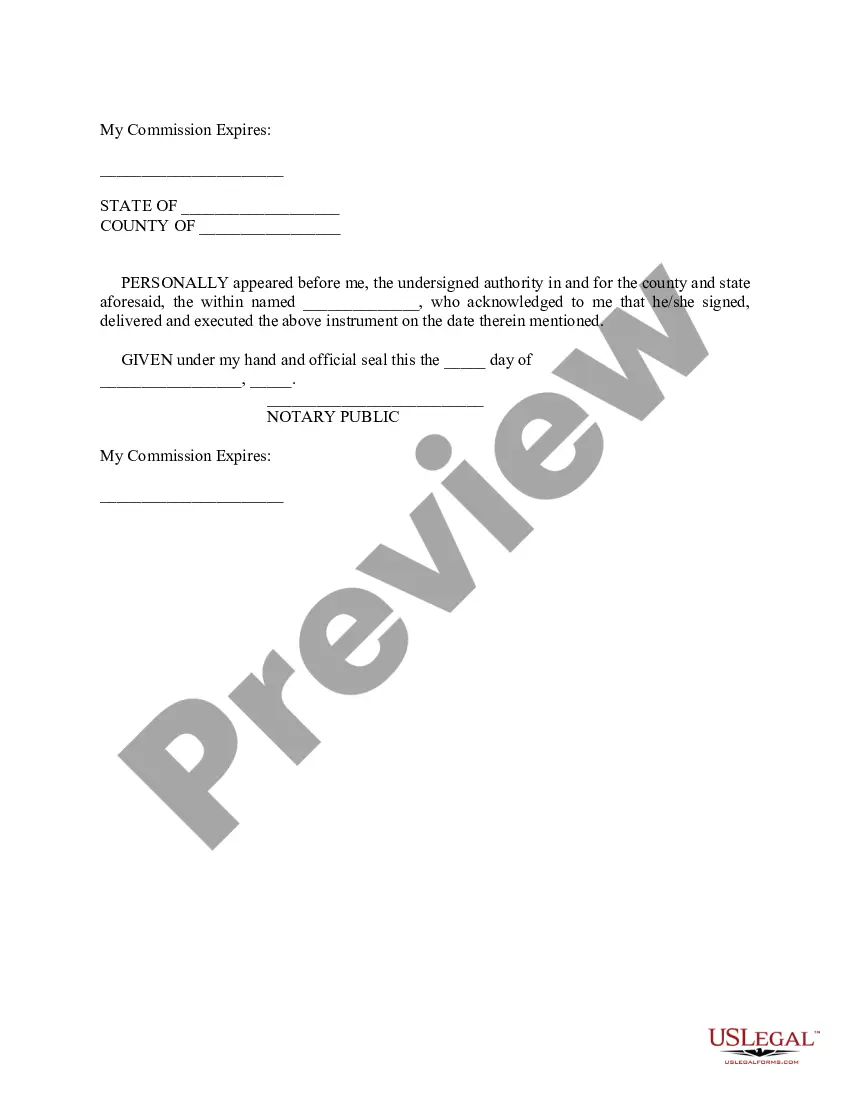
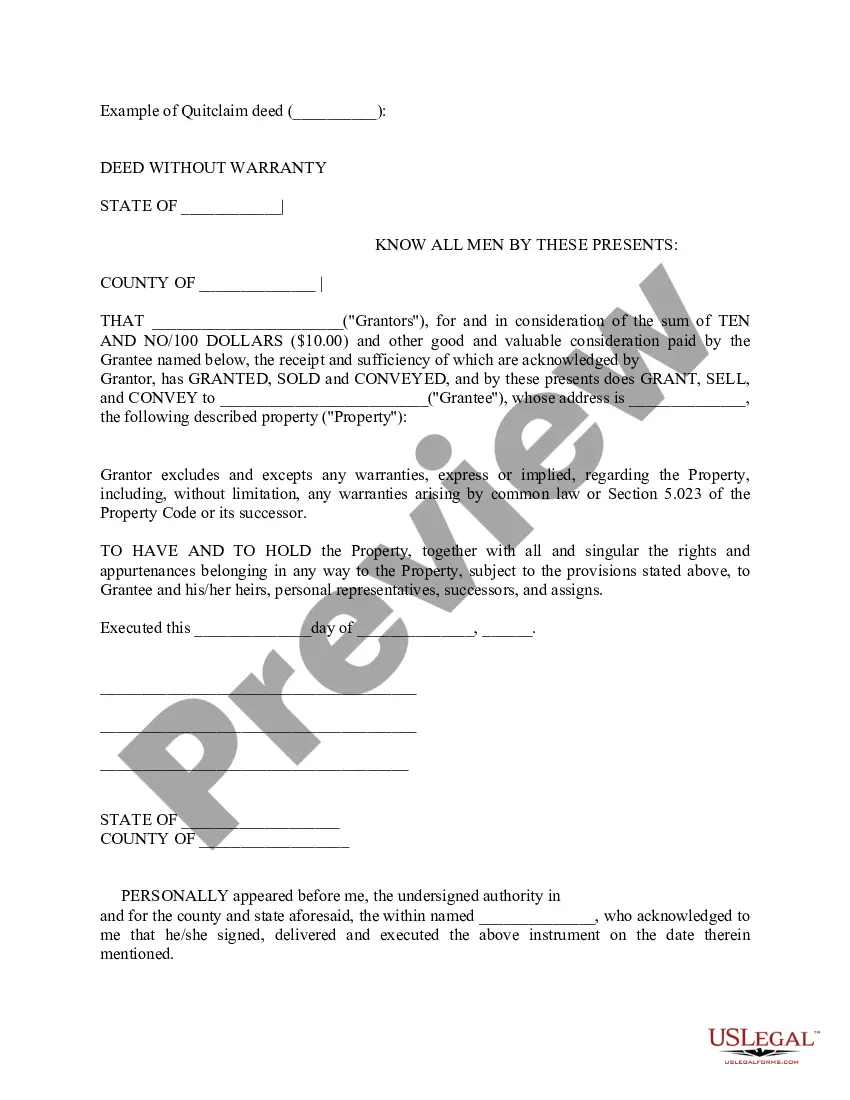
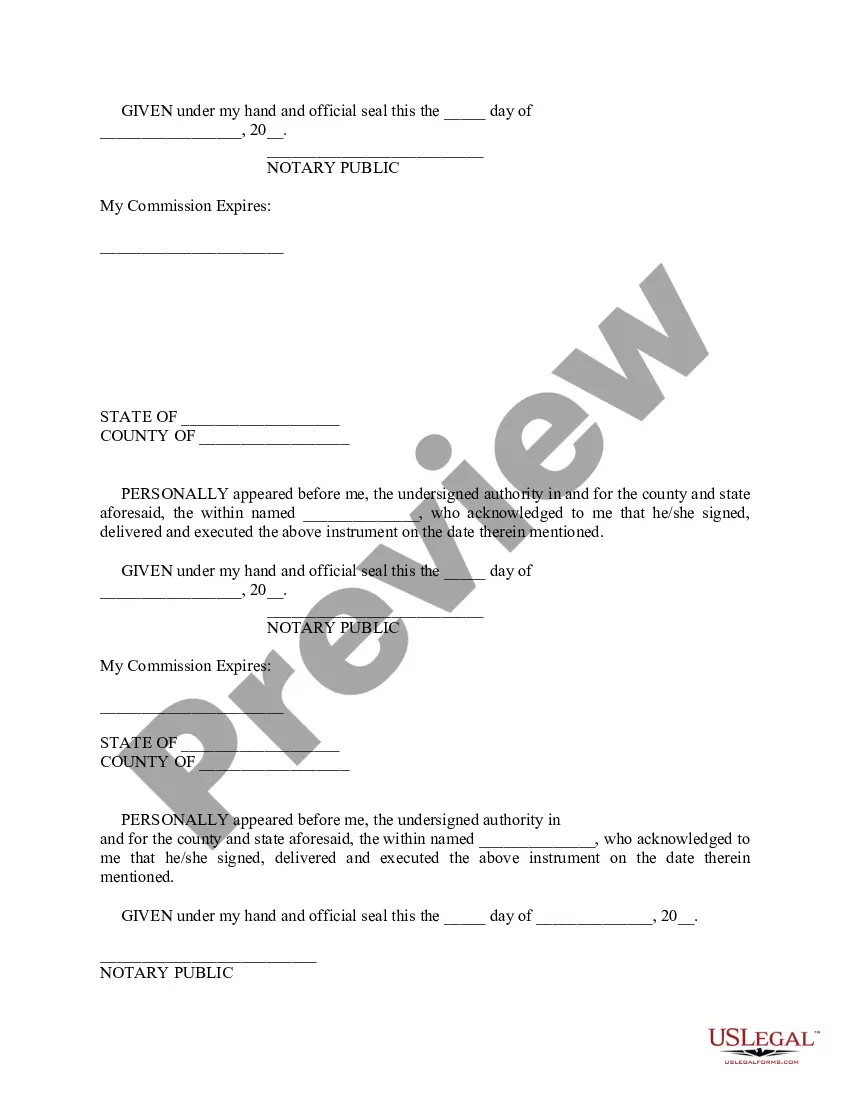

Get your form ready online
Our built-in tools help you complete, sign, share, and store your documents in one place.
Make edits, fill in missing information, and update formatting in US Legal Forms—just like you would in MS Word.
Download a copy, print it, send it by email, or mail it via USPS—whatever works best for your next step.
Sign and collect signatures with our SignNow integration. Send to multiple recipients, set reminders, and more. Go Premium to unlock E-Sign.
If this form requires notarization, complete it online through a secure video call—no need to meet a notary in person or wait for an appointment.
We protect your documents and personal data by following strict security and privacy standards.

Make edits, fill in missing information, and update formatting in US Legal Forms—just like you would in MS Word.

Download a copy, print it, send it by email, or mail it via USPS—whatever works best for your next step.

Sign and collect signatures with our SignNow integration. Send to multiple recipients, set reminders, and more. Go Premium to unlock E-Sign.

If this form requires notarization, complete it online through a secure video call—no need to meet a notary in person or wait for an appointment.

We protect your documents and personal data by following strict security and privacy standards.
Looking for another form?

Form popularity
FAQ
Your responsibilities. You should give your landlord access to the property to inspect it or carry out repairs. Your landlord has to give you at least 24 hours' notice and visit at a reasonable time of day, unless it's an emergency and they need immediate access.
You need to give your tenant at least 24 hours' notice if you, or a contractor, are planning on calling to the property. You can only go inside if your tenant gives you permission. If your tenant doesn't respond, you'll have to contact them to arrange another time.
If your landlord enters your rented property without prior notice or your permission as outlined above, it can constitute harassment and can be reported ing to citizens advice. The law that protects you from harassment in housing is under section 26 of the Equality Act 2010 (applies to Scotland).
It is illegal for a landlord or agent to enter a property without agreement from the tenant except in the case of an emergency or threat to health and safety such as: A fire in the property. The smell of gas. Structural damage that urgently needs attention.
The law presumes twenty-four hours is reasonable. However, if the notice is only mailed, the law presumes that six days prior to an intended entry is reasonable.
File a Complaint with the North Carolina Office of Administrative Hearings (OAH): The North Carolina Office of Administrative Hearings (OAH) receives tenant complaints related to housing discrimination. Tenants looking to file a housing discrimination complaint against their landlord can call OAH at 984-236-1914.
If you and your landlord aren't able to settle your disputes, you may want to call the Attorney General's Consumer Protection Division at 1-877-5-NO-SCAM.
Yes, you are. Unless a landlord has a valid court order granting them entry, you can always refuse, no matter what your tenancy agreement has to say about viewings or notice.
Your landlord cannot enter without permission or proper notice unless in cases of emergency or necessary maintenance. It is important to be aware of these rights and exercise them if needed while maintaining a good communication with your landlord.
